ResQRinse is the nasal irrigation squeeze bottle that eliminates head-tilting and awkward neck positions. Using proprietary Nasal Lock™ technology, it delivers a comfortable, gag-free sinus cleanse — no more saline dripping down your throat.

Relief From Fall Sneezes
Now sold on Walmart.com. Free shipping on orders $30+. Try ResQRinse today with your everyday purchases.
Shop at WalmartWhy ResQRinse?
Nasal rinsing helps relieve congestion from colds, allergies, sinusitis, hay fever, and environmental pollutants. ResQRinse makes it comfortable enough to become a daily habit.
Nasal Lock™ Technology
Isolates sinuses from the throat using natural choanal occlusion — like inflating a balloon — so saline stays where it belongs.
Learn more →
Drug-Free Relief
Uses premixed saline packets with distilled water. No medications, no preservatives — just a natural cleanse for your nasal passages.
How to rinse →
For Kids Too
ResQRinse for Kids features a comfort nasal tip right-sized for smaller nostril openings, making rinsing gentle and easy for children.
Shop kids' version →
Breath-Controlled Flow
You control the saline flow with your own breath pressure — high volume, low pressure irrigation that's comfortable and effective.
Watch how-to videos →
Better Compliance
Designed to overcome the gagging and discomfort that cause people to abandon traditional neti pots and nasal rinse systems.
Our story →
Complete Kits Available
From the basic ResQRinse Nasal Rinse System ($19.99) to 90-day complete kits, saline packets, cleaning brushes, and Sinoptim Nasal Mist.
Browse all products →Get Started with ResQRinse
Ready to experience a better nasal rinse? Fill out the form below and we'll help you find the right product — or follow the simple steps to begin rinsing today.
Request More Information
How to Use ResQRinse
Fill the Bottle
Fill the ResQRinse squeeze bottle with distilled or previously boiled water and add one premixed saline packet.
Position the Tip
Place the comfort tip gently against one nostril. No head-tilting or awkward neck angles needed.
Squeeze & Breathe
Squeeze the bottle gently while breathing through your mouth. Nasal Lock™ keeps saline in your nasal passages and out of your throat.
Repeat & Clean
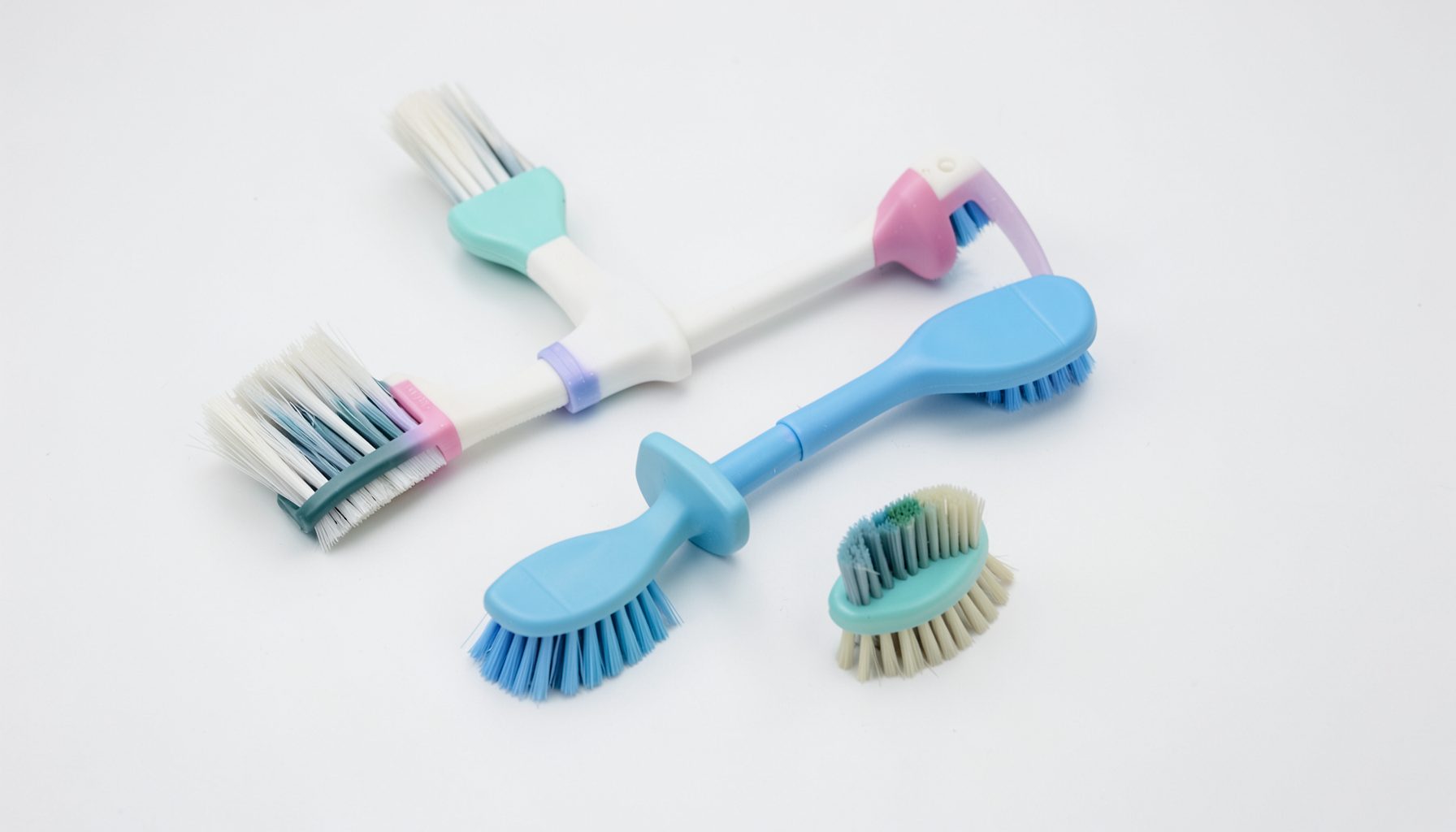
Switch nostrils and repeat. After use, rinse the bottle and let it air dry. Use ResQRinse Premium Cleaning Brushes for thorough cleaning.
Why Your Nasal Rinse Should Be at Body Temperature
Nasal irrigation works by allowing a saline solution to move through the nasal passages, loosen mucus, and wash away irritants such as pollen, dust, and other particles. The temperature of that solution affects how comfortable the process feels and how willing you are to use it regularly.
A rinse that is close to body temperature usually feels gentler than one that is very cold or hot. The nasal lining contains sensitive tissue and nerve endings, so sudden temperature changes can create discomfort even when the saline concentration and technique are otherwise correct.
Using the right temperature is one part of a comfortable routine. Safe water, correctly mixed saline, appropriate pressure, and clean equipment matter as well. Together, these details can make nasal rinsing a practical option for congestion, allergy symptoms, sinus pressure, and dry nasal passages.
Your Nasal Passages Are Sensitive To Temperature
The inside of the nose is covered with a moist mucous membrane that helps filter and humidify the air you breathe. It also contains nerve endings that respond to changes in temperature, pressure, and irritation. A solution that feels neutral on the skin of your hand may feel noticeably different inside the nose.
Body-temperature saline is generally perceived as more natural because it is closer to the temperature of the nasal tissues. It is less likely to produce a sudden cold shock or a sharp sensation associated with excessive heat. “Lukewarm” is a useful everyday description, while approximately 98.6°F or 37°C provides a more precise reference point.
This does not mean the rinse must be measured to an exact degree every time. The goal is comfortable warmth without any heat. If the solution feels hot on the inside of your wrist, it is too hot for nasal irrigation.
Cold Saline Can Feel Harsh
A chilled rinse may cause temporary stinging, aching, or a feeling of pressure. Cold liquid can make the nasal tissues feel tense and may trigger an unpleasant sensation as it passes through the nasal cavity. Some people also notice a brief headache or discomfort around the forehead, cheeks, or eyes.
Cold water is not automatically harmful, but it can make the experience less comfortable. When rinsing feels unpleasant, people may squeeze too forcefully, stop before completing the process, or avoid nasal irrigation altogether. A comfortable temperature supports a calmer, more controlled technique.
If your rinse burns or stings, temperature may be one factor, but it is not the only possibility. Saline that is too concentrated, water that contains irritants, or excessive pressure can also cause discomfort. These stinging rinse tips can help you identify common causes and adjust your routine safely.
Hot Water Can Damage Nasal Tissue
The nasal lining is delicate, and hot liquid can cause more than temporary discomfort. Water that is too warm may irritate or injure the mucous membrane, increasing soreness and inflammation. Heating the saline in a microwave can also create uneven temperatures, with hot spots that may not be obvious when the container is first handled.
Never use boiling water directly in a nasal rinse. If water has been boiled to make it safer for irrigation, allow it to cool thoroughly before mixing the saline solution. Distilled or sterile water can be used according to the product directions, and tap water should only be used when it has been made safe through an appropriate method recommended by a trusted health authority.
Test the finished solution before use. A clean wrist or fingertip can provide a rough temperature check, but your hand is not highly sensitive enough to guarantee that liquid is safe. When in doubt, choose a cooler lukewarm temperature rather than risking a hot rinse.
Temperature And Saline Balance Work Together
Temperature cannot compensate for an incorrectly prepared solution. A saline rinse should contain the appropriate amount of salt and, when specified, buffering ingredients. Too little salt can make water feel irritating, while too much salt can draw moisture from the nasal lining and create a burning sensation.
Premeasured saline packets simplify this step by providing a consistent formula for the recommended volume of water. Follow the instructions for your irrigation bottle, nasal mist, or other device rather than estimating packet amounts. Mixing a packet into too little water can make the solution overly concentrated.
The relationship between temperature and comfort is easiest to understand when the other variables are controlled. Properly prepared saline at a comfortable temperature should feel mild, although a blocked or inflamed nose may still be sensitive. If discomfort continues, stop and review the water source, saline ratio, device pressure, and cleaning routine.
| Rinse condition | Likely sensation | Practical response |
|---|---|---|
| Very cold solution | Chilly, sharp, or pressure-like feeling | Let the prepared rinse warm to lukewarm |
| Body-temperature solution | Mild, natural, and generally comfortable | Use with gentle, steady pressure |
| Hot solution | Burning, soreness, or increased irritation | Discard it and prepare a cooler rinse |
| Too little salt | Stinging or raw sensation | Check the saline-to-water ratio |
| Too much salt | Dryness, burning, or tightness | Follow the packet and device directions |
| Unsafe or unsuitable water | Irritation or health risk | Use distilled, sterile, or properly treated water |
Better Comfort Can Improve Rinsing Technique
When the liquid feels comfortable, it is easier to keep your mouth open, breathe through it, and maintain a relaxed posture. Stand over a sink, tilt your head as directed, and allow the solution to flow without forcing it. A squeeze-bottle system can offer more control when the pressure is applied gradually.
Nasal Lock technology, used in ResQRinse systems, is designed to help direct the rinse through the nasal passages while reducing unwanted leakage. The device still needs to be used according to its instructions. A comfortable temperature does not justify using excessive force or repeatedly squeezing a bottle when the fluid is not flowing.
Traditional neti pots and squeeze bottles can both deliver saline, but their handling and flow patterns differ. People who find one method awkward may prefer another device shape or delivery style. This comparison of gentler irrigation options explains how common systems differ in comfort and control.
A Simple Way To Prepare The Rinse
Prepare the water first, then add the correct saline packet or measured ingredients. Mix until fully dissolved. The finished solution should be clear of undissolved crystals and should feel lukewarm rather than cold, hot, or noticeably different from the temperature of your body.
Use the amount of water specified for the product. A squeeze bottle, children’s rinse system, and nasal mist may have different preparation and usage instructions. Children should use an age-appropriate product with supervision, especially when learning how to position the head and control the flow.
After rinsing, allow the nose to drain naturally and avoid blowing forcefully. Some fluid may remain temporarily in the nasal passages, particularly when congestion or swelling changes the normal pathway. If you experience persistent fullness or fluid that seems trapped, review these steps for water stuck in sinuses and seek medical advice when symptoms are severe or ongoing.
Make Temperature Part Of Your Routine
A consistent preparation routine reduces guesswork and makes nasal irrigation easier to repeat. These practical habits can help:
- Use distilled, sterile, or properly treated water suitable for nasal irrigation.
- Mix the saline packet with the exact volume of water listed in the instructions.
- Aim for a lukewarm solution close to body temperature, never hot.
- Test the rinse and use gentle pressure, especially when the nose is very congested.
- Rinse, dry, and clean the device as directed, including the bottle and any cleaning brush.
Temperature is a small detail, but it can have a noticeable effect on comfort. A rinse that feels mild is easier to use correctly and consistently, whether you are managing seasonal allergies, thick mucus, sinus congestion, or nasal dryness.
Choose a ResQRinse system and prepare each rinse with safe water, properly measured saline, and a comfortable body-temperature feel. Follow the product instructions, clean the equipment after use, and make gentle nasal irrigation part of a careful daily routine when it suits your needs.