ResQRinse is the nasal irrigation squeeze bottle that eliminates head-tilting and awkward neck positions. Using proprietary Nasal Lock™ technology, it delivers a comfortable, gag-free sinus cleanse — no more saline dripping down your throat.

Relief From Fall Sneezes
Now sold on Walmart.com. Free shipping on orders $30+. Try ResQRinse today with your everyday purchases.
Shop at WalmartWhy ResQRinse?
Nasal rinsing helps relieve congestion from colds, allergies, sinusitis, hay fever, and environmental pollutants. ResQRinse makes it comfortable enough to become a daily habit.
Nasal Lock™ Technology
Isolates sinuses from the throat using natural choanal occlusion — like inflating a balloon — so saline stays where it belongs.
Learn more →
Drug-Free Relief
Uses premixed saline packets with distilled water. No medications, no preservatives — just a natural cleanse for your nasal passages.
How to rinse →
For Kids Too
ResQRinse for Kids features a comfort nasal tip right-sized for smaller nostril openings, making rinsing gentle and easy for children.
Shop kids' version →
Breath-Controlled Flow
You control the saline flow with your own breath pressure — high volume, low pressure irrigation that's comfortable and effective.
Watch how-to videos →
Better Compliance
Designed to overcome the gagging and discomfort that cause people to abandon traditional neti pots and nasal rinse systems.
Our story →
Complete Kits Available
From the basic ResQRinse Nasal Rinse System ($19.99) to 90-day complete kits, saline packets, cleaning brushes, and Sinoptim Nasal Mist.
Browse all products →Get Started with ResQRinse
Ready to experience a better nasal rinse? Fill out the form below and we'll help you find the right product — or follow the simple steps to begin rinsing today.
Request More Information
How to Use ResQRinse
Fill the Bottle
Fill the ResQRinse squeeze bottle with distilled or previously boiled water and add one premixed saline packet.
Position the Tip
Place the comfort tip gently against one nostril. No head-tilting or awkward neck angles needed.
Squeeze & Breathe
Squeeze the bottle gently while breathing through your mouth. Nasal Lock™ keeps saline in your nasal passages and out of your throat.
Repeat & Clean
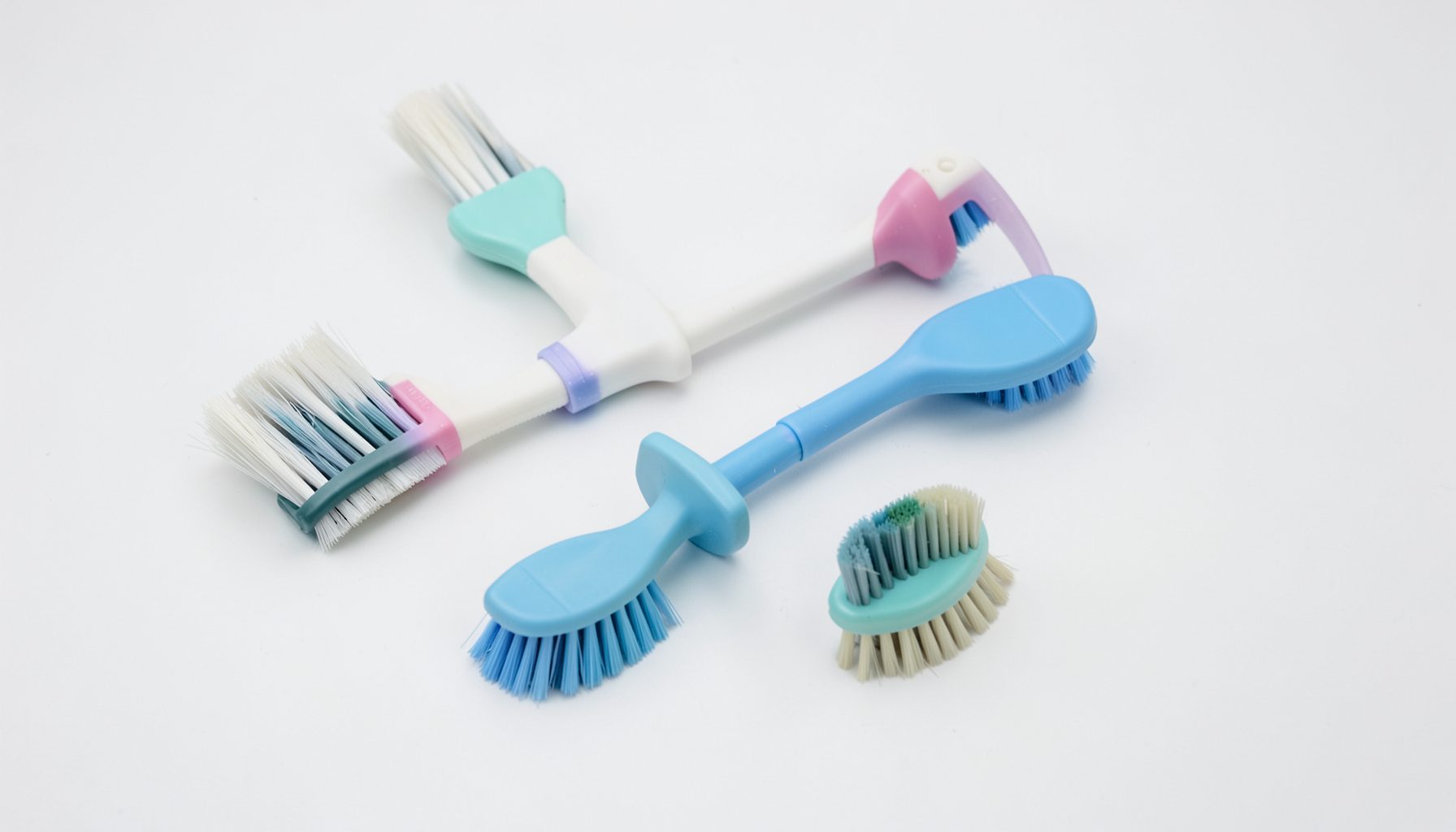
Switch nostrils and repeat. After use, rinse the bottle and let it air dry. Use ResQRinse Premium Cleaning Brushes for thorough cleaning.
Sinus Irrigation vs Neti Pot: Which Feels Gentler?
When congestion, seasonal allergies, or sinus pressure make breathing difficult, rinsing the nasal passages can provide welcome relief. Saline irrigation helps wash away mucus, allergens, dust, and other irritants without relying on medication alone. Two familiar options are the traditional neti pot and a modern squeeze-bottle rinse system.
Both methods can be safe and effective when used correctly, but “gentle” depends on more than the device itself. Water pressure, the fit around the nostril, the temperature and concentration of the saline solution, and the user’s technique all affect comfort.
A neti pot uses gravity to move saline through the nose, while a squeeze bottle allows the user to control the flow with light pressure. For many people, a squeeze system feels easier to direct and more predictable. Others prefer the quiet, low-pressure experience of a neti pot. The better choice is the one that provides a comfortable rinse without forcing water or leaving the nose irritated.
How Nasal Irrigation Works
Nasal irrigation flushes the nasal cavity with a saline solution that is close to the body’s natural salt balance. The fluid enters through one nostril, travels through the nasal passages, and exits through the opposite nostril. This process can loosen thick mucus and remove airborne particles that contribute to stuffiness or irritation.
The rinse does not need to be forceful to work. A steady, comfortable flow is generally more useful than high pressure because the goal is to coat and cleanse the passages, not push aggressively against swollen tissue. Leaning forward over a sink and breathing through the mouth can help the solution move smoothly.
The saline mixture matters as much as the delivery method. Plain tap water may contain organisms that are unsafe to introduce into the nasal passages, so use distilled or sterile water, or tap water that has been boiled and cooled according to appropriate safety guidance. Premeasured saline packets can also help maintain the right concentration.
Why A Neti Pot Can Feel Gentle
A neti pot relies primarily on gravity. After the user tilts the head correctly, saline pours from the reservoir into one nostril and flows out through the other. Since there is no squeezing mechanism, the user is less likely to create a sudden burst of pressure.
This gentle flow can suit people who are sensitive to strong sprays or who prefer a slower rinse. A neti pot may also feel calming because the stream is typically quiet and continuous. However, comfort depends heavily on positioning. If the head is tilted too far back or the nostril opening is not well aligned, the liquid may drain toward the throat or create an unpleasant sensation.
A neti pot can also be awkward for beginners. Holding the container at the right angle requires coordination, and the flow may stop or become uneven when the user changes position. The broad spout must form a comfortable seal without pressing too firmly against the nose.
Where A Squeeze Bottle Has An Advantage
A squeeze-bottle irrigator gives the user more direct control over the speed and volume of the rinse. A light squeeze can create a slow stream, while a slightly firmer one can help move solution through passages affected by thick mucus. This adjustability can make the experience feel more predictable than tipping a neti pot.
Many modern systems also use a shaped nasal tip or a pressure-control feature designed to limit uncomfortable backflow. ResQRinse describes its Nasal Lock technology as part of its approach to creating a secure, comfortable connection during irrigation. A stable fit may reduce leakage around the nostril and help the user avoid compensating with excessive pressure.
The key is restraint. A squeeze bottle is not automatically gentler simply because it is easier to control. Pressing too hard can cause ear pressure, throat drainage, or nasal discomfort. Starting with a slow, mild flow and adjusting only when needed usually provides a more comfortable experience.
Comparing Comfort And Control
The most comfortable option varies with anatomy, congestion level, hand strength, and personal preference. A neti pot offers naturally low-pressure gravity flow, while a squeeze bottle offers active control over how much saline moves through the nose. Neither method should cause sharp pain, intense ear pressure, or persistent burning.
| Feature | Neti Pot | Squeeze-Bottle Irrigator |
|---|---|---|
| Flow source | Gravity | Gentle manual pressure |
| Pressure control | Depends on head position and reservoir angle | Directly controlled by the user |
| Learning curve | Requires careful tilting and alignment | Often easier to aim and adjust |
| Seal around nostril | Usually formed by a spout | Often supported by a shaped nasal tip |
| Best suited to | Users who prefer a slow, low-pressure rinse | Users who want adjustable flow and a guided fit |
| Main comfort concern | Poor positioning or leakage | Excessive squeezing |
| Portability | Can be bulky when filled | Often available in compact kit formats |
| Cleaning needs | Rinse and dry the pot thoroughly | Clean bottle, tip, and included components |
For a person with very swollen nasal tissue, even a gentle rinse may feel blocked at first. For someone who dislikes water collecting around the face, a secure bottle tip may feel less messy. Product design, including the shape of the bottle and the way the nasal tip fits, can influence comfort as much as the basic irrigation method.
Those comparing systems can review available rinse products to see differences among complete kits, children’s options, saline packets, cleaning brushes, and nasal mist. A complete kit may be especially practical for new users who want the bottle and accessories together.
Common Reasons Irrigation Feels Uncomfortable
Burning is often linked to an improperly mixed saline solution. Too little salt can make the water feel harsh, while too much can dry or sting the nasal lining. Using water that is too hot or too cold may also create discomfort. Lukewarm solution is generally the most tolerable.
Ear fullness can happen when a person squeezes too forcefully, blows the nose aggressively after rinsing, or irrigates while the nasal passages are completely blocked. Gentle pressure and a relaxed posture are preferable. If the solution cannot pass through at all, forcing it is unlikely to improve the experience.
Cleanliness is essential for both types of devices. Wash the reservoir and nasal contact points after each use, follow the manufacturer’s cleaning instructions, and allow components to dry fully before storage. Brushes designed for narrow bottle openings can help remove residue that ordinary rinsing misses.
People with frequent nosebleeds, recent nasal surgery, significant ear problems, or severe blockage should seek medical advice before beginning regular irrigation. Stop if rinsing causes pain, bleeding, dizziness, or symptoms that continue after use. ResQRinse provides additional guidance about preparation, operation, and care in its nasal rinse FAQs.
Choosing The Better Fit For Your Routine
A neti pot may be the better match for someone who wants a simple, gravity-fed rinse and feels comfortable controlling head position. It has few moving parts and can deliver a mild stream when used correctly. Its main limitation is that the user must manage alignment and flow angle throughout the rinse.
A squeeze bottle can be a stronger choice for people who value an ergonomic grip, portability, and adjustable flow. It may also be easier for caregivers assisting an older child or another person with limited coordination, provided the product is designed for that age group and used according to its directions.
Gentleness is ultimately a technique as well as a product feature. Use these practices to make either method more comfortable:
- Prepare the saline with distilled, sterile, or properly boiled and cooled water.
- Use lukewarm solution and follow the recommended saline-packet measurements.
- Lean forward, keep the mouth open, and let the fluid drain without forcing it.
- Begin with a low flow and stop if there is pain, strong ear pressure, or bleeding.
- Wash and completely air-dry the device after every use.
Making A Comfortable Choice
For many first-time users, a squeeze-bottle system feels gentler because it offers a secure fit and precise control over flow. For others, the low-pressure simplicity of a neti pot is more soothing. The label on the device matters less than the quality of its fit, the user’s technique, and careful attention to water safety and cleaning.
A well-designed irrigation routine should leave the nose feeling clearer rather than raw. Explore ResQRinse’s nasal rinse systems and choose the format that suits your comfort preferences, congestion needs, and daily routine. With the right saline solution and a gentle approach, nasal irrigation can become a practical part of symptom relief.