ResQRinse is the nasal irrigation squeeze bottle that eliminates head-tilting and awkward neck positions. Using proprietary Nasal Lock™ technology, it delivers a comfortable, gag-free sinus cleanse — no more saline dripping down your throat.

Relief From Fall Sneezes
Now sold on Walmart.com. Free shipping on orders $30+. Try ResQRinse today with your everyday purchases.
Shop at WalmartWhy ResQRinse?
Nasal rinsing helps relieve congestion from colds, allergies, sinusitis, hay fever, and environmental pollutants. ResQRinse makes it comfortable enough to become a daily habit.
Nasal Lock™ Technology
Isolates sinuses from the throat using natural choanal occlusion — like inflating a balloon — so saline stays where it belongs.
Learn more →
Drug-Free Relief
Uses premixed saline packets with distilled water. No medications, no preservatives — just a natural cleanse for your nasal passages.
How to rinse →
For Kids Too
ResQRinse for Kids features a comfort nasal tip right-sized for smaller nostril openings, making rinsing gentle and easy for children.
Shop kids' version →
Breath-Controlled Flow
You control the saline flow with your own breath pressure — high volume, low pressure irrigation that's comfortable and effective.
Watch how-to videos →
Better Compliance
Designed to overcome the gagging and discomfort that cause people to abandon traditional neti pots and nasal rinse systems.
Our story →
Complete Kits Available
From the basic ResQRinse Nasal Rinse System ($19.99) to 90-day complete kits, saline packets, cleaning brushes, and Sinoptim Nasal Mist.
Browse all products →Get Started with ResQRinse
Ready to experience a better nasal rinse? Fill out the form below and we'll help you find the right product — or follow the simple steps to begin rinsing today.
Request More Information
How to Use ResQRinse
Fill the Bottle
Fill the ResQRinse squeeze bottle with distilled or previously boiled water and add one premixed saline packet.
Position the Tip
Place the comfort tip gently against one nostril. No head-tilting or awkward neck angles needed.
Squeeze & Breathe
Squeeze the bottle gently while breathing through your mouth. Nasal Lock™ keeps saline in your nasal passages and out of your throat.
Repeat & Clean
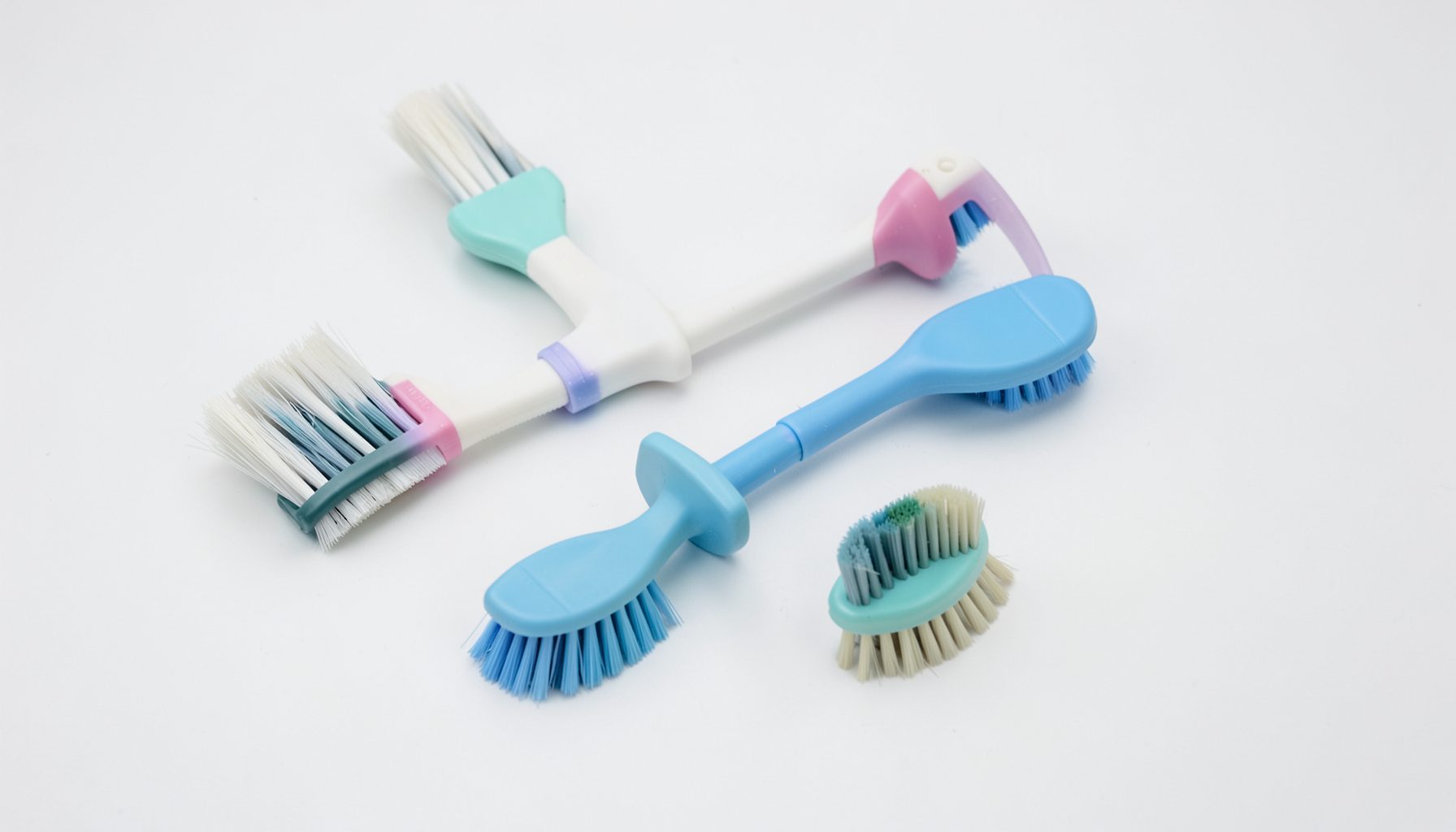
Switch nostrils and repeat. After use, rinse the bottle and let it air dry. Use ResQRinse Premium Cleaning Brushes for thorough cleaning.
What to Do If Nasal Rinse Burns or Stings
Nasal irrigation should feel mild, clean, and relieving. A brief tingling sensation can happen when saline touches already irritated tissue, but sharp burning, intense stinging, or discomfort that continues after the rinse deserves attention. The sensation usually means that something about the solution, water, pressure, or timing needs to be adjusted.
Congestion, seasonal allergies, dry air, a cold, and sinus inflammation can leave the nasal lining sensitive. Even a properly prepared rinse may feel uncomfortable when the tissue is cracked or swollen. The goal is to soothe the passages without adding further irritation.
Stop if the discomfort is strong. A nasal rinse should never be forced through pain, and changing a few details often makes the next attempt much gentler. Persistent or severe symptoms should be discussed with a healthcare professional.
Why a rinse may sting
The most common reason for a burning sensation is an incorrect salt concentration. A solution that is too salty can draw moisture from nasal tissue and feel harsh. A solution that is too weak may also sting because it is less balanced with the body’s natural fluids. Premeasured saline packets are useful because they reduce the guesswork involved in mixing.
Inflamed tissue reacts more strongly than healthy tissue. Allergies, a respiratory infection, frequent nose blowing, dry indoor air, nosebleeds, or recent nasal surgery can all increase sensitivity. Small cracks inside the nostrils may make even a gentle saline spray feel sharp.
Water temperature can contribute as well. Very cold water may trigger discomfort, while hot water can damage delicate tissue. Lukewarm water, close to body temperature, is generally more comfortable. If you are uncertain whether a system is suitable for your symptoms, reading real user experiences, such as these customer testimonials, can provide practical context without replacing medical advice.
Check the solution and water
Use only distilled, sterile, or previously boiled and cooled water for nasal irrigation. Tap water can contain organisms that are safe to swallow but unsafe when introduced into the nasal passages. Allow boiled water to cool fully before use, and never mix a packet into water that is hot enough to feel uncomfortable on the skin.
Follow the product directions for the amount of water and saline. Avoid adding extra salt, baking soda, essential oils, menthol, medication, or other ingredients unless a medical professional specifically tells you to do so. Household salt may contain iodine or anti-caking agents that can irritate the nose, and homemade mixtures are easier to get wrong.
| Possible cause | What it may feel like | Safer adjustment |
|---|---|---|
| Solution is too concentrated | Strong burning, dryness, or tightness | Prepare a fresh rinse using the recommended saline amount |
| Solution is too weak | Stinging with little soothing effect | Use the correct packet-to-water ratio |
| Water is too hot or cold | Immediate sharp discomfort | Use lukewarm water and test it first |
| Nasal tissue is inflamed | Burning in one or both passages | Pause, moisturize gently, and retry only when comfortable |
| Too much pressure | Deep ear, sinus, or nasal discomfort | Squeeze more slowly and use less force |
| Unclean device | Repeated irritation or unusual symptoms | Wash, rinse, dry, and replace parts as directed |
If a prepared solution has been sitting for a while, discard it rather than storing it for later unless the manufacturer specifically permits storage. Bacteria can multiply in leftover liquid. Clean the bottle, nozzle, cap, and any included brush according to the instructions, then allow the components to air-dry completely.
Adjust technique and pressure
Force is another frequent cause of pain. A squeeze bottle should deliver a steady, comfortable stream rather than a powerful blast. Lean over a sink, keep your mouth open, breathe through it, and let the liquid flow out naturally. Do not tilt your head so far back that fluid runs toward the throat.
Start with gentle pressure, especially when one nostril is completely blocked. If the passage does not allow fluid to move freely, pushing harder can create pressure in the ears or sinuses. Pause, lower the pressure, and give the saline time to work. A nasal rinse system with a secure fit or nasal-lock design may help limit leakage and reduce the temptation to squeeze forcefully.
Some people find a squeeze-bottle system easier to control than a traditional neti pot, while others prefer the slower flow of a gravity-fed device. The most comfortable option depends on anatomy, congestion, and technique. This comparison of nasal irrigation methods explains how flow and handling can affect comfort.
Do not use a rinse immediately after vigorous nose blowing, when the tissue is bleeding, or when the nose feels raw. Give irritated tissue time to settle. If you experience ear pressure, reduce the flow and stop if the sensation persists.
What to do right away
If the rinse burns, stop using the device and allow the remaining fluid to drain. Gently blow your nose without force. Do not repeatedly flush the passages in an attempt to remove the sensation, because additional irrigation may worsen dryness or inflammation.
Check the water temperature, saline packet, expiration date, and mixing instructions before trying again. Prepare a fresh solution rather than adding water to dilute a mixture that may already be contaminated. If the discomfort followed the use of a new product, flavoring, additive, or medication, leave that ingredient out and ask a healthcare professional whether it is appropriate.
A brief, mild sensation may fade after the tissue is exposed to properly balanced saline. During the next several hours, avoid picking the nose, forceful blowing, smoke, and very dry air. A plain nasal mist may feel more comfortable for temporary moisture, but it should be used according to its label and should not replace medical treatment for a serious infection or other condition.
If your nose is dry between rinses, consider using a humidifier, drinking enough fluids, and limiting exposure to heated or heavily air-conditioned air. These steps support comfort but do not cure the underlying cause of persistent congestion.
When burning needs medical attention
Stop nasal irrigation and seek medical advice if burning is severe, continues for several hours, or happens every time you rinse despite correct preparation. Contact a clinician sooner if you have recurring nosebleeds, significant nasal pain, facial swelling, worsening headache, fever, thick foul-smelling drainage, or symptoms that are getting worse rather than better.
Ear fullness, reduced hearing, dizziness, or pain behind the eyes can indicate that pressure or inflammation is affecting areas beyond the nasal passages. People who have had sinus or nasal surgery, have structural blockage, or have a weakened immune system should ask their healthcare provider for individualized instructions before irrigating.
Get urgent care for trouble breathing, swelling of the face or throat, a severe allergic reaction, confusion, a stiff neck, or sudden vision changes. These symptoms are not normal effects of a nasal rinse. Children also need extra supervision, age-appropriate equipment, and help preparing safe water and saline.
A healthcare professional can determine whether the problem is caused by allergies, infection, dryness, medication, a deviated septum, nasal polyps, or another issue. Rinsing may support symptom relief, but it should not delay evaluation when warning signs are present.
Build a gentler rinsing routine
A comfortable routine depends on consistency and careful handling rather than stronger flow. Use the system only as often as its directions or your clinician recommend. More frequent rinsing is not automatically better, especially when the nasal lining is already dry.
Keep saline packets and equipment stored in a clean, dry place. Inspect the bottle and nozzle for cracks, residue, or changes in appearance. Replace worn components on schedule, and never share a nasal irrigation device, even with family members.
For a safer, more comfortable experience:
- Use distilled, sterile, or boiled-and-cooled water every time.
- Mix saline exactly as directed and prepare a fresh solution for each use.
- Choose lukewarm water and test a small amount before rinsing.
- Start with low pressure and stop if fluid causes ear pain or strong burning.
- Clean and air-dry the device after every use.
A rinse is intended to clear mucus, allergens, and irritants while keeping the nasal passages comfortable. If the process repeatedly causes pain, take a break and seek guidance instead of trying to push through it.
When a properly mixed, lukewarm saline rinse still feels harsh, the safest next step is to stop, review the technique, and speak with a healthcare professional if symptoms persist. With safe water, accurate saline, gentle pressure, and clean equipment, nasal irrigation can become a more comfortable part of congestion and allergy care.