ResQRinse is the nasal irrigation squeeze bottle that eliminates head-tilting and awkward neck positions. Using proprietary Nasal Lock™ technology, it delivers a comfortable, gag-free sinus cleanse — no more saline dripping down your throat.

Relief From Fall Sneezes
Now sold on Walmart.com. Free shipping on orders $30+. Try ResQRinse today with your everyday purchases.
Shop at WalmartWhy ResQRinse?
Nasal rinsing helps relieve congestion from colds, allergies, sinusitis, hay fever, and environmental pollutants. ResQRinse makes it comfortable enough to become a daily habit.
Nasal Lock™ Technology
Isolates sinuses from the throat using natural choanal occlusion — like inflating a balloon — so saline stays where it belongs.
Learn more →
Drug-Free Relief
Uses premixed saline packets with distilled water. No medications, no preservatives — just a natural cleanse for your nasal passages.
How to rinse →
For Kids Too
ResQRinse for Kids features a comfort nasal tip right-sized for smaller nostril openings, making rinsing gentle and easy for children.
Shop kids' version →
Breath-Controlled Flow
You control the saline flow with your own breath pressure — high volume, low pressure irrigation that's comfortable and effective.
Watch how-to videos →
Better Compliance
Designed to overcome the gagging and discomfort that cause people to abandon traditional neti pots and nasal rinse systems.
Our story →
Complete Kits Available
From the basic ResQRinse Nasal Rinse System ($19.99) to 90-day complete kits, saline packets, cleaning brushes, and Sinoptim Nasal Mist.
Browse all products →Get Started with ResQRinse
Ready to experience a better nasal rinse? Fill out the form below and we'll help you find the right product — or follow the simple steps to begin rinsing today.
Request More Information
How to Use ResQRinse
Fill the Bottle
Fill the ResQRinse squeeze bottle with distilled or previously boiled water and add one premixed saline packet.
Position the Tip
Place the comfort tip gently against one nostril. No head-tilting or awkward neck angles needed.
Squeeze & Breathe
Squeeze the bottle gently while breathing through your mouth. Nasal Lock™ keeps saline in your nasal passages and out of your throat.
Repeat & Clean
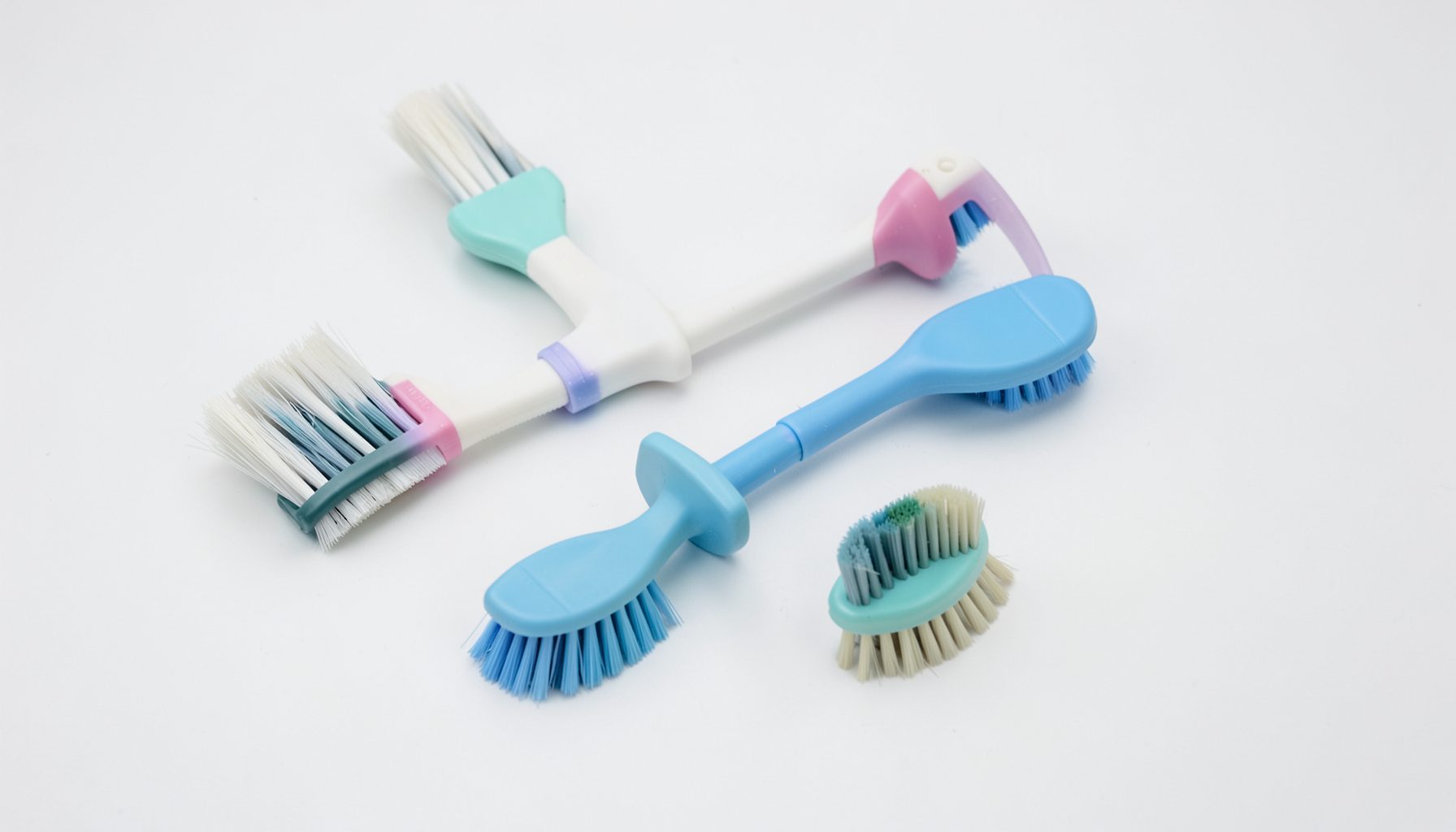
Switch nostrils and repeat. After use, rinse the bottle and let it air dry. Use ResQRinse Premium Cleaning Brushes for thorough cleaning.
What to Do When Water Feels Trapped in Your Sinuses
Nasal irrigation can loosen mucus, wash away allergens, and ease pressure caused by congestion. Occasionally, however, a small amount of saline may feel as if it has remained in the nose, moved toward the ears, or settled behind the cheeks. This sensation is usually temporary, but forcing more water through can make it worse.
The first step is to stop rinsing and allow the fluid to drain naturally. Sit upright, breathe gently through your mouth, and avoid strong nose blowing. Most retained saline leaves when you change position, swallow, or gently clear your nose.
Water safety also matters. Use distilled, sterile, or previously boiled and cooled water when preparing a nasal rinse. Tap water that has not been treated appropriately can carry organisms that are unsafe for nasal use, even when it looks and tastes clean.
Why Saline Can Feel Stuck
The nasal passages connect to several small spaces, including the sinus openings and the areas near the Eustachian tubes. When the lining is swollen from a cold, allergies, or sinus inflammation, these pathways may narrow. Saline can then drain more slowly, creating a feeling of fullness or trapped liquid.
Sometimes the sensation comes from moisture coating irritated tissue rather than from a significant amount of fluid remaining inside the sinus cavities. Pressure, popping, mild gurgling, or a wet feeling in the throat can occur for a short time after rinsing. These symptoms often improve as the nasal passages reopen.
Head position and technique can contribute as well. Tilting too far backward, squeezing a bottle too forcefully, or trying to rinse while completely blocked may send fluid into areas that drain poorly. A gentle, controlled flow is generally more comfortable than high pressure.
Immediate Steps to Encourage Drainage
Stop the rinse as soon as water feels trapped. Remain upright and lean slightly forward over a sink. Let gravity work for several minutes, then turn your head slowly to each side. You can also bend forward at the waist and allow any remaining saline to drip out without forcing it.
Breathe calmly through your mouth and swallow normally. If fluid reaches the back of your throat, spit it out or swallow it; a small amount of properly prepared saline is not usually harmful. A warm shower or humid environment may help loosen thick mucus, although steam should never be hot enough to burn the skin or airways.
After waiting, blow your nose gently, one nostril at a time. Keep the pressure low and avoid repeated forceful blowing, which can push fluid toward the ears or increase nasal irritation. Do not insert cotton swabs, tissues, or other objects into the nose to absorb water.
When to Stop and Seek Medical Care
A brief sensation of fullness is different from severe or persistent symptoms. Contact a healthcare professional if fluid retention is accompanied by sharp facial pain, worsening pressure, significant nosebleeding, fever, swelling around the eyes, or thick drainage with a foul odor. These signs may indicate infection, injury, or another condition that needs assessment.
Ear pain, reduced hearing, intense popping, dizziness, or drainage from the ear also warrants medical advice. A blocked or inflamed Eustachian tube can make nasal rinsing uncomfortable, and continuing to irrigate under pressure may aggravate the problem.
Seek urgent care for trouble breathing, facial weakness, confusion, severe headache, a stiff neck, vision changes, or sudden swelling. People with recent nasal or sinus surgery, structural blockage, frequent nosebleeds, or a weakened immune system should ask their clinician whether irrigation is appropriate and which device to use.
Preventing Retained Fluid During the Next Rinse
Before irrigating, check that at least one nasal passage allows some airflow. A rinse should not be forced through a completely blocked nose. Follow the product directions, use the recommended saline concentration, and prepare the solution with safe water at a comfortably lukewarm temperature.
Keep your mouth open and breathe through it while rinsing. Lean forward over the sink rather than reclining, and turn your head only as directed by the device instructions. Apply steady, moderate pressure to a squeeze bottle instead of sharply compressing it. If the solution causes pain, stop and reassess your position and pressure.
The saline concentration can affect comfort. An isotonic rinse has a salt level close to that of body fluids and is often a gentle choice for routine cleansing. A hypertonic rinse contains more salt and may draw out water from swollen tissue, but it can feel stronger or cause temporary stinging for some people. This explanation of saline rinse types can help clarify which formula may better suit a particular situation.
| Situation | What to do | What to avoid |
|---|---|---|
| Mild fullness immediately after rinsing | Sit upright, lean forward, and wait for drainage | Lying flat or tilting the head far backward |
| Saline in the throat | Breathe through the mouth and swallow or spit normally | Sniffing forcefully or repeatedly clearing the throat |
| One-sided blockage | Stop, adjust posture, and try later if airflow improves | Squeezing harder to push fluid through |
| Ear pressure or popping | Discontinue irrigation and monitor symptoms | Continuing while using high pressure |
| Persistent pain, fever, or swelling | Contact a healthcare professional | Treating worsening symptoms with repeated rinses |
Choosing Equipment That Supports Gentle Rinsing
A squeeze-bottle system gives the user direct control over the flow, which can make it easier to use light pressure. A nasal irrigation system with a shaped tip may also help guide the saline into the passage without requiring the head position often associated with a traditional neti pot. ResQRinse products feature Nasal Lock technology intended to support a more contained, comfortable rinse when the device is positioned correctly.
Children need special care because they may squeeze too hard, hold their breath, or tilt their head incorrectly. Use a children’s version only as directed and supervise the entire process. If a child reports ear pain, dizziness, burning, or continued discomfort, stop the rinse and contact a pediatric healthcare professional.
Clean the bottle, cap, and nozzle after each use according to the manufacturer’s instructions. Allow all parts to dry completely, and replace components when they become cracked, cloudy, or difficult to clean. A cleaning brush and fresh saline packets can help maintain a consistent routine and reduce contamination from residue.
Rinsing for Congestion, Allergies, and Snoring
Nasal irrigation can clear mucus and airborne irritants that contribute to a blocked nose. People with seasonal allergies may use it to wash away pollen after outdoor exposure, while those with a cold may find that saline loosens thick secretions. It does not cure every cause of congestion, and persistent symptoms should be evaluated rather than managed indefinitely at home.
The timing of a rinse matters. Using it earlier in the evening may allow extra time for drainage before bed. If nasal obstruction contributes to mouth breathing or noisy sleep, clearing the passages may provide some relief, although snoring can also result from throat anatomy, sleep position, alcohol, medications, or sleep apnea. Learn more about the relationship between irrigation and sleep in this guide to nasal rinses and snoring.
A nasal mist may be useful when the goal is simple moisture rather than a full wash. It does not provide the same flushing action as an irrigation bottle, but it can be convenient for dry indoor air or brief daytime comfort. Choose the format that fits the symptom, and follow the label rather than using a stronger or more frequent rinse than recommended.
A Simple Routine for Safer Use
Use these practical habits to reduce the chance of fluid feeling trapped:
- Prepare each rinse with distilled, sterile, or boiled and cooled water.
- Check that the nose is at least partly open before beginning.
- Lean forward, keep the mouth open, and use gentle, steady pressure.
- Pause immediately if there is ear pressure, sharp pain, or significant burning.
- Wash and air-dry the device after every use.
If a rinse repeatedly causes retained-fluid sensations, change one factor at a time: reduce the squeeze pressure, adjust the head angle, use a gentler saline formula, or switch to a device that feels easier to control. Repeated discomfort is a reason to consult a clinician, particularly when congestion is one-sided or lasts for weeks.
Do not share a nasal irrigation device, and do not reuse prepared saline beyond the period specified on the product instructions. Keeping the water, solution, and equipment clean is as important as the rinsing technique itself.
Get Comfortable Relief With the Right Routine
When water feels trapped after nasal irrigation, patience and gentle drainage are usually safer than adding more pressure. Sit upright, lean forward, allow time for the saline to leave, and stop using the device if pain or ear symptoms develop. Persistent or severe symptoms deserve professional evaluation.
For a controlled daily rinse, explore ResQRinse squeeze-bottle systems, children’s options, saline packets, cleaning accessories, and nasal mist products available through the brand’s Walmart and Amazon listings. A careful technique and properly maintained device can make congestion and allergy care more comfortable.