ResQRinse is the nasal irrigation squeeze bottle that eliminates head-tilting and awkward neck positions. Using proprietary Nasal Lock™ technology, it delivers a comfortable, gag-free sinus cleanse — no more saline dripping down your throat.

Relief From Fall Sneezes
Now sold on Walmart.com. Free shipping on orders $30+. Try ResQRinse today with your everyday purchases.
Shop at WalmartWhy ResQRinse?
Nasal rinsing helps relieve congestion from colds, allergies, sinusitis, hay fever, and environmental pollutants. ResQRinse makes it comfortable enough to become a daily habit.
Nasal Lock™ Technology
Isolates sinuses from the throat using natural choanal occlusion — like inflating a balloon — so saline stays where it belongs.
Learn more →
Drug-Free Relief
Uses premixed saline packets with distilled water. No medications, no preservatives — just a natural cleanse for your nasal passages.
How to rinse →
For Kids Too
ResQRinse for Kids features a comfort nasal tip right-sized for smaller nostril openings, making rinsing gentle and easy for children.
Shop kids' version →
Breath-Controlled Flow
You control the saline flow with your own breath pressure — high volume, low pressure irrigation that's comfortable and effective.
Watch how-to videos →
Better Compliance
Designed to overcome the gagging and discomfort that cause people to abandon traditional neti pots and nasal rinse systems.
Our story →
Complete Kits Available
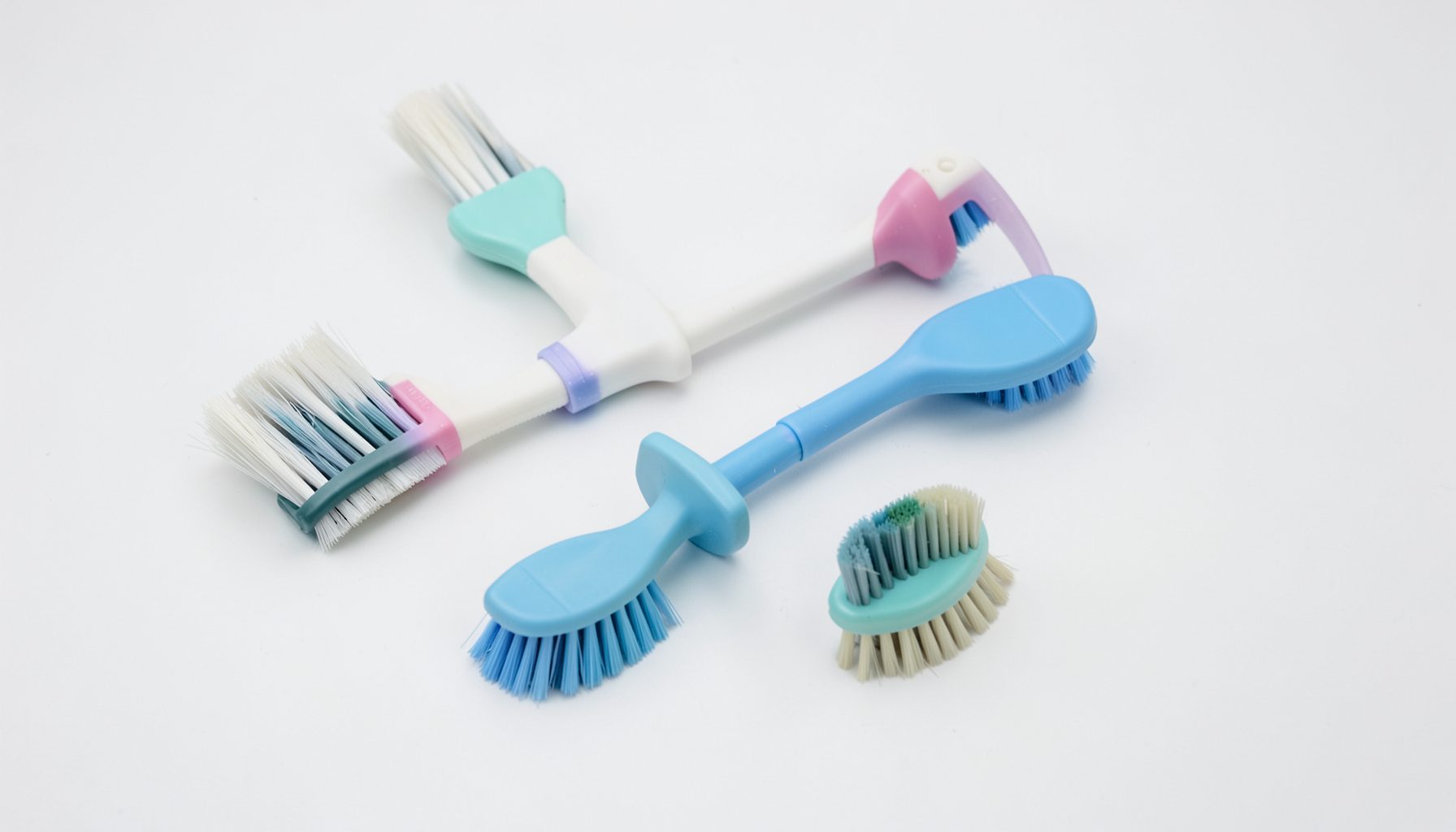
From the basic ResQRinse Nasal Rinse System ($19.99) to 90-day complete kits, saline packets, cleaning brushes, and Sinoptim Nasal Mist.
Browse all products →Get Started with ResQRinse
Ready to experience a better nasal rinse? Fill out the form below and we'll help you find the right product — or follow the simple steps to begin rinsing today.
Request More Information
How to Use ResQRinse
Fill the Bottle
Fill the ResQRinse squeeze bottle with distilled or previously boiled water and add one premixed saline packet.
Position the Tip
Place the comfort tip gently against one nostril. No head-tilting or awkward neck angles needed.
Squeeze & Breathe
Squeeze the bottle gently while breathing through your mouth. Nasal Lock™ keeps saline in your nasal passages and out of your throat.
Repeat & Clean
Switch nostrils and repeat. After use, rinse the bottle and let it air dry. Use ResQRinse Premium Cleaning Brushes for thorough cleaning.
Why You Should Rinse Your Nose After Swimming in Chlorine
Swimming is excellent exercise, but time in a chlorinated pool can leave your nose feeling dry, blocked, or irritated. Water may travel into the nasal passages when you dive, turn underwater, or swim laps, while disinfectants and chemical byproducts can disturb the delicate lining inside the nose.
A gentle saline rinse after swimming helps flush away residual pool water, mucus, and airborne irritants. It can also restore moisture and make breathing more comfortable, especially for people who already experience allergies, sinus sensitivity, or congestion after physical activity.
The goal is not to rinse with pool water or use a harsh solution. Use a properly prepared saline rinse with distilled, sterile, or previously boiled and cooled water. A comfortable squeeze-bottle system can make post-swim nasal care simple enough to become part of your regular routine.
How Pool Chemicals Affect Your Nasal Passages
Chlorine is added to swimming pools to control germs, but it can also irritate mucous membranes. When chlorine combines with sweat, skin cells, and other organic material, it forms chloramines. These compounds are associated with the familiar “pool smell” and may contribute to irritation of the eyes, throat, and nose.
The nasal lining is designed to trap particles and humidify air. Exposure to chlorinated water and chloramine-filled air may dry this lining or cause temporary swelling. Some swimmers notice sneezing, a runny nose, a burning sensation, postnasal drainage, or difficulty breathing clearly through the nose after leaving the pool.
People with allergic rhinitis, chronic sinus problems, asthma-related sensitivities, or naturally dry nasal passages may feel these effects more strongly. A rinse cannot prevent every symptom, but it can help clear irritants before they remain in contact with the nasal tissue.
What a Saline Rinse Does After Swimming
A saline rinse uses a saltwater solution to wash the nasal passages. The flow can loosen thick mucus, remove particles, and clear traces of substances that entered the nose during swimming. Because the solution is designed to be gentle and compatible with nasal tissue, it is generally more comfortable than plain tap water.
Rinsing can also support the nose’s natural cleaning process. Instead of repeatedly blowing your nose, which may increase pressure and irritation, a controlled saline flow helps move unwanted material out through the opposite nostril. A squeeze bottle gives users control over the direction and pressure of the rinse.
For swimmers who also exercise intensely, nasal congestion may have more than one trigger. Increased breathing, dry air, and exposure to irritants can combine during a workout. This guide on exercise-related congestion explains why nasal rinsing may be useful when physical activity contributes to blocked breathing.
The Safest Way to Rinse After Pool Time
Water safety matters as much as the saline formula. Never fill a nasal irrigation device with untreated tap water, pool water, or water collected from an uncertain source. Use distilled or sterile water, or boil tap water and allow it to cool according to current public health guidance. Follow the instructions supplied with the saline packets and rinse system.
Wash your hands before preparing the solution. Mix the packet completely rather than guessing the amount of salt, since an overly concentrated or weak solution may sting. Lean over a sink, breathe through your mouth, and allow the saline to move gently through one nostril and out the other. Do not force the bottle if your nose is completely blocked or the flow causes pain.
After use, empty the bottle and separate its parts when the product instructions recommend it. Rinse and dry the components thoroughly. Regular cleaning reduces the chance that moisture will support unwanted microbial growth; these equipment cleaning tips can help keep a rinse kit fresh between uses.
Post-Swim Care at a Glance
A nasal rinse works best as part of a sensible after-swimming routine. Showering removes chlorine from the skin and hair, while changing out of wet swimwear reduces prolonged exposure to pool chemicals. If your nose feels irritated, avoid aggressive blowing and give the tissue time to settle after rinsing.
The following comparison shows how common post-swim habits differ. A rinse is especially useful when pool water has entered the nose or when symptoms continue after leaving the facility.
| Post-swim habit | Main purpose | Potential limitation | Helpful approach |
|---|---|---|---|
| Rinsing with pool water | Attempts to clear the nose | May add more chlorine and is not intended for nasal irrigation | Do not use pool water |
| Blowing the nose repeatedly | Removes some fluid or mucus | Can increase pressure and irritation | Blow gently after saline rinsing |
| Using a saline rinse | Flushes irritants and adds moisture | Requires safe water and clean equipment | Follow packet and device instructions |
| Taking a hot shower | Removes chemicals from skin and hair | Does not directly clean the nasal passages | Combine with appropriate nasal care |
| Using a nasal mist | Provides light moisture | May not flush out mucus or debris | Choose mist for hydration between rinses |
When and How Often to Rinse
Many swimmers can rinse once after leaving the pool, particularly if they felt water enter the nose or developed congestion. Rinsing soon after swimming may help remove irritants before the nasal passages become increasingly dry or inflamed. It is not necessary to irrigate repeatedly throughout the day unless a healthcare professional recommends a specific schedule.
A nasal mist may be more suitable when you only need light moisture during the day. A full saline irrigation is designed for flushing and may be preferable after a long swim, frequent underwater activity, or exposure to a strongly chlorinated indoor pool. Follow the product directions and avoid treating discomfort by increasing pressure or frequency.
Children should use a rinse system only with age-appropriate products and adult supervision. A child may need help preparing the solution, positioning the bottle, and using gentle pressure. Stop if there is significant pain, ear pressure, nosebleeding, or worsening symptoms.
Choosing a Comfortable Rinse System
Traditional neti pots rely on gravity and require the user to maintain a steady head position. Squeeze-bottle systems can provide a more directed flow and may be easier to use after swimming, when you want a quick, controlled routine. ResQRinse systems include saline packets and bottle designs intended to make nasal irrigation more approachable.
Features such as Nasal Lock technology are designed to help create a comfortable seal and guide the rinse through the nasal passages. Comfort still depends on correct positioning, water temperature, solution strength, and gentle pressure. A lukewarm solution is often more comfortable than water that is very cold or hot.
Consider the setting in which you will use the product. A compact kit may suit swimmers who travel to different pools, while a children’s version can help families establish a supervised routine. Brushes and replacement saline packets can also make regular care easier, provided every component is cleaned and stored properly.
Habits That Keep Your Rinse Kit Ready
Good equipment care protects the quality of each rinse. Do not leave solution sitting in the bottle, and do not close or store the device while it is still wet. Moisture trapped in a dark container can create an environment where mold and other buildup develop.
Keep the clean, dry kit in a ventilated location away from bathroom splashes. This advice on the best storage spot can help you choose a place that is convenient without exposing the equipment to unnecessary humidity. Replace parts when they become worn, cracked, or difficult to clean.
A few simple habits make post-swim nasal care more consistent:
- Rinse with safe, properly prepared saline rather than pool or untreated tap water.
- Use gentle pressure and stop if you feel pain, strong ear pressure, or bleeding.
- Clean, dry, and store the device according to the manufacturer’s instructions.
- Choose a child-appropriate system and supervise young swimmers.
- Seek medical advice for persistent congestion, fever, severe facial pain, or recurrent nosebleeds.
A saline rinse is a practical way to care for your nose after swimming in chlorine, especially when pool exposure leaves you congested or dry. Add a clean, comfortable rinse system to your swim bag, prepare it with safe water, and make nasal care part of the routine when you get home.