ResQRinse is the nasal irrigation squeeze bottle that eliminates head-tilting and awkward neck positions. Using proprietary Nasal Lock™ technology, it delivers a comfortable, gag-free sinus cleanse — no more saline dripping down your throat.

Relief From Fall Sneezes
Now sold on Walmart.com. Free shipping on orders $30+. Try ResQRinse today with your everyday purchases.
Shop at WalmartWhy ResQRinse?
Nasal rinsing helps relieve congestion from colds, allergies, sinusitis, hay fever, and environmental pollutants. ResQRinse makes it comfortable enough to become a daily habit.
Nasal Lock™ Technology
Isolates sinuses from the throat using natural choanal occlusion — like inflating a balloon — so saline stays where it belongs.
Learn more →
Drug-Free Relief
Uses premixed saline packets with distilled water. No medications, no preservatives — just a natural cleanse for your nasal passages.
How to rinse →
For Kids Too
ResQRinse for Kids features a comfort nasal tip right-sized for smaller nostril openings, making rinsing gentle and easy for children.
Shop kids' version →
Breath-Controlled Flow
You control the saline flow with your own breath pressure — high volume, low pressure irrigation that's comfortable and effective.
Watch how-to videos →
Better Compliance
Designed to overcome the gagging and discomfort that cause people to abandon traditional neti pots and nasal rinse systems.
Our story →
Complete Kits Available
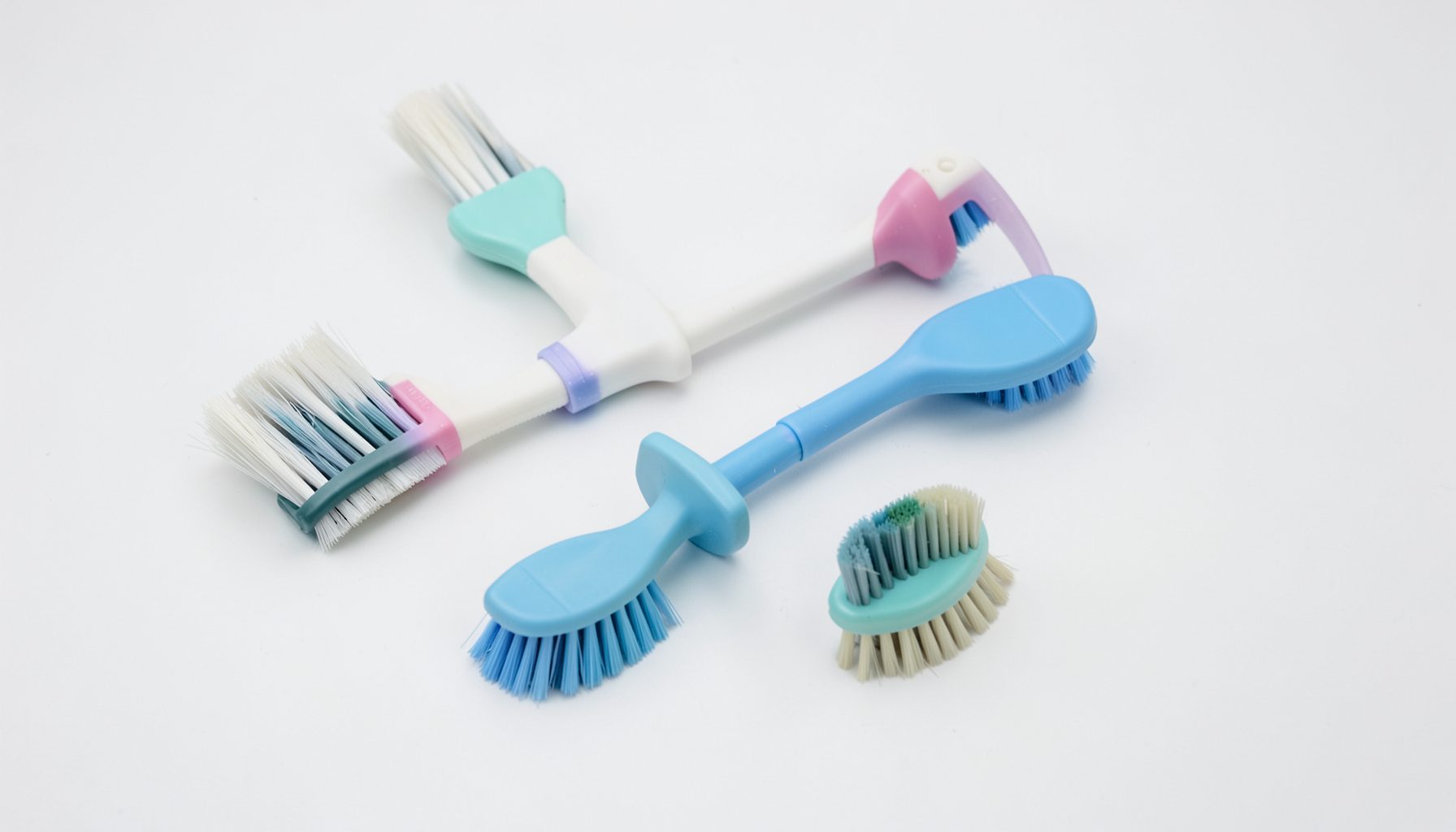
From the basic ResQRinse Nasal Rinse System ($19.99) to 90-day complete kits, saline packets, cleaning brushes, and Sinoptim Nasal Mist.
Browse all products →Get Started with ResQRinse
Ready to experience a better nasal rinse? Fill out the form below and we'll help you find the right product — or follow the simple steps to begin rinsing today.
Request More Information
How to Use ResQRinse
Fill the Bottle
Fill the ResQRinse squeeze bottle with distilled or previously boiled water and add one premixed saline packet.
Position the Tip
Place the comfort tip gently against one nostril. No head-tilting or awkward neck angles needed.
Squeeze & Breathe
Squeeze the bottle gently while breathing through your mouth. Nasal Lock™ keeps saline in your nasal passages and out of your throat.
Repeat & Clean
Switch nostrils and repeat. After use, rinse the bottle and let it air dry. Use ResQRinse Premium Cleaning Brushes for thorough cleaning.
Nasal Rinse For Exercise-Related Nasal Congestion
Exercise can leave the body feeling energized while the nose feels blocked, swollen, or unusually runny. For some people, this happens during outdoor activity, when pollen, dust, cold air, or pollution irritates the nasal passages. Others notice symptoms in a gym with dry air, strong cleaning products, or poor ventilation.
Nasal irrigation may help wash away mucus and airborne irritants while adding moisture to the nasal lining. It is a supportive hygiene practice rather than a performance enhancer, and it does not replace medical treatment for asthma, infection, or persistent nasal obstruction. Used correctly, a saline rinse can fit into a practical routine before or after exercise.
The role of nasal rinse in relieving exercise-induced congestion is mainly mechanical: a gentle saline flow helps clear the nasal passages so air can move more comfortably. Understanding why symptoms occur and when to rinse can make the habit more useful and easier to maintain.
Why Exercise Can Trigger Nasal Congestion
Physical activity increases breathing rate and airflow through the nose. Cold, dry air can cause the nasal tissues to swell as they work to warm and humidify incoming air. This response may lead to stuffiness, dripping, sneezing, or a sensation that one side of the nose is more blocked than the other.
Some athletes experience exercise-induced rhinitis, a nonallergic reaction that can appear during or soon after activity. It may be especially noticeable during running, cycling, swimming, or winter sports. The symptoms can resemble allergies, although they may occur without itching eyes or a clear seasonal trigger.
Environmental exposure also matters. Outdoor exercise can stir up pollen, mold spores, smoke, and particulate matter. Indoor workouts may expose sensitive noses to dust or chemical odors. A saline rinse can help remove some of these irritants from the surface of the nasal passages after activity, reducing the material that continues to provoke discomfort.
How Saline Rinsing Supports Clearer Breathing
A nasal rinse uses a saline solution to flow through one nostril and out the other, carrying loosened mucus and particles with it. Saline is generally more comfortable than plain water because it is formulated to match the body’s natural salt balance. The process can also moisturize nasal tissue that feels dry after repeated mouth breathing or exposure to heated and air-conditioned spaces.
Rinsing may be helpful after an outdoor workout when pollen, dust, or smoke has entered the nose. It can also clear thick secretions that make breathing feel restricted. The effect is usually temporary and symptom-focused, but regular nasal hygiene may be valuable for people whose congestion repeatedly follows exercise.
Timing should match the person’s response. A rinse 15 to 30 minutes before exercise may help clear existing mucus, while rinsing afterward can remove irritants collected during the session. Anyone who feels more blocked immediately after rinsing should allow additional time before exercising and review the technique, solution temperature, and device fit.
For a comfortable squeeze-bottle option, ResQRinse nasal systems are designed to direct saline through the nose with a controlled flow. Features such as a secure nasal seal can help reduce leakage when the bottle is positioned properly, which may make the process less messy than an open neti pot for some users.
Selecting The Right Moment And Method
A nasal rinse works best when the solution and equipment are prepared carefully. Use a premixed saline packet with the recommended amount of safe water, rather than creating a highly concentrated or weak solution by guesswork. Distilled or sterile water is appropriate, as is tap water that has been boiled and cooled according to public health guidance.
Before exercise, rinse gently and give the nasal passages time to drain. Bending slightly forward over a sink can help prevent solution from running into the throat. Breathing through the mouth during the rinse and avoiding forceful squeezing can make the experience more comfortable. Afterward, blow the nose softly instead of creating high pressure.
After exercise, wait until breathing and heart rate have settled if the workout was intense. Showering first may remove surface allergens from the face and hair, while a nasal rinse can address particles inside the nasal passages. A clean device is essential, since a contaminated bottle or nozzle can introduce unwanted microbes.
Comparing Common Nasal Rinse Options
Different irrigation systems provide similar basic benefits but vary in control, portability, and ease of cleaning. A squeeze bottle allows the user to regulate pressure and volume, while a neti pot depends more on gravity and head positioning. Nasal mist delivers moisture but generally does not flush the passages as thoroughly as a full-volume rinse.
| Option | Best suited for | Main advantage | Important consideration |
|---|---|---|---|
| Squeeze-bottle rinse | Post-workout clearing and regular congestion | Adjustable flow and larger saline volume | Must be cleaned and dried after use |
| Neti pot | Users comfortable with gravity-fed irrigation | Simple, low-pressure delivery | Requires careful positioning and can spill |
| Nasal mist | Mild dryness or quick moisture support | Convenient and portable | Usually removes less mucus and debris |
| Children’s rinse system | Older children using age-appropriate guidance | Designed for smaller users | Adult supervision and correct technique are important |
People with frequent exercise-related congestion may prefer a complete kit that includes the bottle and saline packets. A smaller mist can be useful in a gym bag for dryness between sessions, although it serves a different purpose from a full nasal wash. The best choice is one that the user can operate safely and clean consistently.
Safety Rules For Nasal Irrigation
Water safety is the most important part of nasal irrigation. Never use untreated tap water in a nasal rinse. Distilled or sterile water is the simplest option, while boiled water must be cooled before use. Follow the saline packet instructions and avoid sharing a bottle, nozzle, or cap with another person.
Clean the device after every use as directed by the manufacturer. Rinse away remaining solution, wash removable parts, and allow everything to air-dry fully. Replace components when they become worn, cracked, discolored, or difficult to clean. A cleaning brush can help reach narrow areas, but it should also be washed and dried.
Do not force a rinse through a completely blocked nose, and stop if it causes sharp pain, significant ear pressure, bleeding, or worsening symptoms. People with recent nasal surgery, structural problems, frequent nosebleeds, or serious sinus conditions should follow their clinician’s instructions. This post-surgery guidance explains why technique and medical direction matter during recovery.
Persistent congestion deserves professional evaluation, particularly when it affects sleep, limits exercise, occurs with wheezing, or lasts beyond a typical cold. Facial pain, fever, foul-smelling drainage, or repeated sinus infections may require assessment rather than repeated self-care alone.
Building A Practical Workout Routine
A rinse does not need to become an elaborate part of every training session. For many people, the most useful routine is based on exposure and symptoms: rinse after a high-pollen run, after cycling near traffic, or when an indoor workout leaves the nose dry and irritated. On low-exposure days, a saline mist or no nasal product may be sufficient.
Keep the equipment in a clean, ventilated place rather than a permanently damp gym bag. Prepare the solution shortly before use and discard leftover saline instead of storing it in the bottle. If a rinse is used before exercise, finish early enough to let excess fluid drain and to confirm that breathing feels comfortable.
The following habits can make nasal irrigation more consistent and safer:
- Use distilled, sterile, or properly boiled and cooled water every time.
- Match the saline packet and water volume exactly as directed.
- Rinse gently without forcing pressure into the nose or ears.
- Wash, dry, and store the device according to the product instructions.
- Track triggers such as pollen, cold air, chlorine, or cleaning chemicals.
When To Seek More Than Symptom Relief
Exercise-related nasal symptoms can sometimes be managed with environmental changes, warm-up adjustments, and saline irrigation. Moving an outdoor workout away from peak pollen hours, wearing a face covering in cold air, or choosing a better-ventilated gym may reduce exposure. A clinician can also help distinguish exercise-induced rhinitis from allergies, chronic sinus inflammation, a deviated septum, or lower-airway conditions.
Nasal rinsing should be viewed as a supportive measure. It can clear mucus and irritants, but it cannot correct every cause of blocked breathing. If congestion is severe, occurs during nearly every workout, or is accompanied by chest tightness, coughing, dizziness, or unusual shortness of breath, medical advice is important before continuing intense exercise.
For mild, recurring nasal discomfort, a well-timed saline rinse can be a simple addition to post-workout care. Choose a system that feels manageable, use safe water, and give the nose time to settle before returning to demanding activity. Explore the ResQRinse range through the brand’s online store and make comfortable nasal care part of an active routine.