ResQRinse is the nasal irrigation squeeze bottle that eliminates head-tilting and awkward neck positions. Using proprietary Nasal Lock™ technology, it delivers a comfortable, gag-free sinus cleanse — no more saline dripping down your throat.

Relief From Fall Sneezes
Now sold on Walmart.com. Free shipping on orders $30+. Try ResQRinse today with your everyday purchases.
Shop at WalmartWhy ResQRinse?
Nasal rinsing helps relieve congestion from colds, allergies, sinusitis, hay fever, and environmental pollutants. ResQRinse makes it comfortable enough to become a daily habit.
Nasal Lock™ Technology
Isolates sinuses from the throat using natural choanal occlusion — like inflating a balloon — so saline stays where it belongs.
Learn more →
Drug-Free Relief
Uses premixed saline packets with distilled water. No medications, no preservatives — just a natural cleanse for your nasal passages.
How to rinse →
For Kids Too
ResQRinse for Kids features a comfort nasal tip right-sized for smaller nostril openings, making rinsing gentle and easy for children.
Shop kids' version →
Breath-Controlled Flow
You control the saline flow with your own breath pressure — high volume, low pressure irrigation that's comfortable and effective.
Watch how-to videos →
Better Compliance
Designed to overcome the gagging and discomfort that cause people to abandon traditional neti pots and nasal rinse systems.
Our story →
Complete Kits Available
From the basic ResQRinse Nasal Rinse System ($19.99) to 90-day complete kits, saline packets, cleaning brushes, and Sinoptim Nasal Mist.
Browse all products →Get Started with ResQRinse
Ready to experience a better nasal rinse? Fill out the form below and we'll help you find the right product — or follow the simple steps to begin rinsing today.
Request More Information
How to Use ResQRinse
Fill the Bottle
Fill the ResQRinse squeeze bottle with distilled or previously boiled water and add one premixed saline packet.
Position the Tip
Place the comfort tip gently against one nostril. No head-tilting or awkward neck angles needed.
Squeeze & Breathe
Squeeze the bottle gently while breathing through your mouth. Nasal Lock™ keeps saline in your nasal passages and out of your throat.
Repeat & Clean
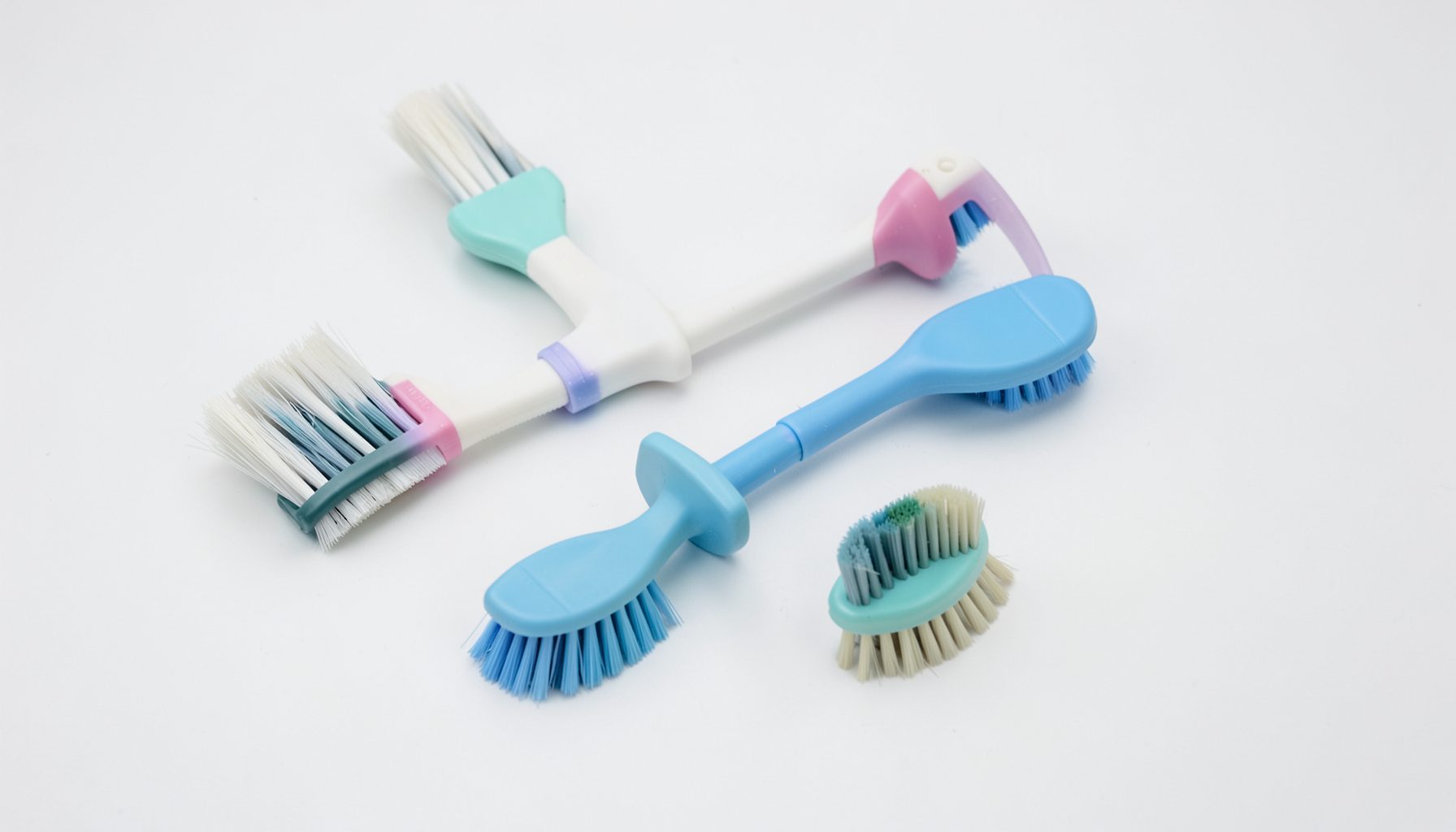
Switch nostrils and repeat. After use, rinse the bottle and let it air dry. Use ResQRinse Premium Cleaning Brushes for thorough cleaning.
Where to store your nasal rinse kit for cleaner, easier use
A nasal rinse kit works best when it is easy to reach, simple to clean, and protected from moisture between uses. The location you choose can influence whether the bottle dries properly, whether saline packets stay fresh, and whether the routine feels convenient enough to maintain.
For many households, the bathroom seems like the obvious choice. Yet a humid shower area, a crowded sink, or a closed cabinet can create conditions that are less suitable for a reusable squeeze bottle. A nearby bedroom drawer, linen closet, or dedicated medicine shelf may provide a cleaner and drier alternative.
The ideal storage spot depends on your routine, the number of people using the kit, and whether you use a children’s rinse system or travel frequently. A few practical adjustments can help keep nasal irrigation supplies organized and ready for the next use.
Why storage affects nasal rinse hygiene
After nasal irrigation, the bottle and cap retain small amounts of water. If the parts are put away while damp, moisture can remain trapped inside narrow openings, threads, or valves. That makes thorough drying more difficult and can leave the kit with an unpleasant odor over time.
Storage also affects the cleanliness of the nozzle. A bottle placed directly on a wet countertop may pick up residue from splashes, soap, cosmetics, or other bathroom products. Keeping the applicator away from these surfaces helps reduce unnecessary contact before it is used again.
A good storage routine supports regular nasal care. ResQRinse explains its product design and intended use through ResQRinse’s approach, including features designed to make nasal irrigation more comfortable and manageable. A well-chosen storage location helps preserve that convenience from one use to the next.
The best everyday location at home
For most people, the best spot is a clean, dry, well-ventilated shelf or drawer located near—but not inside—the wettest part of the bathroom. A medicine cabinet with some airflow, a high linen-closet shelf, or a bedroom nightstand drawer can work well if the kit is completely dry before storage.
Keep the bottle upright when possible, with the cap separated or loosely positioned according to the manufacturer’s care instructions. Separating removable parts allows air to reach areas that would otherwise stay damp. Avoid placing the bottle in a sealed pouch immediately after rinsing unless every component is dry.
The storage area should be away from direct sunlight and strong heat. A sunny windowsill, radiator shelf, or warm cabinet may gradually affect plastic components and can make moisture evaporate unevenly. A stable, shaded location is usually more suitable for a reusable nasal rinse system and its accessories.
Making bathroom storage safer
A bathroom can still be practical when the kit is kept away from the shower, bathtub, and sink splash zone. Choose a clean shelf or ventilated container several feet from running water. If the room becomes steamy after bathing, leave the bottle outside the bathroom until it has dried fully.
Do not store the rinse bottle in a closed toiletry bag while it is wet. Toiletry bags are convenient for transport, but their limited airflow can hold moisture against the bottle and nozzle. Use one for travel only after the kit has been washed, drained, and dried.
Keep saline packets in a separate, dry area rather than beside the sink. Individual packets should remain sealed until use and should be protected from humidity. Storing them with cosmetics, cleaning chemicals, or loose toiletries can also make it harder to identify the correct packet quickly.
Comparing common storage spots
Different locations offer different levels of access, ventilation, and protection. The most suitable choice is usually the one that fits your routine while allowing the rinse bottle to dry completely.
| Storage spot | Advantages | Possible drawbacks | Best practice |
|---|---|---|---|
| Open bathroom shelf | Easy to reach and remember | Exposed to steam and splashes | Keep it far from the shower and sink |
| Ventilated medicine cabinet | Protects the kit from dust and clutter | May trap moisture if closed too soon | Store only after all parts are dry |
| Bedroom or hallway drawer | Usually cooler and less humid | Less convenient during a morning routine | Use a clean, dedicated section |
| Linen closet shelf | Dry, organized, and away from chemicals | May be less accessible for frequent use | Place the kit in a breathable container |
| Toiletry bag | Convenient for travel | Poor airflow when the kit is damp | Pack only when completely dry |
| Kitchen cabinet | Often easy to access | May expose supplies to food odors or heat | Keep away from the stove, sink, and food spills |
A breathable basket can help keep the bottle, nasal mist, cleaning brush, and unopened saline packets together without sealing in moisture. Choose a washable container that is large enough to prevent the nozzle from rubbing against other objects.
Storage for children and shared households
Children’s nasal rinse kits deserve a location that is accessible to the supervising adult but out of reach during unsupervised play. A high shelf or labeled caregiver’s cabinet can prevent the bottle from being mistaken for a toy or handled with unwashed hands.
If more than one person uses nasal irrigation, assign each user a separate bottle and nozzle. Color labels or waterproof name stickers can make this simple. Do not place clean and used components in the same open container, and avoid sharing a bottle even when it appears clean.
In a busy household, a small routine can prevent mix-ups: wash the bottle after use, allow every component to air-dry, and return it to the same labeled location. Consistency is especially useful when congestion or allergies make nasal rinsing part of a regular care routine. Guidance on consistent rinsing can help explain why a dependable routine may be easier to maintain than occasional use.
A simple routine before putting the kit away
Storage should begin with proper after-use care. Follow the product instructions for cleaning, use the recommended water source for nasal irrigation, and rinse away remaining saline. Distilled or sterile water, or water that has been boiled and cooled as directed by reputable health guidance, is generally used for nasal rinsing; ordinary untreated tap water should not be used in the bottle.
Allow the bottle, cap, nozzle, and any removable pieces to drain and air-dry completely. A clean drying rack or fresh towel can keep components off a potentially dirty counter, but avoid covering wet parts with another cloth. If the kit includes a cleaning brush, wash and dry it as directed rather than leaving it inside the bottle.
Useful storage habits include:
- Choose a cool, dry location away from shower steam and sink splashes.
- Let every component dry fully before closing a cap or packing the kit.
- Keep saline packets sealed and separate from wet bathroom surfaces.
- Store children’s and adults’ rinse bottles separately when possible.
- Inspect the bottle, nozzle, and seals regularly for damage, cloudiness, or buildup.
Replace parts according to the manufacturer’s instructions, or sooner if they become cracked, difficult to clean, or visibly worn. A damaged seal can affect how the bottle functions, while a rough or deteriorated nozzle may be harder to keep clean.
Choosing a spot for travel and daily routines
For travel, a ventilated toiletry case can protect the kit from contact with other belongings. Pack the bottle only after it has dried, and place saline packets in a separate waterproof pouch if they will be carried near toiletries. When arriving at a hotel or rental, avoid leaving the kit on the shower ledge or directly beside the sink.
A small drying area in the room may be more suitable than the bathroom. Place clean components on a fresh towel or another sanitary surface, allow them to dry, and then return them to the travel case. If the kit cannot dry fully during transit, keep the parts separated and provide airflow as soon as possible.
At home, convenience matters because an inconvenient location can make nasal irrigation easier to postpone. Keep the kit close enough to support your usual morning or evening schedule, but far enough from water, heat, and clutter to remain clean. For many users, a labeled, ventilated shelf outside the shower area offers the best balance.
Move your nasal rinse kit to a dry, dedicated storage spot and make complete air-drying part of the routine after every use. Browse ResQRinse rinse systems, saline supplies, and accessories through the brand’s available shopping channels, and choose the setup that makes comfortable nasal care easier to keep within reach.