ResQRinse is the nasal irrigation squeeze bottle that eliminates head-tilting and awkward neck positions. Using proprietary Nasal Lock™ technology, it delivers a comfortable, gag-free sinus cleanse — no more saline dripping down your throat.

Relief From Fall Sneezes
Now sold on Walmart.com. Free shipping on orders $30+. Try ResQRinse today with your everyday purchases.
Shop at WalmartWhy ResQRinse?
Nasal rinsing helps relieve congestion from colds, allergies, sinusitis, hay fever, and environmental pollutants. ResQRinse makes it comfortable enough to become a daily habit.
Nasal Lock™ Technology
Isolates sinuses from the throat using natural choanal occlusion — like inflating a balloon — so saline stays where it belongs.
Learn more →
Drug-Free Relief
Uses premixed saline packets with distilled water. No medications, no preservatives — just a natural cleanse for your nasal passages.
How to rinse →
For Kids Too
ResQRinse for Kids features a comfort nasal tip right-sized for smaller nostril openings, making rinsing gentle and easy for children.
Shop kids' version →
Breath-Controlled Flow
You control the saline flow with your own breath pressure — high volume, low pressure irrigation that's comfortable and effective.
Watch how-to videos →
Better Compliance
Designed to overcome the gagging and discomfort that cause people to abandon traditional neti pots and nasal rinse systems.
Our story →
Complete Kits Available
From the basic ResQRinse Nasal Rinse System ($19.99) to 90-day complete kits, saline packets, cleaning brushes, and Sinoptim Nasal Mist.
Browse all products →Get Started with ResQRinse
Ready to experience a better nasal rinse? Fill out the form below and we'll help you find the right product — or follow the simple steps to begin rinsing today.
Request More Information
How to Use ResQRinse
Fill the Bottle
Fill the ResQRinse squeeze bottle with distilled or previously boiled water and add one premixed saline packet.
Position the Tip
Place the comfort tip gently against one nostril. No head-tilting or awkward neck angles needed.
Squeeze & Breathe
Squeeze the bottle gently while breathing through your mouth. Nasal Lock™ keeps saline in your nasal passages and out of your throat.
Repeat & Clean
Switch nostrils and repeat. After use, rinse the bottle and let it air dry. Use ResQRinse Premium Cleaning Brushes for thorough cleaning.
How to Keep Nasal Rinse Equipment Free From Mold
Nasal irrigation can help wash away mucus, allergens, and irritants, but the equipment needs careful maintenance. A squeeze bottle, nasal tip, cap, or mist device that stays damp may develop an unpleasant odor, biofilm, or visible mold over time. Good cleaning and drying habits reduce that risk and help keep each rinse comfortable.
The most important principles are simple: use safe water, empty the system after every use, wash all removable parts, and allow everything to dry completely before storage. Saline packets should be mixed as directed rather than improvised with unmeasured ingredients.
A clean routine also protects the quality of the rinse itself. Mold prevention is not a single deep-cleaning task; it is the result of consistent handling after each use and timely replacement of worn components.
Why Moisture Creates Risk
Mold thrives in warm, damp areas with limited airflow. A nasal rinse bottle can retain droplets inside its reservoir, nozzle, cap, or tubing, especially when it is closed immediately after use. Small amounts of saline residue can also remain on threads and seams, giving microorganisms a place to collect.
A system may look clean while moisture remains trapped in a narrow opening. Cloudiness, discoloration, a musty smell, slimy residue, or changes in the bottle’s texture are warning signs that the equipment needs immediate attention. Do not continue using a visibly contaminated component.
The risk increases when several people share one device, when a bottle is stored in a humid bathroom, or when it is refilled without being washed. Each person should use their own nasal irrigation equipment, particularly during colds, allergy flare-ups, or sinus infections.
Clean Every Part After Use
After each rinse, disassemble the equipment as far as the manufacturer allows. Separate the bottle, cap, nasal tip, valve, and any removable insert. Rinse away leftover saline rather than allowing it to dry inside the system. Wash the parts with clean dish soap and warm water if the product instructions permit, paying attention to threads, grooves, and the inside of the tip.
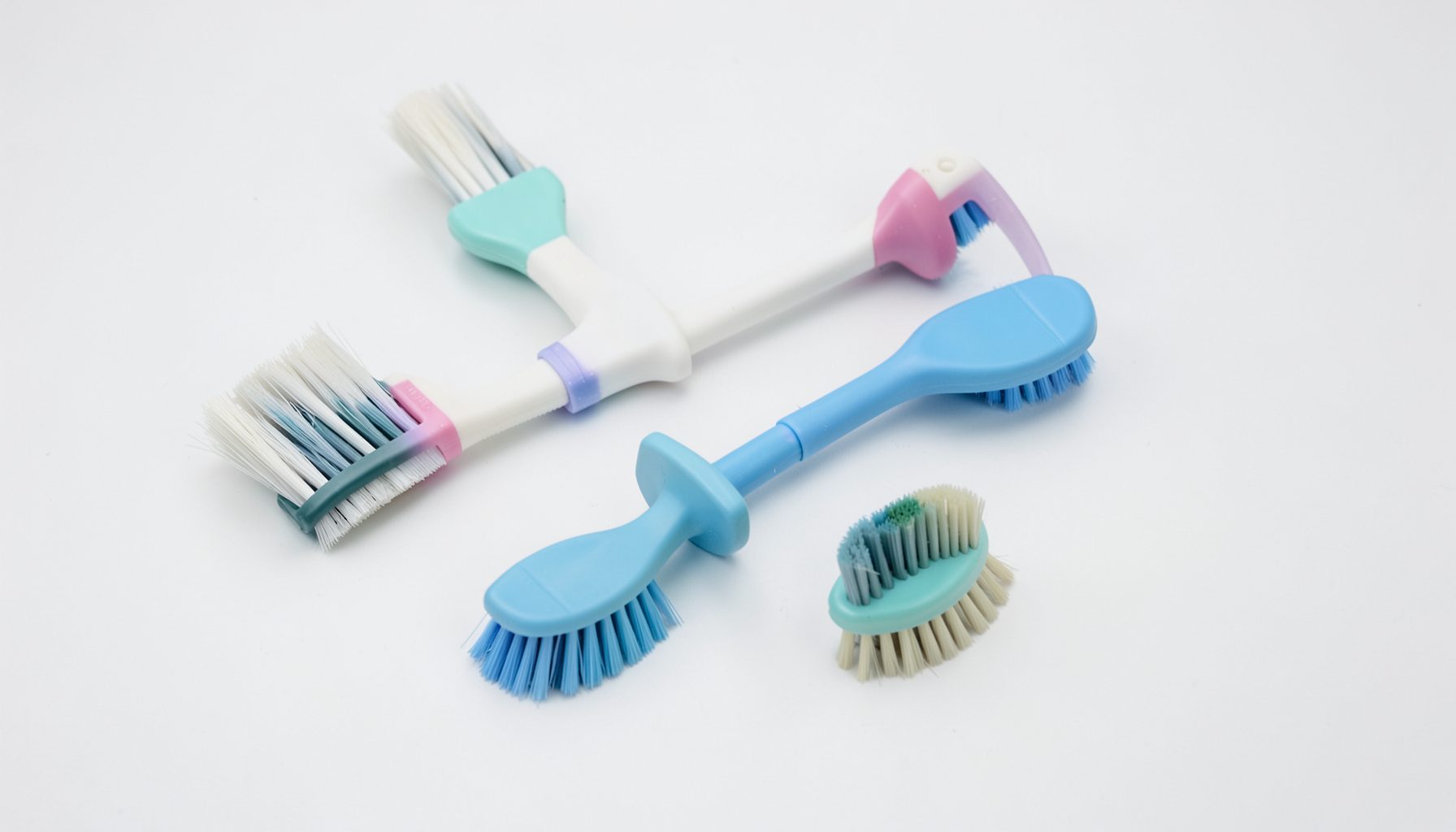
Never assume that rinsing the reservoir alone is enough. The cap and nozzle come into direct contact with the solution and can collect residue. A small brush can reach areas that a sponge cannot; this cleaning brush guide explains why a dedicated tool can be useful for nasal rinse equipment.
Avoid forcing sharp objects into the nozzle because scratches may create additional places for buildup. Do not mix household cleaners, and do not use bleach, alcohol, or boiling water unless the product manufacturer specifically approves that method. Some materials can become brittle, warped, or damaged by harsh treatment.
Drying Is Half the Routine
Cleaning removes residue, but drying limits the moisture mold needs to grow. Shake excess water from every component, then place the pieces separately on a clean, dry towel or rack. Position openings downward or at an angle so water can drain instead of pooling inside.
Keep the parts uncovered while they dry. Closing a damp bottle, placing it in a sealed pouch, or stacking wet components together creates a humid enclosed space. A well-ventilated counter outside the shower area is generally better than a dark cabinet.
Do not store the system until the bottle and attachments are fully dry. If a part remains damp after several hours, increase airflow and inspect it for narrow channels that may be holding water. Replace storage bags or cases that become wet, stained, or musty.
Use Safe Water and Fresh Saline
The water used for nasal irrigation must be safe for the nasal passages. Follow the product directions and public-health guidance for distilled, sterile, or properly treated water. Ordinary tap water may contain organisms that are unsafe to introduce into the nose, even when it is suitable for drinking in many locations.
Use commercially prepared saline packets in the recommended amount of water. Overly concentrated or weak saline can cause burning, discomfort, or reduced effectiveness. Do not save leftover solution for another session; prepare a fresh mixture each time and discard what remains.
| Equipment habit | Mold-prevention benefit | Practical action |
|---|---|---|
| Emptying the bottle | Removes residue and standing moisture | Discard leftover solution immediately |
| Washing removable parts | Reduces saline film and microbial buildup | Clean the bottle, cap, tip, and valve after use |
| Air-drying separately | Prevents trapped humidity | Keep openings exposed and components apart |
| Using safe water | Supports hygienic nasal irrigation | Choose distilled, sterile, or properly treated water |
| Regular replacement | Removes worn or difficult-to-clean surfaces | Follow the manufacturer’s replacement guidance |
| Private equipment | Limits cross-contamination | Do not share bottles or nasal tips |
Water quality and equipment hygiene work together. Safe water cannot compensate for a damp, contaminated bottle, and careful cleaning cannot make unsafe water appropriate for nasal use.
Use Tools and Follow Product Guidance
A squeeze-bottle system with features such as Nasal Lock technology may be designed to help manage flow and reduce mess, but its parts still need routine care. Read the specific cleaning directions for the model you own, since dishwasher use, heat tolerance, and replacement intervals vary between products.
Cleaning brushes should be reserved for the equipment and washed after use. If the brush itself develops an odor, discoloration, or residue, replace it rather than transferring buildup back into the bottle. Do not share brushes between household members unless they can be thoroughly cleaned and dried.
Children’s nasal rinse systems require the same attention as adult versions, with additional supervision during use and cleaning. Store saline packets, brushes, and small removable parts out of children’s reach. A child should not handle a nasal irrigation device independently unless a healthcare professional and caregiver consider it appropriate.
If nasal irrigation causes persistent discomfort, bleeding, worsening pressure, or unusual ear symptoms, stop and seek medical advice. This ear pain guidance explains why ear discomfort deserves attention rather than repeated rinsing through the symptom.
A Practical Care Schedule
A simple schedule makes equipment hygiene easier to maintain. The exact replacement timeline should come from the product instructions, but the daily steps below provide a useful baseline for most reusable nasal rinse systems:
- Empty leftover saline immediately after each use.
- Separate and wash every removable component.
- Rinse away soap thoroughly so it cannot enter the next solution.
- Air-dry the parts completely in an open, clean location.
- Inspect weekly for odor, discoloration, cracks, cloudiness, or residue.
Keep a spare set of saline packets and, when practical, a replacement bottle or nasal tip. Having clean supplies available helps prevent the temptation to use a damp or damaged system. A spare should also be stored dry, not sealed while moisture remains inside.
People recovering from sinus procedures should follow their surgeon’s instructions even if they differ from general product directions. The timing, solution type, pressure, and cleaning requirements may be customized. Guidance on rinsing after sinus surgery can help explain why post-operative care deserves special attention.
Know When to Replace Equipment
No reusable bottle lasts forever. Repeated squeezing, exposure to heat, and regular washing can eventually soften plastic, weaken seams, or create fine scratches. A cracked bottle, loose valve, warped cap, or damaged nasal tip may be difficult to clean thoroughly and should be replaced.
Discard the equipment if you notice persistent mold, a musty odor that remains after cleaning, staining that cannot be removed, or a slippery film inside the reservoir. Do not try to salvage porous, damaged, or deeply scratched parts with increasingly strong chemicals.
Replacement is also appropriate when the device no longer functions correctly. A leaking seal, irregular flow, or blocked tip can make rinsing uncomfortable and may encourage users to manipulate the equipment in ways that cause further damage. Check the manufacturer’s care instructions for recommended component life and approved replacement parts.
Clean nasal rinse equipment supports a more reliable self-care routine. Choose safe water and fresh saline, wash the complete system after every session, dry each piece in open air, and inspect it regularly for changes. When a bottle or attachment smells musty, shows mold, or becomes difficult to clean, replace it promptly. Build these steps into your daily routine and shop for suitable ResQRinse replacement supplies or complete rinse kits through the brand’s authorized retail channels.