ResQRinse is the nasal irrigation squeeze bottle that eliminates head-tilting and awkward neck positions. Using proprietary Nasal Lock™ technology, it delivers a comfortable, gag-free sinus cleanse — no more saline dripping down your throat.

Relief From Fall Sneezes
Now sold on Walmart.com. Free shipping on orders $30+. Try ResQRinse today with your everyday purchases.
Shop at WalmartWhy ResQRinse?
Nasal rinsing helps relieve congestion from colds, allergies, sinusitis, hay fever, and environmental pollutants. ResQRinse makes it comfortable enough to become a daily habit.
Nasal Lock™ Technology
Isolates sinuses from the throat using natural choanal occlusion — like inflating a balloon — so saline stays where it belongs.
Learn more →
Drug-Free Relief
Uses premixed saline packets with distilled water. No medications, no preservatives — just a natural cleanse for your nasal passages.
How to rinse →
For Kids Too
ResQRinse for Kids features a comfort nasal tip right-sized for smaller nostril openings, making rinsing gentle and easy for children.
Shop kids' version →
Breath-Controlled Flow
You control the saline flow with your own breath pressure — high volume, low pressure irrigation that's comfortable and effective.
Watch how-to videos →
Better Compliance
Designed to overcome the gagging and discomfort that cause people to abandon traditional neti pots and nasal rinse systems.
Our story →
Complete Kits Available
From the basic ResQRinse Nasal Rinse System ($19.99) to 90-day complete kits, saline packets, cleaning brushes, and Sinoptim Nasal Mist.
Browse all products →Get Started with ResQRinse
Ready to experience a better nasal rinse? Fill out the form below and we'll help you find the right product — or follow the simple steps to begin rinsing today.
Request More Information
How to Use ResQRinse
Fill the Bottle
Fill the ResQRinse squeeze bottle with distilled or previously boiled water and add one premixed saline packet.
Position the Tip
Place the comfort tip gently against one nostril. No head-tilting or awkward neck angles needed.
Squeeze & Breathe
Squeeze the bottle gently while breathing through your mouth. Nasal Lock™ keeps saline in your nasal passages and out of your throat.
Repeat & Clean
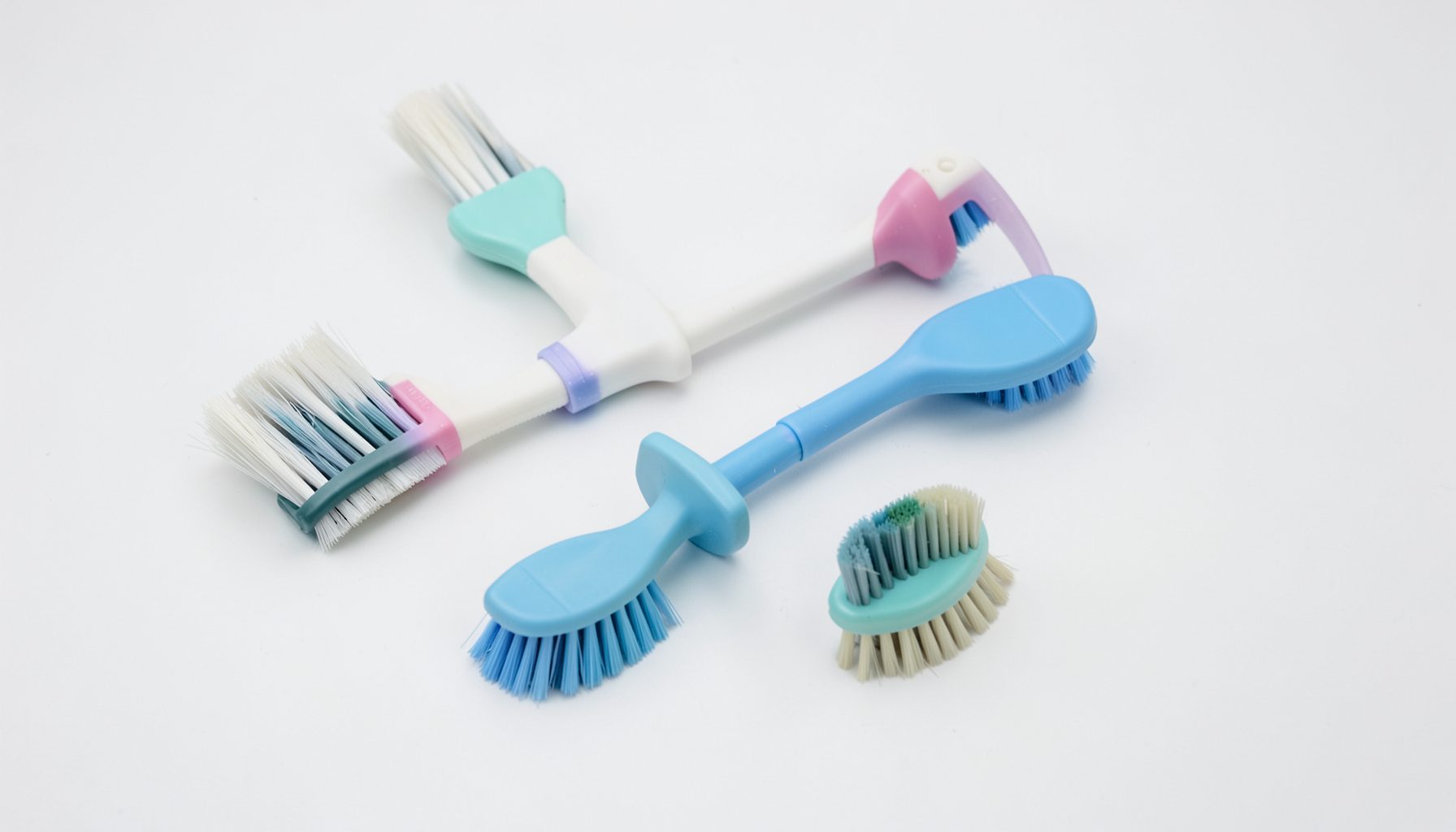
Switch nostrils and repeat. After use, rinse the bottle and let it air dry. Use ResQRinse Premium Cleaning Brushes for thorough cleaning.
Your First Nasal Rinse: What To Expect And How To Begin
Starting a nasal rinse can feel unfamiliar, especially if you have never used a squeeze bottle or neti pot. The process is simple: a saline solution flows through one nostril, travels through the nasal passages, and exits through the other nostril. This helps wash away mucus, allergens, dust, and irritants.
The first session is usually more about learning the right position and pressure than achieving an instant, dramatic change. You may notice easier breathing, less stuffiness, or a cleaner feeling in your nose. Some people need several rinses before congestion and sinus pressure begin to settle.
A comfortable experience depends on safe water, correctly mixed saline, gentle technique, and a clean device. Nasal irrigation can be useful during colds, seasonal allergies, dry weather, and sinus symptoms, but persistent or severe symptoms should be assessed by a healthcare professional.
What A Nasal Rinse Actually Does
A saline rinse moisturizes the nasal lining while helping loosen thick mucus. It can also flush out pollen, pet dander, smoke particles, and other substances that contribute to irritation. Unlike a standard nasal spray, which delivers a small amount of liquid, an irrigation system uses a larger volume to rinse through the nasal cavity.
Saline is important because plain water can sting and irritate delicate nasal tissue. Follow the instructions included with your saline packets and use the recommended amount of safe water. Distilled or sterile water is a convenient choice. Tap water should be boiled and cooled according to public health guidance before it is used for nasal irrigation.
The rinse does not need to be forceful to work. A slow, steady flow is generally more comfortable and gives the solution time to move through the passages. If your nose is completely blocked, forcing water may increase discomfort, so pause and try again later or seek medical guidance.
Preparing For The First Session
Wash your hands before preparing the solution. Use a clean irrigation bottle and check that the cap, nozzle, and seals are properly assembled. Add the correct volume of lukewarm water, then mix in the designated saline packet until it dissolves. Water that is too hot can burn, while cold water may feel unpleasant.
Stand over a sink and lean slightly forward. Keep your mouth open and breathe through it while rinsing. Tilting your head gently to one side allows the fluid to enter the upper nostril and drain from the lower nostril. Avoid leaning backward, which can cause water to run toward your throat.
Place the nozzle comfortably against the nostril without pushing it deeply inside. Begin with light pressure. A squeeze-bottle system can give you more control than a traditional neti pot because you can adjust the flow as you go. ResQRinse’s Nasal Lock technology is designed to support a more contained, directed rinse when the bottle is positioned correctly.
Sensations You May Notice
The first few seconds may feel unusual, with a sense of fullness, tingling, or gentle pressure around the nose. Mild drainage into the other nostril is expected. A small amount of solution may reach the back of the throat, especially if your head position changes. Spit it out rather than swallowing if the taste bothers you.
You may sneeze during or shortly after the rinse. This is a normal response to fluid moving through the nasal passages. Your ears can also feel briefly full if you squeeze too hard or if the passages are highly congested. Reduce pressure, adjust your posture, and stop if you feel pain.
| What You Notice | Usually Means | What To Do |
|---|---|---|
| Fluid exits the opposite nostril | The rinse is flowing through the nasal passages | Continue gently and switch sides |
| Mild tingling or fullness | The saline is contacting irritated tissue | Slow the flow and check the solution temperature |
| Some fluid reaches the throat | Head angle or breathing pattern shifted | Lean forward, keep your mouth open, and spit it out |
| Temporary sneezing | Nasal tissue is responding to the rinse | Pause briefly, then resume only if comfortable |
| Sharp pain, severe pressure, or ear pain | The flow may be too forceful or the passage may be irritated | Stop the rinse and seek medical advice if symptoms persist |
After rinsing, blow your nose gently, one side at a time. Do not forcefully blow both nostrils together, since excessive pressure can make your ears feel blocked. Some residual fluid may drain for several minutes, particularly when you bend forward.
Making The Routine More Comfortable
Many people prefer rinsing in the morning to clear overnight mucus or before bed to remove allergens gathered during the day. If you are using a medicated nasal spray, ask a healthcare professional whether irrigation should come first; in some situations, cleansing the nasal passages beforehand may help the spray reach the intended tissue.
Use a fresh saline mixture for each session, and do not save leftover solution. Rinse the bottle and its components after use, then allow them to air-dry completely. Follow the manufacturer’s cleaning instructions and replace parts when they become worn, cloudy, cracked, or difficult to clean.
A short period of mild drainage after the rinse is common. You may feel immediate openness, or the benefit may develop gradually as thick mucus and irritants are cleared. Nasal irrigation is most useful when practiced consistently and gently rather than treated as a high-pressure way to force congestion open.
Habits That Support A Better Rinse
- Use distilled, sterile, or properly boiled and cooled water.
- Mix saline exactly as directed instead of estimating the amount.
- Keep your head forward and breathe through your open mouth.
- Start with gentle pressure and stop if you feel pain.
- Clean, dry, and store the irrigation system according to its instructions.
Helping Children And Sensitive Users
Children may be hesitant because the sensation is new. Demonstrating the process on yourself can make the bottle seem less intimidating. Let the child hold the device, practice leaning over the sink, and understand that the rinse will be brief. Never force a child to continue through fear or pain.
A smaller bottle or child-specific nasal rinse system may be easier to control. An adult should prepare the saline, supervise the entire session, and make sure the child does not share a device with another person. The guidance on teaching a child to rinse can help families create a calmer routine.
Children should be able to follow simple instructions about posture, breathing, and stopping when uncomfortable. If a child has frequent nosebleeds, ear problems, facial pain, or a medical condition affecting the nose or immune system, consult a pediatrician before beginning regular irrigation.
Adjusting For Dry Air And Congestion
Dry indoor air can leave the nasal lining feeling tight, crusty, or irritated. Heating and air conditioning may reduce humidity, while seasonal changes can increase sensitivity to airborne particles. Saline irrigation adds moisture and clears material that may be contributing to nasal discomfort. More information about dry air and sinus pressure can help explain why symptoms sometimes worsen indoors.
A rinse may feel sharper when the nasal tissue is already dry or inflamed. Check that the saline mixture is correctly balanced and comfortably lukewarm. If you experience repeated burning, reduce the frequency and speak with a healthcare professional rather than continuing through irritation.
Nasal irrigation is supportive care, not a diagnosis or a substitute for treatment when an infection or another condition is present. Contact a clinician for high fever, swelling around the eyes, severe facial pain, worsening symptoms, frequent nosebleeds, or symptoms that do not improve. Stop immediately if you develop significant pain, dizziness, or persistent ear pressure.
Knowing What Progress Looks Like
A successful first rinse may simply mean that you completed the process without discomfort. The solution may remove visible mucus, but the most meaningful change can be easier breathing or reduced nasal stuffiness afterward. Relief may last for hours, or it may be subtle until you establish a regular routine.
Some congestion comes from swollen tissue rather than removable mucus, so a rinse cannot always open the nose immediately. Allergies, viral illness, structural concerns, and ongoing exposure to irritants can all affect results. Pay attention to patterns, including when symptoms appear and how your nose responds after rinsing.
Choose a system that feels easy to grip, simple to clean, and appropriate for your household. ResQRinse offers squeeze-bottle systems, saline packets, children’s options, cleaning brushes, complete kits, and nasal mist for different daily needs. When you are ready to begin, select the appropriate system and use it gently and consistently according to its instructions, available through ResQRinse retail partners such as Walmart and Amazon.