ResQRinse is the nasal irrigation squeeze bottle that eliminates head-tilting and awkward neck positions. Using proprietary Nasal Lock™ technology, it delivers a comfortable, gag-free sinus cleanse — no more saline dripping down your throat.

Relief From Fall Sneezes
Now sold on Walmart.com. Free shipping on orders $30+. Try ResQRinse today with your everyday purchases.
Shop at WalmartWhy ResQRinse?
Nasal rinsing helps relieve congestion from colds, allergies, sinusitis, hay fever, and environmental pollutants. ResQRinse makes it comfortable enough to become a daily habit.
Nasal Lock™ Technology
Isolates sinuses from the throat using natural choanal occlusion — like inflating a balloon — so saline stays where it belongs.
Learn more →
Drug-Free Relief
Uses premixed saline packets with distilled water. No medications, no preservatives — just a natural cleanse for your nasal passages.
How to rinse →
For Kids Too
ResQRinse for Kids features a comfort nasal tip right-sized for smaller nostril openings, making rinsing gentle and easy for children.
Shop kids' version →
Breath-Controlled Flow
You control the saline flow with your own breath pressure — high volume, low pressure irrigation that's comfortable and effective.
Watch how-to videos →
Better Compliance
Designed to overcome the gagging and discomfort that cause people to abandon traditional neti pots and nasal rinse systems.
Our story →
Complete Kits Available
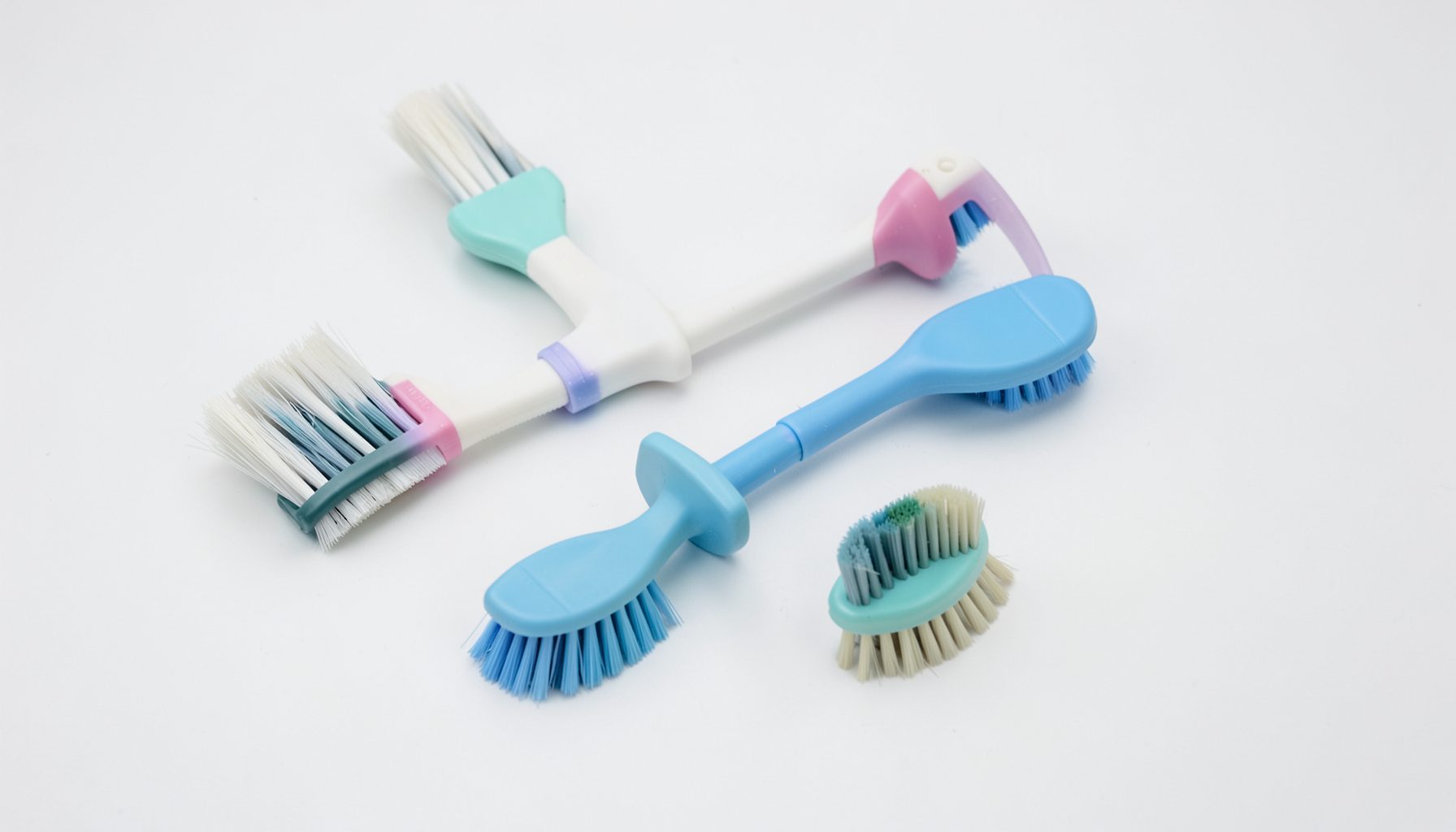
From the basic ResQRinse Nasal Rinse System ($19.99) to 90-day complete kits, saline packets, cleaning brushes, and Sinoptim Nasal Mist.
Browse all products →Get Started with ResQRinse
Ready to experience a better nasal rinse? Fill out the form below and we'll help you find the right product — or follow the simple steps to begin rinsing today.
Request More Information
How to Use ResQRinse
Fill the Bottle
Fill the ResQRinse squeeze bottle with distilled or previously boiled water and add one premixed saline packet.
Position the Tip
Place the comfort tip gently against one nostril. No head-tilting or awkward neck angles needed.
Squeeze & Breathe
Squeeze the bottle gently while breathing through your mouth. Nasal Lock™ keeps saline in your nasal passages and out of your throat.
Repeat & Clean
Switch nostrils and repeat. After use, rinse the bottle and let it air dry. Use ResQRinse Premium Cleaning Brushes for thorough cleaning.
How to Teach a Child to Use a Squeeze Bottle Nasal Rinse
Helping a child learn nasal irrigation takes patience, preparation, and a calm routine. A squeeze-bottle nasal rinse can loosen mucus, wash away allergens, and ease the feeling of a blocked nose, but children may initially dislike the sensation or feel unsure about liquid passing through the nasal passages.
The goal is to make the process predictable rather than forcing a child to cooperate immediately. Explain what will happen, let the child observe first, and give them small choices such as which towel to use or whether to rinse the left or right nostril first. A relaxed child is more likely to use the system correctly.
Always follow the instructions supplied with the specific product. Use only distilled, sterile, or previously boiled and cooled water with the appropriate saline mixture. For general guidance on nasal rinsing and congestion care, parents can also explore the ResQRinse blog.
Prepare The Child And The Rinse
Choose a time when the child is reasonably comfortable, alert, and not rushing to leave for school or go to bed. The bathroom is often convenient because the child can lean over the sink, but a small stool may help them reach the correct height. Keep tissues and a towel nearby.
Before beginning, wash your hands and prepare the saline solution exactly as directed. The water should be safe for nasal use, and the mixture should be fully dissolved. Do not improvise with plain tap water, extra salt, or homemade ingredients. Check that the bottle is clean, intact, and appropriate for the child’s age.
Show the child the bottle while it is empty. Let them hold it, look at the nozzle, and squeeze it into the sink. This removes some of the mystery and demonstrates that the pressure can be gentle. If the product includes Nasal Lock technology or another sealing feature, describe it in simple language: the tip rests comfortably at the nostril while the child breathes through the mouth.
Make The First Lesson Low Pressure
The first session does not need to be a full rinse. Start by explaining that the saline is similar to the salty moisture naturally found in the nose. Avoid dramatic descriptions such as “flushing everything out.” A child-friendly explanation might be, “This helps wash out stuff that makes your nose feel stuffy.”
Demonstrate on yourself, a doll, or an empty bottle directed toward the sink. Keep your face relaxed and describe each step aloud. Children often notice a parent’s expression more than the words being used, so avoid reacting as if the sensation is alarming.
Allow the child to decide whether to watch, touch the bottle, or practice leaning over the sink. Praise cooperation rather than performance: “You held the bottle carefully,” or “You kept your mouth open like we practiced.” If the child refuses, pause and try again later instead of turning the rinse into a struggle.
Positive experiences from other families can help normalize the routine. Reading age-appropriate parent experiences together may reassure an older child that nasal rinsing is a common self-care habit rather than a punishment.
Teach The Position And Breathing
Correct positioning makes the rinse more comfortable and reduces the chance of liquid running toward the throat. Have the child lean forward over the sink, keep the mouth open, and turn the head slightly to one side. The forehead and chin should stay generally level rather than tipping the head backward.
Place the nozzle gently against one nostril without pushing it deeply inside. The child should breathe through the mouth while the bottle is squeezed slowly and steadily. Saline may flow out through the other nostril or into the mouth; if it reaches the throat, the child can spit it out.
For younger children, an adult should control the bottle until the child understands the amount of pressure needed. A squeeze bottle works through gentle, controlled flow, not force. Stop if the child experiences sharp pain, significant ear pressure, nosebleeding, dizziness, or distress. Persistent discomfort warrants advice from a pediatrician or another qualified healthcare professional.
| Teaching Point | Helpful Approach | Avoid |
|---|---|---|
| Body position | Lean forward, mouth open, head slightly turned | Tilting the head backward |
| Bottle pressure | Use a slow, gentle squeeze | Pressing hard or rushing |
| Nozzle placement | Rest it at the nostril opening | Inserting it deeply |
| Child’s role | Let the child practice with supervision | Giving full control too soon |
| Emotional support | Use calm language and specific praise | Threats, teasing, or force |
Begin With One Small Rinse
When the child is ready, begin with a short rinse on one side. A partial squeeze is enough for the first attempt. The purpose is to help the child recognize the feeling and learn that the process ends quickly. Afterward, let the child blow their nose gently, one side at a time.
Do not expect perfect flow during the first few sessions. The child may close their mouth, turn their head, squeeze too quickly, or pull away. Calmly reset the position and explain one correction at a time. Too many instructions can make the process feel complicated.
Once the child tolerates one nostril, offer the second side. Some children prefer a predictable order every time, while others respond better when given a choice. Keep the routine brief, and stop while the experience is still manageable rather than continuing until the child becomes upset.
A simple schedule may be easier than occasional emergency use. Depending on the child’s symptoms and healthcare guidance, a rinse may be used when congestion or allergy symptoms occur. Follow the product directions and a clinician’s advice, especially for young children or children with recurring sinus problems.
Build Confidence With A Consistent Routine
Consistency helps nasal irrigation become familiar. Use the same sink, towel, and sequence whenever possible. A visual routine can include five steps: prepare the saline, lean forward, breathe through the mouth, rinse gently, and clean the bottle.
Invite the child to participate in safe tasks. They might bring the towel, check that the bottle is assembled, or place the used bottle near the cleaning area. An older child can gradually learn to mix the solution and operate the bottle, but an adult should verify water safety, saline measurement, cleanliness, and technique.
Keep praise specific and realistic. “You stayed still while I placed the tip” is more useful than general praise because it shows the child exactly what they did well. Rewards can be simple, such as choosing a bedtime story, but avoid making the rinse feel like a transaction that must be negotiated every time.
If the child associates the bottle with unpleasant pressure, scale back for a session. Practice the posture and breathing without saline, then resume with a smaller amount. Comfort usually improves when the child feels in control and understands that the adult will stop when something feels wrong.
Keep The Equipment Clean And Safe
Cleaning is part of teaching proper nasal rinse technique. After each use, empty leftover solution, rinse the bottle and nozzle as directed, and allow all components to air-dry completely. Use the supplied cleaning brush when appropriate, and replace parts according to the manufacturer’s instructions.
Never share a nasal rinse bottle between family members, even after rinsing it. Store the equipment in a clean, dry location away from the toilet and other sources of contamination. Prepare fresh saline each time unless the product instructions specifically state otherwise.
- Use distilled, sterile, or boiled-and-cooled water approved for nasal rinsing.
- Measure the saline packet or solution precisely instead of guessing.
- Supervise children until they can consistently manage posture and pressure.
- Stop the rinse when there is pain, bleeding, severe pressure, or unusual symptoms.
- Ask a pediatric healthcare professional about ongoing congestion or repeated sinus complaints.
Recognize When To Pause
A child may cough, sneeze, or briefly dislike the sensation during early attempts. These reactions do not necessarily mean the rinse is unsuitable, but they are signals to slow down and check positioning. Confirm that the child is leaning forward, breathing through the mouth, and receiving a gentle flow.
Pause the routine if the nose is actively bleeding, the child has severe nasal blockage that prevents comfortable flow, or the child reports ear pain or strong pressure. A healthcare professional can help determine whether nasal irrigation is appropriate and whether the child needs evaluation for allergies, infection, enlarged adenoids, or another cause of persistent symptoms.
Do not use the rinse to replace medical care for serious symptoms. Seek prompt guidance for breathing difficulty, swelling, high or persistent fever, severe facial pain, dehydration, or symptoms that worsen instead of improving. Product directions and the child’s age should always guide the final decision about use.
A calm, supervised first experience can turn a squeeze-bottle nasal rinse into a manageable part of a child’s congestion and allergy routine. Explore the ResQRinse nasal care range to find age-appropriate rinse systems, saline packets, cleaning accessories, and nasal mist, then introduce the routine gradually with safe water, gentle pressure, and plenty of reassurance.