ResQRinse is the nasal irrigation squeeze bottle that eliminates head-tilting and awkward neck positions. Using proprietary Nasal Lock™ technology, it delivers a comfortable, gag-free sinus cleanse — no more saline dripping down your throat.

Relief From Fall Sneezes
Now sold on Walmart.com. Free shipping on orders $30+. Try ResQRinse today with your everyday purchases.
Shop at WalmartWhy ResQRinse?
Nasal rinsing helps relieve congestion from colds, allergies, sinusitis, hay fever, and environmental pollutants. ResQRinse makes it comfortable enough to become a daily habit.
Nasal Lock™ Technology
Isolates sinuses from the throat using natural choanal occlusion — like inflating a balloon — so saline stays where it belongs.
Learn more →
Drug-Free Relief
Uses premixed saline packets with distilled water. No medications, no preservatives — just a natural cleanse for your nasal passages.
How to rinse →
For Kids Too
ResQRinse for Kids features a comfort nasal tip right-sized for smaller nostril openings, making rinsing gentle and easy for children.
Shop kids' version →
Breath-Controlled Flow
You control the saline flow with your own breath pressure — high volume, low pressure irrigation that's comfortable and effective.
Watch how-to videos →
Better Compliance
Designed to overcome the gagging and discomfort that cause people to abandon traditional neti pots and nasal rinse systems.
Our story →
Complete Kits Available
From the basic ResQRinse Nasal Rinse System ($19.99) to 90-day complete kits, saline packets, cleaning brushes, and Sinoptim Nasal Mist.
Browse all products →Get Started with ResQRinse
Ready to experience a better nasal rinse? Fill out the form below and we'll help you find the right product — or follow the simple steps to begin rinsing today.
Request More Information
How to Use ResQRinse
Fill the Bottle
Fill the ResQRinse squeeze bottle with distilled or previously boiled water and add one premixed saline packet.
Position the Tip
Place the comfort tip gently against one nostril. No head-tilting or awkward neck angles needed.
Squeeze & Breathe
Squeeze the bottle gently while breathing through your mouth. Nasal Lock™ keeps saline in your nasal passages and out of your throat.
Repeat & Clean
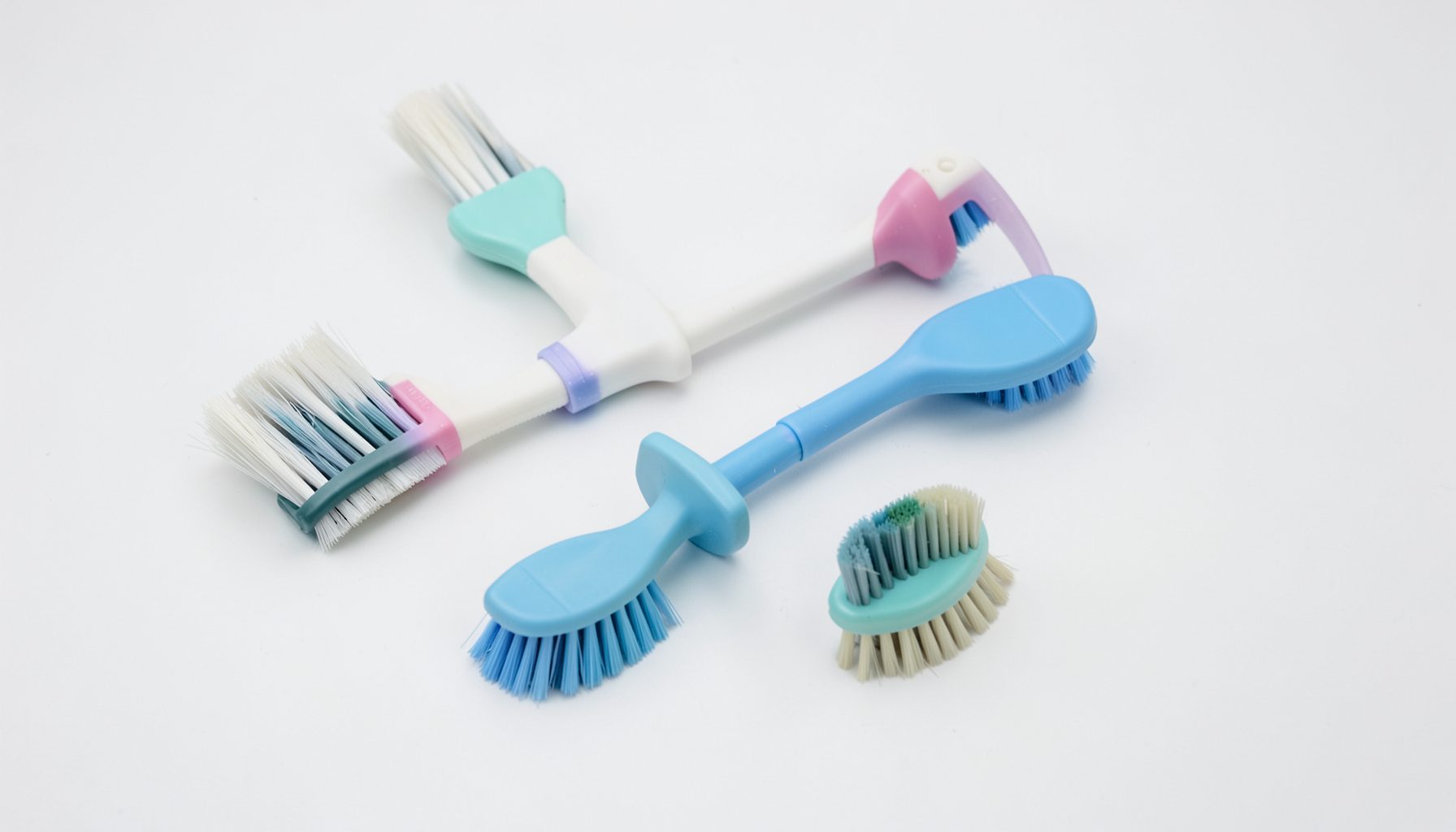
Switch nostrils and repeat. After use, rinse the bottle and let it air dry. Use ResQRinse Premium Cleaning Brushes for thorough cleaning.
The Link Between Dry Air And Sinus Pressure Relief
Dry indoor air can make a stuffy nose feel heavier, tighter, and harder to clear. When humidity drops, the moisture lining inside the nasal passages evaporates more quickly. This may leave mucus thicker than usual and make normal drainage less efficient.
That combination can contribute to sinus pressure, facial fullness, postnasal drip, and irritation. Seasonal heating, air conditioning, high-altitude travel, and naturally arid climates can all reduce the moisture available to the nose and sinuses.
Relief usually comes from restoring moisture, loosening trapped mucus, and reducing exposure to irritants. Nasal saline, adequate fluids, and balanced indoor humidity can work together as part of a comfortable daily routine.
Why Dry Air Changes Nasal Comfort
The nose is designed to warm, filter, and humidify every breath. A thin layer of mucus helps trap dust, pollen, and other particles before they move farther into the respiratory system. In dry conditions, that layer can become less fluid and less effective at moving debris away.
Thicker secretions may linger around the nasal passages and sinus openings. As drainage slows, pressure can develop around the cheeks, forehead, eyes, or bridge of the nose. Some people also notice burning, crusting, frequent nose blowing, or a scratchy throat.
Dryness does not always cause a sinus infection, and pressure can have many sources, including allergies, colds, inflammation, and structural nasal issues. Still, improving moisture levels may make the nose more comfortable and support normal mucus clearance.
How Humidity Affects Sinus Pressure
Indoor humidity that is too low can increase nasal irritation, especially overnight. A bedroom with forced-air heating may leave the nose dry by morning, while repeated mouth breathing can further reduce comfort. Sleeping with the head slightly elevated may help drainage, but moisture is often an important part of the routine.
A cool-mist humidifier can add moisture to the air near the bed or in a frequently used room. It should be cleaned according to the manufacturer’s directions because standing water and dirty components can encourage microbial growth. A hygrometer can help monitor indoor humidity instead of relying on guesswork.
Excess humidity can also be counterproductive. Damp rooms may encourage mold and dust mites, which can worsen allergy symptoms for some people. A balanced environment, regular ventilation, and attention to personal symptoms are more useful than making the air as humid as possible.
Saline Rinsing For Dry, Blocked Passages
Saline rinsing introduces a gentle saltwater solution into the nasal passages. It can help wash away dried mucus, pollen, dust, and other irritants while adding temporary moisture to the nasal lining. For people experiencing pressure from congestion, loosening secretions may make breathing and drainage feel easier.
A squeeze-bottle system gives users control over the flow and pressure of the rinse. ResQRinse products are designed with a Nasal Lock feature intended to help direct the solution through the nasal passages while supporting a comfortable seal. The rinse should feel gentle; forceful pressure is not necessary for effective cleansing.
Water safety is essential. Use distilled, sterile, or previously boiled and cooled water prepared according to product directions, rather than untreated tap water. This safe rinse water guidance is especially important because the nasal passages do not have the same protective barriers as the digestive system.
| Relief approach | How it may help | Important consideration |
|---|---|---|
| Saline nasal rinse | Loosens mucus and rinses away irritants | Use safe water and clean equipment |
| Cool-mist humidifier | Adds moisture to dry indoor air | Clean it regularly to prevent buildup |
| Warm fluids | Supports overall hydration and throat comfort | Avoid very hot liquids |
| Nasal mist | Provides quick, localized moisture | Follow the product’s directions |
| Allergy control | Reduces exposure to common triggers | Symptoms may require professional guidance |
Making A Nasal Rinse More Comfortable
Comfort depends on the solution, temperature, technique, and equipment. Saline packets are formulated to create a balanced rinse when mixed with the correct amount of water. Water that is lukewarm often feels more comfortable than water that is very cold or hot.
Lean over a sink, keep the mouth open, and breathe steadily through it. Place the bottle tip gently against one nostril, allowing the solution to flow without squeezing aggressively. Afterward, let the remaining fluid drain and blow the nose softly rather than forcefully.
Equipment care matters as much as technique. Rinse the bottle and cap after use, allow them to air-dry fully, and use the included cleaning brush where appropriate. Replacing worn parts and following the manufacturer’s cleaning instructions helps keep the system ready for regular use.
The design principles behind this approach are explained in Nasal Lock technology, including how a more secure fit may support a controlled rinse. Children should use age-appropriate products with supervision and instructions suited to their needs.
Choosing The Right Moisture Support
A nasal rinse may be useful when pressure is linked to thick mucus, environmental particles, or dryness. A nasal mist can be more convenient when someone wants quick moisture without performing a full rinse. These options serve different purposes, and some people may use them at separate times of day.
Hydration also contributes to overall comfort. Drinking fluids regularly may help the body maintain normal secretions, although extra water is not a guaranteed treatment for sinus disease. Limiting smoke, strong fragrances, and dusty air can reduce additional irritation.
A practical routine might include a saline rinse after outdoor exposure, a clean humidifier at night, and a nasal mist during travel or in particularly dry spaces. The best option depends on symptom frequency, sensitivity, age, and the advice of a healthcare professional.
Practical Habits For Drier Months
- Check bedroom humidity and aim for a comfortable, moderate range rather than excessive moisture.
- Drink fluids throughout the day and limit exposure to smoke, dust, and strong scents.
- Use distilled, sterile, or properly boiled and cooled water for nasal irrigation.
- Clean and dry the rinse bottle after every use, replacing components as directed.
- Choose child-specific equipment and supervise children during every rinse.
When Pressure Needs Medical Attention
Dry air can contribute to discomfort, but persistent or severe symptoms deserve closer attention. Contact a healthcare professional if facial pain is intense, symptoms keep returning, fever develops, or congestion lasts longer than expected. A clinician can evaluate allergies, infection, polyps, a deviated septum, medication effects, or other causes.
Stop a rinse if it causes significant pain, ear pressure, nosebleeding, or worsening symptoms. People with recent nasal surgery, frequent nosebleeds, or certain medical conditions should ask a healthcare professional whether irrigation is appropriate.
Congestion can occur with respiratory illnesses, including COVID-19. A nasal rinse may help clear mucus and improve comfort for some people, but it does not diagnose, prevent, or cure the infection. Guidance on COVID-19 congestion should be considered alongside testing, isolation guidance, and medical advice when relevant.
Build A Consistent Relief Routine
The connection between dry air and sinus pressure becomes easier to manage when moisture support is consistent rather than occasional. Combining a balanced indoor environment with careful saline care may reduce the cycle of dryness, thick mucus, and irritation.
ResQRinse offers squeeze-bottle systems, children’s versions, saline packets, cleaning brushes, complete kits, and nasal mist for different household routines. Explore the available options through Walmart or Amazon, and select a product that fits your comfort needs, age requirements, and preferred method of nasal care.