ResQRinse is the nasal irrigation squeeze bottle that eliminates head-tilting and awkward neck positions. Using proprietary Nasal Lock™ technology, it delivers a comfortable, gag-free sinus cleanse — no more saline dripping down your throat.

Relief From Fall Sneezes
Now sold on Walmart.com. Free shipping on orders $30+. Try ResQRinse today with your everyday purchases.
Shop at WalmartWhy ResQRinse?
Nasal rinsing helps relieve congestion from colds, allergies, sinusitis, hay fever, and environmental pollutants. ResQRinse makes it comfortable enough to become a daily habit.
Nasal Lock™ Technology
Isolates sinuses from the throat using natural choanal occlusion — like inflating a balloon — so saline stays where it belongs.
Learn more →
Drug-Free Relief
Uses premixed saline packets with distilled water. No medications, no preservatives — just a natural cleanse for your nasal passages.
How to rinse →
For Kids Too
ResQRinse for Kids features a comfort nasal tip right-sized for smaller nostril openings, making rinsing gentle and easy for children.
Shop kids' version →
Breath-Controlled Flow
You control the saline flow with your own breath pressure — high volume, low pressure irrigation that's comfortable and effective.
Watch how-to videos →
Better Compliance
Designed to overcome the gagging and discomfort that cause people to abandon traditional neti pots and nasal rinse systems.
Our story →
Complete Kits Available
From the basic ResQRinse Nasal Rinse System ($19.99) to 90-day complete kits, saline packets, cleaning brushes, and Sinoptim Nasal Mist.
Browse all products →Get Started with ResQRinse
Ready to experience a better nasal rinse? Fill out the form below and we'll help you find the right product — or follow the simple steps to begin rinsing today.
Request More Information
How to Use ResQRinse
Fill the Bottle
Fill the ResQRinse squeeze bottle with distilled or previously boiled water and add one premixed saline packet.
Position the Tip
Place the comfort tip gently against one nostril. No head-tilting or awkward neck angles needed.
Squeeze & Breathe
Squeeze the bottle gently while breathing through your mouth. Nasal Lock™ keeps saline in your nasal passages and out of your throat.
Repeat & Clean
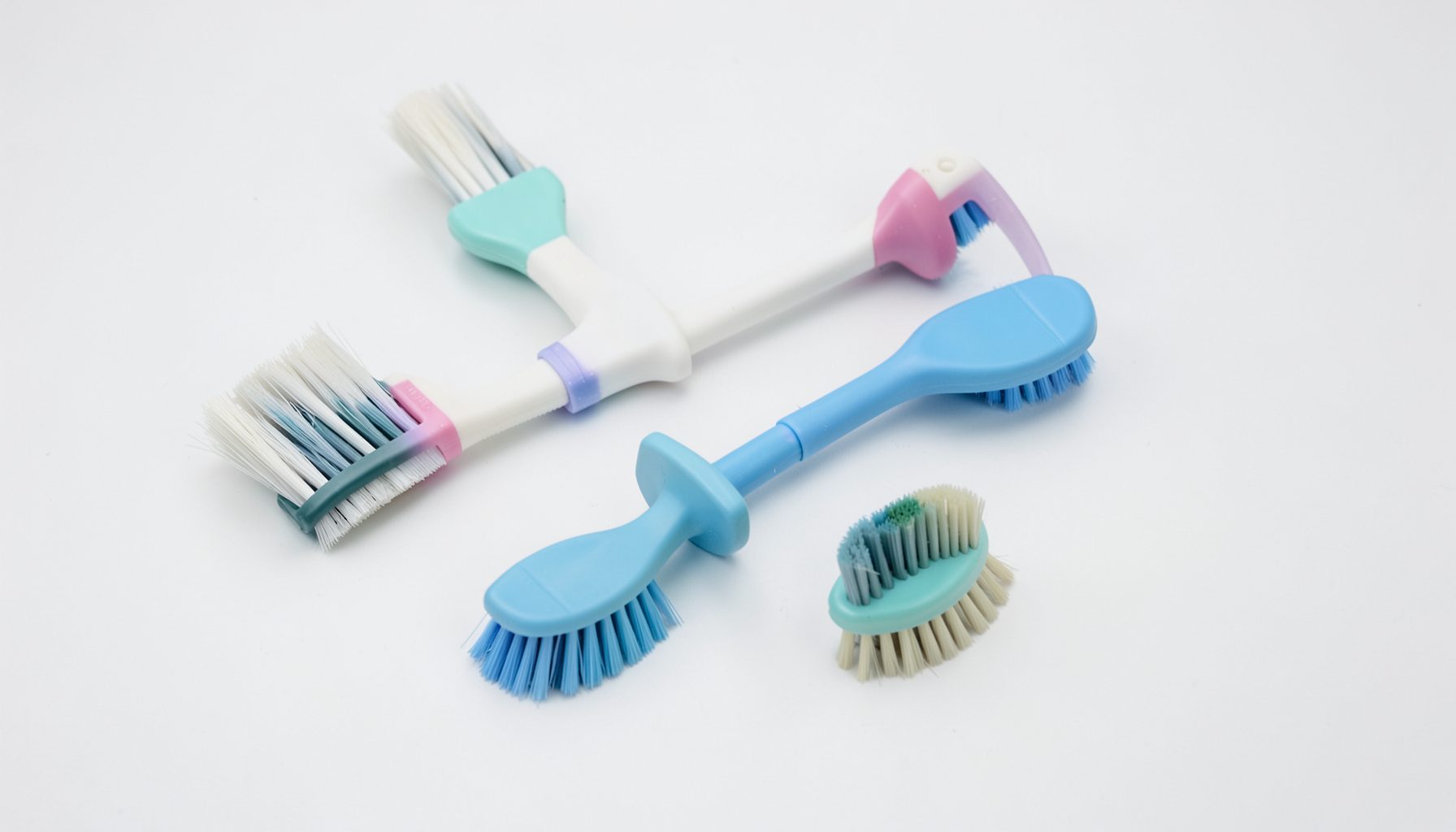
Switch nostrils and repeat. After use, rinse the bottle and let it air dry. Use ResQRinse Premium Cleaning Brushes for thorough cleaning.
How Nasal Lock Technology Supports A Better Rinse
Nasal irrigation is based on a simple physiological idea: a gentle stream of saline solution can help loosen mucus, dilute irritants, and wash particles from the nasal passages. The quality of that experience depends on more than the solution itself. Flow direction, bottle control, comfort, and the fit around the nostril all influence whether a rinse feels effective and easy to use.
ResQRinse Nasal Lock technology is designed to address the connection between the bottle and the nose. Rather than treating the nozzle as a simple opening, the system uses its shape and positioning to help create a more controlled seal during irrigation. That design can support a steadier path for saline while reducing the mess associated with poorly fitted rinse devices.
Understanding the science behind ResQRinse Nasal Lock technology requires looking at fluid movement, nasal anatomy, pressure, and user technique together. It is not a substitute for medical treatment, and it cannot guarantee that every user will experience identical results. Its purpose is to make a familiar cleansing method more controlled and comfortable.
Why Saline Irrigation Works
The nasal cavity is lined with mucous membranes that warm, humidify, and filter incoming air. Mucus traps dust, pollen, and other particles, while tiny hair-like structures called cilia help move that material toward the throat. When allergies, infections, dry air, or environmental exposure increase mucus production, this natural clearance system may become less efficient.
A saline rinse adds a larger volume of fluid to that process. Isotonic saline, which has a salt concentration close to that of body fluids, is generally formulated to feel comfortable and avoid drawing excessive water into or out of nasal tissues. A rinse can help soften thick secretions and carry away suspended particles when it passes through the nasal passages.
The rinse itself does not need to be forceful to be useful. Excessive pressure may feel unpleasant and can encourage fluid to travel toward areas where it is not wanted. A well-designed system therefore aims for predictable delivery rather than maximum force.
The Role Of The Nasal Seal
A nasal irrigation bottle works best when the nozzle and nostril form a reasonably stable contact point. This seal helps direct saline into the nasal passage instead of allowing it to spill around the outside of the nose. The seal does not need to be airtight; nasal irrigation requires a controlled interface, not a vacuum.
ResQRinse’s Nasal Lock design is intended to help the user maintain that interface while squeezing the bottle. The geometry of the tip can assist with positioning and reduce the need to press the nozzle deeply into the nostril. With a more consistent fit, the user can focus on a gentle, even squeeze rather than constantly adjusting the bottle.
This matters because small changes in angle can alter the fluid path. If the tip shifts, saline may leak externally, the stream may become less predictable, or the user may instinctively increase pressure to compensate. A supportive nozzle design can make the relationship between hand pressure and fluid delivery easier to control.
Fluid Dynamics In A Squeeze Bottle
When a user squeezes a rinse bottle, pressure inside the flexible container rises. That pressure pushes saline through the nozzle and into the nasal passage. The amount of fluid delivered depends on several factors, including squeeze strength, bottle flexibility, nozzle dimensions, the seal at the nostril, and the resistance created by the nasal pathway.
Nasal Lock technology does not change the basic laws of fluid dynamics. Its potential value lies in managing the interface where those forces meet the body. A stable contact can help minimize side leakage and make the pressure generated by the squeeze more useful for moving saline forward.
| Design factor | What it influences | Why it matters during a rinse |
|---|---|---|
| Nozzle shape | Contact with the nostril | Helps support positioning and reduce external spill |
| Bottle flexibility | Pressure produced by squeezing | Allows the user to adjust flow with hand strength |
| Saline volume | Length and coverage of the rinse | Provides enough solution for a practical session |
| Seal consistency | Direction of fluid movement | Can make delivery feel steadier and more controlled |
| User posture | Route taken by saline | Supports drainage through the opposite nostril or mouth |
The nasal passages are not straight tubes. They contain ridges and narrow areas that create resistance, so a rinse may change direction as it moves through the cavity. For this reason, a comfortable, moderate squeeze is generally preferable to sudden force. The nozzle can support the process, but it cannot override individual anatomy.
Comfort, Control, And User Technique
Comfort is an important part of nasal irrigation because discomfort often leads people to stop or use the device incorrectly. A nozzle that feels too large, presses sharply against the nostril, or requires awkward positioning can make the experience less consistent. The aim of a nasal lock is to provide enough contact for control without requiring forceful insertion.
Posture also affects how saline flows. Leaning over a sink, keeping the mouth open, and turning the head slightly to one side can encourage drainage. The bottle should be held so the nozzle remains aligned with the nasal passage, while the squeeze should be slow enough to let the user respond to pressure or discomfort.
An effective routine depends on technique as well as product design. Users should follow the instructions supplied with their specific system, use the recommended saline mixture, and avoid attempting to force fluid through a blocked or painful passage. ResQRinse provides usage guidance that can help explain practical aspects of nasal rinsing and routine care.
Comparing The Design With Traditional Neti Pots
A neti pot relies primarily on gravity. The user fills the pot, places its spout against one nostril, and tilts the head so saline flows through the nose. This method can be gentle, but it requires careful coordination of head position, spout placement, and pouring speed.
A squeeze bottle uses manually generated pressure instead. That gives the user more direct control over the pace and volume of delivery. Nasal Lock technology adds a design feature at the nostril interface, helping the system stay positioned while the bottle is compressed. The result is a different balance of control and convenience rather than a claim that one approach is universally better.
| Feature | Nasal Lock squeeze system | Traditional neti pot |
|---|---|---|
| Main driving force | Hand-generated pressure | Gravity |
| Flow adjustment | Controlled by squeeze strength | Controlled by tilt and reservoir height |
| Nasal interface | Shaped nozzle designed for a stable fit | Open spout placed against the nostril |
| Portability | Compact bottle-based format | Often bulkier and more rigid |
| User control | Easy to pause or reduce pressure | Requires changing the pouring angle |
People may prefer different formats depending on dexterity, comfort, and routine. The ResQRinse product range includes rinse systems and related options intended for different household needs, including children’s products, saline packets, cleaning accessories, and nasal mist.
Safety Depends On More Than Hardware
Safe nasal irrigation requires water that is appropriate for the purpose. Users should follow the product instructions and use distilled, sterile, or properly treated water as directed. Tap water may contain microorganisms that are harmless when swallowed but unsafe when introduced into the nasal passages. Saline should also be mixed accurately, since an overly concentrated or weak solution may sting.
Cleaning is another essential part of the science and safety of the routine. Moist environments can support microbial growth if equipment is not emptied, washed, dried, and stored properly. Bottles, nozzles, and brushes should be maintained according to the manufacturer’s instructions, and damaged or persistently discolored parts should be replaced.
Nasal irrigation may not be appropriate in every situation. People with frequent nosebleeds, recent nasal surgery, severe obstruction, significant ear pressure, or unusual pain should seek guidance from a healthcare professional. Stop using the system if symptoms worsen, and consult a clinician when congestion, facial pain, fever, or discharge persists.
Building A Consistent Rinse Routine
A practical routine helps the technology work as intended. Before starting, prepare the correct saline solution, check that the bottle and nozzle are clean, and position yourself over a sink. During the rinse, use a relaxed posture and gradual pressure. Afterward, allow the nose to drain naturally rather than blowing forcefully.
A stable seal is useful, but it should never be created by pushing the nozzle aggressively into the nostril. Nasal anatomy varies, and the best position is the one that feels secure without pain. If saline leaks around the nozzle, adjust the angle and pressure before trying to squeeze harder.
The brand’s background and approach provide additional context on how ResQRinse products are designed around comfort and ease of use. Nasal Lock technology is best understood as one part of a complete system that includes saline quality, bottle ergonomics, cleaning, posture, and responsible use.
Practical Ways To Get Better Results
Several habits can make nasal irrigation more comfortable and consistent:
- Use the correct saline packet or accurately prepared solution rather than plain water.
- Choose distilled, sterile, or properly treated water in line with the instructions.
- Squeeze gently and steadily; increased force is not a reliable measure of effectiveness.
- Keep the nozzle clean, allow the bottle to dry fully, and replace worn components.
- Stop if pain, ear pressure, bleeding, or worsening symptoms develops.
Nasal Lock technology is therefore less about creating powerful pressure than about making pressure easier to direct. By supporting the seal between the nozzle and nostril, the design may help reduce leakage and give users a more predictable rinse. The experience still depends on individual anatomy and careful technique, but a controlled interface can make the process feel simpler.
For people looking to add nasal irrigation to a congestion or allergy-care routine, explore the ResQRinse systems, saline options, and accessories available through the brand’s product collection. Use the device as directed, prioritize water and cleaning safety, and contact a healthcare professional when symptoms are severe, persistent, or unusual.