ResQRinse is the nasal irrigation squeeze bottle that eliminates head-tilting and awkward neck positions. Using proprietary Nasal Lock™ technology, it delivers a comfortable, gag-free sinus cleanse — no more saline dripping down your throat.

Relief From Fall Sneezes
Now sold on Walmart.com. Free shipping on orders $30+. Try ResQRinse today with your everyday purchases.
Shop at WalmartWhy ResQRinse?
Nasal rinsing helps relieve congestion from colds, allergies, sinusitis, hay fever, and environmental pollutants. ResQRinse makes it comfortable enough to become a daily habit.
Nasal Lock™ Technology
Isolates sinuses from the throat using natural choanal occlusion — like inflating a balloon — so saline stays where it belongs.
Learn more →
Drug-Free Relief
Uses premixed saline packets with distilled water. No medications, no preservatives — just a natural cleanse for your nasal passages.
How to rinse →
For Kids Too
ResQRinse for Kids features a comfort nasal tip right-sized for smaller nostril openings, making rinsing gentle and easy for children.
Shop kids' version →
Breath-Controlled Flow
You control the saline flow with your own breath pressure — high volume, low pressure irrigation that's comfortable and effective.
Watch how-to videos →
Better Compliance
Designed to overcome the gagging and discomfort that cause people to abandon traditional neti pots and nasal rinse systems.
Our story →
Complete Kits Available
From the basic ResQRinse Nasal Rinse System ($19.99) to 90-day complete kits, saline packets, cleaning brushes, and Sinoptim Nasal Mist.
Browse all products →Get Started with ResQRinse
Ready to experience a better nasal rinse? Fill out the form below and we'll help you find the right product — or follow the simple steps to begin rinsing today.
Request More Information
How to Use ResQRinse
Fill the Bottle
Fill the ResQRinse squeeze bottle with distilled or previously boiled water and add one premixed saline packet.
Position the Tip
Place the comfort tip gently against one nostril. No head-tilting or awkward neck angles needed.
Squeeze & Breathe
Squeeze the bottle gently while breathing through your mouth. Nasal Lock™ keeps saline in your nasal passages and out of your throat.
Repeat & Clean
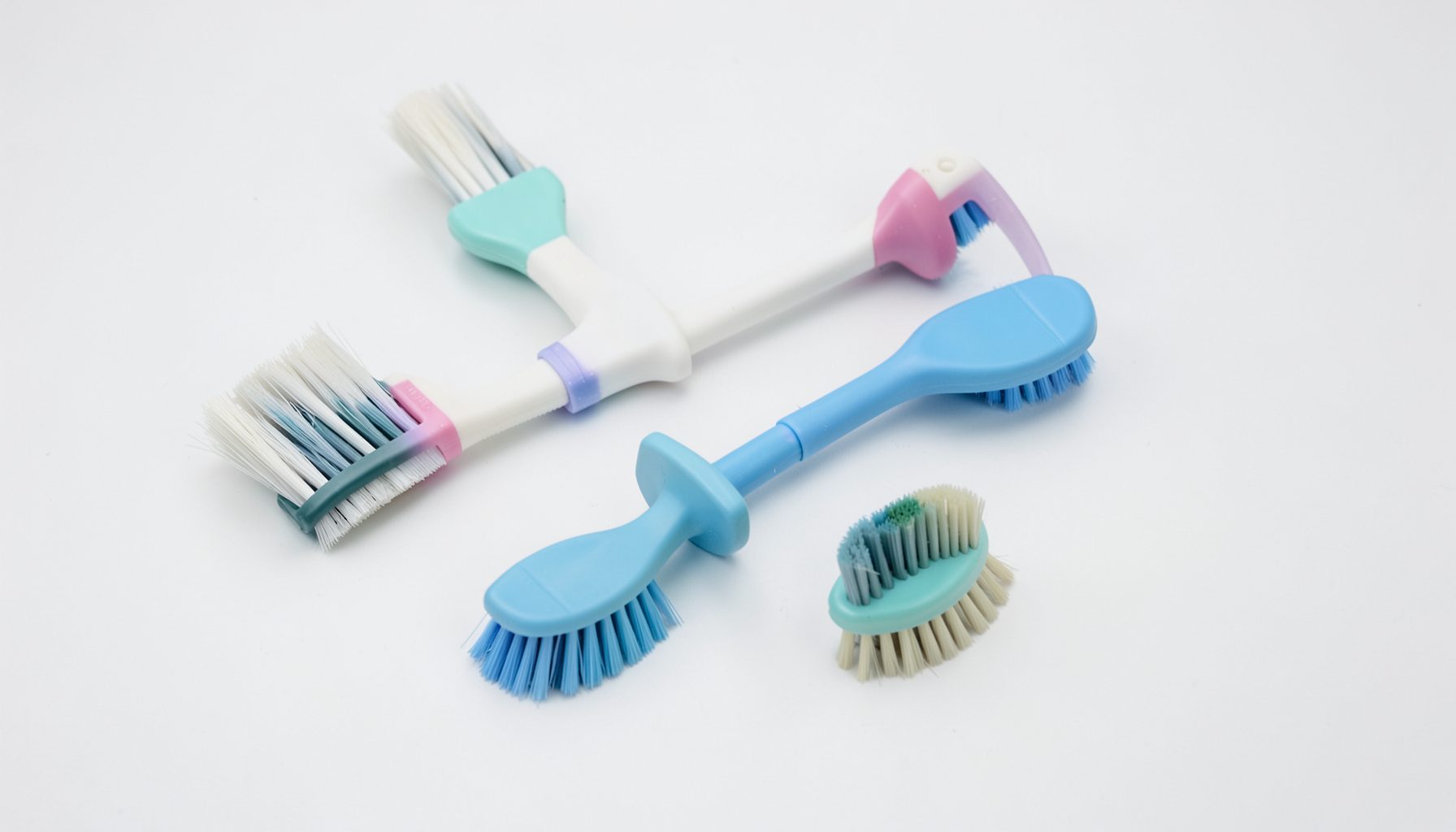
Switch nostrils and repeat. After use, rinse the bottle and let it air dry. Use ResQRinse Premium Cleaning Brushes for thorough cleaning.
How to Warm Saline Solution Without a Microwave
A nasal rinse is usually most comfortable when the saline solution is close to body temperature. Water that is too cold can feel startling, while water that is too hot may irritate the delicate lining of the nose. The goal is a gentle, lukewarm rinse rather than a noticeably warm one.
A microwave can create uneven hot spots, even when the liquid feels cool in one area. It may also make it harder to judge the temperature safely, especially when heating a small amount of water. Fortunately, several simple methods can warm nasal irrigation solution evenly without using a microwave.
With a clean container, safe water, and a little patience, you can prepare a comfortable rinse for congestion, seasonal allergies, sinus pressure, or dry nasal passages. The same approach works with squeeze-bottle systems, children’s rinse bottles, and saline packets.
Why Saline Temperature Matters
The nasal passages are sensitive to sudden temperature changes. A solution that is too cold may cause discomfort or make the rinse feel more intense than necessary. A lukewarm solution tends to move through the nose more naturally and can make the overall process easier to tolerate.
Avoid making the solution hot. Heat can irritate nasal tissue, and a bottle that feels merely warm in your hand may still be too hot when liquid reaches the inside of the nose. If the solution feels uncomfortable on the skin of your wrist, let it cool before using it.
Temperature is separate from water safety. Always use distilled or sterile water, or tap water that has been boiled and cooled according to public-health guidance. Do not use untreated tap water in a nasal rinse, even if it has been warmed.
Safe Ways To Warm Nasal Rinse Solution
The simplest method is to place the prepared solution in a clean cup or container and allow it to sit at room temperature. This may be sufficient if your home is comfortable and the water is not especially cold. Stir gently before filling the rinse bottle so the saline is evenly distributed.
For faster warming, place the sealed or covered container in a bowl of warm water. The surrounding water should feel comfortably warm, never scalding. Leave the saline container in the water for a few minutes, swirl it gently, and test a drop on the inside of your wrist before transferring it to the irrigation bottle.
You can also start with water that has been boiled for safety and then allowed to cool to lukewarm before adding the saline packet. This approach requires planning because boiling water must cool fully. Never pour freshly boiled water into a nasal rinse bottle and use it immediately.
Comparing Gentle Warming Options
Each method has a different balance of speed, control, and convenience. The best choice depends on whether you are preparing one rinse at home, traveling, or establishing a daily routine.
| Warming method | Temperature control | Approximate time | Important safety point |
|---|---|---|---|
| Room-temperature rest | Very good | 15–30 minutes | Keep the covered solution clean |
| Warm-water bath | Good | 3–8 minutes | Use warm, not hot, surrounding water |
| Boil and cool | Good after cooling | 20–40 minutes | Wait until the solution is lukewarm |
| Warm water from a safe source | Moderate | 1–3 minutes | Confirm the water is appropriate for nasal use |
| Holding the filled bottle in warm hands | Limited | 5–10 minutes | Useful only for a small temperature adjustment |
A warm-water bath is often the most practical alternative to a microwave. It warms the container gradually and reduces the likelihood of hot spots. A thermometer designed for liquid temperature can provide extra reassurance, but a wrist test is still useful before rinsing.
Do not warm a filled bottle by placing it on a stovetop, in boiling water, or against a direct heat source. Excessive heat can damage some materials, distort the bottle, or make the solution unsafe to use.
Preparing The Solution Correctly
Begin with a clean rinse bottle and freshly prepared saline. Follow the instructions supplied with your saline packets because packet amounts are formulated for a particular volume of water. Too little salt may cause stinging, while too much can feel harsh or drying.
After mixing, close the container and swirl or shake it gently until the powder dissolves. If you are using a ResQRinse system, its design is intended to help create a controlled flow. You can learn more about the system’s Nasal Lock technology before choosing the technique that feels most comfortable.
Test the solution before use. Place a few drops on the inside of your wrist, where the skin is sensitive. It should feel neutral or mildly warm, not hot. If there is any doubt, wait a few more minutes and test it again.
Use the solution promptly after preparation, and follow the product’s cleaning and storage instructions. Empty leftover solution rather than saving it for another rinse unless the manufacturer specifically provides a safe storage procedure.
Common Mistakes To Avoid
One frequent mistake is relying on the outside of the bottle to judge temperature. Plastic may not transfer heat quickly, so the container can feel comfortable while the liquid inside is warmer than expected. Swirl the solution and test a drop directly.
Another problem is adding salt before the water has reached a safe temperature. Saline packets dissolve in warm or room-temperature water, so there is no need to expose the mixture to high heat. If water has been boiled, cool it first, then mix the solution.
Keep the bottle, cap, nozzle, and any cleaning brush clean and completely dry between uses. Follow the instructions for replacing components, particularly if the bottle becomes cloudy, cracked, or difficult to clean. Children should use a nasal rinse only with suitable supervision and equipment designed for their age.
If rinsing causes persistent pain, nosebleeds, ear pressure, or worsening symptoms, stop and seek advice from a qualified healthcare professional. People with certain ear, nasal, or immune-system conditions may need specific guidance before using irrigation.
Making Nasal Irrigation More Comfortable
Temperature is only one part of a comfortable rinse. Use a relaxed posture, breathe through your mouth, and avoid squeezing the bottle too forcefully. A gentle, steady flow can be easier to manage than sudden pressure.
Many people rinse before another nasal treatment because clearing mucus and allergens may help the next product contact the nasal lining more effectively. The timing and order depend on the product directions, so review guidance on rinsing before spray when combining nasal irrigation with a nasal spray.
Those with allergy-related congestion may also use irrigation as part of a broader routine that limits exposure to triggers. If dust is a concern, information about dust mite allergy symptoms can help explain why nasal cleansing may feel useful, while reminding you that rinsing does not replace medical allergy treatment.
Practical Tips For A Reliable Routine
A consistent preparation routine makes it easier to get the temperature right each time:
- Prepare only the amount of saline needed for the current rinse.
- Use distilled, sterile, or properly boiled and cooled water.
- Warm the solution gradually in a covered container of warm water.
- Test the liquid on your wrist before filling or using the bottle.
- Clean and air-dry the irrigation system according to its instructions.
A small clean measuring cup, a covered bowl, and a dedicated liquid thermometer can make the process more predictable. If you rinse in the morning, prepare safe water in advance and let it reach a comfortable temperature while you complete another part of your routine.
Children may need an especially gentle flow and a smaller, age-appropriate device. Keep the solution lukewarm, supervise the rinse, and stop if the child reports pain or significant discomfort.
The most dependable microwave-free approach is a warm-water bath combined with a wrist test. It offers even heating without exposing the saline to sudden, uncontrolled heat. With safe water, the correct saline ratio, and a clean ResQRinse system, a comfortable nasal rinse can become a simple part of managing everyday congestion and nasal irritation. Explore the available rinse systems, saline packets, and accessories through ResQRinse’s online retail partners, then follow the product directions each time you prepare a solution.