ResQRinse is the nasal irrigation squeeze bottle that eliminates head-tilting and awkward neck positions. Using proprietary Nasal Lock™ technology, it delivers a comfortable, gag-free sinus cleanse — no more saline dripping down your throat.

Relief From Fall Sneezes
Now sold on Walmart.com. Free shipping on orders $30+. Try ResQRinse today with your everyday purchases.
Shop at WalmartWhy ResQRinse?
Nasal rinsing helps relieve congestion from colds, allergies, sinusitis, hay fever, and environmental pollutants. ResQRinse makes it comfortable enough to become a daily habit.
Nasal Lock™ Technology
Isolates sinuses from the throat using natural choanal occlusion — like inflating a balloon — so saline stays where it belongs.
Learn more →
Drug-Free Relief
Uses premixed saline packets with distilled water. No medications, no preservatives — just a natural cleanse for your nasal passages.
How to rinse →
For Kids Too
ResQRinse for Kids features a comfort nasal tip right-sized for smaller nostril openings, making rinsing gentle and easy for children.
Shop kids' version →
Breath-Controlled Flow
You control the saline flow with your own breath pressure — high volume, low pressure irrigation that's comfortable and effective.
Watch how-to videos →
Better Compliance
Designed to overcome the gagging and discomfort that cause people to abandon traditional neti pots and nasal rinse systems.
Our story →
Complete Kits Available
From the basic ResQRinse Nasal Rinse System ($19.99) to 90-day complete kits, saline packets, cleaning brushes, and Sinoptim Nasal Mist.
Browse all products →Get Started with ResQRinse
Ready to experience a better nasal rinse? Fill out the form below and we'll help you find the right product — or follow the simple steps to begin rinsing today.
Request More Information
How to Use ResQRinse
Fill the Bottle
Fill the ResQRinse squeeze bottle with distilled or previously boiled water and add one premixed saline packet.
Position the Tip
Place the comfort tip gently against one nostril. No head-tilting or awkward neck angles needed.
Squeeze & Breathe
Squeeze the bottle gently while breathing through your mouth. Nasal Lock™ keeps saline in your nasal passages and out of your throat.
Repeat & Clean
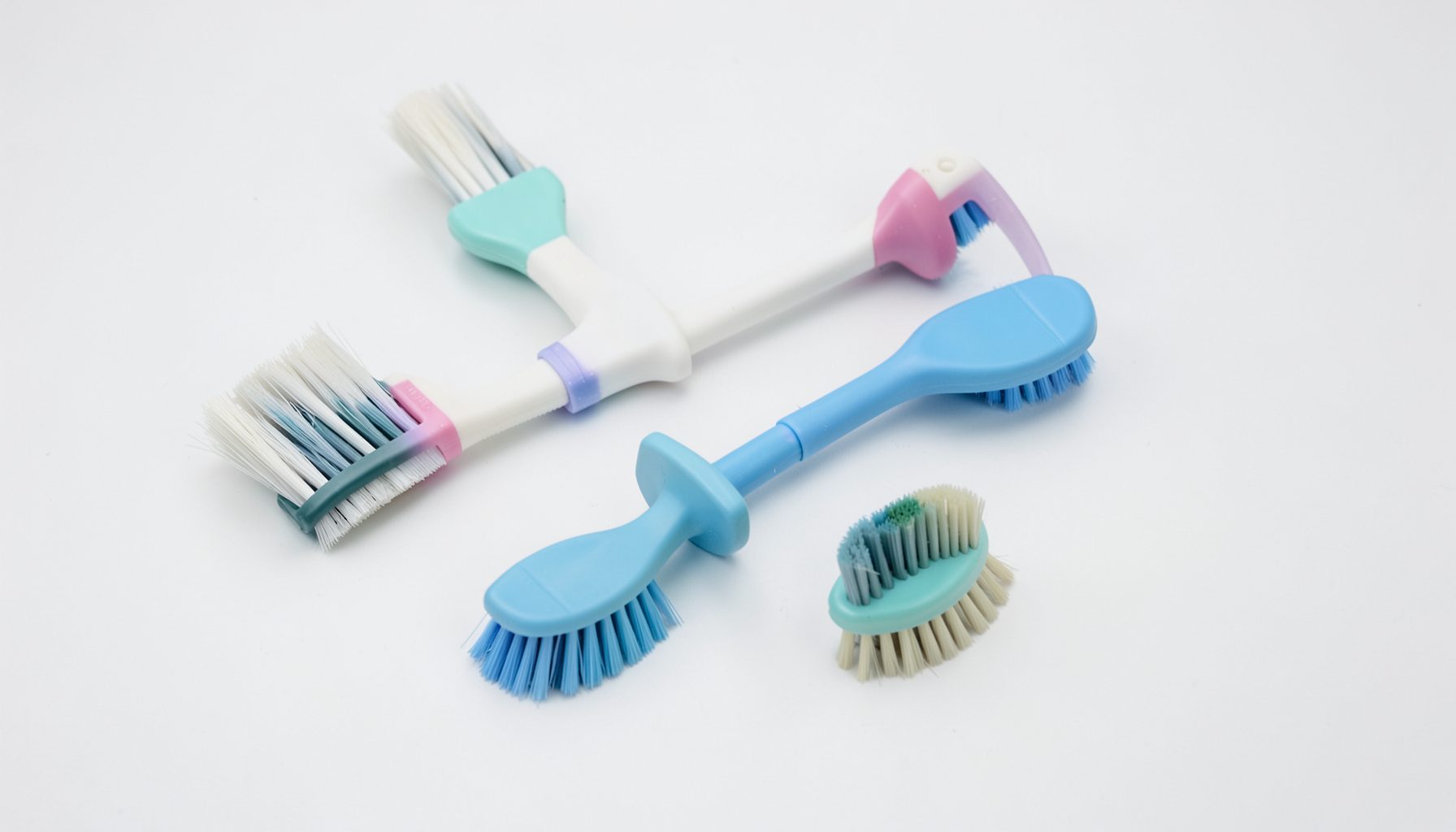
Switch nostrils and repeat. After use, rinse the bottle and let it air dry. Use ResQRinse Premium Cleaning Brushes for thorough cleaning.
Can Nasal Rinse Help With Dust Mite Allergy Symptoms
Dust mite allergies can cause a persistent stuffy or runny nose, sneezing, itchy nasal passages, postnasal drip, and pressure around the sinuses. Symptoms often feel worse indoors, especially in bedrooms, where microscopic mites live in bedding, mattresses, carpets, and upholstered furniture. Because dust mites are present year-round, nasal irritation may continue even when seasonal pollen counts are low.
A saline nasal rinse may help wash away some of the allergens and mucus that collect inside the nasal passages. It does not eliminate dust mites from the home or cure an allergy, but it can be a useful part of a broader symptom-management routine.
The effectiveness and comfort of nasal irrigation depend on using the right saline solution, clean equipment, and safe water. A squeeze-bottle system such as ResQRinse can provide controlled flushing while helping users establish a consistent routine for allergy-related congestion.
Why Dust Mites Trigger Nasal Symptoms
Dust mites are tiny organisms that commonly live in household dust. Their waste particles and body fragments can become airborne and enter the nose during cleaning, changing bedding, or moving through a room. In people with an allergy, the immune system treats these particles as harmful and releases chemicals that cause inflammation.
This allergic response can swell the nasal tissues and increase mucus production. The result may be a blocked nose, frequent sneezing, watery drainage, nasal itching, or a sensation of pressure. Some people also experience coughing or throat irritation when mucus drains backward.
Symptoms may be especially noticeable after waking because mattresses and pillows can contain dust mite allergens. Spending time in carpeted rooms or handling blankets can also provoke a response. Identifying these patterns can help determine when a nasal rinse may be most useful.
How Saline Irrigation May Help
A nasal rinse uses a saline solution to flow through one nostril and out the other, carrying mucus, allergens, and irritants with it. This physical cleansing action is different from an oral allergy medicine, which works throughout the body, or a nasal spray, which delivers medication to the nasal lining.
For dust mite exposure, rinsing may reduce the amount of allergen remaining inside the nose after cleaning, sleeping, or spending time in a dusty environment. Saline can also help loosen thick mucus and moisturize irritated nasal tissue. These effects may make breathing more comfortable and reduce the feeling of nasal blockage.
A rinse is generally a supportive measure rather than a complete treatment. Research and clinical experience suggest that nasal irrigation can ease symptoms for some people with allergic rhinitis, but results vary. For a broader routine, ResQRinse’s allergy rinse guide explains how to incorporate irrigation into seasonal and environmental allergy care.
What Relief Can and Cannot Do
Nasal irrigation may provide temporary relief from congestion, drainage, and irritation. Some users prefer rinsing in the evening so allergens encountered during the day are removed before sleep. Others rinse in the morning to clear overnight mucus and prepare the nose for the day.
It is important to understand that saline does not prevent the immune system from reacting to dust mite proteins. It also cannot remove allergens from bedding, carpets, curtains, or upholstered furniture. Symptoms may return if exposure continues, even when a rinse provides short-term comfort.
People with severe congestion may find that fluid does not pass easily through the nasal passages. A rinse should never be forced. Anyone with frequent sinus infections, significant nosebleeds, recent nasal surgery, severe pain, or unusual symptoms should seek medical advice before beginning regular irrigation.
Using a Nasal Rinse Safely
Water safety is essential. Use distilled or sterile water, or tap water that has been boiled and cooled according to public health guidance. Do not use untreated tap water in a nasal rinse. Prepare the saline solution with the recommended packet or an appropriate measured mixture, since water that is too salty or too weak can sting and irritate the nose.
Wash your hands before preparing the rinse. Follow the device instructions, lean over a sink, breathe through your mouth, and allow the solution to flow gently. A squeeze bottle should be compressed gradually rather than forcefully. ResQRinse’s FAQ resources provide additional information about preparation, cleaning, and product use.
Rinse the bottle and its parts after each use, then allow them to air-dry completely. Replace components as recommended by the manufacturer. Sharing a nasal irrigation device can spread germs, so each person should use their own equipment. Children should use an age-appropriate product with adult supervision.
Comparing Ways to Manage Nasal Congestion
Nasal irrigation is one part of dust mite allergy care. Environmental changes can reduce exposure, while medicines may control the underlying allergic response. The best combination depends on symptom severity, age, medical history, and advice from a healthcare professional.
| Approach | Main purpose | Helpful consideration |
|---|---|---|
| Saline nasal rinse | Removes mucus, allergens, and irritants | Use safe water and clean equipment |
| Saline nasal mist | Moisturizes and refreshes nasal passages | Convenient when a full rinse is not practical |
| Antihistamine medicine | Reduces sneezing, itching, and runny nose | Follow label directions and check for interactions |
| Corticosteroid nasal spray | Controls nasal inflammation | Consistent use may be needed for best results |
| Allergen-resistant covers | Limits exposure from mattresses and pillows | Wash bedding regularly in hot water when appropriate |
| Professional allergy care | Assesses persistent or severe symptoms | May include testing or personalized treatment |
A squeeze-bottle rinse may be preferable to a traditional neti pot for people who want a more directed flow and an easier-to-grip design. Some systems also include saline packets, cleaning brushes, or child-sized options. Product features should support safe, comfortable use rather than encourage excessive pressure or frequency.
Building a Dust Mite Allergy Routine
Reducing exposure at home can make nasal symptom management more effective. Encase mattresses and pillows in allergen-resistant covers, wash bedding regularly according to its care instructions, reduce bedroom clutter, and clean floors with methods that limit airborne dust. Keeping indoor humidity at a moderate level may also help discourage dust mite growth.
Use a rinse when symptoms or exposure make it appropriate, such as after cleaning a dusty room or before bedtime. Avoid rinsing immediately after using a medicated nasal spray unless a healthcare professional or product instructions recommend that sequence, because irrigation could wash medication away.
A practical routine may include these steps:
- Keep a dedicated, clean nasal rinse device for personal use.
- Use sterile, distilled, or properly boiled and cooled water every time.
- Rinse gently when congestion, mucus, or allergen exposure is noticeable.
- Wash bedding and use protective covers to reduce bedroom allergens.
- Contact a healthcare professional if symptoms persist, worsen, or interfere with sleep.
When to Seek Medical Guidance
Occasional congestion linked to dust exposure may respond to home care, but ongoing symptoms deserve attention. Consult a clinician if nasal blockage lasts for weeks, sleep is regularly disrupted, breathing is difficult, or symptoms do not improve with reasonable environmental measures.
Medical guidance is especially important for young children, people with immune system conditions, anyone recovering from nasal surgery, and those with recurring nosebleeds or severe sinus pain. A clinician can distinguish dust mite allergy from infection, nonallergic rhinitis, asthma-related symptoms, or another condition.
An allergist may recommend testing to identify specific triggers and discuss antihistamines, nasal corticosteroids, immunotherapy, or other treatments. Nasal irrigation can often complement these options, but it should fit within an individualized care plan.
If dust mite exposure leaves your nose congested or irritated, a properly prepared saline rinse may offer gentle, temporary relief while you address the source of the allergens. Explore a ResQRinse system that matches your needs, follow safe-use instructions, and make nasal care part of a consistent strategy for a clearer, more comfortable day.