ResQRinse is the nasal irrigation squeeze bottle that eliminates head-tilting and awkward neck positions. Using proprietary Nasal Lock™ technology, it delivers a comfortable, gag-free sinus cleanse — no more saline dripping down your throat.

Relief From Fall Sneezes
Now sold on Walmart.com. Free shipping on orders $30+. Try ResQRinse today with your everyday purchases.
Shop at WalmartWhy ResQRinse?
Nasal rinsing helps relieve congestion from colds, allergies, sinusitis, hay fever, and environmental pollutants. ResQRinse makes it comfortable enough to become a daily habit.
Nasal Lock™ Technology
Isolates sinuses from the throat using natural choanal occlusion — like inflating a balloon — so saline stays where it belongs.
Learn more →
Drug-Free Relief
Uses premixed saline packets with distilled water. No medications, no preservatives — just a natural cleanse for your nasal passages.
How to rinse →
For Kids Too
ResQRinse for Kids features a comfort nasal tip right-sized for smaller nostril openings, making rinsing gentle and easy for children.
Shop kids' version →
Breath-Controlled Flow
You control the saline flow with your own breath pressure — high volume, low pressure irrigation that's comfortable and effective.
Watch how-to videos →
Better Compliance
Designed to overcome the gagging and discomfort that cause people to abandon traditional neti pots and nasal rinse systems.
Our story →
Complete Kits Available
From the basic ResQRinse Nasal Rinse System ($19.99) to 90-day complete kits, saline packets, cleaning brushes, and Sinoptim Nasal Mist.
Browse all products →Get Started with ResQRinse
Ready to experience a better nasal rinse? Fill out the form below and we'll help you find the right product — or follow the simple steps to begin rinsing today.
Request More Information
How to Use ResQRinse
Fill the Bottle
Fill the ResQRinse squeeze bottle with distilled or previously boiled water and add one premixed saline packet.
Position the Tip
Place the comfort tip gently against one nostril. No head-tilting or awkward neck angles needed.
Squeeze & Breathe
Squeeze the bottle gently while breathing through your mouth. Nasal Lock™ keeps saline in your nasal passages and out of your throat.
Repeat & Clean
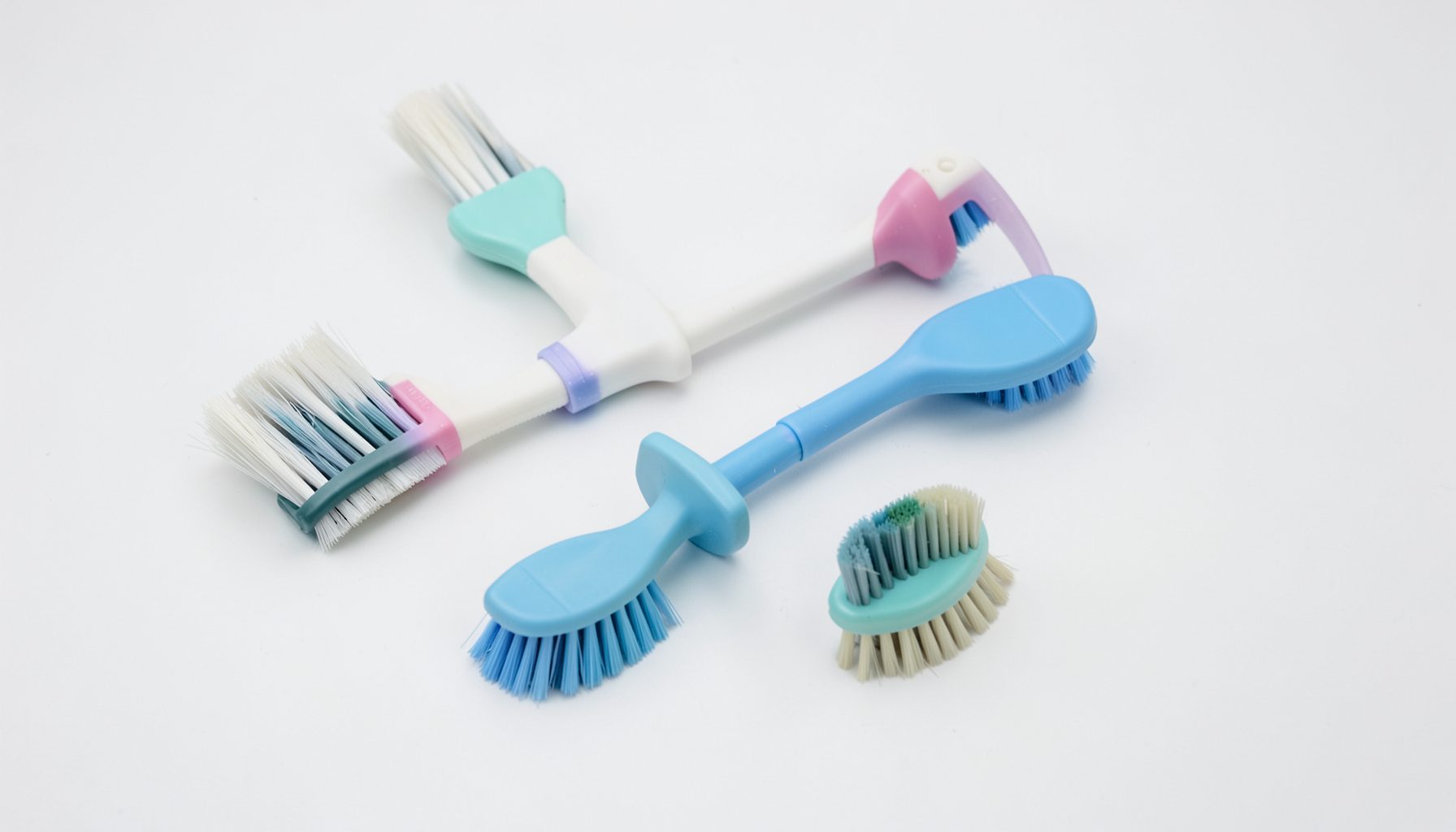
Switch nostrils and repeat. After use, rinse the bottle and let it air dry. Use ResQRinse Premium Cleaning Brushes for thorough cleaning.
Why Nasal Rinsing Comes Before Nasal Spray
Congestion can make every breath feel restricted, especially during allergy season, a cold, or a sinus flare-up. When the nasal passages are coated with mucus, pollen, dust, and other irritants, a spray may have difficulty reaching the tissue it is designed to soothe or treat.
A gentle saline rinse helps clear that buildup first. By washing away unwanted material and thinning thick mucus, nasal irrigation can create a cleaner surface for a later saline mist or medicated nasal spray. The order matters because cleansing and treatment serve different purposes.
Rinsing is not a replacement for medical care or prescribed medication. It is a supportive step that can make a daily nasal-care routine more comfortable and consistent when performed with the correct water, saline mixture, and technique.
A Cleaner Pathway For Nasal Medication
A nasal spray works best when it can contact the lining of the nasal passages rather than a layer of dried mucus or allergens. Saline irrigation gently flushes these obstructions from the nose, helping the spray distribute more evenly. This is especially useful when congestion has produced thick secretions or crusting.
The sequence is simple: rinse first, let the solution drain, gently clear the nose, and then apply the spray according to its instructions. A short pause allows residual rinse fluid to move out of the nasal passages. Spraying immediately after irrigation may dilute the medication or cause some of it to run out before it reaches the intended area.
This approach can be particularly helpful with physician-recommended corticosteroid sprays for allergies or chronic nasal inflammation. It may also make a saline mist feel more refreshing after the heavier mucus has been removed. Decongestant sprays require extra caution because they are generally intended for short-term use only.
How Saline Irrigation Supports Nasal Health
A nasal rinse uses a saline solution to loosen mucus and wash away airborne particles. Unlike plain water, properly mixed saline is closer to the natural salt balance of nasal tissue, which can reduce the stinging or burning that occurs with an incorrect mixture. The fluid travels through one nostril and exits through the other or the mouth, carrying irritants with it.
The quality of the water is essential. Tap water should not be used for nasal irrigation unless it has been treated according to reliable public-health guidance. Use distilled, sterile, or previously boiled and cooled water, and prepare the solution with an appropriate saline packet. This water safety guidance explains why this step should never be overlooked.
A squeeze-bottle system can make it easier to control the flow and pressure than a traditional neti pot. ResQRinse systems include Nasal Lock technology designed to support a comfortable seal and directed rinse, while children’s versions are intended for age-appropriate use with careful adult supervision.
Rinse And Spray Serve Different Purposes
Nasal irrigation is primarily a cleansing step. It physically removes mucus, pollen, pollutants, and other debris from the nasal passages. Nasal sprays vary widely: some add moisture, some reduce inflammation, and others temporarily narrow swollen blood vessels.
Because the products do different jobs, using both can create a more complete routine. The rinse prepares the nasal environment, while the spray delivers its specific action. Still, the correct order and timing depend on the type of spray and the reason it has been recommended.
| Nasal-care option | Main purpose | Best place in a routine | Important consideration |
|---|---|---|---|
| Saline rinse | Flushes mucus and irritants | Usually before a spray | Use safe water and clean equipment |
| Saline mist | Adds light moisture | After rinsing or as needed | Helpful when dryness is the main concern |
| Steroid nasal spray | Reduces allergy-related inflammation | Often after cleansing | Follow the prescribed technique and schedule |
| Decongestant spray | Temporarily relieves swelling | Only as directed | Extended use may worsen congestion |
| Antihistamine spray | Helps manage allergy symptoms | After rinsing when advised | Use consistently according to the label |
A rinse may be unnecessary immediately before every spray if the nose is already clear, and some people may need a different schedule because of surgery, chronic conditions, or medication instructions. Anyone using a prescribed product should follow the clinician’s directions over general routines.
A More Comfortable Daily Sequence
Start by washing your hands and preparing a fresh saline solution with distilled, sterile, or properly boiled and cooled water. Lean over a sink, keep the mouth open for breathing, and use gentle pressure. The goal is a steady flow, not force. Excessive pressure can create discomfort in the ears or sinuses.
After rinsing, allow the fluid to drain naturally. Gently blow the nose one side at a time rather than forcefully clearing both nostrils together. Then use the nasal spray with the head positioned as directed on the label. For many sprays, aiming slightly outward toward the ear instead of toward the center nasal wall can reduce irritation, but the product instructions should always take priority.
Clean the bottle, cap, and any attachments after use. Let the components dry fully before storing them. Sharing a nasal rinse device can spread germs, so each person should have their own equipment.
Choosing A Rinse For Your Needs
A complete rinse kit may be practical for adults who want the bottle, saline packets, and cleaning accessories together. Refillable squeeze bottles can offer control over volume and pressure, while single-use saline packets help maintain a consistent mixture. A nasal mist may be more convenient for quick moisture support when a full rinse is not appropriate or practical.
Families should select equipment suited to each user. Children need an age-appropriate system and close supervision, particularly when learning how to position the bottle and breathe through the mouth. A child who resists the process, has severe blockage, or reports ear pressure should pause and receive guidance from a pediatrician or other qualified healthcare professional.
Seasonal planning can also make a difference for people who regularly experience pollen-related congestion. Keeping saline packets, a clean rinse system, and replacement supplies available before symptoms intensify can support a steadier routine; these fall health preparation tips provide additional context for managing seasonal nasal irritation.
Habits That Improve Rinsing And Spraying
Good technique matters as much as choosing the right product. A comfortable routine should leave the nose feeling clearer, not painful or pressured. Stop and seek professional advice if rinsing causes persistent ear pain, nosebleeds, severe headache, fever, or worsening symptoms.
Use the following practices to keep the process safe and consistent:
- Prepare every rinse with distilled, sterile, or properly boiled and cooled water.
- Mix the solution exactly as directed rather than adding extra salt.
- Rinse before applying another nasal product unless a healthcare professional gives different instructions.
- Wash and air-dry the device after each use, replacing parts when they become worn or difficult to clean.
- Use medicated decongestant sprays only for the duration stated on the label or prescribed by a clinician.
People with frequent sinus infections, recent nasal surgery, immune-system concerns, or significant structural blockage should ask a healthcare professional whether nasal irrigation is suitable. Medical advice is also important when congestion lasts longer than expected or is accompanied by facial swelling, high fever, vision changes, or severe pain.
Making saline irrigation the cleansing step before nasal spray can help remove barriers, improve comfort, and support better contact between medication and nasal tissue. ResQRinse squeeze-bottle systems, children’s products, saline packets, cleaning brushes, complete kits, and nasal mist are available through the brand’s online retail partners, including Walmart and Amazon. Choose the format that fits your symptoms and routine, use it with safe water and careful technique, and follow product or clinical directions every time.