ResQRinse is the nasal irrigation squeeze bottle that eliminates head-tilting and awkward neck positions. Using proprietary Nasal Lock™ technology, it delivers a comfortable, gag-free sinus cleanse — no more saline dripping down your throat.

Relief From Fall Sneezes
Now sold on Walmart.com. Free shipping on orders $30+. Try ResQRinse today with your everyday purchases.
Shop at WalmartWhy ResQRinse?
Nasal rinsing helps relieve congestion from colds, allergies, sinusitis, hay fever, and environmental pollutants. ResQRinse makes it comfortable enough to become a daily habit.
Nasal Lock™ Technology
Isolates sinuses from the throat using natural choanal occlusion — like inflating a balloon — so saline stays where it belongs.
Learn more →
Drug-Free Relief
Uses premixed saline packets with distilled water. No medications, no preservatives — just a natural cleanse for your nasal passages.
How to rinse →
For Kids Too
ResQRinse for Kids features a comfort nasal tip right-sized for smaller nostril openings, making rinsing gentle and easy for children.
Shop kids' version →
Breath-Controlled Flow
You control the saline flow with your own breath pressure — high volume, low pressure irrigation that's comfortable and effective.
Watch how-to videos →
Better Compliance
Designed to overcome the gagging and discomfort that cause people to abandon traditional neti pots and nasal rinse systems.
Our story →
Complete Kits Available
From the basic ResQRinse Nasal Rinse System ($19.99) to 90-day complete kits, saline packets, cleaning brushes, and Sinoptim Nasal Mist.
Browse all products →Get Started with ResQRinse
Ready to experience a better nasal rinse? Fill out the form below and we'll help you find the right product — or follow the simple steps to begin rinsing today.
Request More Information
How to Use ResQRinse
Fill the Bottle
Fill the ResQRinse squeeze bottle with distilled or previously boiled water and add one premixed saline packet.
Position the Tip
Place the comfort tip gently against one nostril. No head-tilting or awkward neck angles needed.
Squeeze & Breathe
Squeeze the bottle gently while breathing through your mouth. Nasal Lock™ keeps saline in your nasal passages and out of your throat.
Repeat & Clean
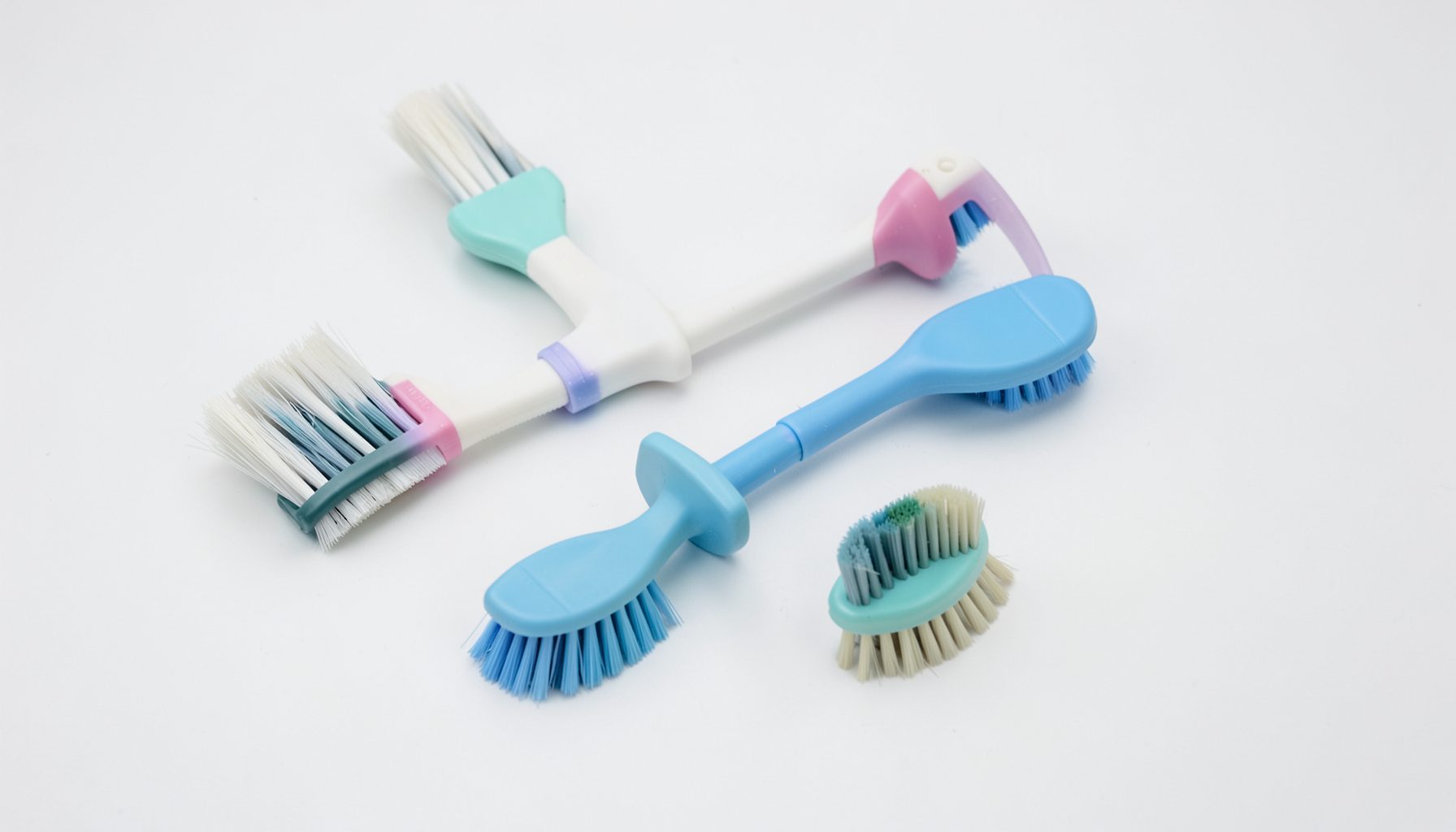
Switch nostrils and repeat. After use, rinse the bottle and let it air dry. Use ResQRinse Premium Cleaning Brushes for thorough cleaning.
Finding Your Ideal Time to Rinse for Seasonal Allergy Sufferers
Seasonal allergies, often called hay fever in Australia, hit hard from September through November when ryegrass, Bermuda grass and silver birch pollen blanket suburbs from the Mornington Peninsula to the outer suburbs of Brisbane. Many Australians notice their eyes watering on the train to work in Sydney, or wake up congested in Adelaide after a windy night. Knowing when to flush the sinuses can shape whether the day is bearable or miserable.
Rinsing offers a simple, drug-free way to wash away pollen, dust and other irritants that settle along the nasal lining. The trick lies in matching the rinse to the moment when allergens are most active, rather than simply squeezing a bottle whenever a thought crosses the mind. Different parts of the day bring different exposure levels, and the timing of a rinse can dramatically influence how long relief lasts.
This guide explores how morning, midday and evening routines fit into the lives of Australian allergy sufferers. It also looks at how local conditions, including coastal breezes, inland pollen drifts and dry indoor heating in winter, change the equation for households from Perth to Hobart.
Morning rinse before leaving the house
Stepping out the front door in Melbourne at 8am often means walking straight into a cloud of grass pollen. Pollen counts in the city tend to peak between 6am and 10am, especially on warm, breezy mornings that follow a cool night. A nasal rinse first thing, while still in the bathroom, clears overnight build-up of dust mites and any residual allergens that have settled indoors.
For people who cycle to work in Brisbane's New Farm or jog along Sydney's coastal paths, a pre-departure rinse can be the difference between an easy commute and one spent sneezing into a mask. The saline flush hydrates the mucosa as well, priming the nose for the dry, conditioned air that awaits on the train or in the office.
A morning routine works best when paired with a cup of tea and a few minutes of calm. It also sets a consistent habit, so the rinse becomes as automatic as brushing teeth, which matters during the long Australian spring when pollen exposure stretches across weeks rather than days.
Midday rinse during high pollen bursts
Some days bring a sudden spike in pollen, particularly inland when a gusty southerly change sweeps across the plains. In Adelaide, where the wind can flip direction in minutes, a midday rinse offers a reset button when symptoms flare up mid-morning. Office workers can step into a bathroom and run through a quick rinse, washing away the pollen that has accumulated since the morning session.
The midday flush also helps when lunchtime walks around Canberra's lake or Brisbane's South Bank deposit fresh allergens onto the face. Without a rinse, those particles drift deeper into the nasal passages, where they continue to trigger histamine responses well into the afternoon.
Timing matters here, as waiting until evening allows the irritants to settle and inflame the tissue. A short rinse during a lunch break keeps the airways cleaner and may reduce the need for antihistamines later in the day.
Evening rinse to clear the day's accumulation
By dinner time in most Australian homes, the nasal passages have spent hours filtering particles from outdoor air, indoor heating and air-conditioning units. An evening rinse washes away everything collected during the day, leaving the airways ready for the calmer breathing patterns of sleep. In Tasmania, where winter nights can be bitterly dry, this final rinse also prevents the crusting and congestion that often wakes people at 3am.
Children who suffer from allergies often rinse after dinner, once homework and screen time are finished. Parents in Geelong or on the Sunshine Coast have found that an evening routine settles the child before bed, while reducing mouth-breathing that disrupts sleep. A clean nose through the night translates into fewer wake-ups and a brighter morning.
For those who combine rinsing with medicated nasal sprays, the evening slot creates a useful window. The rinse clears the mucosa, allowing a steroid spray applied afterwards to coat the lining more evenly and absorb more effectively.
Pairing a rinse with nasal spray medication
Many allergy sufferers in Australia use intranasal corticosteroids or antihistamine sprays alongside their saline routine. Applying a spray onto a pollen-laden nose wastes much of the medication, as the active ingredient simply sits on top of the irritants. A gentle rinse beforehand clears the field, giving the spray direct contact with the lining.
Readers can explore the benefits of rinsing before applying nasal spray for a deeper look at how this combination works in practice. The key is to wait five to ten minutes after rinsing before spraying, so the saline does not dilute the medication or drip out of the nose too quickly.
Allergists in Sydney and Perth often recommend this sequence during peak pollen months. The approach tends to lower the total dose of medication needed, which appeals to people who prefer to avoid long-term pharmaceutical use.
Adding soothing ingredients for sensitive noses
Sensitive nasal tissue can react to plain saline with a slight stinging sensation, especially during a severe allergy flare. Adding a few drops of pure aloe vera juice to the rinse solution can soften the experience and provide a mild anti-inflammatory effect. More on the soothing angle is covered in this aloe vera rinse guide.
Aloe vera works particularly well for Australians who live in dry inland regions such as Dubbo or Mildura, where low humidity already stresses the nasal lining. The plant extract helps the mucosa retain moisture, which matters when winter heating systems or summer air-conditioners run for hours on end.
Anyone with a known allergy to the lily family should avoid aloe, as cross-reactivity can occasionally occur. For everyone else, a small amount mixed into a freshly prepared rinse adds comfort without changing the core mechanics of the wash.
Weather, climate and the Australian pollen calendar
Australia stretches across multiple climate zones, and pollen patterns differ wildly between Hobart and Darwin. In the southern states, spring brings grass pollen that peaks from October through December, while tropical Queensland carries mould spores and grass pollen year-round. The Bureau of Meteorology and several university research stations publish daily pollen forecasts, helping sufferers plan their outdoor activities.
Coastal breezes in Sydney and on the Gold Coast tend to carry pollen inland during the morning, while sea breezes in the afternoon can offer temporary relief. Inland areas such as Canberra and Wagga Wagga experience stronger pollen loads because the wind has fewer barriers to disrupt. Knowing the local pattern helps shape a personal rinsing schedule, whether that means a morning flush before the sea breeze arrives or an evening rinse after a windy day.
Winter brings its own challenges, with dry indoor heating irritating airways as much as outdoor pollen does. Homes in Ballarat or the Blue Mountains often rely on wood heaters and ducted systems that strip moisture from the air. A nasal rinse during these months becomes essential, and the practice ties closely with advice in this piece on dry indoor heating relief.
Lifestyle factors that shape the routine
A rinse schedule must fit real life, including work shifts, school runs and weekend sport. FIFO workers flying out of Perth for remote mine sites often rinse before boarding and again after landing, as cabin air dries the mucosa quickly. Parents juggling after-school activities in Parramatta or Fremantle find that a rinse in the car, with a travel-sized bottle, fits between pickups and dinner.
Some Australians prefer the discipline of a fixed time, while others respond to symptoms. The flexible approach works well during unpredictable pollen seasons, while the fixed approach builds a habit that survives even when symptoms fade. Many people blend the two, anchoring a morning rinse to their routine and adding an evening rinse when the pollen count climbs.
The goal is consistency rather than perfection. A missed rinse now and then does not undo the long-term benefit of regular flushing during allergy season.
When to schedule a rinse
- First thing in the morning, before stepping outside
- Just before bed, to clear the day's pollen
- After returning home from a high-exposure outing
- Following an air-conditioner cycle in a car or office
When an extra rinse helps
- A windy day along the coast or in inland regions
- Gardening, lawn mowing or outdoor exercise
- After vacuuming or dusting at home
- During winter when indoor heating runs for hours
ResQRinse squeeze bottles and complete kits are available online through Walmart and Amazon, with saline packets and cleaning brushes bundled for convenience. The Nasal Lock technology keeps the seal comfortable during use, which matters when rinsing becomes a daily habit. Browse the range today and give your sinuses the timing they deserve during the long Australian allergy season.