ResQRinse is the nasal irrigation squeeze bottle that eliminates head-tilting and awkward neck positions. Using proprietary Nasal Lock™ technology, it delivers a comfortable, gag-free sinus cleanse — no more saline dripping down your throat.

Relief From Fall Sneezes
Now sold on Walmart.com. Free shipping on orders $30+. Try ResQRinse today with your everyday purchases.
Shop at WalmartWhy ResQRinse?
Nasal rinsing helps relieve congestion from colds, allergies, sinusitis, hay fever, and environmental pollutants. ResQRinse makes it comfortable enough to become a daily habit.
Nasal Lock™ Technology
Isolates sinuses from the throat using natural choanal occlusion — like inflating a balloon — so saline stays where it belongs.
Learn more →
Drug-Free Relief
Uses premixed saline packets with distilled water. No medications, no preservatives — just a natural cleanse for your nasal passages.
How to rinse →
For Kids Too
ResQRinse for Kids features a comfort nasal tip right-sized for smaller nostril openings, making rinsing gentle and easy for children.
Shop kids' version →
Breath-Controlled Flow
You control the saline flow with your own breath pressure — high volume, low pressure irrigation that's comfortable and effective.
Watch how-to videos →
Better Compliance
Designed to overcome the gagging and discomfort that cause people to abandon traditional neti pots and nasal rinse systems.
Our story →
Complete Kits Available
From the basic ResQRinse Nasal Rinse System ($19.99) to 90-day complete kits, saline packets, cleaning brushes, and Sinoptim Nasal Mist.
Browse all products →Get Started with ResQRinse
Ready to experience a better nasal rinse? Fill out the form below and we'll help you find the right product — or follow the simple steps to begin rinsing today.
Request More Information
How to Use ResQRinse
Fill the Bottle
Fill the ResQRinse squeeze bottle with distilled or previously boiled water and add one premixed saline packet.
Position the Tip
Place the comfort tip gently against one nostril. No head-tilting or awkward neck angles needed.
Squeeze & Breathe
Squeeze the bottle gently while breathing through your mouth. Nasal Lock™ keeps saline in your nasal passages and out of your throat.
Repeat & Clean
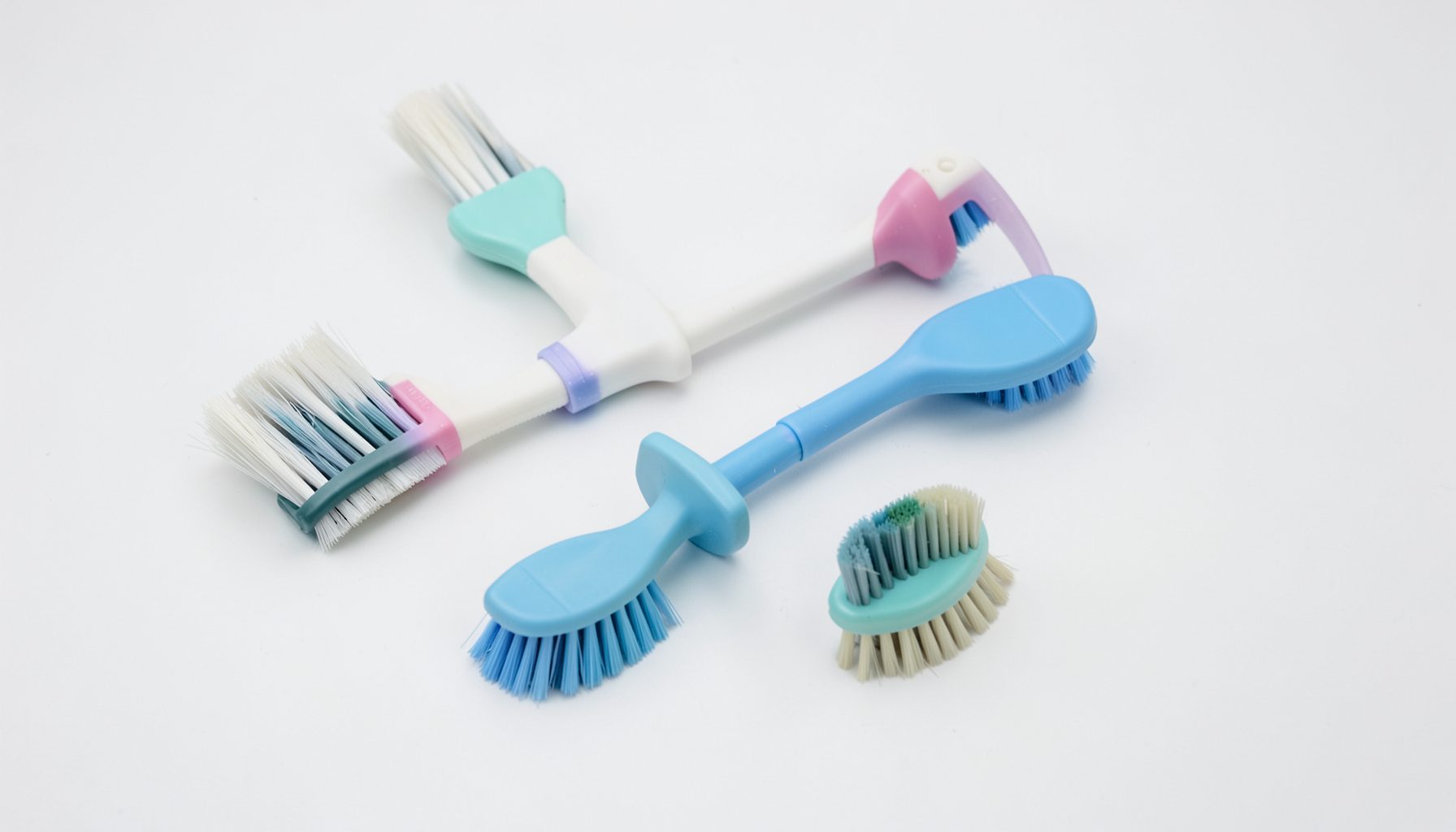
Switch nostrils and repeat. After use, rinse the bottle and let it air dry. Use ResQRinse Premium Cleaning Brushes for thorough cleaning.
The Potential Benefits of Aloe Vera in a Nasal Rinse
A nasal rinse can loosen mucus, wash away pollen, and moisturize irritated nasal passages. Some people consider adding a few drops of aloe vera because the plant is widely associated with soothing dry or sensitive skin. That idea is understandable, but the nose has different safety requirements from the skin. Anything placed inside the nasal passages must be clean, appropriate for internal use, and unlikely to disturb the delicate mucous membranes.
Aloe vera may offer a mild moisturizing or calming effect for some users, especially when nasal dryness accompanies congestion or seasonal allergies. However, evidence for homemade aloe additions in saline irrigation remains limited. The safest approach is to use a properly formulated nasal product rather than adding household aloe gel to a rinse bottle.
Understanding the possible advantages and the important precautions can help you build a comfortable nasal-care routine. Water quality, saline concentration, device hygiene, and gentle technique generally matter more than optional ingredients.
Why Aloe Vera Enters the Conversation
Aloe vera contains compounds associated with hydration and soothing sensations on the skin. In theory, a small amount of a sterile, nasal-compatible aloe preparation could help reduce the feeling of dryness after rinsing. It may also make the solution feel less harsh for people who experience mild stinging from saline.
That potential benefit should not be confused with a proven treatment for sinus infection, allergic rhinitis, or chronic inflammation. Aloe does not replace saline’s primary function: mechanically flushing mucus, dust, pollen, and other particles from the nasal passages. It also should not be expected to open blocked airways in the same way a medically appropriate decongestant might.
The formulation makes a major difference. Commercial aloe gels often contain preservatives, fragrances, alcohols, thickeners, or other ingredients intended for topical use. These substances may irritate the nose, and a product that is safe on intact skin is not automatically suitable for nasal irrigation.
Possible Comfort Benefits
The most realistic reason to consider aloe is moisture. Saline rinsing can temporarily leave some people feeling dry, particularly when they rinse frequently, use indoor heating, or live in a low-humidity environment. A nasal-safe moisturizing ingredient may help the lining feel more comfortable between rinses.
Aloe may also provide a smoother sensation during irrigation. If the nasal tissues are already irritated by pollen, cold air, frequent nose blowing, or a respiratory illness, a gentle solution can feel preferable to plain water. Still, the effect is individual, and some people may experience the opposite response, including burning, itching, or increased congestion.
For morning symptoms linked to pollen and environmental irritants, timing and technique often provide more reliable help than an added botanical ingredient. A routine based on those principles is explained in morning allergy care, including why rinsing can be useful after overnight exposure and before starting the day.
Safety Comes Before Soothing
Never use tap water directly in a nasal rinse. Choose distilled or sterile water, or boil tap water and allow it to cool according to established public-health guidance. Use the water with a saline packet or mixture intended for nasal irrigation, since the correct salt balance helps reduce burning and protects the nasal lining.
Do not put ordinary aloe gel, fresh aloe sap, or a homemade plant extract into a rinse bottle. These materials are not sterile and can contain particles or compounds that irritate tissue. Even products labeled “pure aloe” may be designed only for external use. If aloe is important to you, look for a preparation specifically labeled for nasal use and follow its instructions rather than improvising a dose.
Stop using the additive if you notice pain, persistent burning, nosebleeds, rash, worsening congestion, or a change in smell. People with known aloe sensitivity, plant allergies, very reactive nasal passages, or recent nasal surgery should speak with a healthcare professional before trying it. Medical advice is also appropriate for recurring sinus symptoms, fever, severe facial pain, or symptoms that do not improve.
How Saline And Aloe Work Together
Saline is the foundation of irrigation because it helps draw fluid across mucus, soften dried secretions, and rinse unwanted material away. An isotonic solution is generally designed to feel closer to the body’s natural salt concentration. Hypertonic formulas may reduce swelling for some users, but they can feel more drying or irritating.
Aloe, when present in a suitable nasal formulation, is better understood as a comfort-supporting ingredient rather than the active cleansing component. It does not make unsafe water safe, sterilize the bottle, or compensate for an incorrect salt ratio. Adding more is not likely to produce better results and may increase irritation.
The following comparison highlights how different approaches differ in purpose and risk:
| Rinse approach | Main purpose | Potential comfort benefit | Key caution |
|---|---|---|---|
| Standard saline rinse | Flush mucus, pollen, and debris | Reliable cleansing with a balanced formula | Use safe water and clean equipment |
| Saline with nasal-formulated aloe | Cleanse while supporting moisture | May feel gentler for some dry noses | Follow the product’s directions; do not improvise |
| Plain water rinse | Wet the nasal passages | Usually limited and may sting | Incorrect salt balance can irritate tissue |
| Homemade aloe mixture | Attempted soothing and hydration | Uncertain | Sterility, concentration, and additives are difficult to control |
| Saline mist | Light moisture between full rinses | Convenient for mild dryness | Does not replace irrigation when thick mucus is present |
Choosing A Comfortable Irrigation System
A squeeze-bottle system can make it easier to control pressure and direction than a traditional neti pot. ResQRinse systems are designed around a Nasal Lock feature intended to help guide the flow through the nasal passages while limiting mess. Users should still apply gentle pressure and stop if the rinse causes pain or pressure in the ears.
The device itself matters because a comfortable routine is more likely to be used consistently. The bottle, cap, and nozzle should be washed and dried exactly as directed. A cleaning brush can help reach areas where residue collects, while replacement parts and fresh saline packets support a more predictable routine.
To understand why bottle design can affect flow control and comfort, review Nasal Lock technology. A well-designed system cannot eliminate every sensation, but it can make the process easier to manage than an improvised container.
When To Use Extra Caution
Aloe is not necessary for every rinse. If a standard saline solution already feels comfortable, there may be no reason to add another ingredient. Keeping the formula simple can make it easier to identify the cause if irritation develops.
Extra caution is appropriate when the nose is bleeding, severely inflamed, recently injured, or recovering from a procedure. A rinse may need to be paused or modified during these situations. Children should use an age-appropriate system with adult supervision, and caregivers should avoid adding ingredients unless a pediatric healthcare professional recommends a specific product.
Rinsing can relieve symptoms, but it does not diagnose their cause. Persistent blockage may be connected to allergies, structural issues, medication effects, polyps, infection, or another condition requiring evaluation. Seek medical care for serious or prolonged symptoms instead of repeatedly increasing rinse frequency or adding more ingredients.
Practical Ways To Keep Rinsing Gentle
A few habits can make saline irrigation more comfortable and help you decide whether a moisturizing formula is worthwhile:
- Use only distilled, sterile, or properly boiled and cooled water.
- Choose saline packets or recipes made specifically for nasal irrigation.
- Use nasal-labeled aloe only; avoid cosmetic gels, fresh plant material, and fragranced products.
- Begin with a standard saline rinse and add nothing if it already feels comfortable.
- Clean, air-dry, and store the bottle according to the manufacturer’s directions.
The possible benefit of aloe vera is mainly a soothing, moisturizing sensation for people whose nasal passages feel dry or irritated. Its value depends on sterility, concentration, and compatibility with nasal tissue, so a ready-made nasal formulation is safer than adding random drops at home. Saline quality, clean equipment, and gentle pressure remain the essentials.
For a comfortable, consistent routine, explore ResQRinse nasal irrigation systems, saline packets, children’s options, cleaning accessories, and nasal mist through the brand’s online retail partners at Walmart and Amazon.