ResQRinse is the nasal irrigation squeeze bottle that eliminates head-tilting and awkward neck positions. Using proprietary Nasal Lock™ technology, it delivers a comfortable, gag-free sinus cleanse — no more saline dripping down your throat.

Relief From Fall Sneezes
Now sold on Walmart.com. Free shipping on orders $30+. Try ResQRinse today with your everyday purchases.
Shop at WalmartWhy ResQRinse?
Nasal rinsing helps relieve congestion from colds, allergies, sinusitis, hay fever, and environmental pollutants. ResQRinse makes it comfortable enough to become a daily habit.
Nasal Lock™ Technology
Isolates sinuses from the throat using natural choanal occlusion — like inflating a balloon — so saline stays where it belongs.
Learn more →
Drug-Free Relief
Uses premixed saline packets with distilled water. No medications, no preservatives — just a natural cleanse for your nasal passages.
How to rinse →
For Kids Too
ResQRinse for Kids features a comfort nasal tip right-sized for smaller nostril openings, making rinsing gentle and easy for children.
Shop kids' version →
Breath-Controlled Flow
You control the saline flow with your own breath pressure — high volume, low pressure irrigation that's comfortable and effective.
Watch how-to videos →
Better Compliance
Designed to overcome the gagging and discomfort that cause people to abandon traditional neti pots and nasal rinse systems.
Our story →
Complete Kits Available
From the basic ResQRinse Nasal Rinse System ($19.99) to 90-day complete kits, saline packets, cleaning brushes, and Sinoptim Nasal Mist.
Browse all products →Get Started with ResQRinse
Ready to experience a better nasal rinse? Fill out the form below and we'll help you find the right product — or follow the simple steps to begin rinsing today.
Request More Information
How to Use ResQRinse
Fill the Bottle
Fill the ResQRinse squeeze bottle with distilled or previously boiled water and add one premixed saline packet.
Position the Tip
Place the comfort tip gently against one nostril. No head-tilting or awkward neck angles needed.
Squeeze & Breathe
Squeeze the bottle gently while breathing through your mouth. Nasal Lock™ keeps saline in your nasal passages and out of your throat.
Repeat & Clean
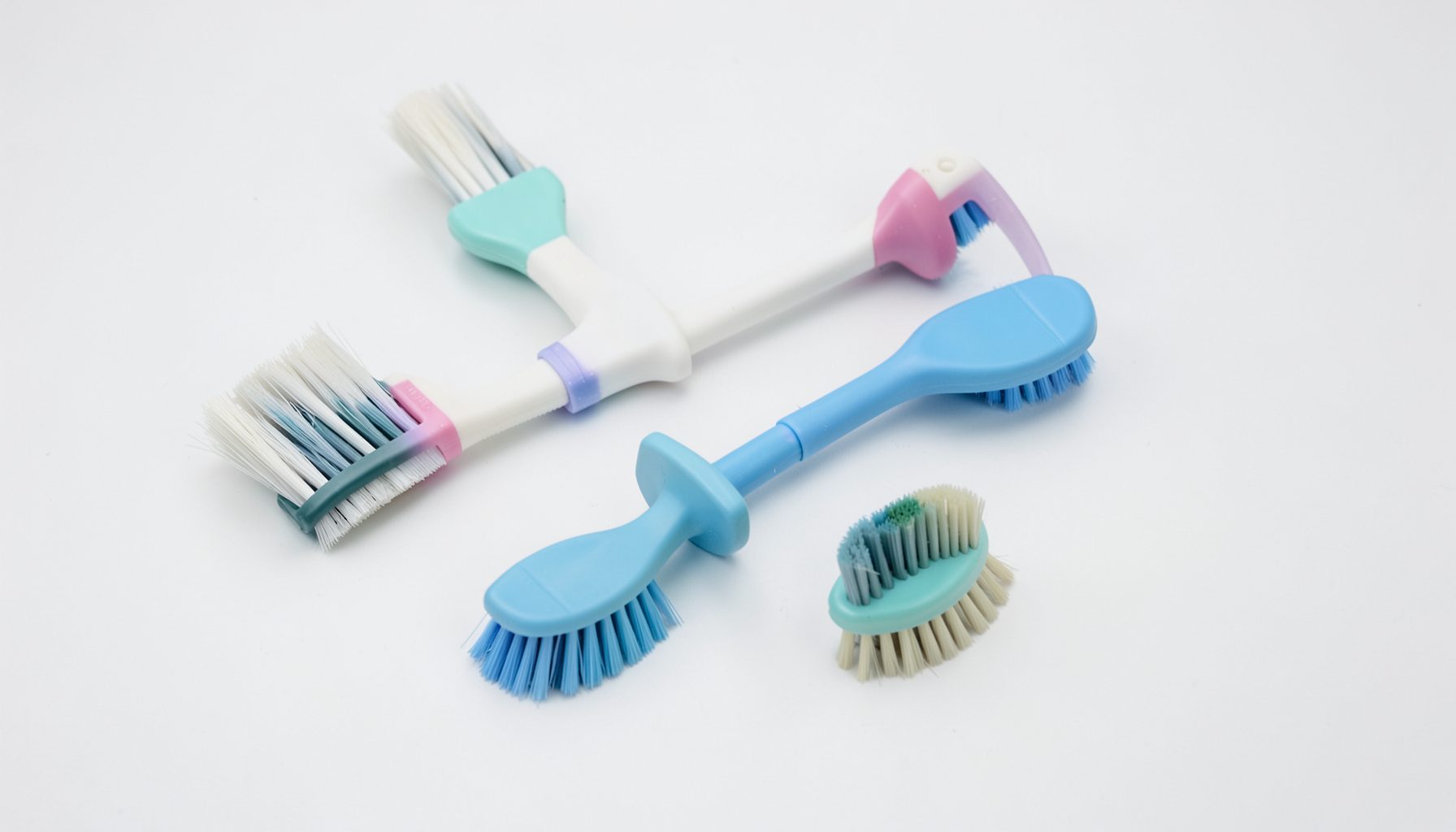
Switch nostrils and repeat. After use, rinse the bottle and let it air dry. Use ResQRinse Premium Cleaning Brushes for thorough cleaning.
Nasal Rinse for Relief From Dry Indoor Heating
When cold weather sends everyone indoors, heating systems can make the air feel uncomfortably dry. Warm, low-humidity air pulls moisture from the nasal passages, leaving the nose tight, irritated, crusty, or more sensitive than usual. Some people also notice congestion, postnasal drainage, sneezing, or minor nosebleeds during the heating season.
A saline nasal rinse can help wash away dust, dried mucus, and airborne irritants while adding moisture to the nasal passages. Unlike medicated decongestant sprays, a properly prepared rinse does not rely on a drug to create temporary narrowing of swollen tissue. It works as a gentle cleansing step that can fit into a daily cold-weather routine.
The goal is comfort without overdoing it. Water safety, the right saline concentration, clean equipment, and a calm technique all matter. With those basics in place, nasal irrigation can be a practical way to support easier breathing in rooms warmed by furnaces, radiators, or space heaters.
Why Heated Air Can Irritate the Nose
Indoor heating often lowers relative humidity, especially in tightly closed rooms. As moisture leaves the air, the thin layer of fluid covering the nasal lining can evaporate more quickly. This may cause dryness, burning, itching, crusting, or a sensation that the nose is blocked even when there is not much mucus present.
Dry air can also make ordinary particles feel more bothersome. Dust, pet dander, fabric fibers, and seasonal allergens may remain suspended indoors or collect around vents and bedding. When the nasal lining is already irritated, exposure to these particles can trigger sneezing and swelling.
A saline wash helps physically clear these substances from the nose. It can loosen thick secretions and rinse away particles that may otherwise remain against sensitive tissue. People with frequent nosebleeds, significant pain, fever, or persistent symptoms should speak with a healthcare professional rather than relying on home irrigation alone.
How Saline Supports Nasal Comfort
Saline solution is designed to resemble the salt balance of body fluids closely enough to be comfortable inside the nose. During a rinse, the solution flows through one nostril and out the other, carrying loosened mucus and debris with it. This can leave the passages feeling cleaner and less coated.
The concentration matters. An isotonic rinse has a salt level close to that of the body and is often a comfortable starting point for routine cleansing. A hypertonic rinse contains more salt and may temporarily draw excess fluid from swollen nasal tissue, but it can feel stronger or more drying for some users. This explanation of hypertonic and isotonic solutions can help clarify which option may suit different symptoms.
A rinse is not intended to forcefully scrub the nasal lining. Slow, low-pressure flow is usually more comfortable than squeezing hard. If a solution stings sharply, causes ear pressure, or leaves the nose feeling drier, pause and reassess the concentration, water temperature, frequency, and technique.
Comparing Options for Wintertime Dryness
Different nasal products serve different needs. A full rinse moves saline through the nasal passages and may be useful when mucus, dust, or allergens are contributing to congestion. A nasal mist provides a lighter layer of moisture and can be convenient when a complete irrigation feels unnecessary.
Squeeze-bottle systems are often easier to control than traditional neti pots because the user can regulate the flow with gentle pressure. ResQRinse systems also use Nasal Lock technology to help create a more contained fit around the nostril, which may reduce mess when the bottle is positioned correctly. The right choice depends on symptom intensity, comfort, routine, and age.
| Option | Best suited for | Main benefit | Important consideration |
|---|---|---|---|
| Isotonic saline rinse | Daily cleansing and mild dryness | Gentle, balanced comfort | Use clean water and prepared saline |
| Hypertonic saline rinse | Temporary support for swelling | May help draw fluid from congested tissue | Can sting or feel drying |
| Nasal mist | Light moisture during the day | Quick and portable | Does not flush out mucus as fully |
| Squeeze-bottle system | Congestion, dust, and seasonal irritants | Controlled flow through the passages | Clean and dry the bottle after use |
| Children’s rinse system | Age-appropriate family routines | Designed for smaller users | Follow product directions and supervise |
For people mainly bothered by a dry, scratchy feeling, a mist or gentle isotonic rinse may be enough. When indoor dust and thick mucus are also present, a complete nasal irrigation may provide more noticeable cleansing.
Using a Nasal Rinse Safely
Use distilled, sterile, or previously boiled and cooled water for nasal irrigation. Do not use untreated tap water, even if it looks clean. Water that is safe to drink is not automatically suitable for passage through the nose. Follow the saline packet instructions carefully, since too little or too much salt can make the solution uncomfortable.
Wash your hands before preparing the rinse. Lean over a sink, keep the mouth open, and breathe through it while placing the nozzle securely but gently against the nostril. Use light pressure and allow the solution to flow naturally. It is normal for liquid to come through the opposite nostril or into the mouth, but forceful squeezing can increase discomfort.
After use, empty the bottle, rinse it as directed, and allow every component to air-dry fully. Moist equipment can support microbial growth if it is stored while wet. Cleaning brushes may help reach internal areas of a reusable squeeze bottle, but they should be used according to the product’s care instructions and replaced when worn.
Building A Comfortable Heating-Season Routine
A nasal rinse does not have to be reserved for severe congestion. Some people prefer using one after coming indoors from dusty conditions, after cleaning, or before bed. Evening use may help remove particles gathered during the day, while morning use can clear overnight dryness and mucus.
Start with a frequency that feels comfortable rather than assuming that more is better. Once daily may be appropriate for many people, while occasional use may be sufficient for mild symptoms. If the nose becomes sore, unusually dry, or irritated, reduce use and check the saline mixture and water temperature.
Indoor humidity also affects comfort. A clean humidifier, adequate hydration, and keeping heating vents from blowing directly toward the face can complement nasal care. Humidifiers require regular cleaning because stagnant water and dirty components may add unwanted particles to the room.
Choosing A Product For The Household
A complete kit can be useful for adults who want the bottle, saline packets, and cleaning accessories together. Individual saline packets are convenient for maintaining the correct concentration without measuring loose salt. A nasal mist may be a practical addition for work, travel, or times when a sink is not available.
Households with children should select an age-appropriate system and supervise use. Children may need help with posture, breathing, water preparation, and cleaning. A child should never be pressured to continue if the process feels frightening or painful.
Product design can influence whether a routine is easy to maintain. ResQRinse describes its materials, system features, and intended use through its brand information, giving shoppers a place to review the approach before choosing a rinse, mist, or family-oriented option.
Practical Ways To Reduce Nasal Dryness
A rinse works best as part of a broader approach to dry indoor air. These simple habits can make nasal comfort easier to maintain:
- Keep indoor humidity moderate with a clean, properly maintained humidifier when needed.
- Drink fluids regularly and avoid directing heated air or a fan straight at the face.
- Use an isotonic saline rinse or mist when the nose feels dry, dusty, or coated.
- Prepare irrigation solution only with distilled, sterile, or boiled-and-cooled water.
- Clean, dry, and store the rinse bottle according to the manufacturer’s instructions.
Pay attention to patterns. If symptoms appear mainly in one room, inspect vents, filters, bedding, carpets, and possible mold or dust sources. If symptoms last for weeks, repeatedly interrupt sleep, or include facial swelling, severe pain, high fever, or recurrent bleeding, professional medical advice is appropriate.
A comfortable rinse should leave the nose feeling cleaner and calmer, not raw. Begin gently, choose the saline type that suits your symptoms, and make equipment hygiene part of the process. Explore ResQRinse nasal irrigation systems, saline packets, children’s options, and nasal mist products through the brand’s online retail listings, then make nasal care a simple part of your cold-weather routine.