ResQRinse is the nasal irrigation squeeze bottle that eliminates head-tilting and awkward neck positions. Using proprietary Nasal Lock™ technology, it delivers a comfortable, gag-free sinus cleanse — no more saline dripping down your throat.

Relief From Fall Sneezes
Now sold on Walmart.com. Free shipping on orders $30+. Try ResQRinse today with your everyday purchases.
Shop at WalmartWhy ResQRinse?
Nasal rinsing helps relieve congestion from colds, allergies, sinusitis, hay fever, and environmental pollutants. ResQRinse makes it comfortable enough to become a daily habit.
Nasal Lock™ Technology
Isolates sinuses from the throat using natural choanal occlusion — like inflating a balloon — so saline stays where it belongs.
Learn more →
Drug-Free Relief
Uses premixed saline packets with distilled water. No medications, no preservatives — just a natural cleanse for your nasal passages.
How to rinse →
For Kids Too
ResQRinse for Kids features a comfort nasal tip right-sized for smaller nostril openings, making rinsing gentle and easy for children.
Shop kids' version →
Breath-Controlled Flow
You control the saline flow with your own breath pressure — high volume, low pressure irrigation that's comfortable and effective.
Watch how-to videos →
Better Compliance
Designed to overcome the gagging and discomfort that cause people to abandon traditional neti pots and nasal rinse systems.
Our story →
Complete Kits Available
From the basic ResQRinse Nasal Rinse System ($19.99) to 90-day complete kits, saline packets, cleaning brushes, and Sinoptim Nasal Mist.
Browse all products →Get Started with ResQRinse
Ready to experience a better nasal rinse? Fill out the form below and we'll help you find the right product — or follow the simple steps to begin rinsing today.
Request More Information
How to Use ResQRinse
Fill the Bottle
Fill the ResQRinse squeeze bottle with distilled or previously boiled water and add one premixed saline packet.
Position the Tip
Place the comfort tip gently against one nostril. No head-tilting or awkward neck angles needed.
Squeeze & Breathe
Squeeze the bottle gently while breathing through your mouth. Nasal Lock™ keeps saline in your nasal passages and out of your throat.
Repeat & Clean
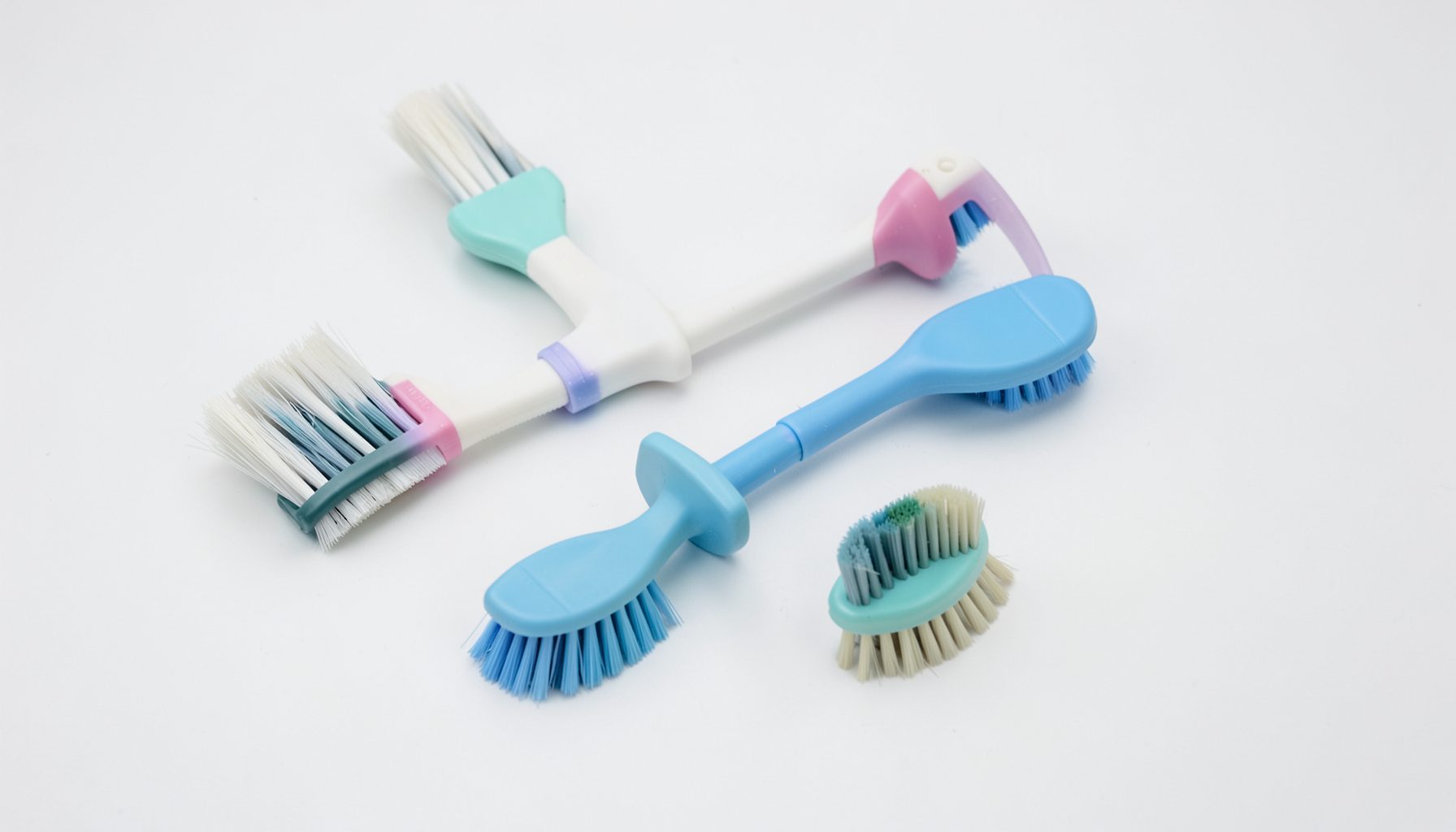
Switch nostrils and repeat. After use, rinse the bottle and let it air dry. Use ResQRinse Premium Cleaning Brushes for thorough cleaning.
Nasal Rinse for Relief From Construction Dust and Airborne Irritants
Construction zones can fill the air with drywall particles, wood dust, cement debris, insulation fibers, and other airborne irritants. Even with windows closed, fine particles may enter homes, workplaces, and vehicles, where they can settle inside the nose and trigger dryness, sneezing, congestion, or a scratchy throat.
A saline nasal rinse can help wash away trapped debris and rehydrate irritated nasal passages. Used correctly, it may provide soothing relief after exposure to construction dust, renovation residue, wildfire smoke, pollen, and other noninfectious irritants. It is a supportive hygiene practice, not a substitute for respiratory protection or medical care.
The most comfortable routine combines source control with gentle nasal irrigation. Wear a properly fitted mask around active dust, improve ventilation when practical, and use a clean rinse system with safe water. A squeeze-bottle design can also make it easier to control pressure and direct the saline flow.
How Construction Dust Affects Nasal Passages
Dust from cutting, sanding, drilling, demolition, and mixing materials can irritate the delicate lining inside the nose. Larger particles may be trapped by nasal hairs and mucus, while finer particles can remain deeper in the nasal passages. The body responds by producing more mucus, causing swelling, sneezing, postnasal drip, or a blocked nose.
Some construction materials create additional concerns. Concrete and masonry dust may be alkaline and irritating, while treated wood, paint residue, adhesives, and insulation materials can contain substances that aggravate the eyes, skin, and respiratory tract. A rinse may remove residue from the nasal cavity, but it cannot eliminate the risk of inhaling hazardous chemicals.
Leave dusty areas when possible and follow workplace safety rules before irrigating. A respirator rated for the specific exposure, protective eyewear, and careful cleanup provide protection at the source. Nasal irrigation works best as a post-exposure cleansing step after moving to a clean environment.
Why Saline Irrigation Can Help
A saline solution helps loosen dried mucus and rinse away particles that remain on the nasal lining. The fluid can also add moisture when indoor heating, air conditioning, or dusty air has left the nose feeling dry and raw. Many people prefer isotonic saline because its salt concentration is designed to feel relatively comfortable in nasal tissue.
A gentle rinse may be useful after cleaning a renovation area, commuting through heavy traffic, or spending time near roadwork. It can also complement everyday care for seasonal allergies, provided the person follows the instructions supplied with the system and stops if burning, pain, or worsening symptoms develops.
The delivery method affects comfort. A squeeze bottle gives the user control over the flow and can provide a consistent path through the nasal passages. ResQRinse systems use Nasal Lock technology to help create a seal around the nostril, which may reduce dripping during use when the device is positioned correctly. Anyone comparing formats can review squeeze bottle and neti pot options before choosing a routine.
| Consideration | Squeeze-Bottle Rinse | Neti Pot | Nasal Mist |
|---|---|---|---|
| Main use | More thorough washing of nasal passages | Gentle gravity-based irrigation | Light moisture and quick refreshment |
| Flow control | User controls pressure | Flow depends on head position and gravity | Limited volume |
| Helpful after heavy dust exposure | Often well suited | May be useful for some users | Usually less effective for removing settled debris |
| Portability | Compact kits are easy to carry | Often bulkier | Highly portable |
| Cleaning needs | Bottle, cap, nozzle, and brush require regular care | Pot and spout require cleaning and drying | Follow the product’s specific care instructions |
Using A Nasal Rinse Safely
Water safety is essential. Use distilled or sterile water, or tap water that has been boiled and cooled according to public health guidance. Do not use untreated tap water in a nasal irrigation device. Prepare the saline packet exactly as directed; homemade mixtures with too much or too little salt can cause stinging and irritation.
Wash your hands before preparing the rinse. Check that the bottle, cap, nozzle, and any seal are clean. Lean over a sink, breathe through the mouth, and keep the pressure gentle. Forcing fluid can increase discomfort and may send water toward the ears. Afterward, allow the nose to drain and blow gently rather than forcefully.
Never share a nasal rinse bottle, nozzle, or saline packet. Replace components as recommended by the manufacturer, especially if plastic becomes cloudy, cracked, or difficult to clean. If the device develops an odor or visible residue, stop using it until it has been thoroughly cleaned or replaced. These steps matter because damp equipment can support microbial growth; detailed guidance on preventing mold growth can help establish a safer maintenance routine.
Choosing The Right Routine After Exposure
For a brief encounter with light dust, a saline mist may be enough to relieve dryness and refresh the nose. A full-volume rinse is generally more appropriate when mucus feels thick, the nose is congested, or particles were present for an extended period. Use the least force necessary to achieve a comfortable flow.
A complete kit can be practical for people who want the bottle, saline packets, and cleaning accessories together. Extra packets are useful when exposure occurs away from home, while a cleaning brush can help reach small areas around the cap and nozzle. A children’s version may be easier for younger users, but children should be supervised and should not operate a rinse system independently.
Individual anatomy also affects the experience. A deviated septum, nasal polyps, recent nasal surgery, or persistent blockage may make fluid pass unevenly or increase pressure. Guidance about rinsing with a deviated septum can help explain when technique adjustments or medical advice may be appropriate.
Situations That Need Extra Care
Do not irrigate through severe or complete nasal blockage, significant nosebleeding, intense facial pain, or a recent nasal procedure unless a clinician has advised you to do so. Ear pressure or pain during a rinse is a reason to stop. People with recurring sinus infections, immune system conditions, or chronic nasal disease should ask a healthcare professional how irrigation fits into their care.
Construction dust can sometimes contain more than ordinary nuisance particles. Suspected asbestos, lead paint, silica, mold, chemical fumes, or unknown demolition debris require specialized precautions. A saline rinse cannot neutralize these substances or protect the lungs. Follow the instructions of a qualified safety professional and seek medical care after a substantial exposure.
Contact a clinician promptly for trouble breathing, wheezing, chest tightness, severe eye irritation, confusion, or symptoms that continue after leaving the exposure area. Persistent congestion, facial pressure, fever, thick discolored drainage, or repeated nosebleeds also deserve evaluation rather than repeated self-treatment alone.
Building A Practical Dust-Relief Routine
A simple routine can make nasal care more consistent after a dusty day. Change out of contaminated clothing, wash the face and hands, and avoid bringing settled particles into the bedroom. If indoor air is affected by renovation, use appropriate filtration and keep the rinse supplies in a clean, dry location away from the work zone.
Use the saline system at a time when you can remain near a sink and let the nasal passages drain naturally. Many users prefer rinsing in the evening so particles and mucus can be cleared before sleep. The ideal frequency depends on exposure and personal comfort; frequent use should still follow product directions and should not cause ongoing dryness or irritation.
Keep these practices in mind:
- Wear a suitable respirator or mask before entering an active construction or renovation area.
- Use only distilled, sterile, or properly boiled and cooled water for nasal irrigation.
- Choose a full saline rinse for heavier congestion and a mist for light dryness or quick moisture.
- Clean, air-dry, and store the device after every use, replacing worn parts as directed.
- Stop and seek professional advice if rinsing causes pain, bleeding, ear pressure, or worsening symptoms.
A well-designed nasal rinse can be a convenient part of recovery from everyday exposure to dust and airborne irritants. ResQRinse squeeze-bottle systems, saline packets, children’s options, cleaning brushes, complete kits, and nasal mist products support different household needs and routines. Products can be purchased online through Walmart and Amazon, making it easier to keep safe water, fresh saline, and a clean device available when dusty conditions arise.
Use protective equipment to reduce exposure, then make gentle saline irrigation part of your cleanup routine when it suits your symptoms. Select the ResQRinse format that matches your needs, follow the water and cleaning instructions carefully, and use the system consistently for more comfortable nasal care.