ResQRinse is the nasal irrigation squeeze bottle that eliminates head-tilting and awkward neck positions. Using proprietary Nasal Lock™ technology, it delivers a comfortable, gag-free sinus cleanse — no more saline dripping down your throat.

Relief From Fall Sneezes
Now sold on Walmart.com. Free shipping on orders $30+. Try ResQRinse today with your everyday purchases.
Shop at WalmartWhy ResQRinse?
Nasal rinsing helps relieve congestion from colds, allergies, sinusitis, hay fever, and environmental pollutants. ResQRinse makes it comfortable enough to become a daily habit.
Nasal Lock™ Technology
Isolates sinuses from the throat using natural choanal occlusion — like inflating a balloon — so saline stays where it belongs.
Learn more →
Drug-Free Relief
Uses premixed saline packets with distilled water. No medications, no preservatives — just a natural cleanse for your nasal passages.
How to rinse →
For Kids Too
ResQRinse for Kids features a comfort nasal tip right-sized for smaller nostril openings, making rinsing gentle and easy for children.
Shop kids' version →
Breath-Controlled Flow
You control the saline flow with your own breath pressure — high volume, low pressure irrigation that's comfortable and effective.
Watch how-to videos →
Better Compliance
Designed to overcome the gagging and discomfort that cause people to abandon traditional neti pots and nasal rinse systems.
Our story →
Complete Kits Available
From the basic ResQRinse Nasal Rinse System ($19.99) to 90-day complete kits, saline packets, cleaning brushes, and Sinoptim Nasal Mist.
Browse all products →Get Started with ResQRinse
Ready to experience a better nasal rinse? Fill out the form below and we'll help you find the right product — or follow the simple steps to begin rinsing today.
Request More Information
How to Use ResQRinse
Fill the Bottle
Fill the ResQRinse squeeze bottle with distilled or previously boiled water and add one premixed saline packet.
Position the Tip
Place the comfort tip gently against one nostril. No head-tilting or awkward neck angles needed.
Squeeze & Breathe
Squeeze the bottle gently while breathing through your mouth. Nasal Lock™ keeps saline in your nasal passages and out of your throat.
Repeat & Clean
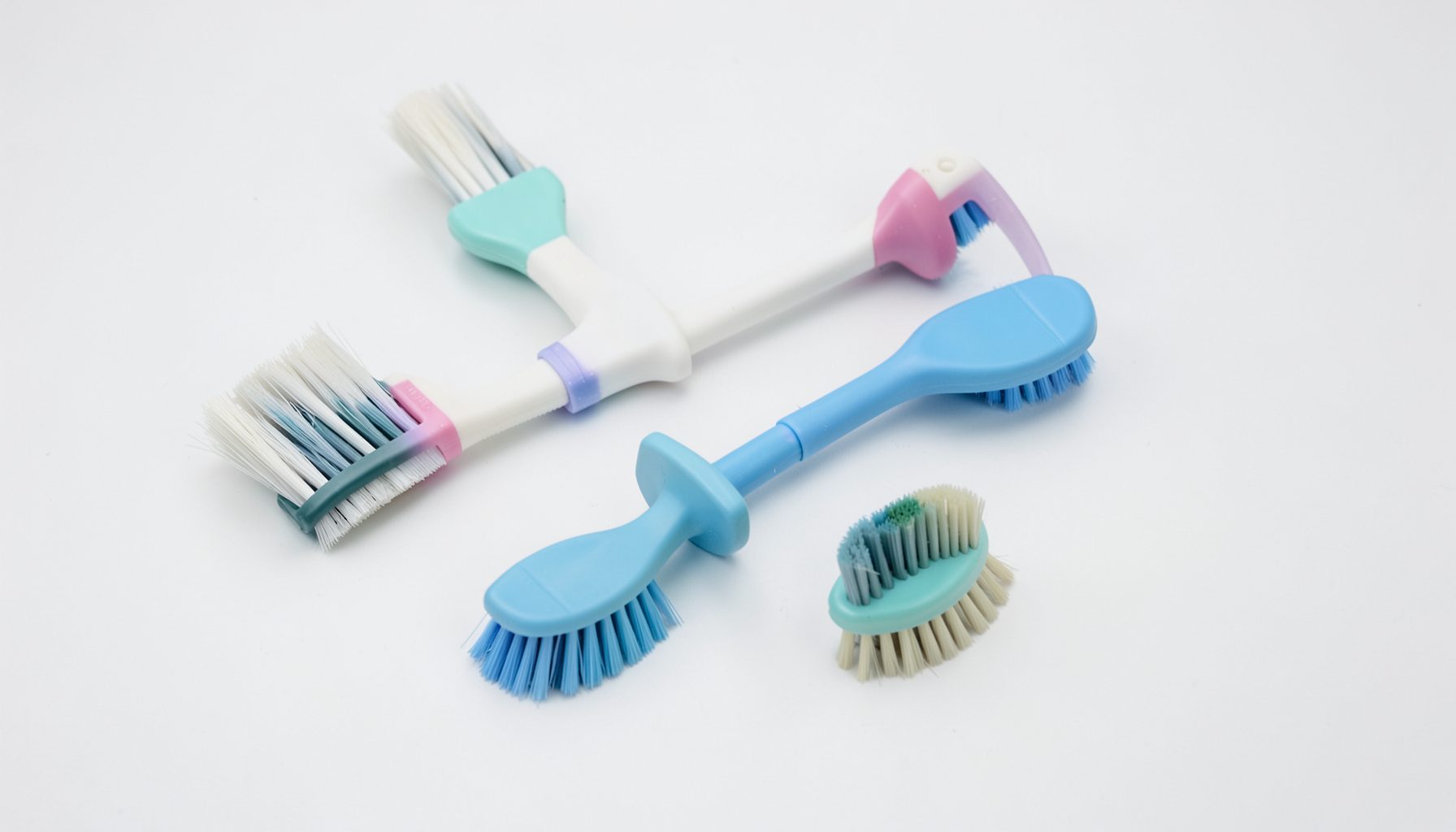
Switch nostrils and repeat. After use, rinse the bottle and let it air dry. Use ResQRinse Premium Cleaning Brushes for thorough cleaning.
Can You Use Nasal Rinse With a Deviated Septum
A deviated septum does not automatically mean you must avoid nasal irrigation. Many people with a crooked or off-center nasal septum can use a saline rinse safely and find it helpful for congestion, mucus, allergy symptoms, and sinus pressure. The main consideration is how much the septal deviation narrows one side of the nose and whether rinsing causes discomfort.
A deviated septum can make one nasal passage smaller than the other. This may affect how easily saline enters and exits the nose, especially when swelling from allergies, a cold, or sinus inflammation is present. A rinse should feel gentle rather than forceful, and fluid should never be pushed through severe resistance.
Nasal irrigation is supportive care, not a way to straighten the septum. If nasal blockage is persistent, severe, or affecting sleep and breathing, an ear, nose, and throat specialist can evaluate the septum and discuss treatment options. Some people need medication for swelling, while others may benefit from a surgical consultation.
What a deviated septum changes
The nasal septum is the wall of cartilage and bone separating the two nasal passages. When it bends to one side, the affected passage may have less room for air and saline. A person may notice that one nostril feels consistently blocked, particularly during exercise, sleep, allergy season, or an upper respiratory infection.
A crooked septum can also make nasal symptoms feel uneven. Saline may flow easily through the wider side but meet resistance on the narrower side. This does not necessarily mean irrigation is unsafe, but it does mean the technique should be adjusted. Using less pressure, a smaller volume, or a mist may be more comfortable than forcing a large amount of fluid through a restricted passage.
The shape of the septum is only part of the picture. Enlarged turbinates, nasal polyps, thick mucus, inflammation, and crusting can further narrow the airway. A healthcare professional can help determine whether the primary problem is structural, inflammatory, or a combination of both.
How saline irrigation may help
A saline rinse can wash away dust, pollen, mucus, and other irritants from the nasal passages. It may loosen thick secretions and moisturize tissues that feel dry or irritated. For someone with a deviated septum, these effects can make the open side feel clearer and may reduce the buildup that contributes to congestion.
Irrigation can also support symptom relief during allergic rhinitis or a sinus infection, although it does not replace prescribed treatment when medication is needed. The goal is to cleanse and hydrate the nasal passages, not to create pressure or force the septum into a different position.
Some people prefer a squeeze-bottle system because it offers a controlled stream and can be used while leaning over a sink. ResQRinse products include a Nasal Lock design intended to help position the bottle and reduce unwanted leakage during use. A traditional neti pot may work for some users, but the best device is the one that allows a calm, low-pressure rinse. This gentler comparison explains how common irrigation methods differ.
Rinsing safely with uneven nasal passages
Water safety is essential. Use distilled or sterile water, or tap water that has been boiled and cooled according to public health guidance. Do not use untreated tap water in a nasal rinse. Prepare saline with the recommended packet or an accurately measured mixture, because water that is too salty or not salty enough can sting and irritate the nasal lining.
Follow the device instructions and wash your hands before preparing the rinse. Lean forward over a sink, keep your mouth open, and breathe through your mouth. Turn your head slightly rather than tilting it far backward. Let the saline flow gently, and allow it to drain without trying to force it through a blocked side.
If one nostril is narrowed, start with the side that feels more open. You can then try the other side with lower pressure, stopping if the fluid will not pass comfortably. Never squeeze harder to overcome resistance. Pressure in the ears, sharp facial pain, or intense burning is a signal to stop and reassess the technique.
Clean the bottle, cap, nozzle, and any included parts after every use, following the manufacturer’s instructions. Allow the components to air-dry fully before storing them. A cleaning brush can help remove residue from narrow areas, but replace the device or parts when they become worn, cracked, or difficult to clean.
Comparing rinse options for a deviated septum
Different nasal irrigation systems create different sensations. A squeeze bottle may deliver a fuller rinse, while a nasal mist provides lighter moisture with less fluid and pressure. Saline packets make concentration easier to measure, which can help prevent stinging caused by an overly concentrated homemade solution.
| Rinse option | Potential advantage | Consideration with a deviated septum |
|---|---|---|
| Squeeze-bottle rinse | Cleans with a controlled stream and larger volume | Use gentle pressure and stop if fluid meets resistance |
| Neti pot | Allows gravity-fed irrigation | Head position and nasal narrowing may affect drainage |
| Saline mist | Moisturizes with minimal volume and pressure | May be more comfortable but less effective for thick mucus |
| Premixed saline packets | Offers consistent salt concentration | Follow the packet and water-volume instructions carefully |
| Children’s rinse system | Designed for smaller users and simpler handling | Use only with age-appropriate supervision and instructions |
The right choice may change from day to day. During heavy congestion, a mist may be a more comfortable starting point. When mucus is thick and the passage is open enough for flow, a gentle squeeze-bottle rinse may provide more complete cleansing. Do not use a child-sized product for an adult simply because the nose feels blocked; choose a system suited to the user and follow its directions.
People who rinse regularly during seasonal allergies may need a consistent routine rather than occasional forceful irrigation. Guidance on allergy-season rinsing can help explain how frequency may vary with symptoms, exposure, and personal tolerance.
When to pause and seek medical advice
Stop rinsing and contact a clinician if you develop significant ear pressure, worsening facial pain, repeated nosebleeds, fever, severe headache, or symptoms that are getting worse rather than better. A small amount of temporary dripping or mild irritation can occur, but persistent discomfort deserves medical attention.
A completely blocked nostril may require evaluation before you continue irrigation. The same applies to frequent sinus infections, foul-smelling drainage, recurrent bleeding, or difficulty breathing through the nose that has lasted for months. These symptoms can reflect more than a simple septal deviation.
Anyone who has recently had septoplasty, sinus surgery, nasal cautery, or another nasal procedure should follow the surgeon’s specific rinse schedule. Postoperative instructions may differ according to the procedure and healing stage. Do not assume that a product’s general directions override advice from your surgical team.
Build a comfortable rinse routine
A few adjustments can make nasal irrigation easier when the septum is uneven:
- Use a lukewarm saline solution rather than very cold or hot water.
- Begin with the more open nostril and use slow, light pressure.
- Keep your mouth open and lean forward so fluid can drain into the sink.
- Stop if you feel ear pressure, sharp pain, or strong resistance.
- Clean and air-dry the device after each use, and use safe water every time.
Consistency matters more than intensity. A gentle rinse used appropriately may provide better symptom control than an occasional high-pressure attempt. If the narrower passage will not accept fluid, focus on comfort and discuss alternatives such as saline mist, allergy treatment, or an ENT evaluation.
Nasal irrigation can be a practical part of managing congestion with a deviated septum, but it should remain a low-pressure hygiene measure rather than a test of how much force the nose can tolerate. Read the device instructions, use safe water, and adjust the method to your symptoms. For product information, care guidance, and additional nasal health resources, visit the ResQRinse news section, then choose a rinse system that supports a calm, comfortable routine.