ResQRinse is the nasal irrigation squeeze bottle that eliminates head-tilting and awkward neck positions. Using proprietary Nasal Lock™ technology, it delivers a comfortable, gag-free sinus cleanse — no more saline dripping down your throat.

Relief From Fall Sneezes
Now sold on Walmart.com. Free shipping on orders $30+. Try ResQRinse today with your everyday purchases.
Shop at WalmartWhy ResQRinse?
Nasal rinsing helps relieve congestion from colds, allergies, sinusitis, hay fever, and environmental pollutants. ResQRinse makes it comfortable enough to become a daily habit.
Nasal Lock™ Technology
Isolates sinuses from the throat using natural choanal occlusion — like inflating a balloon — so saline stays where it belongs.
Learn more →
Drug-Free Relief
Uses premixed saline packets with distilled water. No medications, no preservatives — just a natural cleanse for your nasal passages.
How to rinse →
For Kids Too
ResQRinse for Kids features a comfort nasal tip right-sized for smaller nostril openings, making rinsing gentle and easy for children.
Shop kids' version →
Breath-Controlled Flow
You control the saline flow with your own breath pressure — high volume, low pressure irrigation that's comfortable and effective.
Watch how-to videos →
Better Compliance
Designed to overcome the gagging and discomfort that cause people to abandon traditional neti pots and nasal rinse systems.
Our story →
Complete Kits Available
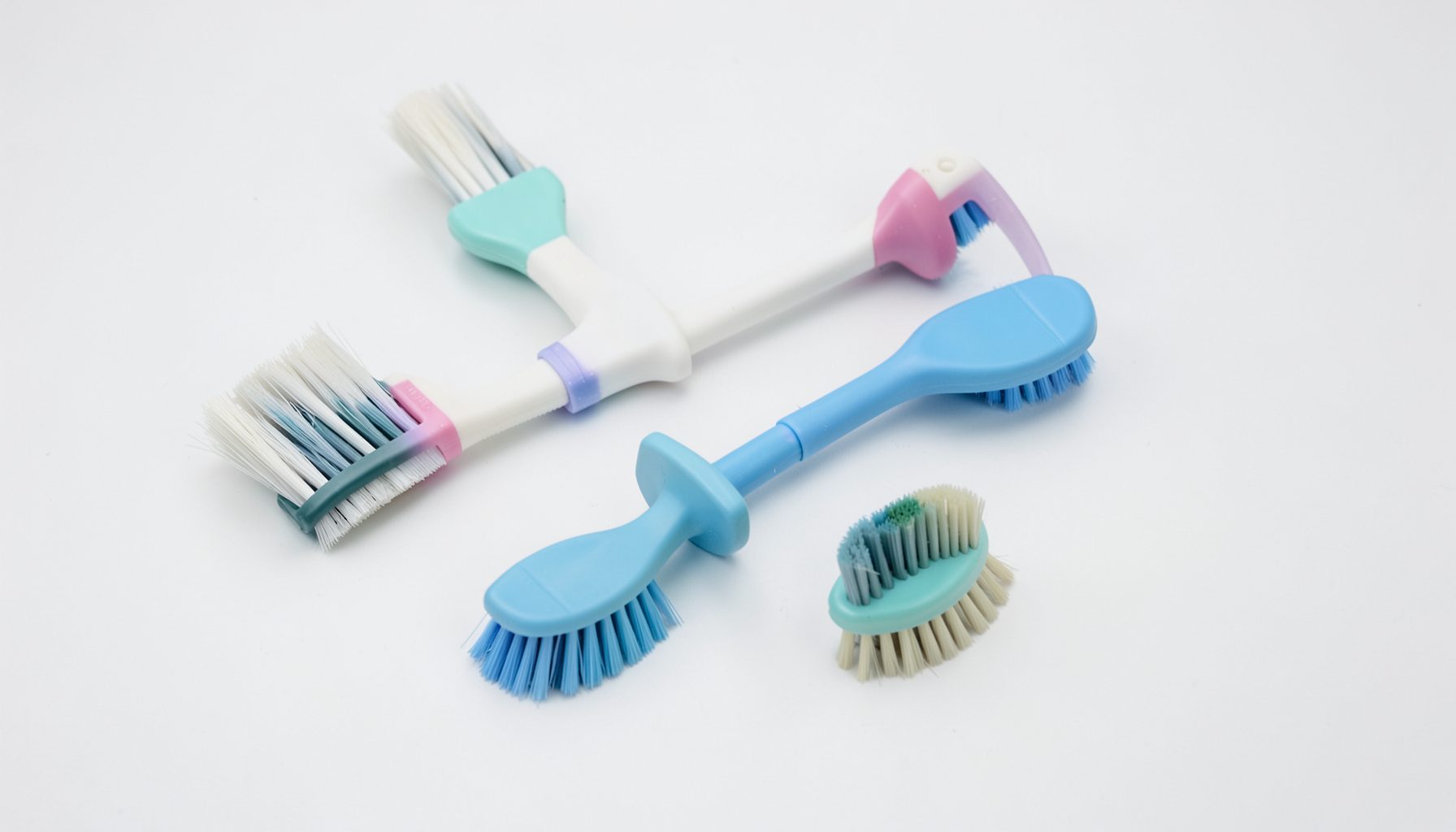
From the basic ResQRinse Nasal Rinse System ($19.99) to 90-day complete kits, saline packets, cleaning brushes, and Sinoptim Nasal Mist.
Browse all products →Get Started with ResQRinse
Ready to experience a better nasal rinse? Fill out the form below and we'll help you find the right product — or follow the simple steps to begin rinsing today.
Request More Information
How to Use ResQRinse
Fill the Bottle
Fill the ResQRinse squeeze bottle with distilled or previously boiled water and add one premixed saline packet.
Position the Tip
Place the comfort tip gently against one nostril. No head-tilting or awkward neck angles needed.
Squeeze & Breathe
Squeeze the bottle gently while breathing through your mouth. Nasal Lock™ keeps saline in your nasal passages and out of your throat.
Repeat & Clean
Switch nostrils and repeat. After use, rinse the bottle and let it air dry. Use ResQRinse Premium Cleaning Brushes for thorough cleaning.
How To Choose Between A Squeeze Bottle And A Neti Pot
Nasal irrigation can loosen mucus, wash away allergens, and add moisture when your nose feels blocked or irritated. Two familiar options are the squeeze-bottle rinse system and the traditional neti pot. Both deliver saline solution through one nostril and out the other, yet the experience can differ significantly.
The best choice depends on how much control you want over water flow, how easily you can maintain the device, and who will use it. A reliable nasal rinse also depends on proper saline preparation and safe water practices, so convenience should never replace hygiene.
Understanding the differences between these nasal irrigation methods makes it easier to select a system that fits your symptoms, routine, and comfort level. The right device should feel manageable enough to use correctly and consistently.
What Sets The Two Methods Apart
A neti pot uses gravity. You fill the reservoir, lean forward over a sink, tilt your head, and allow the saline solution to flow from the raised side through the nasal passages. It can provide a gentle rinse, but the user must find and maintain the right head position throughout the process.
A squeeze bottle uses light manual pressure to move saline through the nose. This gives you more influence over the speed and volume of the rinse. Many people appreciate that active control when congestion is heavy or when gravity alone feels too slow.
The shape and nozzle also affect the experience. A well-designed squeeze bottle can create a secure seal at the nostril, helping limit leaks and making the direction of flow more predictable. ResQRinse systems use Nasal Lock technology to support a comfortable fit while the rinse moves through the nasal passages.
Match Flow To Your Routine
Flow control is one of the most practical differences between these devices. With a neti pot, the flow is mainly determined by the angle of the pot and the force of gravity. Small changes in posture can alter the speed, which may take practice for first-time users.
A squeeze bottle lets you apply pressure gradually. You can begin with a gentle stream, pause when needed, and adjust the amount based on congestion or sensitivity. This can be helpful during seasonal allergies, colds, dry-air irritation, or sinus symptoms when a slower, more deliberate rinse feels preferable.
Active pressure does require restraint. Pressing too forcefully can cause discomfort, ear pressure, or an unpleasant sensation in the throat. The goal is a smooth, comfortable rinse rather than maximum force. Read the product instructions and stop if pain, persistent ear fullness, or significant irritation develops.
Consider Comfort, Control, And Convenience
A neti pot may appeal to people who prefer a simple, low-pressure method with fewer moving parts. It can be easy to understand and often feels calm when the user is comfortable with the required position. However, some users find balancing the pot and maintaining a steady head angle awkward.
A squeeze bottle can be easier to handle while traveling, during a busy morning, or when congestion makes positioning difficult. Its compact design and controlled delivery may also make it more approachable for someone who has never tried nasal irrigation. The bottle must still be held correctly, and a proper seal is important for a clean, contained rinse.
Portability also matters. A squeeze bottle and premeasured saline packets can simplify preparation away from home, while a neti pot may be more suitable for a stationary bathroom routine. Consider whether the device will live beside the sink, travel in a toiletry bag, or serve multiple members of a household. You can review available nasal rinse products to compare complete kits, saline packets, children’s options, and related accessories.
Compare Cleaning, Preparation, And Storage
Both devices need careful cleaning because moisture and leftover saline can support microbial growth. After each use, empty the reservoir, rinse it as directed, and allow every component to dry fully. Never store a damp device closed or leave old solution inside it.
A squeeze bottle may have several parts, including a cap, nozzle, and internal areas that need attention. A neti pot generally has a simpler structure, although its spout and reservoir still require regular washing. Follow the manufacturer’s instructions rather than assuming that a device is dishwasher-safe or suitable for boiling.
| Feature | Squeeze Bottle | Neti Pot |
|---|---|---|
| Flow source | User-applied pressure | Gravity |
| Flow control | Adjustable during use | Controlled mainly by head angle |
| Learning curve | Often quick to adapt to | Requires comfortable positioning |
| Portability | Usually compact and travel-friendly | Can be less convenient to carry |
| Cleaning needs | Several parts may need attention | Simpler shape, still needs thorough cleaning |
| Best suited to | Users wanting control and flexibility | Users preferring a gentle gravity rinse |
Water safety is essential with either method. Use distilled, sterile, or previously boiled and cooled water, and prepare saline according to the instructions supplied with the product. Tap water should not be used unless it has been treated appropriately for nasal irrigation. When you need a detailed maintenance routine, this guide explains how to clean your rinse bottle properly.
Choose For The People Using It
Adults who want adjustable flow often prefer a squeeze bottle, especially if they experience changing levels of congestion. The ability to pause and vary pressure can make the process feel more personalized. People who already feel comfortable with gravity-based irrigation may find that a neti pot meets their needs with less equipment.
Children require additional care, supervision, and an age-appropriate device. A child may struggle to maintain the posture required for a neti pot or may react negatively to an unfamiliar flow. A smaller system designed for children can provide better fit and gentler delivery when used according to its instructions.
Flow rate matters for younger users because nasal passages and comfort levels differ from those of adults. Learn why children’s rinse uses lower flow before choosing a device for a child. Do not force a rinse, and seek guidance from a pediatrician if a child has recurring symptoms, ear problems, nosebleeds, or difficulty tolerating irrigation.
People with frequent sinus symptoms, allergies, or postnasal drainage may use nasal rinsing as part of a broader care routine. It does not diagnose or treat every cause of congestion. Persistent symptoms, fever, severe facial pain, one-sided blockage, or repeated nosebleeds should be assessed by a qualified healthcare professional.
Use This Buying Checklist
A thoughtful purchase starts with the user rather than the device’s appearance. Focus on fit, instructions, replacement supplies, and the likelihood that the system will be cleaned correctly after every use.
- Choose a squeeze bottle if adjustable pressure and portability are high priorities.
- Choose a neti pot if you prefer gravity flow and a simple, low-pressure design.
- Look for a comfortable nozzle or seal that fits without painful pressure.
- Confirm that compatible saline packets and replacement parts are easy to obtain.
- Select a child-specific system for younger users instead of adapting an adult device.
Also consider how often you expect to rinse. A system that is quick to fill, comfortable to use, and simple to dry is more likely to become a consistent part of your routine. If several people share a household, each person should have an appropriately sized device or clearly separated components.
Turn Your Choice Into A Safe Routine
Whichever nasal irrigation method you select, begin with clean hands, fresh saline, and safe water. Lean over a sink, breathe through your mouth, and allow the solution to pass gently. Never share a personal nasal rinse device, and replace worn or damaged parts according to the manufacturer’s guidance.
For many users, a squeeze bottle offers the strongest combination of flow control, comfort, and portability. A neti pot remains a sensible option for those who prefer gravity irrigation and are comfortable with its positioning. Review your symptoms, household needs, and cleaning habits, then choose the system you can use correctly and regularly. Purchase a suitable nasal rinse kit and make careful saline irrigation part of a practical congestion-care routine.