ResQRinse is the nasal irrigation squeeze bottle that eliminates head-tilting and awkward neck positions. Using proprietary Nasal Lock™ technology, it delivers a comfortable, gag-free sinus cleanse — no more saline dripping down your throat.

Relief From Fall Sneezes
Now sold on Walmart.com. Free shipping on orders $30+. Try ResQRinse today with your everyday purchases.
Shop at WalmartWhy ResQRinse?
Nasal rinsing helps relieve congestion from colds, allergies, sinusitis, hay fever, and environmental pollutants. ResQRinse makes it comfortable enough to become a daily habit.
Nasal Lock™ Technology
Isolates sinuses from the throat using natural choanal occlusion — like inflating a balloon — so saline stays where it belongs.
Learn more →
Drug-Free Relief
Uses premixed saline packets with distilled water. No medications, no preservatives — just a natural cleanse for your nasal passages.
How to rinse →
For Kids Too
ResQRinse for Kids features a comfort nasal tip right-sized for smaller nostril openings, making rinsing gentle and easy for children.
Shop kids' version →
Breath-Controlled Flow
You control the saline flow with your own breath pressure — high volume, low pressure irrigation that's comfortable and effective.
Watch how-to videos →
Better Compliance
Designed to overcome the gagging and discomfort that cause people to abandon traditional neti pots and nasal rinse systems.
Our story →
Complete Kits Available
From the basic ResQRinse Nasal Rinse System ($19.99) to 90-day complete kits, saline packets, cleaning brushes, and Sinoptim Nasal Mist.
Browse all products →Get Started with ResQRinse
Ready to experience a better nasal rinse? Fill out the form below and we'll help you find the right product — or follow the simple steps to begin rinsing today.
Request More Information
How to Use ResQRinse
Fill the Bottle
Fill the ResQRinse squeeze bottle with distilled or previously boiled water and add one premixed saline packet.
Position the Tip
Place the comfort tip gently against one nostril. No head-tilting or awkward neck angles needed.
Squeeze & Breathe
Squeeze the bottle gently while breathing through your mouth. Nasal Lock™ keeps saline in your nasal passages and out of your throat.
Repeat & Clean
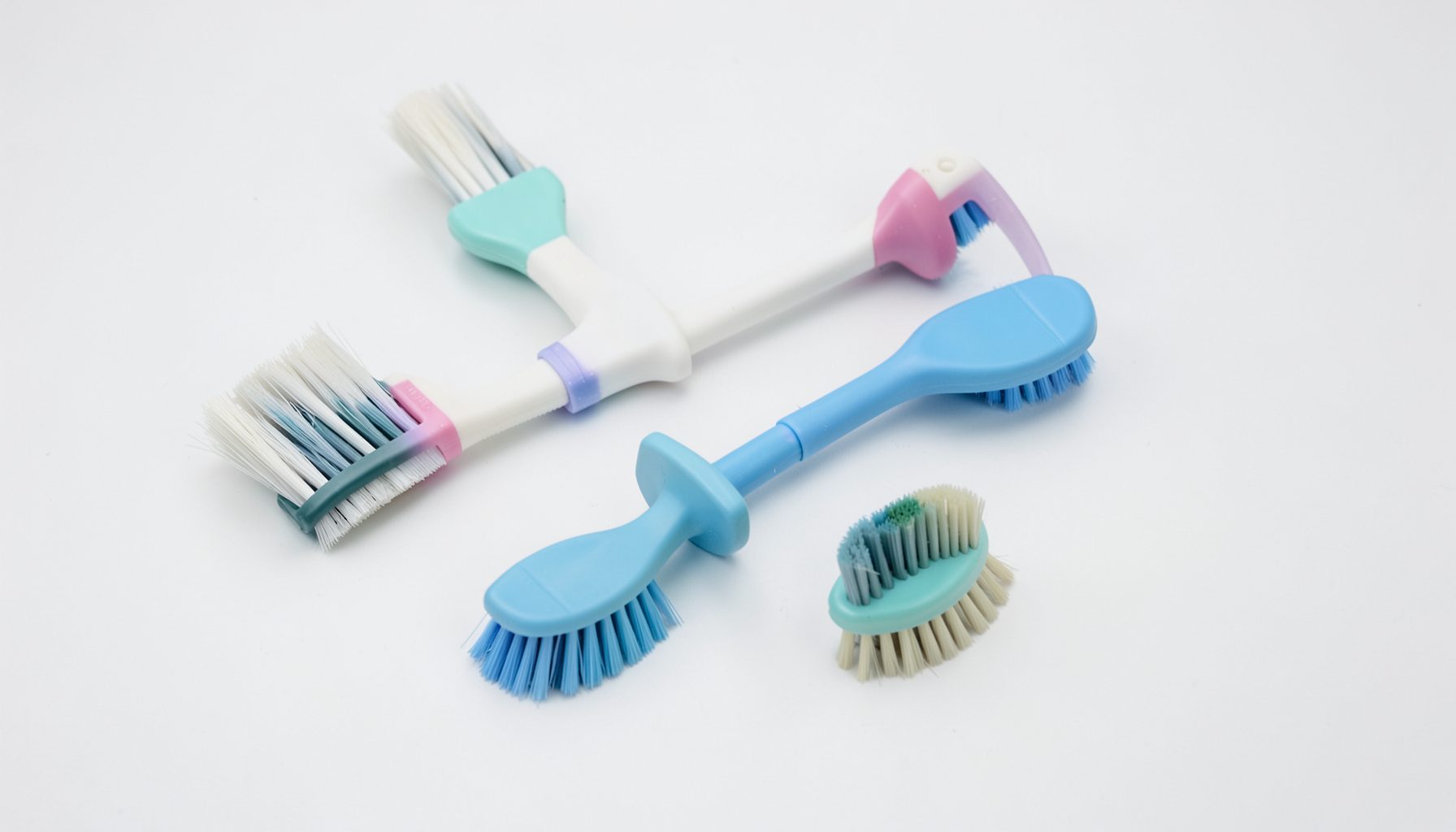
Switch nostrils and repeat. After use, rinse the bottle and let it air dry. Use ResQRinse Premium Cleaning Brushes for thorough cleaning.
Nasal Rinse for Hormonal Rhinitis During Pregnancy
Pregnancy can bring many unexpected changes, including a persistently stuffy or runny nose. Hormonal shifts increase blood flow to the nasal tissues, causing them to swell and making it harder to breathe comfortably. This condition is often called pregnancy rhinitis or hormonal rhinitis.
Congestion may appear without a cold, infection, or seasonal allergy trigger. Some people notice a blocked nose throughout the day, while others struggle more at night, during exercise, or when lying down. A saline nasal rinse can help wash away mucus and irritants while moisturizing dry nasal passages, without exposing you or your baby to a decongestant medication.
A rinse is a supportive comfort measure, not a way to diagnose the cause of congestion. Persistent, severe, or unusual symptoms deserve advice from an obstetrician, midwife, pharmacist, or primary care clinician. With the right water, saline concentration, and technique, nasal irrigation can be a practical part of a pregnancy-friendly congestion routine.
Why Pregnancy Can Cause Nasal Congestion
Higher levels of estrogen and other pregnancy hormones can increase circulation in the mucous membranes lining the nose. The tissue may become puffy, and the nasal passages can feel narrowed even when there is little mucus. This swelling may continue for weeks or months and sometimes lasts until delivery.
Hormonal rhinitis can resemble allergies or a mild cold. Sneezing, a clear runny nose, postnasal drainage, and nasal blockage are common, but fever, facial pain, thick discolored discharge, or a worsening cough may suggest another condition. Pregnancy can also make existing allergies feel more noticeable because the nasal lining is already sensitive.
A saline rinse works mechanically rather than pharmacologically. It can loosen mucus, remove airborne particles, and add moisture to irritated tissues. That makes it useful for pregnancy congestion when the goal is gentle, local relief.
How Saline Irrigation May Help
Saline solution is designed to match the natural salt balance of the nasal passages closely enough to reduce stinging. When it flows through one nostril and out the other, it can carry away mucus, pollen, dust, and other irritants. A squeeze-bottle system may also provide more controlled pressure than pouring water from a traditional pot.
For someone new to irrigation, mild dripping, temporary fullness, or a slightly unusual sensation can occur. These feelings generally improve with slower pressure and better head positioning. First-time rinse tips can help set realistic expectations and make the process feel less unfamiliar.
A nasal rinse should feel comfortable, not forceful. If solution causes sharp pain, significant ear pressure, repeated nosebleeds, or symptoms that continue after stopping, discontinue use and seek clinical guidance. Congestion that is caused mainly by swollen tissue may improve gradually rather than disappear after one rinse.
Choosing A Pregnancy-Friendly Rinse
The most important safety factor is the water used to prepare the solution. Use distilled or sterile water, or tap water that has been boiled and cooled according to public-health guidance. Do not use untreated tap water in a nasal irrigation device. Follow the product instructions for the correct amount of water and saline.
Ready-made saline packets can make the concentration easier to measure and reduce guesswork. A squeeze bottle with a soft, comfortable design may be easier to control than a device that requires prolonged head tilting. ResQRinse systems use Nasal Lock technology intended to support a steady, directed flow, which may be helpful when nasal tissues feel especially tender.
A clean device matters as much as the solution itself. Rinse the bottle and removable parts after every use, allow them to air-dry fully, and use cleaning tools as directed. Replace components when the manufacturer recommends it, or sooner if they become cracked, cloudy, or difficult to clean.
| Option | Potential benefit during pregnancy | Points to consider |
|---|---|---|
| Saline squeeze bottle | Controlled flow and easy coverage of both nasal passages | Use gentle pressure and clean it after each use |
| Saline mist | Convenient moisture for dryness and mild blockage | Usually offers less mucus-clearing flow than irrigation |
| Neti pot | Simple gravity-fed design | Requires careful positioning and may feel less controlled |
| Saline packets | Consistent salt measurement | Must be mixed with safe water at the correct volume |
| Medicated decongestant spray | May provide short-term relief in some situations | Ask a clinician before use during pregnancy and avoid self-treating repeatedly |
Using A Nasal Rinse Safely
Wash your hands before preparing the solution. Fill the device with the recommended amount of safe water, add the appropriate saline packet, and mix until dissolved. Lean over a sink, keep your mouth open, and tilt your head slightly forward and to the side rather than tipping it far backward.
Place the nozzle gently against the nostril to create a comfortable seal. Squeeze slowly so the solution can move through without excessive pressure. Breathe through your mouth, then allow the remaining fluid to drain before gently blowing your nose. Repeat on the other side if the instructions call for it.
Avoid irrigating when the nose is completely blocked and fluid cannot pass, unless a healthcare professional has advised you otherwise. Do not share a device, use leftover solution, or store mixed saline for later. A fresh solution and a clean bottle help reduce the chance of contamination.
Some people prefer rinsing in the morning to clear overnight buildup, while others find an evening rinse helps them breathe more comfortably in bed. Start with the frequency stated on the product instructions. Using a rinse more often than needed can irritate already sensitive nasal tissue.
Rinse Versus Other Congestion Options
A saline rinse is different from an oral decongestant or medicated nasal spray. It does not work by constricting blood vessels or changing hormone activity. That makes nonmedicated irrigation attractive for many pregnant people, although personal medical history still matters.
Humidity, adequate fluids, and sleeping with the head slightly elevated may complement saline irrigation. Avoid smoke, strong fragrances, and known allergy triggers when possible. If allergies are contributing to symptoms, ask a clinician which treatments are appropriate during pregnancy rather than choosing an over-the-counter product independently.
Traditional neti pots can also deliver saline, but the experience depends heavily on posture and flow control. People who want a comparison of device design and comfort can review this guide to gentler sinus irrigation. Whichever method you choose, safe water and careful cleaning remain essential.
When To Contact A Healthcare Professional
Pregnancy rhinitis is usually uncomfortable rather than dangerous, but congestion should not automatically be blamed on hormones. Contact your healthcare provider if symptoms are severe, last longer than expected, interfere with sleep, or make it difficult to eat, drink, or breathe normally.
Get prompt medical attention for shortness of breath, chest pain, facial swelling, high fever, severe headache, vision changes, confusion, or swelling that develops suddenly. A persistent one-sided blockage, repeated nosebleeds, or foul-smelling discharge also warrants assessment.
Ear pressure can sometimes follow nasal irrigation, especially when the flow is too strong or the nasal passages are swollen. Stop if you develop ear pain or significant fullness and review these ear pain precautions. A clinician can determine whether the symptom relates to technique, congestion, an ear problem, or another cause.
A Simple Routine For Comfort
A manageable routine is often more useful than trying to rinse aggressively. Choose a time when you are not rushed, prepare fresh saline, and use slow pressure. If one nostril is more blocked, begin with the clearer side and let the solution move at its own pace.
Keep these practical points in mind:
- Use distilled, sterile, or properly boiled and cooled water.
- Follow the saline packet and device measurements exactly.
- Rinse the bottle after each use and let it dry completely.
- Stop for sharp pain, bleeding, severe pressure, or worsening symptoms.
- Ask your prenatal care team before adding medicated nasal products.
Hormonal rhinitis can make pregnancy feel less comfortable, but gentle nasal care may ease daily congestion without adding unnecessary medication. Explore ResQRinse saline rinse systems, children’s options for family use, saline packets, cleaning brushes, complete kits, and nasal mist through the brand’s online retail partners, including Walmart and Amazon. Always pair product instructions with guidance from your prenatal healthcare professional.