ResQRinse is the nasal irrigation squeeze bottle that eliminates head-tilting and awkward neck positions. Using proprietary Nasal Lock™ technology, it delivers a comfortable, gag-free sinus cleanse — no more saline dripping down your throat.

Relief From Fall Sneezes
Now sold on Walmart.com. Free shipping on orders $30+. Try ResQRinse today with your everyday purchases.
Shop at WalmartWhy ResQRinse?
Nasal rinsing helps relieve congestion from colds, allergies, sinusitis, hay fever, and environmental pollutants. ResQRinse makes it comfortable enough to become a daily habit.
Nasal Lock™ Technology
Isolates sinuses from the throat using natural choanal occlusion — like inflating a balloon — so saline stays where it belongs.
Learn more →
Drug-Free Relief
Uses premixed saline packets with distilled water. No medications, no preservatives — just a natural cleanse for your nasal passages.
How to rinse →
For Kids Too
ResQRinse for Kids features a comfort nasal tip right-sized for smaller nostril openings, making rinsing gentle and easy for children.
Shop kids' version →
Breath-Controlled Flow
You control the saline flow with your own breath pressure — high volume, low pressure irrigation that's comfortable and effective.
Watch how-to videos →
Better Compliance
Designed to overcome the gagging and discomfort that cause people to abandon traditional neti pots and nasal rinse systems.
Our story →
Complete Kits Available
From the basic ResQRinse Nasal Rinse System ($19.99) to 90-day complete kits, saline packets, cleaning brushes, and Sinoptim Nasal Mist.
Browse all products →Get Started with ResQRinse
Ready to experience a better nasal rinse? Fill out the form below and we'll help you find the right product — or follow the simple steps to begin rinsing today.
Request More Information
How to Use ResQRinse
Fill the Bottle
Fill the ResQRinse squeeze bottle with distilled or previously boiled water and add one premixed saline packet.
Position the Tip
Place the comfort tip gently against one nostril. No head-tilting or awkward neck angles needed.
Squeeze & Breathe
Squeeze the bottle gently while breathing through your mouth. Nasal Lock™ keeps saline in your nasal passages and out of your throat.
Repeat & Clean
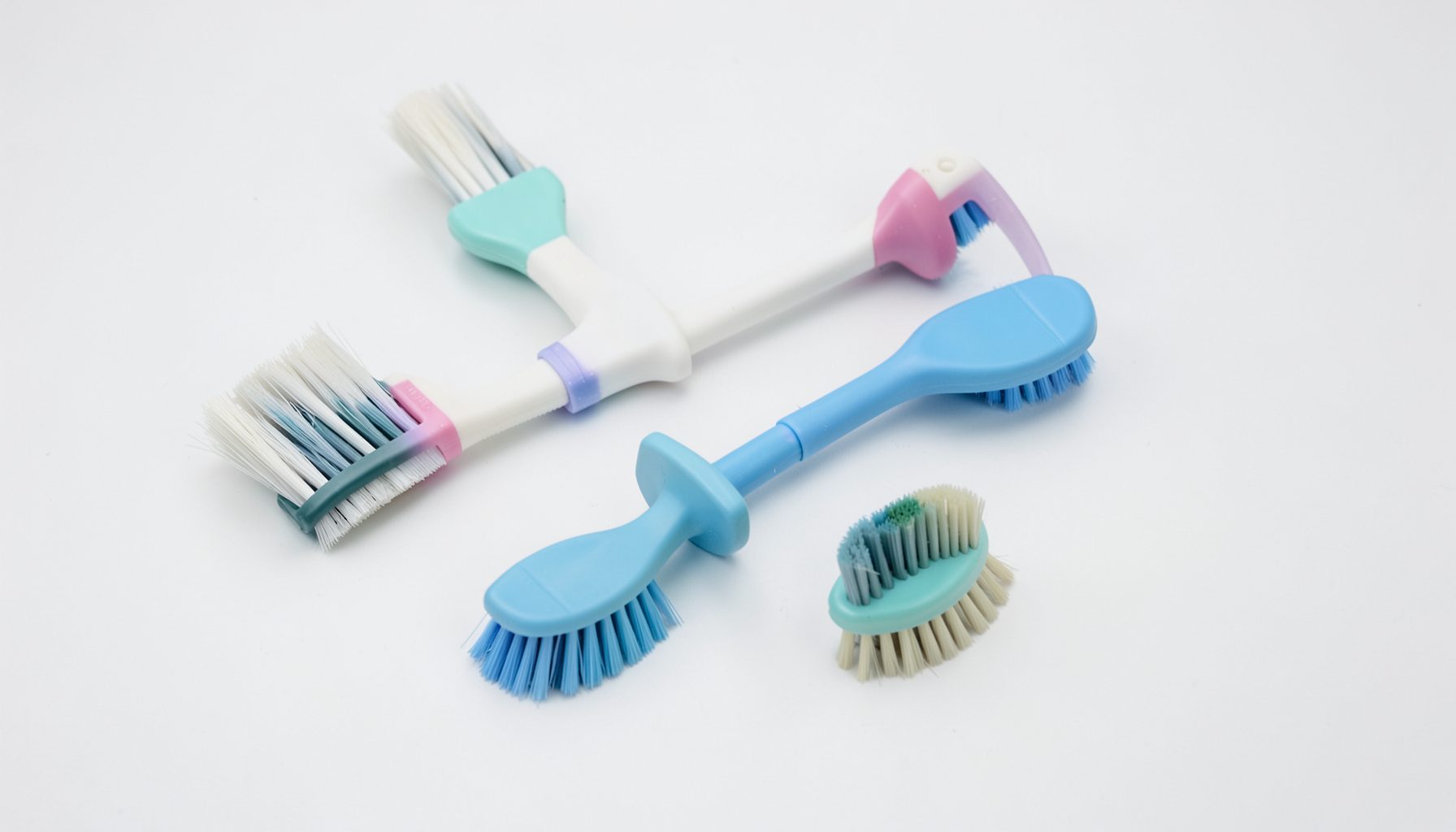
Switch nostrils and repeat. After use, rinse the bottle and let it air dry. Use ResQRinse Premium Cleaning Brushes for thorough cleaning.
Sinus Rinse and Ear Pain: What You Need to Know
Nasal irrigation can loosen mucus, wash away allergens, and make congested breathing feel easier. A squeeze-bottle rinse is generally comfortable when used with the right water, saline mixture, and gentle pressure. However, some people notice ear pressure, fullness, popping, or mild pain during or after rinsing.
This sensation often relates to the Eustachian tubes, narrow passages that connect the middle ear with the back of the nose and help balance pressure. If the nasal passages are very swollen, fluid or pressure may affect this area temporarily. Ear discomfort can also happen when a person squeezes too hard, tilts the head incorrectly, or rinses during an active ear infection.
Understanding the difference between brief pressure and a warning sign can help you use a sinus rinse more safely. The goal is to cleanse the nasal passages without forcing solution toward the ears or creating unnecessary irritation.
Why Ear Pain Can Follow a Rinse
The nose, throat, and middle ear are closely connected. During nasal irrigation, saline travels through one nostril and exits through the other, carrying mucus and particles with it. If congestion blocks the normal pathway, the solution may meet resistance, causing pressure to build near the back of the nose.
That pressure may be felt as a plugged ear, muffled hearing, clicking, or a brief ache. People with allergies, a cold, sinus inflammation, or naturally narrow nasal passages may be more likely to experience these symptoms. Lying down soon after rinsing can also allow residual fluid to remain in the nasal passages and contribute to a sensation of fullness.
Ear pain after a rinse does not automatically mean the irrigation caused damage. Mild discomfort that fades quickly is often linked to pressure changes. Persistent or worsening pain deserves more attention, especially if it occurs with fever, drainage, dizziness, or a noticeable change in hearing.
When Discomfort Is Usually Temporary
A short-lived feeling of pressure may improve when you stop rinsing, sit upright, swallow, yawn, or gently move your jaw. Do not try to force the ear to “pop” by blowing hard with the nose pinched. That maneuver can increase pressure in the middle ear and make the symptoms worse.
If the discomfort is mild, wait until the ears feel normal before attempting another rinse. Avoid repeated rinsing in an effort to remove the sensation. Extra irrigation can further irritate swollen tissue and may prolong congestion around the Eustachian tubes.
The temperature of the saline can affect comfort as well. Water that is too cold or too hot may trigger irritation, coughing, or a pressure sensation. Lukewarm saline is usually the most comfortable choice, and the mixture should follow the instructions supplied with the rinse system rather than being made excessively salty.
Technique Can Protect Your Ears
Gentle technique is one of the most important ways to reduce nasal rinse ear pressure. Lean over a sink with the head slightly forward and turned to the side, keeping the mouth open so you can breathe. Place the nozzle securely but comfortably against the nostril, then squeeze slowly. A forceful stream is more likely to create pressure than a steady, controlled flow.
Do not use a rinse when both nostrils are completely blocked, when swallowing is difficult, or when severe facial pressure makes the passage feel closed. You may need to wait for swelling to ease or speak with a healthcare professional about another option. Never share a nasal irrigation bottle, and clean it according to the manufacturer’s directions after use.
Some systems are designed to help regulate how solution enters the nose. ResQRinse explains how its Nasal Lock technology is intended to support a controlled, comfortable flow. No device removes the need for gentle pressure, proper positioning, and safe water preparation.
Choosing the Right Approach
Nasal irrigation is different from a nasal mist or a simple spray. Irrigation uses a larger volume of saline to flush mucus and particles from the nasal passages, while a mist provides moisture and a lighter coating. A mist may be more comfortable when the nose is irritated or when a full rinse feels too intense.
A traditional neti pot relies on gravity, whereas a squeeze bottle gives the user more control over the flow. That control can be helpful, but squeezing too rapidly can increase pressure. Children should use products designed for their age and should be supervised by an adult.
| Option | Main purpose | Ear-pressure considerations |
|---|---|---|
| Squeeze-bottle rinse | Flushes mucus, allergens, and thick secretions | Use slow, gentle pressure; stop if pain develops |
| Neti pot | Delivers saline by gravity | Requires careful head positioning and steady drainage |
| Saline mist | Moisturizes and lightly coats nasal tissue | Usually creates less pressure than irrigation |
| Saline packets | Provide measured salt for a rinse solution | Mix exactly as directed to avoid stinging |
| Child-specific system | Supports supervised nasal care for children | Use only when age-appropriate and comfortably tolerated |
People who experience frequent congestion can review guidance on rinsing during allergy season, but frequency should still be adjusted if ear symptoms appear. More frequent use is not always better, particularly when nasal tissue is dry, inflamed, or sensitive.
Signs to Pause and Seek Medical Advice
Stop nasal irrigation and seek medical advice if ear pain is sharp, severe, or persistent. Medical guidance is also appropriate when symptoms include pus or bloody drainage from the ear, fever, vertigo, significant hearing loss, swelling around the ear, or pain that continues after the nose feels clear.
Extra caution is needed for people with a history of ear surgery, a ruptured eardrum, recurring ear infections, or ongoing Eustachian tube dysfunction. Anyone with a weakened immune system or a condition affecting the nose or sinuses should ask a clinician how to irrigate safely.
Water safety is essential even when the concern is ear pressure. Use distilled or sterile water, or tap water that has been boiled and cooled according to public health guidance. Filtered water is not automatically sterile. Clean and air-dry the device after every use, and replace it if the bottle or nozzle develops cracks, residue, or an odor that does not wash away.
A Safer Routine for Nasal Irrigation
A few practical habits can make saline rinsing more comfortable and reduce the chance of pressure-related ear symptoms:
- Prepare fresh saline with the correct amount of safe, lukewarm water each time.
- Rinse while leaning forward, keep the mouth open, and let the solution flow without force.
- Avoid irrigation when the nose is fully blocked or the ears already feel painful or infected.
- Stop if you develop sharp pain, dizziness, worsening fullness, or hearing changes.
- Wash, rinse, and thoroughly air-dry the bottle and nozzle after each use.
If a rinse repeatedly causes ear discomfort, switch temporarily to a saline mist and arrange medical advice rather than pushing through the symptoms. Recurrent pressure may reflect allergies, chronic nasal swelling, a sinus infection, or a separate ear problem that needs treatment.
Make Comfort Part of Your Sinus Care
A nasal rinse should feel like a controlled cleansing step, not a test of how much pressure you can tolerate. Choose a system that fits your needs, follow its instructions carefully, and consider the full range of ResQRinse products, including saline packets, child-friendly options, cleaning tools, and nasal mist.
Use irrigation when it supports easier breathing and cleaner nasal passages, and pause when your ears signal that the technique or timing is not right. With safe water, gentle flow, proper cleaning, and timely medical care for persistent symptoms, nasal rinsing can remain a useful part of everyday sinus and allergy relief.