ResQRinse is the nasal irrigation squeeze bottle that eliminates head-tilting and awkward neck positions. Using proprietary Nasal Lock™ technology, it delivers a comfortable, gag-free sinus cleanse — no more saline dripping down your throat.
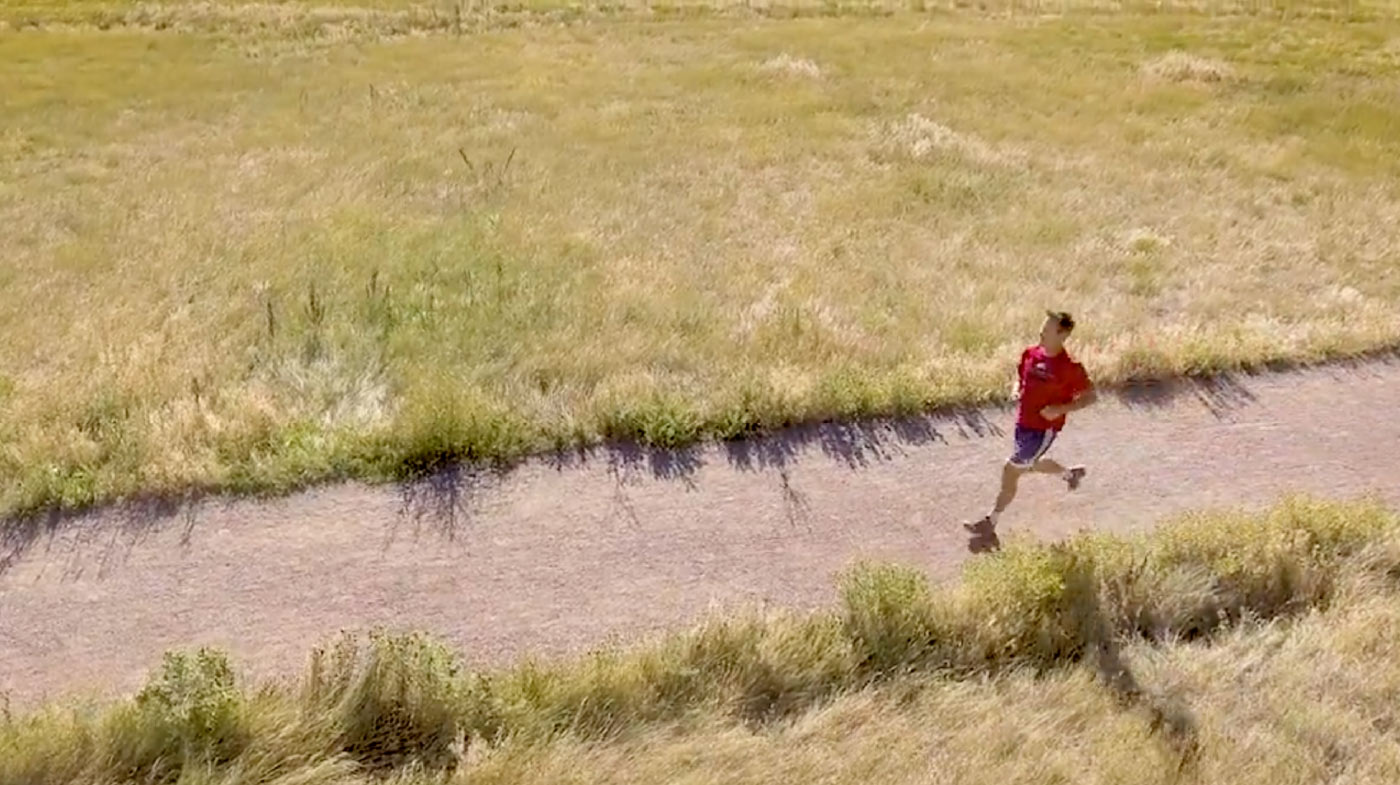
Relief From Fall Sneezes
Now sold on Walmart.com. Free shipping on orders $30+. Try ResQRinse today with your everyday purchases.
Shop at WalmartWhy ResQRinse?
Nasal rinsing helps relieve congestion from colds, allergies, sinusitis, hay fever, and environmental pollutants. ResQRinse makes it comfortable enough to become a daily habit.
Nasal Lock™ Technology
Isolates sinuses from the throat using natural choanal occlusion — like inflating a balloon — so saline stays where it belongs.
Learn more →
Drug-Free Relief
Uses premixed saline packets with distilled water. No medications, no preservatives — just a natural cleanse for your nasal passages.
How to rinse →
For Kids Too
ResQRinse for Kids features a comfort nasal tip right-sized for smaller nostril openings, making rinsing gentle and easy for children.
Shop kids' version →
Breath-Controlled Flow
You control the saline flow with your own breath pressure — high volume, low pressure irrigation that's comfortable and effective.
Watch how-to videos →
Better Compliance
Designed to overcome the gagging and discomfort that cause people to abandon traditional neti pots and nasal rinse systems.
Our story →
Complete Kits Available
From the basic ResQRinse Nasal Rinse System ($19.99) to 90-day complete kits, saline packets, cleaning brushes, and Sinoptim Nasal Mist.
Browse all products →Get Started with ResQRinse
Ready to experience a better nasal rinse? Fill out the form below and we'll help you find the right product — or follow the simple steps to begin rinsing today.
Request More Information
How to Use ResQRinse
Fill the Bottle
Fill the ResQRinse squeeze bottle with distilled or previously boiled water and add one premixed saline packet.
Position the Tip
Place the comfort tip gently against one nostril. No head-tilting or awkward neck angles needed.
Squeeze & Breathe
Squeeze the bottle gently while breathing through your mouth. Nasal Lock™ keeps saline in your nasal passages and out of your throat.
Repeat & Clean
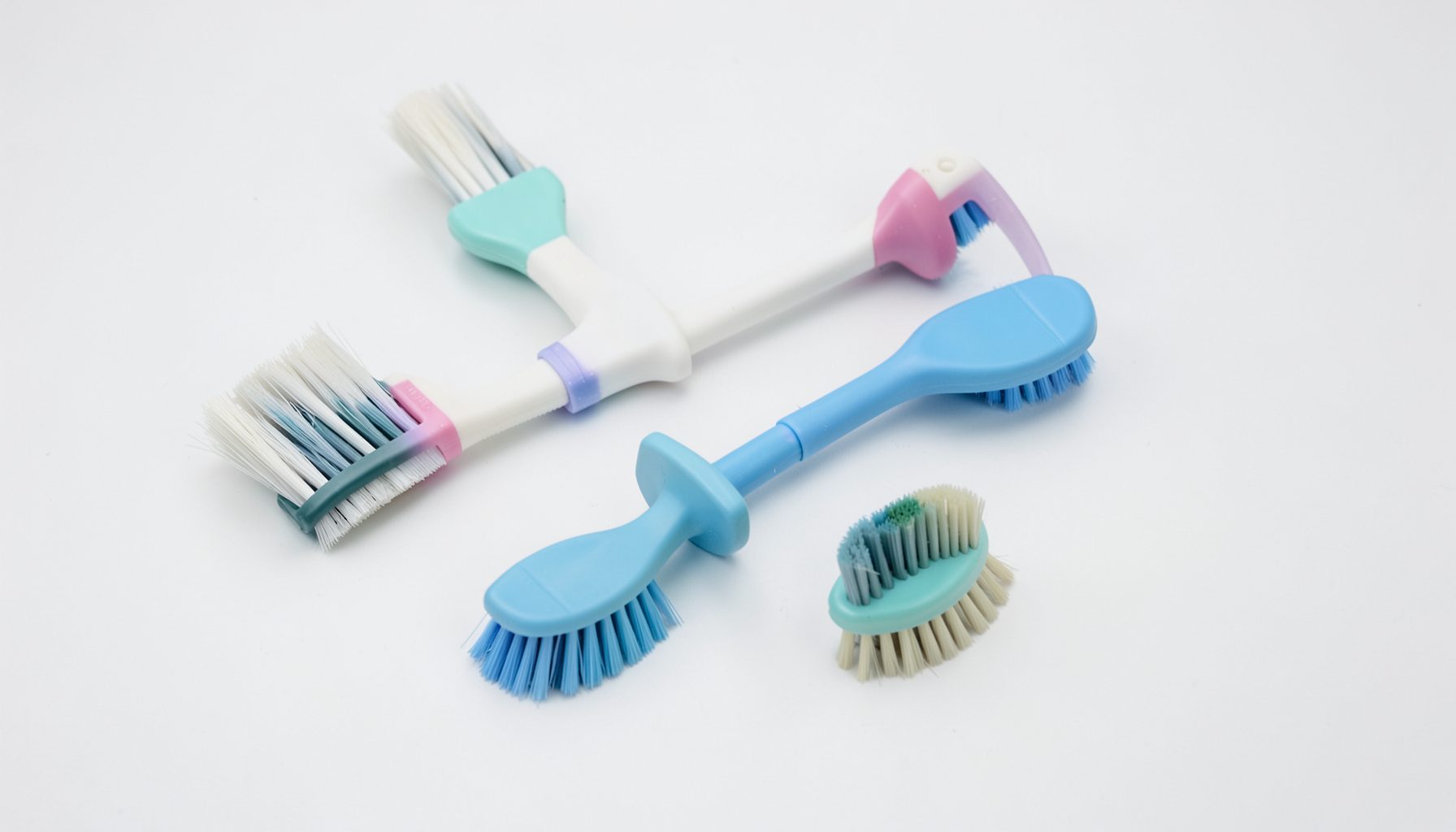
Switch nostrils and repeat. After use, rinse the bottle and let it air dry. Use ResQRinse Premium Cleaning Brushes for thorough cleaning.
Nasal Rinsing for Pollen and Dust Relief During Gardening Season
Gardening brings fresh air, exercise, and time outdoors, but it can also expose your nose to grass pollen, tree pollen, soil particles, compost dust, and mold spores. These irritants may leave your nose feeling stuffy, itchy, dry, or constantly runny long after you put away your tools.
A saline nasal rinse can help wash away airborne particles before they remain in contact with the nasal lining. Used as part of an outdoor-care routine, irrigation may ease congestion and help clear the thick mucus that develops after working in flower beds, lawns, greenhouses, or dusty sheds.
ResQRinse systems are designed for comfortable nasal irrigation with squeeze-bottle control, saline packets, and Nasal Lock technology. The range includes adult and children’s options, complete kits, cleaning brushes, and nasal mist for times when a full rinse is not practical.
Why gardening can trigger nasal symptoms
Gardening exposes the respiratory system to several types of particles at once. Pollen can trigger seasonal allergy symptoms, while loose soil and mulch may irritate the nasal passages mechanically. Compost, leaf piles, and damp organic material can also contain mold particles that contribute to sneezing and nasal discomfort.
When these particles enter the nose, the body may respond with increased mucus, swelling, and repeated sneezing. This reaction can make it harder to breathe comfortably through the nose. People with allergic rhinitis, sinus sensitivity, or a history of congestion may notice symptoms sooner and may need more time to recover after outdoor work.
A rinse does not remove the underlying cause of an allergy, and it is not a substitute for medical care when symptoms are severe. It can, however, provide a physical way to flush irritants from the nasal passages. That makes it especially useful after mowing, pruning, planting, raking, or handling dry potting mix.
When to use a saline nasal rinse
Timing matters. Rinsing after gardening can remove pollen and dust before they continue irritating the nasal lining. Many people prefer to rinse after returning indoors, changing out of dusty clothes, and washing their face and hands. If outdoor exposure lasts several hours, a rinse later in the day may also help clear accumulated mucus.
A gentle rinse may be useful when you notice nasal stuffiness, a tickling sensation, sneezing, or drainage after yard work. During high-pollen periods, some people include irrigation in their evening routine so their nose is cleaner before sleep. Follow the directions supplied with the device and avoid forcing fluid through a blocked or painful passage.
Water safety is essential. Use distilled or sterile water, or tap water that has been boiled and cooled according to established safety guidance. Do not use untreated water in a nasal irrigation device. Prepare fresh saline as directed, and clean and dry the bottle after each use to help maintain proper hygiene.
For a detailed routine that combines timing, preparation, and technique, follow this step-by-step allergy plan.
Choosing a comfortable system for outdoor exposure
A squeeze-bottle rinse system gives the user control over the flow and pressure. This can be helpful after gardening because the amount of rinse can be adjusted to suit temporary irritation, heavy congestion, or a preference for a slower application. The bottle should be used with a relaxed posture and gentle pressure rather than a forceful squeeze.
ResQRinse’s Nasal Lock technology is designed to help create a comfortable seal during use. A stable fit can reduce leakage and make the process easier to manage over a sink. Learn more about how Nasal Lock works before choosing a system for regular seasonal use.
Families may prefer separate devices for each person, with a child-friendly version for younger users who can follow safe instructions. Saline packets make preparation more consistent, while cleaning brushes can help maintain the bottle and nozzle. A complete kit may be convenient for households that want the device, saline, and cleaning accessories together.
| Option | Best suited for | Useful feature during gardening season |
|---|---|---|
| Adult squeeze-bottle system | Regular post-gardening rinsing | Adjustable flow and practical capacity |
| Children’s rinse system | Children who can safely follow instructions | Smaller, age-appropriate design |
| Saline packets | Consistent preparation | Measured formula for each rinse |
| Nasal mist | Light dryness or quick comfort | Portable option when a full rinse is inconvenient |
| Cleaning brush | Routine device care | Helps clean narrow bottle and nozzle areas |
| Complete kit | New users or seasonal preparation | Several essentials in one package |
Making irrigation part of a gardening routine
A simple routine can make nasal care easier to remember. Before heading outside, check the pollen forecast if available, wear protective eyewear, and consider a well-fitting mask for dusty jobs such as handling compost or dry soil. Gloves and long sleeves can reduce skin contact with irritants, while showering or changing clothes after gardening may limit the amount of pollen brought indoors.
Afterward, rinse the nose only when you can use clean equipment and safe water. Keep the bottle in a dedicated, dry location rather than leaving it near damp gardening supplies. Wash the device according to the manufacturer’s instructions, allow all parts to air-dry fully, and replace components when they show wear.
The goal is consistency, not excessive use. A saline rinse may be appropriate after significant exposure or when symptoms appear, but using it too forcefully or too frequently can make the nose feel irritated. Stop if you experience significant pain, nosebleeding, ear pressure, or worsening symptoms.
Supporting relief beyond the rinse
Nasal irrigation works best as one part of a broader approach to pollen and dust management. Gardening earlier in the day may help some people avoid peak pollen conditions, although pollen levels vary by plant, weather, and location. Keeping windows closed during high-pollen periods and washing outdoor clothing can also reduce indoor exposure.
If dust is the main problem, dampening dry soil before digging may reduce particles in the air. Avoid shaking dusty gloves or clothing inside the home. Clean tools outdoors when possible, and use a mask designed for particulate protection during tasks that create visible clouds of soil, mulch, or compost dust.
Medication may be appropriate for some allergy sufferers, but product choice should be discussed with a healthcare professional or pharmacist, particularly for children, pregnancy, chronic conditions, or interactions with other medicines. A saline rinse contains no decongestant drug, so it offers a different type of support from medicated nasal sprays.
Signs that need extra attention
Temporary congestion and sneezing after gardening are common, but persistent or unusual symptoms deserve closer attention. Severe facial pain, fever, shortness of breath, repeated nosebleeds, swelling around the eyes, or symptoms that continue to worsen should be assessed by a healthcare professional.
Mucus color alone does not reliably show whether an illness is bacterial or whether antibiotics are needed. A mucus color guide can provide useful context, but symptoms must be considered together with their duration and severity.
People with a completely blocked nose, recent nasal surgery, frequent ear problems, or a condition affecting immune function should seek professional advice before beginning irrigation. Children should use a nasal rinse only with age-appropriate equipment and responsible adult supervision.
Practical habits for a clearer gardening season
- Rinse after dusty or high-pollen outdoor work, using distilled, sterile, or properly boiled and cooled water.
- Prepare saline exactly as directed and avoid using plain water in place of a saline solution.
- Clean, rinse, and air-dry the bottle and nozzle after each use.
- Combine nasal irrigation with protective clothing, handwashing, and changing after heavy exposure.
- Stop and seek medical guidance if rinsing causes pain, bleeding, ear pressure, or worsening symptoms.
A clean, comfortable nasal rinse can become a useful part of seasonal garden care. Explore ResQRinse squeeze-bottle systems, saline packets, children’s options, cleaning accessories, and nasal mist through the brand’s online shopping partners at Walmart and Amazon, and choose the setup that fits your household’s gardening routine.