ResQRinse is the nasal irrigation squeeze bottle that eliminates head-tilting and awkward neck positions. Using proprietary Nasal Lock™ technology, it delivers a comfortable, gag-free sinus cleanse — no more saline dripping down your throat.

Relief From Fall Sneezes
Now sold on Walmart.com. Free shipping on orders $30+. Try ResQRinse today with your everyday purchases.
Shop at WalmartWhy ResQRinse?
Nasal rinsing helps relieve congestion from colds, allergies, sinusitis, hay fever, and environmental pollutants. ResQRinse makes it comfortable enough to become a daily habit.
Nasal Lock™ Technology
Isolates sinuses from the throat using natural choanal occlusion — like inflating a balloon — so saline stays where it belongs.
Learn more →
Drug-Free Relief
Uses premixed saline packets with distilled water. No medications, no preservatives — just a natural cleanse for your nasal passages.
How to rinse →
For Kids Too
ResQRinse for Kids features a comfort nasal tip right-sized for smaller nostril openings, making rinsing gentle and easy for children.
Shop kids' version →
Breath-Controlled Flow
You control the saline flow with your own breath pressure — high volume, low pressure irrigation that's comfortable and effective.
Watch how-to videos →
Better Compliance
Designed to overcome the gagging and discomfort that cause people to abandon traditional neti pots and nasal rinse systems.
Our story →
Complete Kits Available
From the basic ResQRinse Nasal Rinse System ($19.99) to 90-day complete kits, saline packets, cleaning brushes, and Sinoptim Nasal Mist.
Browse all products →Get Started with ResQRinse
Ready to experience a better nasal rinse? Fill out the form below and we'll help you find the right product — or follow the simple steps to begin rinsing today.
Request More Information
How to Use ResQRinse
Fill the Bottle
Fill the ResQRinse squeeze bottle with distilled or previously boiled water and add one premixed saline packet.
Position the Tip
Place the comfort tip gently against one nostril. No head-tilting or awkward neck angles needed.
Squeeze & Breathe
Squeeze the bottle gently while breathing through your mouth. Nasal Lock™ keeps saline in your nasal passages and out of your throat.
Repeat & Clean
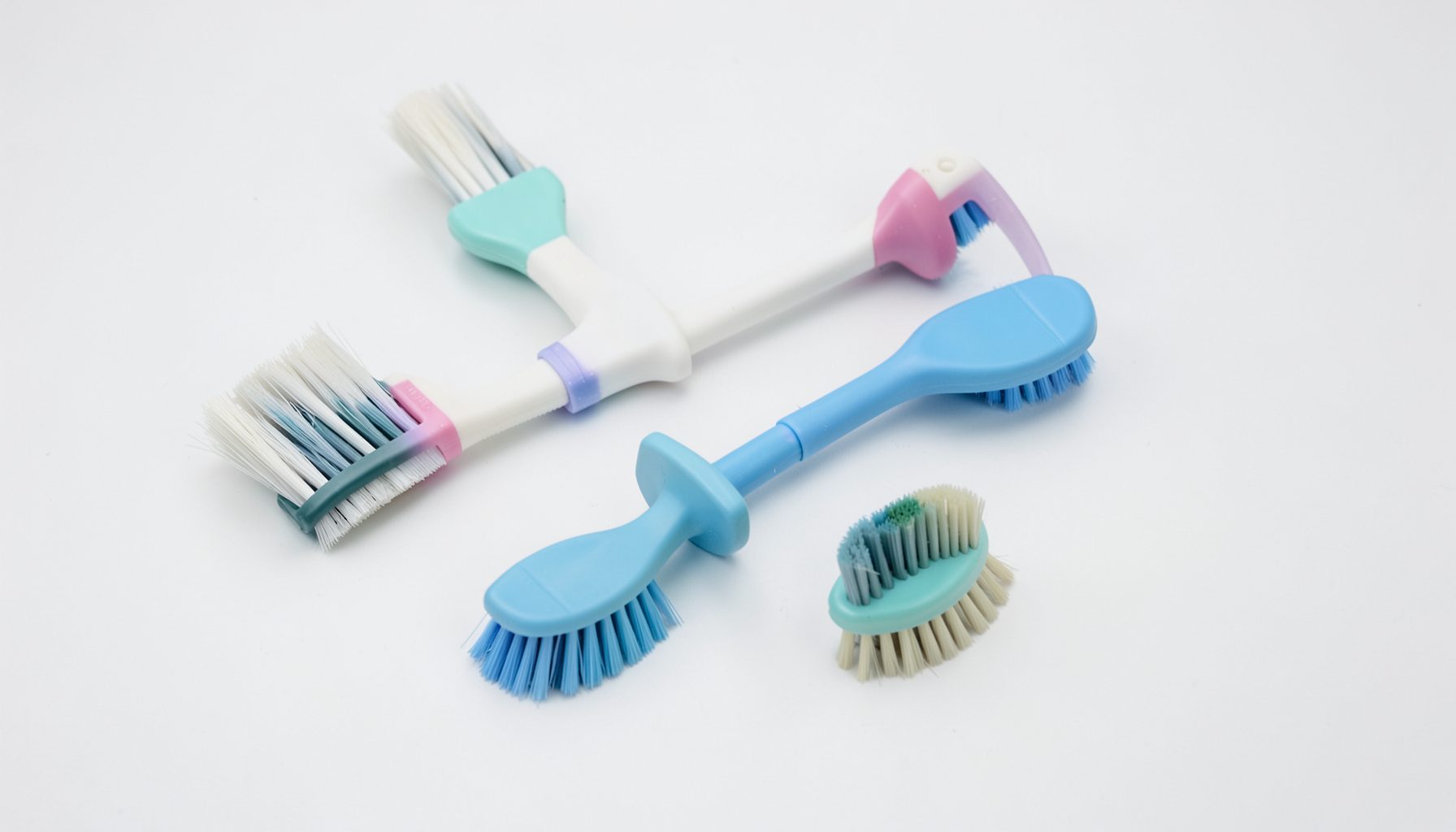
Switch nostrils and repeat. After use, rinse the bottle and let it air dry. Use ResQRinse Premium Cleaning Brushes for thorough cleaning.
A Practical Sinus Rinse Plan for Allergy Season
Seasonal allergies can leave the nasal passages swollen, irritated, and crowded with mucus. Pollen, grass, mold, and other airborne triggers may cause congestion, sneezing, postnasal drip, facial pressure, or a constantly runny nose. A saline nasal rinse can help wash away unwanted particles while moisturizing dry nasal tissue.
The most effective routine is simple, consistent, and hygienic. It involves choosing the right equipment, preparing safe saline, using the rinse correctly, and cleaning the device after every session. Nasal irrigation can support symptom relief, but it does not replace medical care when symptoms are severe, persistent, or unusual.
A squeeze-bottle system can be especially convenient during allergy season because it gives you control over the flow and is easy to use at a sink. ResQRinse systems also feature Nasal Lock technology, designed to help create a comfortable seal during rinsing when the bottle is positioned correctly.
Prepare Before Allergy Symptoms Peak
Starting a rinse routine after congestion becomes intense can make the process feel more difficult. Consider preparing your supplies before the pollen count rises in your area. You will need a clean nasal irrigation bottle, saline packets formulated for nasal use, and water that is distilled, sterile, or previously boiled and cooled.
Do not use untreated tap water in a nasal rinse. Even when tap water is safe to drink, it may contain organisms that should not enter the nasal passages. Follow the water guidance supplied with your device and use a fresh saline solution for each rinse.
Check the bottle, cap, and nozzle before use. Replace any component that is cracked, cloudy, damaged, or difficult to clean. If you are buying a complete system for the first time, information about ResQRinse products can help explain the intended use and available options.
Mix A Comfortable Saline Solution
Saline should feel gentle rather than sharply painful. Use the premeasured packets recommended for your irrigation system instead of trying to estimate salt and buffering ingredients at home. Packets are designed to create an appropriate concentration when mixed with the stated volume of water.
Water temperature matters as well. Lukewarm water is generally more comfortable than water that is very cold or hot. Test a small amount on the inside of your wrist before filling the bottle. Hot water can injure sensitive tissue, while cold water may cause an unpleasant sensation or increase discomfort.
Wash your hands before preparing the rinse. Pour the correct amount of safe water into the bottle, add the saline packet, and close the container firmly. Shake until the powder dissolves completely. Never add medication, essential oils, or other substances unless a qualified healthcare professional specifically instructs you to do so.
Follow A Gentle Rinsing Technique
Lean over a sink and tilt your head slightly forward and to one side. Keep your mouth open and breathe through it. Place the nozzle against the nostril to create a comfortable seal, but do not force it into the nose. With a squeeze bottle, apply steady, gentle pressure rather than compressing it abruptly.
The solution should flow through one nasal passage and exit through the other nostril or mouth. Some fluid may remain briefly in the nasal cavity, so allow it to drain before standing upright. Repeat on the opposite side using the remaining solution, if your system instructions call for a rinse in both nostrils.
If the solution travels toward the ears, causes strong pressure, or produces significant pain, stop and reassess your position and pressure. Congestion may make flow slower, so forcing the bottle is not the answer. A comfortable seal and gradual pressure are more useful than a powerful stream.
| Step | What To Do | What To Avoid |
|---|---|---|
| Prepare | Wash hands and use distilled, sterile, or boiled-and-cooled water | Untreated tap water |
| Mix | Add the recommended saline packet and dissolve fully | Guessing salt amounts or adding other ingredients |
| Position | Lean forward, turn the head slightly, and breathe through the mouth | Tilting the head far back |
| Rinse | Use slow, steady pressure on each side | Squeezing forcefully |
| Finish | Let the fluid drain and gently blow the nose | Blowing hard immediately |
| Clean | Rinse and air-dry every component | Storing the bottle while wet |
Choose The Right Time And Frequency
Many people prefer to rinse after spending time outdoors, especially when pollen or dust exposure has been high. An evening rinse may help clear particles before sleep. Others find a morning routine useful for loosening overnight mucus and starting the day with clearer nasal passages.
Frequency depends on your symptoms, the product directions, and your healthcare provider’s advice. During a difficult allergy period, some adults may use saline irrigation once or twice daily. More frequent use is not automatically better, particularly if the nose becomes dry, sore, or irritated.
Avoid rinsing when one or both nostrils are completely blocked unless a clinician has advised you how to proceed. A nasal spray or other treatment may be appropriate for certain symptoms, but medications should be selected with professional guidance. Children should use an age-appropriate system with close adult supervision, and infants require advice from a pediatric clinician.
Clean And Store The System Carefully
Rinsing the device is part of the treatment routine. After use, disassemble the bottle, cap, and nozzle according to the manufacturer’s directions. Wash each part with clean water and mild dish soap if recommended. A cleaning brush can help reach the interior of a bottle or narrow passage where moisture and residue may collect.
Allow every component to air-dry completely in a clean, well-ventilated area before reassembling or storing it. Do not seal a damp bottle in a cabinet or bag. Moisture trapped inside can encourage microbial growth, undermining the hygiene of future rinses.
Inspect the system regularly and replace it according to the product instructions. If you share a household, each person should have a separate bottle and nozzle. A short review of common use and cleaning concerns is available in the ResQRinse frequently asked questions, including guidance that may help you build a safer routine.
Adjust Your Routine For Better Relief
A rinse can be one part of a broader allergy-management plan. Reducing exposure to triggers may make the benefits easier to notice. On high-pollen days, keep windows closed when practical, change clothes after outdoor activities, and shower before bed. Washing bedding regularly and using a clean pillowcase can also reduce overnight exposure to irritants.
Track how your nose responds over several days. Note the time of rinsing, outdoor exposure, congestion, drainage, and any burning or ear pressure. This record can help you identify whether morning or evening use is more comfortable and can provide useful information during a medical appointment.
Use these practical habits to support a consistent routine:
- Keep saline packets and the clean, dry device together in an accessible location.
- Rinse after heavy outdoor exposure rather than waiting until congestion becomes severe.
- Use gentle pressure and stop if you feel pain, strong ear pressure, or worsening symptoms.
- Clean and fully dry the system after every use.
- Follow age-specific directions and supervise children throughout the process.
Know When To Seek Medical Advice
Saline irrigation is generally used for temporary relief from nasal congestion and irritation, but symptoms can have causes beyond seasonal allergies. Contact a healthcare professional if congestion lasts longer than expected, repeatedly returns without a clear trigger, or interferes with sleep and daily activities.
Seek prompt medical advice for high fever, severe facial pain, swelling around the eyes, vision changes, recurrent nosebleeds, foul-smelling drainage, or symptoms that worsen after initial improvement. People with recent nasal surgery, frequent nosebleeds, structural nasal problems, or immune-system conditions should ask a clinician whether irrigation is appropriate.
Stop using the rinse if it causes persistent burning, bleeding, ear pain, or marked discomfort. A clinician can help determine whether the symptoms reflect allergy, infection, medication effects, asthma-related inflammation, or another condition that needs targeted treatment.
Make Rinsing A Steady Seasonal Habit
A well-prepared saline rinse can help remove pollen and mucus while supporting a more comfortable breathing routine during allergy season. Safe water, correctly mixed saline, gentle technique, and careful cleaning are the essential steps. The process should feel controlled and soothing, never forceful.
Prepare your supplies before symptoms intensify, select a system that fits your household, and follow the manufacturer’s directions each time. Explore the available ResQRinse systems and saline supplies through the brand’s latest news, then make nasal care part of your regular seasonal plan.