ResQRinse is the nasal irrigation squeeze bottle that eliminates head-tilting and awkward neck positions. Using proprietary Nasal Lock™ technology, it delivers a comfortable, gag-free sinus cleanse — no more saline dripping down your throat.

Relief From Fall Sneezes
Now sold on Walmart.com. Free shipping on orders $30+. Try ResQRinse today with your everyday purchases.
Shop at WalmartWhy ResQRinse?
Nasal rinsing helps relieve congestion from colds, allergies, sinusitis, hay fever, and environmental pollutants. ResQRinse makes it comfortable enough to become a daily habit.
Nasal Lock™ Technology
Isolates sinuses from the throat using natural choanal occlusion — like inflating a balloon — so saline stays where it belongs.
Learn more →
Drug-Free Relief
Uses premixed saline packets with distilled water. No medications, no preservatives — just a natural cleanse for your nasal passages.
How to rinse →
For Kids Too
ResQRinse for Kids features a comfort nasal tip right-sized for smaller nostril openings, making rinsing gentle and easy for children.
Shop kids' version →
Breath-Controlled Flow
You control the saline flow with your own breath pressure — high volume, low pressure irrigation that's comfortable and effective.
Watch how-to videos →
Better Compliance
Designed to overcome the gagging and discomfort that cause people to abandon traditional neti pots and nasal rinse systems.
Our story →
Complete Kits Available
From the basic ResQRinse Nasal Rinse System ($19.99) to 90-day complete kits, saline packets, cleaning brushes, and Sinoptim Nasal Mist.
Browse all products →Get Started with ResQRinse
Ready to experience a better nasal rinse? Fill out the form below and we'll help you find the right product — or follow the simple steps to begin rinsing today.
Request More Information
How to Use ResQRinse
Fill the Bottle
Fill the ResQRinse squeeze bottle with distilled or previously boiled water and add one premixed saline packet.
Position the Tip
Place the comfort tip gently against one nostril. No head-tilting or awkward neck angles needed.
Squeeze & Breathe
Squeeze the bottle gently while breathing through your mouth. Nasal Lock™ keeps saline in your nasal passages and out of your throat.
Repeat & Clean
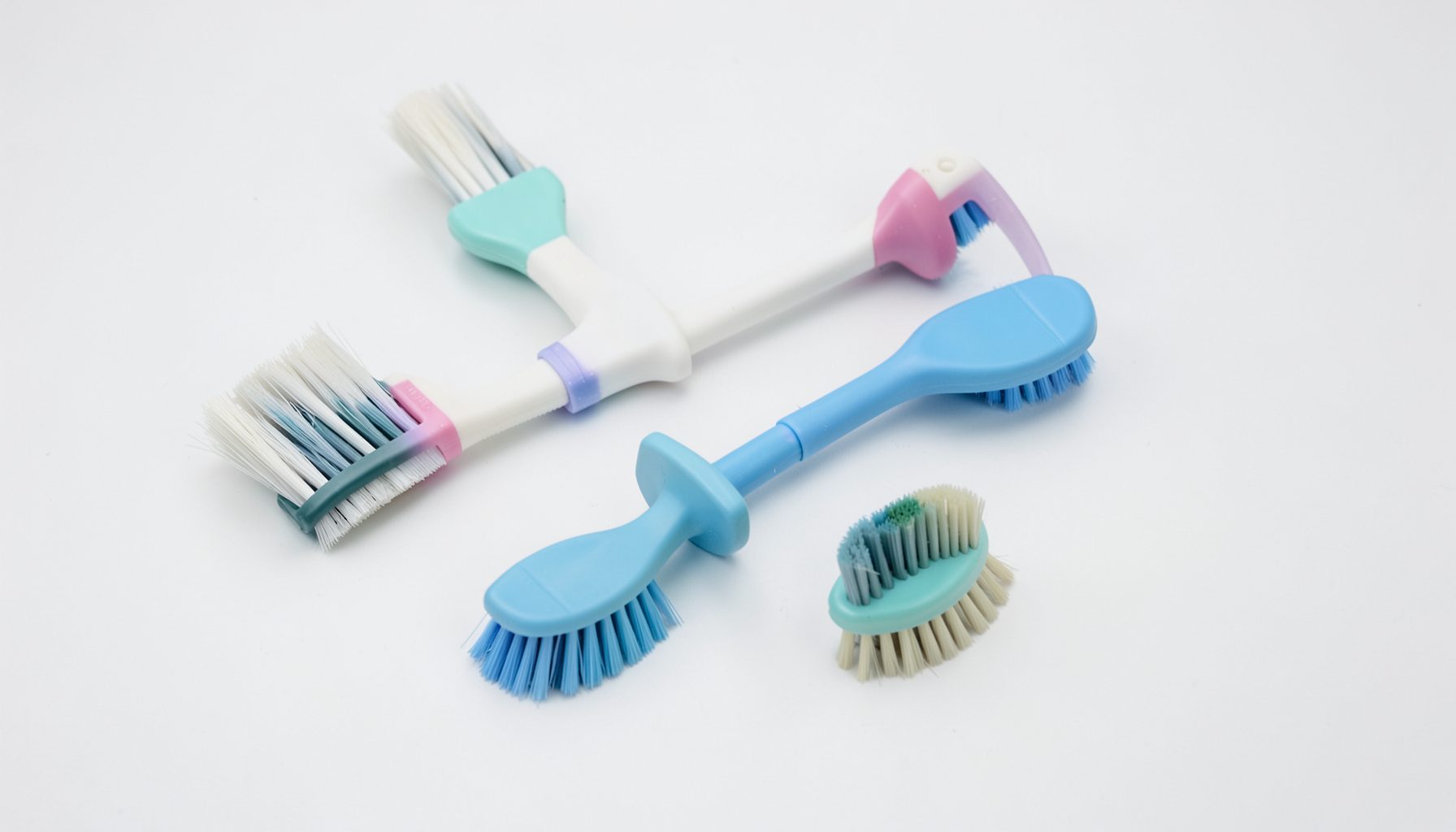
Switch nostrils and repeat. After use, rinse the bottle and let it air dry. Use ResQRinse Premium Cleaning Brushes for thorough cleaning.
What Your Mucus Color Actually Means
Mucus is part of your body’s normal defense system. It traps dust, allergens, germs, and other particles before they travel deeper into your airways. Most of the time, nasal mucus is clear or slightly cloudy, and changes in color are temporary signs of irritation, inflammation, dehydration, or an active immune response.
A shift in color can offer useful context, but it rarely identifies the exact cause by itself. Yellow mucus does not automatically mean a bacterial infection, and green mucus does not prove that antibiotics are needed. The duration of symptoms, your other symptoms, and how you feel overall matter just as much as the shade in a tissue.
Understanding these changes can help you decide when simple home care may be enough and when professional medical advice is appropriate. Gentle saline irrigation, hydration, rest, and avoiding known irritants can often support comfortable nasal breathing while your body recovers.
Why nasal mucus changes color
Healthy mucus is usually clear because it contains water, salts, proteins, and immune substances. It may look white when it becomes thicker, often because the nasal passages are inflamed or you are not drinking enough fluids. Dry indoor air, cold weather, mouth breathing, and congestion can all make mucus appear less transparent.
Yellow or green shades often develop when immune cells gather in the mucus. As these cells break down and mix with trapped particles, the mucus may become darker and thicker. This process can happen during a common cold or viral sinus infection and does not necessarily indicate a bacterial illness.
Environmental debris can also affect appearance. Dust, smoke, pollution, and allergens may give mucus a grayish or dull tone. Color is therefore best treated as one clue among several rather than a diagnosis.
A practical guide to common colors
The shade, texture, and length of time it persists can help you interpret nasal discharge more accurately. The guide below offers general context for common mucus colors, but it cannot replace an evaluation by a healthcare professional.
| Mucus color | Common explanations | What to watch for |
|---|---|---|
| Clear | Normal nasal function, allergies, early cold, or irritation | Persistent sneezing, itching, or watery drainage may suggest allergies |
| White or cloudy | Thickened mucus, dryness, congestion, or inflammation | Facial pressure, fever, or symptoms lasting longer than expected |
| Yellow | Immune cells and debris during a cold or sinus inflammation | Worsening symptoms, significant pain, or prolonged congestion |
| Green | Concentrated mucus and immune activity | High fever, severe facial pain, or symptoms that improve and then worsen |
| Pink or red | Minor bleeding from dryness, forceful blowing, or irritation | Frequent bleeding, heavy bleeding, injury, or blood from one side only |
| Brown | Old blood, smoke, dust, or environmental particles | Repeated occurrences without an obvious cause |
| Black | Heavy contamination, severe tissue problems, or rarely a serious fungal infection | Seek prompt medical attention, especially with severe illness or immune suppression |
Color changes that last only a short time are often less concerning than symptoms that steadily intensify. Thick mucus can also look darker after sitting in the nasal cavity or on a tissue, so a single observation may not reflect what is happening throughout the day.
When color comes with other symptoms
Congestion, sneezing, itchy eyes, and clear drainage commonly occur with seasonal allergies or exposure to irritants. A cold may begin with watery mucus and later produce thicker white, yellow, or green discharge as inflammation increases. These patterns can overlap, so symptoms should be considered together.
Sinus inflammation may cause facial pressure, reduced sense of smell, postnasal drip, headache, and nasal obstruction. A change in mucus color alone is not enough to distinguish viral sinusitis from bacterial sinusitis. A clinician may consider the severity, duration, and progression of the full illness before recommending treatment.
Seek medical advice if symptoms are severe, last longer than about 10 days without improvement, or improve and then become significantly worse. Prompt care is also appropriate for swelling around the eyes, vision changes, confusion, a stiff neck, severe headache, trouble breathing, or a high or persistent fever.
How saline rinsing can help
Saline irrigation can flush out excess mucus, allergens, dust, and other irritants while adding moisture to dry nasal passages. It may make mucus easier to clear and help reduce the feeling of blockage. A rinse does not cure every cause of congestion, but it can be a useful part of supportive care for colds, allergies, and sinus symptoms.
A squeeze-bottle system gives you control over the flow and pressure, which many people find more comfortable than a traditional neti pot. ResQRinse’s Nasal Lock technology is designed to help create a secure seal and guide saline through the nasal passages with less mess and interruption.
Use only distilled, sterile, or previously boiled and cooled water for nasal irrigation. Tap water can contain microorganisms that are safe to swallow but unsafe in the nasal passages. Mix the saline packet according to the product directions, lean over a sink, breathe through your mouth, and allow the solution to drain naturally.
Hygiene matters as much as the rinse
A nasal irrigation bottle should be washed after every use. Rinse all parts with safe water, clean the bottle and nozzle as directed, and allow the components to air-dry fully before storage. Moisture left inside a closed bottle can encourage microbial growth.
Replace the device or parts when they become cracked, cloudy, damaged, or difficult to clean. Do not share a nasal rinse bottle with another person, even within the same household. Regular care helps keep the routine hygienic and preserves the bottle’s function.
For a detailed routine, follow these cleaning instructions, including guidance on cleaning brushes and drying the bottle. A clean device supports safer, more consistent nasal care.
Build a simple routine around your symptoms
Mucus color is most useful when paired with a few practical observations. Note how long the change has lasted, whether congestion is getting better or worse, and whether you have fever, facial pain, breathing difficulty, or unusual bleeding. This information can help you explain your symptoms clearly to a pharmacist or clinician.
For everyday nasal comfort, consider the following habits:
- Drink enough fluids to help keep mucus less sticky.
- Use a humidifier or take warm showers when indoor air feels dry.
- Avoid smoke, strong fragrances, and other known nasal irritants.
- Blow your nose gently instead of using force that may trigger bleeding.
- Follow safe-water and cleaning instructions whenever you irrigate.
Saline mist may be convenient when you need light moisture during the day, while a full rinse can be more suitable when mucus and congestion feel heavier. Children should use age-appropriate products with adult supervision, and anyone with recent nasal surgery or a condition affecting the immune system should ask a healthcare professional before irrigating.
Turn color clues into better care
The color of your mucus can tell you that your nasal passages are reacting to something, but it cannot tell the whole story. Clear, white, yellow, and green mucus commonly occur with ordinary irritation, allergies, colds, and sinus inflammation. Pink, brown, or black discharge deserves closer attention, particularly when it is recurrent or accompanied by severe symptoms.
When you want to review proper technique before starting, ResQRinse’s video demonstrations can show how the system is used and maintained. Choose the rinse, saline packets, mist, or child-friendly option that fits your household routine, and use the product consistently according to its directions.
Pay attention to symptom progression, practice safe nasal hygiene, and seek medical care when warning signs appear. With informed observation and a comfortable saline routine, you can respond to congestion more confidently instead of relying on mucus color alone.