ResQRinse is the nasal irrigation squeeze bottle that eliminates head-tilting and awkward neck positions. Using proprietary Nasal Lock™ technology, it delivers a comfortable, gag-free sinus cleanse — no more saline dripping down your throat.

Relief From Fall Sneezes
Now sold on Walmart.com. Free shipping on orders $30+. Try ResQRinse today with your everyday purchases.
Shop at WalmartWhy ResQRinse?
Nasal rinsing helps relieve congestion from colds, allergies, sinusitis, hay fever, and environmental pollutants. ResQRinse makes it comfortable enough to become a daily habit.
Nasal Lock™ Technology
Isolates sinuses from the throat using natural choanal occlusion — like inflating a balloon — so saline stays where it belongs.
Learn more →
Drug-Free Relief
Uses premixed saline packets with distilled water. No medications, no preservatives — just a natural cleanse for your nasal passages.
How to rinse →
For Kids Too
ResQRinse for Kids features a comfort nasal tip right-sized for smaller nostril openings, making rinsing gentle and easy for children.
Shop kids' version →
Breath-Controlled Flow
You control the saline flow with your own breath pressure — high volume, low pressure irrigation that's comfortable and effective.
Watch how-to videos →
Better Compliance
Designed to overcome the gagging and discomfort that cause people to abandon traditional neti pots and nasal rinse systems.
Our story →
Complete Kits Available
From the basic ResQRinse Nasal Rinse System ($19.99) to 90-day complete kits, saline packets, cleaning brushes, and Sinoptim Nasal Mist.
Browse all products →Get Started with ResQRinse
Ready to experience a better nasal rinse? Fill out the form below and we'll help you find the right product — or follow the simple steps to begin rinsing today.
Request More Information
How to Use ResQRinse
Fill the Bottle
Fill the ResQRinse squeeze bottle with distilled or previously boiled water and add one premixed saline packet.
Position the Tip
Place the comfort tip gently against one nostril. No head-tilting or awkward neck angles needed.
Squeeze & Breathe
Squeeze the bottle gently while breathing through your mouth. Nasal Lock™ keeps saline in your nasal passages and out of your throat.
Repeat & Clean
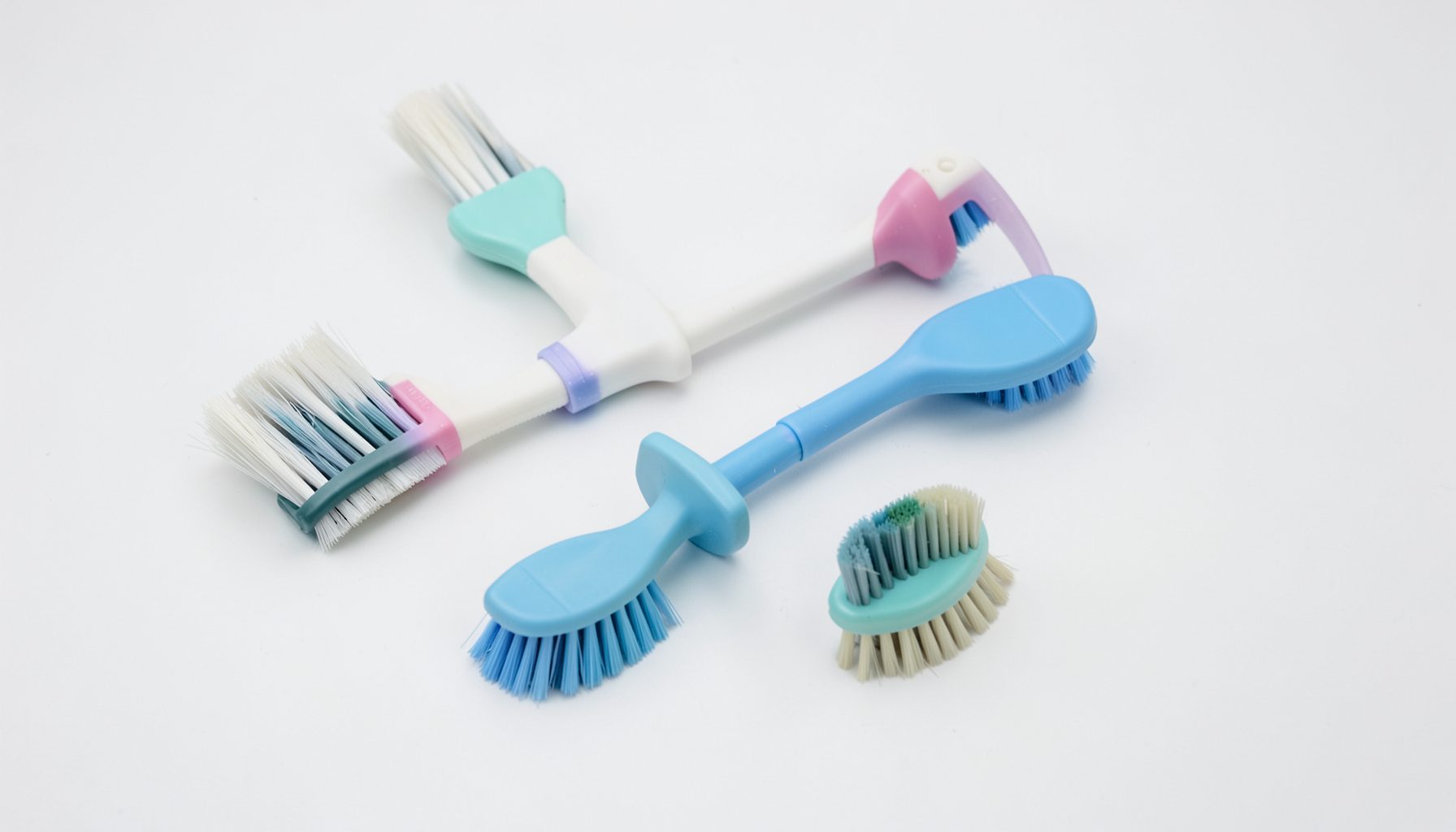
Switch nostrils and repeat. After use, rinse the bottle and let it air dry. Use ResQRinse Premium Cleaning Brushes for thorough cleaning.
When Nasal Pressure Feels Like a Migraine
A blocked nose can create pain that feels surprisingly intense. Pressure around the cheeks, forehead, eyes and bridge of the nose may arrive with congestion, thick mucus or post-nasal drip, leading many people to describe the episode as a sinus headache. In some cases, however, the underlying problem is migraine rather than inflamed sinuses.
Nasal irrigation may ease symptoms when swelling, mucus, pollen or irritants are contributing to the discomfort. A gentle saline rinse washes the nasal passages and can help improve airflow, but it cannot treat every type of headache. Understanding the difference between nasal congestion and migraine symptoms is important for choosing sensible relief and recognising when medical care is needed.
This matters across Australia, where seasonal grass pollen in Melbourne, dust in inland areas, bushfire smoke around Sydney or Canberra, and dry air in Perth can aggravate the nose. A rinse system such as ResQRinse can be part of a practical home routine, alongside advice from a pharmacist or GP.
Why Sinus Pain Can Resemble Migraine
Inflamed nasal tissue can narrow the sinus openings and interfere with normal drainage. Mucus becomes harder to clear, pressure may build around the face, and bending forward can make the sensation more noticeable. A cold, allergic rhinitis, sinusitis or exposure to airborne irritants can all cause this pattern.
Migraine can also cause nasal congestion, watery eyes and facial pressure through changes in the nerves that serve the head and face. This is why people sometimes assume they have a sinus infection when they are experiencing migraine. A migraine is more likely when pain is throbbing or one-sided and comes with nausea, vomiting, light sensitivity, sound sensitivity or visual changes.
A true sinus infection may involve symptoms that persist or worsen over several days, fever, facial tenderness and thick discoloured discharge. Even then, facial pain alone does not establish the cause. A GP can assess the timing, examination findings and associated symptoms rather than relying on the location of the pain.
How A Saline Rinse May Help
Nasal irrigation uses a saline solution to flush mucus, allergens and small particles from the nasal passages. This can reduce the feeling of blockage and support comfortable breathing. When congestion is adding pressure to the face, clearing the nose may lessen that component of the headache.
A squeeze-bottle system gives the user control over the flow and pressure. ResQRinse’s Nasal Lock technology is designed to help create a comfortable seal at the nostril, which may make rinsing feel more controlled than pouring water through a traditional neti pot. The aim is a gentle, steady wash rather than forceful pressure.
A rinse will not stop a migraine caused by neurological changes, and it should not replace prescribed treatment. It may still be useful when a person has both migraine and nasal symptoms, particularly during allergy season or after exposure to dust and smoke. Stop if rinsing causes sharp ear pain, significant discomfort or worsening symptoms.
Using Nasal Irrigation Safely In Australia
Water safety is essential. Use sterile or distilled water, or tap water that has been boiled and allowed to cool according to health guidance. Australian households should not assume that ordinary tap water is suitable for nasal irrigation simply because it is safe to drink. The Australian Drinking Water Guidelines address drinking-water quality, while nasal rinsing requires extra care because water enters a sensitive body area.
Follow the saline packet instructions and use the correct amount of water. Water that is too salty can sting and dry the lining of the nose; water that is too weak may also feel uncomfortable. Wash the bottle after each use, allow it to dry fully and replace it according to the manufacturer’s instructions. Keep the device personal rather than sharing it with family members.
Saline packets can absorb moisture and clump, especially in warm or humid conditions such as coastal Queensland or northern New South Wales. Store them sealed in a dry cupboard, and use clean, dry hands when handling them. Regular cleaning of the small opener or scoop also helps prevent residue from contaminating fresh saline; this guide explains how to clean saline packet openers properly.
Signs A Rinse May Be Useful
Nasal irrigation is most relevant when headache symptoms occur alongside clear evidence of nasal irritation. It may be a reasonable comfort measure for adults with seasonal allergies, a blocked nose during a cold, exposure to construction dust or irritation after time outdoors. People in cities such as Brisbane, Adelaide and Sydney may notice symptoms during high-pollen days or smoky periods.
A short-term routine can be especially helpful before sleep or after returning indoors from a dusty environment. Use the system exactly as directed, with a fresh saline mixture each time. Nasal mist may be more suitable when the nose feels dry or mildly irritated, while a full rinse is designed for washing through heavier congestion.
- Stuffy or swollen nasal passages
- Mucus, post-nasal drip or facial fullness
- Allergy symptoms after pollen exposure
- Congestion during a common cold
Children need a calm, age-appropriate approach. Never force a rinse if a child is frightened, struggling or unable to cooperate. For parents introducing the process to a young child, this toddler nasal rinse guide offers practical ways to make the routine more comfortable. A paediatrician or pharmacist can advise whether a child’s symptoms are suitable for home care.
When Headache Symptoms Need Medical Attention
Seek urgent medical help for a sudden, severe headache, new weakness, confusion, fainting, a stiff neck, a seizure, difficulty speaking or vision loss. These symptoms are not explained by ordinary nasal congestion. Call Triple Zero (000) in Australia for an emergency, particularly if severe headache follows a head injury or occurs with signs of stroke.
A GP review is appropriate when headaches are new, frequent, disabling or changing pattern. Arrange an appointment if facial pain lasts longer than expected, symptoms keep returning, fever develops, or congestion does not improve with basic measures. A pharmacist can provide guidance for uncomplicated cold and allergy symptoms, while a doctor can assess possible migraine, chronic sinus disease or another cause.
Be cautious with self-treatment. Decongestant sprays should not generally be used for longer than the product instructions allow, because overuse can cause rebound congestion. People who are pregnant, have high blood pressure, take regular medicines or have chronic medical conditions should check with a healthcare professional before using certain cold and allergy products.
Building A Comfortable Relief Routine
A nasal rinse works best as one part of a broader plan. Rest, adequate fluids, avoiding cigarette smoke and reducing exposure to known allergens can support recovery. During a cold, gentle irrigation may help remove mucus, but it is important to avoid sharing devices and to clean them carefully; these practical tips cover rinsing with a cold safely.
For allergy-related pressure, consider checking local pollen information, keeping windows closed during peak periods and showering after outdoor activities. In Australia, weather conditions can change quickly: a dry westerly wind in Melbourne, a dusty day near regional roads or smoke drifting across a metropolitan area may all affect nasal comfort. If symptoms repeatedly trigger headaches, record the timing, possible exposures and associated migraine features to discuss with a GP.
Choose a system that matches the user’s age, comfort and frequency of use. A complete kit may suit someone starting a regular routine, while saline refills, cleaning brushes or nasal mist may be useful additions. ResQRinse products can be purchased online through Amazon and Walmart, with delivery options and product availability depending on the Australian marketplace and location.
Nasal irrigation can reduce congestion-related pressure, but it should not be used to label every severe headache as a sinus problem. Use safe water, prepare the saline correctly, clean the equipment and pay attention to symptoms that point towards migraine or a condition requiring medical assessment. Explore the ResQRinse range and make a gentle saline routine part of sensible nasal care when congestion is contributing to head and face discomfort.