ResQRinse is the nasal irrigation squeeze bottle that eliminates head-tilting and awkward neck positions. Using proprietary Nasal Lock™ technology, it delivers a comfortable, gag-free sinus cleanse — no more saline dripping down your throat.

Relief From Fall Sneezes
Now sold on Walmart.com. Free shipping on orders $30+. Try ResQRinse today with your everyday purchases.
Shop at WalmartWhy ResQRinse?
Nasal rinsing helps relieve congestion from colds, allergies, sinusitis, hay fever, and environmental pollutants. ResQRinse makes it comfortable enough to become a daily habit.
Nasal Lock™ Technology
Isolates sinuses from the throat using natural choanal occlusion — like inflating a balloon — so saline stays where it belongs.
Learn more →
Drug-Free Relief
Uses premixed saline packets with distilled water. No medications, no preservatives — just a natural cleanse for your nasal passages.
How to rinse →
For Kids Too
ResQRinse for Kids features a comfort nasal tip right-sized for smaller nostril openings, making rinsing gentle and easy for children.
Shop kids' version →
Breath-Controlled Flow
You control the saline flow with your own breath pressure — high volume, low pressure irrigation that's comfortable and effective.
Watch how-to videos →
Better Compliance
Designed to overcome the gagging and discomfort that cause people to abandon traditional neti pots and nasal rinse systems.
Our story →
Complete Kits Available
From the basic ResQRinse Nasal Rinse System ($19.99) to 90-day complete kits, saline packets, cleaning brushes, and Sinoptim Nasal Mist.
Browse all products →Get Started with ResQRinse
Ready to experience a better nasal rinse? Fill out the form below and we'll help you find the right product — or follow the simple steps to begin rinsing today.
Request More Information
How to Use ResQRinse
Fill the Bottle
Fill the ResQRinse squeeze bottle with distilled or previously boiled water and add one premixed saline packet.
Position the Tip
Place the comfort tip gently against one nostril. No head-tilting or awkward neck angles needed.
Squeeze & Breathe
Squeeze the bottle gently while breathing through your mouth. Nasal Lock™ keeps saline in your nasal passages and out of your throat.
Repeat & Clean
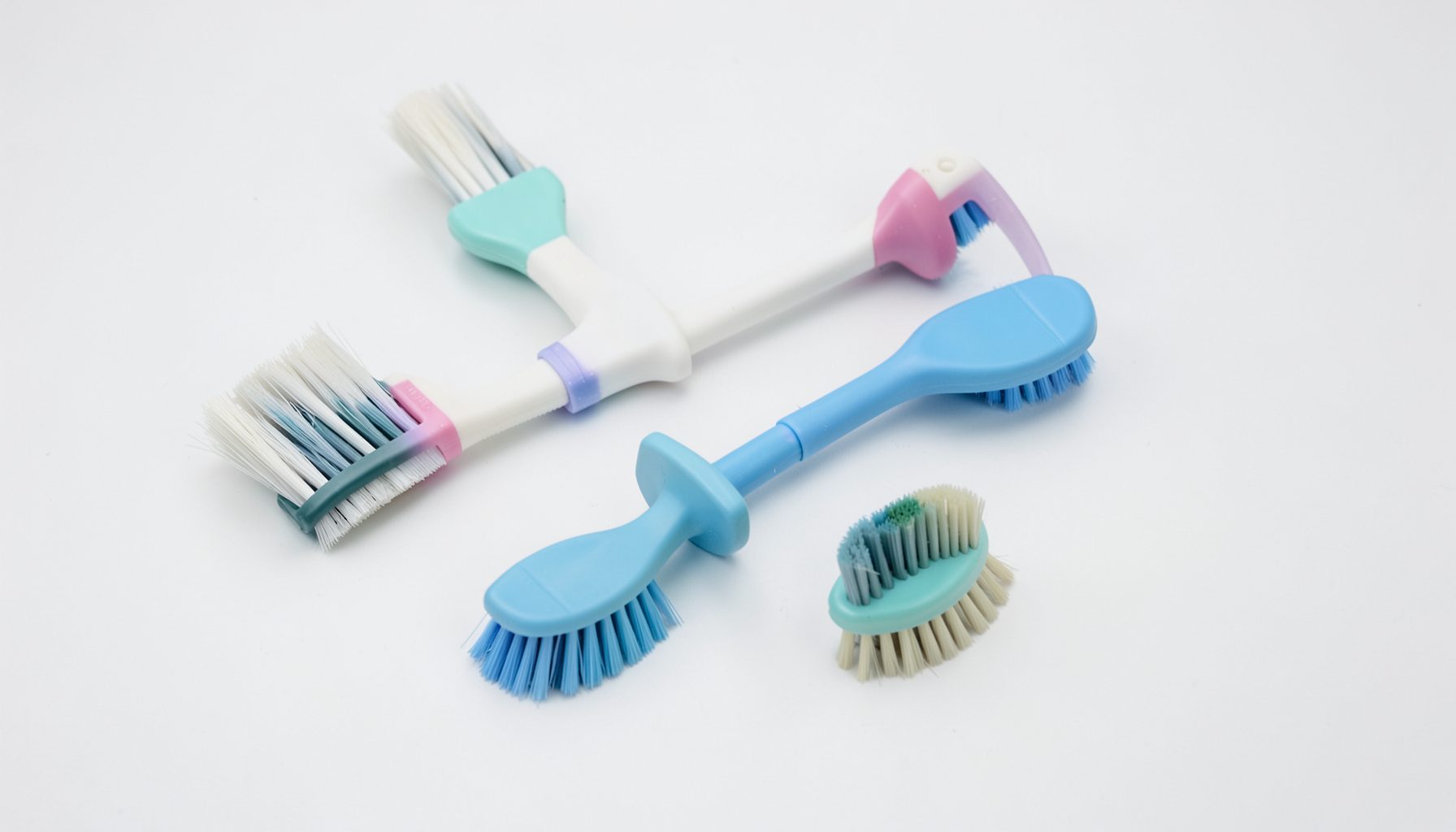
Switch nostrils and repeat. After use, rinse the bottle and let it air dry. Use ResQRinse Premium Cleaning Brushes for thorough cleaning.
How to Rinse Your Nose Comfortably During a Cold
A cold can leave the nasal passages swollen, irritated, and coated with thick mucus. Breathing becomes harder, postnasal drip may trigger coughing, and pressure around the nose and cheeks can make rest difficult. Nasal irrigation gently flushes mucus and irritants away while adding moisture to dry nasal tissues.
The process is simple when you use the right water, saline mixture, and technique. A squeeze-bottle system can provide a controlled stream that is easier to direct than improvised rinsing methods. ResQRinse systems are designed with Nasal Lock technology to help create a comfortable seal around the nostril during use.
Nasal rinsing can support comfort while your body clears a viral cold, but it does not cure the infection. Use it as part of a sensible self-care routine, and seek medical advice if symptoms become severe, persist unusually long, or suggest a complication.
Why Nasal Rinsing Helps During A Cold
A cold causes inflammation inside the nasal passages. This swelling narrows the airway and can prevent mucus from draining normally. Saline irrigation helps loosen thick secretions so they can move out more easily, which may reduce the feeling of blockage and facial fullness.
Rinsing also washes away airborne particles, allergens, and excess mucus from the nasal lining. The solution should feel mild rather than harsh. Isotonic saline, which has a salt concentration close to that of body fluids, is usually comfortable for routine use. Some products offer hypertonic saline for temporary decongesting support, although it may cause more stinging or dryness for sensitive users.
The relief is generally temporary and supportive. A rinse will not eliminate the cold virus, but clearing the nose can make it easier to breathe, sleep, drink fluids, and manage throat irritation caused by drainage.
What You Need Before You Start
Use a clean nasal rinse bottle or another purpose-designed irrigation device, plus a premeasured saline packet. Prepackaged packets help maintain the correct balance of salt and buffering ingredients. Do not use plain water, because it can sting and may disturb the natural tissues inside the nose.
Water safety is essential. Use distilled or sterile water labeled for this purpose, or tap water that has been boiled and then cooled to lukewarm temperature. Never use hot water, and do not rely on ordinary unboiled tap water for nasal irrigation. Clean hands, a clean device, and fresh solution reduce the chance of introducing unwanted germs.
Prepare the rinse immediately before use. Follow the product instructions for the amount of water and saline, since bottle sizes and packet formulas vary. If the solution burns strongly, stop and check the water temperature, salt ratio, and packet type rather than forcing yourself to continue.
How To Rinse Your Nose Step By Step
Wash your hands and fill the bottle with lukewarm distilled, sterile, or properly boiled water. Add the recommended saline packet and close the container securely. Shake or swirl until the powder dissolves completely. Stand over a sink, keep your mouth open, and breathe through it during the rinse.
Lean forward slightly and turn your head to one side. Avoid tipping your head backward, since that can send fluid toward the throat. Place the nozzle gently against the higher nostril, creating a comfortable seal without pushing it deeply inside. Squeeze slowly and steadily. The solution should pass through the nasal cavity and flow from the opposite nostril or into the sink.
Use less pressure if the stream feels uncomfortable. A nasal rinse should not cause sharp pain or forceful pressure in the ears. After rinsing one side, repeat the process on the other side with the remaining solution. When finished, blow your nose gently, one nostril at a time, to remove loosened mucus.
Do not share the bottle, even with family members. If you have a young child, use a child-sized product and provide close supervision. Children may need help with positioning, pressure, and keeping the nozzle clean.
Choosing A Method For Congestion Relief
A squeeze bottle gives the user control over the speed and amount of saline. Its directed flow can be useful when mucus is thick, while a gentle nasal mist may be more suitable for light dryness or quick moisture during the day. A traditional neti pot uses gravity rather than squeezing, so some people prefer its slower flow.
The best option depends on comfort, dexterity, age, and the severity of congestion. The following comparison can help explain the practical differences:
| Option | Flow And Control | Best Suited For | Important Consideration |
|---|---|---|---|
| Squeeze-bottle rinse | Controlled, directed stream | Thick mucus and significant stuffiness | Use gentle pressure |
| Neti pot | Gravity-fed, slower flow | Users who prefer a low-pressure rinse | Requires careful head positioning |
| Nasal mist | Light spray or fine moisture | Dryness and mild congestion | Does not flush as much mucus |
| Child-sized rinse | Smaller volume and adapted design | Supervised use by children | Follow age and product guidance |
A cold may make the nasal lining especially tender, so begin with a gentle rinse. If your nose feels more irritated afterward, reduce the frequency, confirm the mixture is correctly prepared, and consider using a milder mist for moisture instead. Persistent discomfort deserves attention rather than repeated rinsing.
People with ear tubes, a history of ear problems, or unusual pressure during irrigation should use extra care. Before starting, review guidance about whether ear tubes and rinsing applies to your situation and contact a healthcare professional when needed.
Safe Timing And Important Precautions
Many people rinse once or twice daily while congested, such as in the morning and before bed. There is no need to use a nasal wash repeatedly throughout the day unless a healthcare professional has recommended it. Excessive rinsing may leave the nose dry or irritated.
Avoid irrigating if one side is completely blocked, if you have significant nosebleeding, or if the process causes severe pain, dizziness, or ear pressure. Stop and seek medical advice if those symptoms occur. A high fever, shortness of breath, swelling around the eyes, confusion, severe facial pain, or symptoms that worsen after initial improvement also warrant prompt medical attention.
A cold usually improves gradually. If congestion, facial pressure, discolored drainage, or fatigue continues beyond the expected course or keeps returning, another condition may be involved. Repeated symptoms can have several causes, so learn about recurring sinus infections and discuss ongoing problems with a clinician.
Nasal irrigation is also not a substitute for prescribed treatment. If a healthcare professional has diagnosed a sinus infection, allergy condition, or another nasal disorder, follow the recommended treatment plan alongside any rinse that has been approved for you.
Simple Habits For A Cleaner Rinse
The bottle needs attention after every use. Empty leftover solution, rinse the device with safe water, and allow every part to air-dry completely in a clean location. Moisture left inside a closed bottle can encourage microbial growth.
A deeper cleaning routine is important at regular intervals and whenever the product instructions call for it. Follow the manufacturer’s directions for disassembly, washing, and drying; detailed guidance on cleaning your rinse bottle can help you avoid missed steps.
Keep these habits consistent:
- Wash your hands before preparing and using the rinse.
- Use a fresh saline solution each time and discard leftovers.
- Never share the bottle, nozzle, or saline packets.
- Replace worn, cracked, cloudy, or difficult-to-clean parts.
- Store the dry device away from bathrooms or surfaces that may contaminate it.
A clean, correctly prepared rinse is more comfortable and dependable than one assembled in a hurry. Choose a ResQRinse bottle, saline packets, or nasal mist that matches your needs, follow the included instructions, and make gentle nasal care part of your cold-relief routine.