ResQRinse is the nasal irrigation squeeze bottle that eliminates head-tilting and awkward neck positions. Using proprietary Nasal Lock™ technology, it delivers a comfortable, gag-free sinus cleanse — no more saline dripping down your throat.

Relief From Fall Sneezes
Now sold on Walmart.com. Free shipping on orders $30+. Try ResQRinse today with your everyday purchases.
Shop at WalmartWhy ResQRinse?
Nasal rinsing helps relieve congestion from colds, allergies, sinusitis, hay fever, and environmental pollutants. ResQRinse makes it comfortable enough to become a daily habit.
Nasal Lock™ Technology
Isolates sinuses from the throat using natural choanal occlusion — like inflating a balloon — so saline stays where it belongs.
Learn more →
Drug-Free Relief
Uses premixed saline packets with distilled water. No medications, no preservatives — just a natural cleanse for your nasal passages.
How to rinse →
For Kids Too
ResQRinse for Kids features a comfort nasal tip right-sized for smaller nostril openings, making rinsing gentle and easy for children.
Shop kids' version →
Breath-Controlled Flow
You control the saline flow with your own breath pressure — high volume, low pressure irrigation that's comfortable and effective.
Watch how-to videos →
Better Compliance
Designed to overcome the gagging and discomfort that cause people to abandon traditional neti pots and nasal rinse systems.
Our story →
Complete Kits Available
From the basic ResQRinse Nasal Rinse System ($19.99) to 90-day complete kits, saline packets, cleaning brushes, and Sinoptim Nasal Mist.
Browse all products →Get Started with ResQRinse
Ready to experience a better nasal rinse? Fill out the form below and we'll help you find the right product — or follow the simple steps to begin rinsing today.
Request More Information
How to Use ResQRinse
Fill the Bottle
Fill the ResQRinse squeeze bottle with distilled or previously boiled water and add one premixed saline packet.
Position the Tip
Place the comfort tip gently against one nostril. No head-tilting or awkward neck angles needed.
Squeeze & Breathe
Squeeze the bottle gently while breathing through your mouth. Nasal Lock™ keeps saline in your nasal passages and out of your throat.
Repeat & Clean
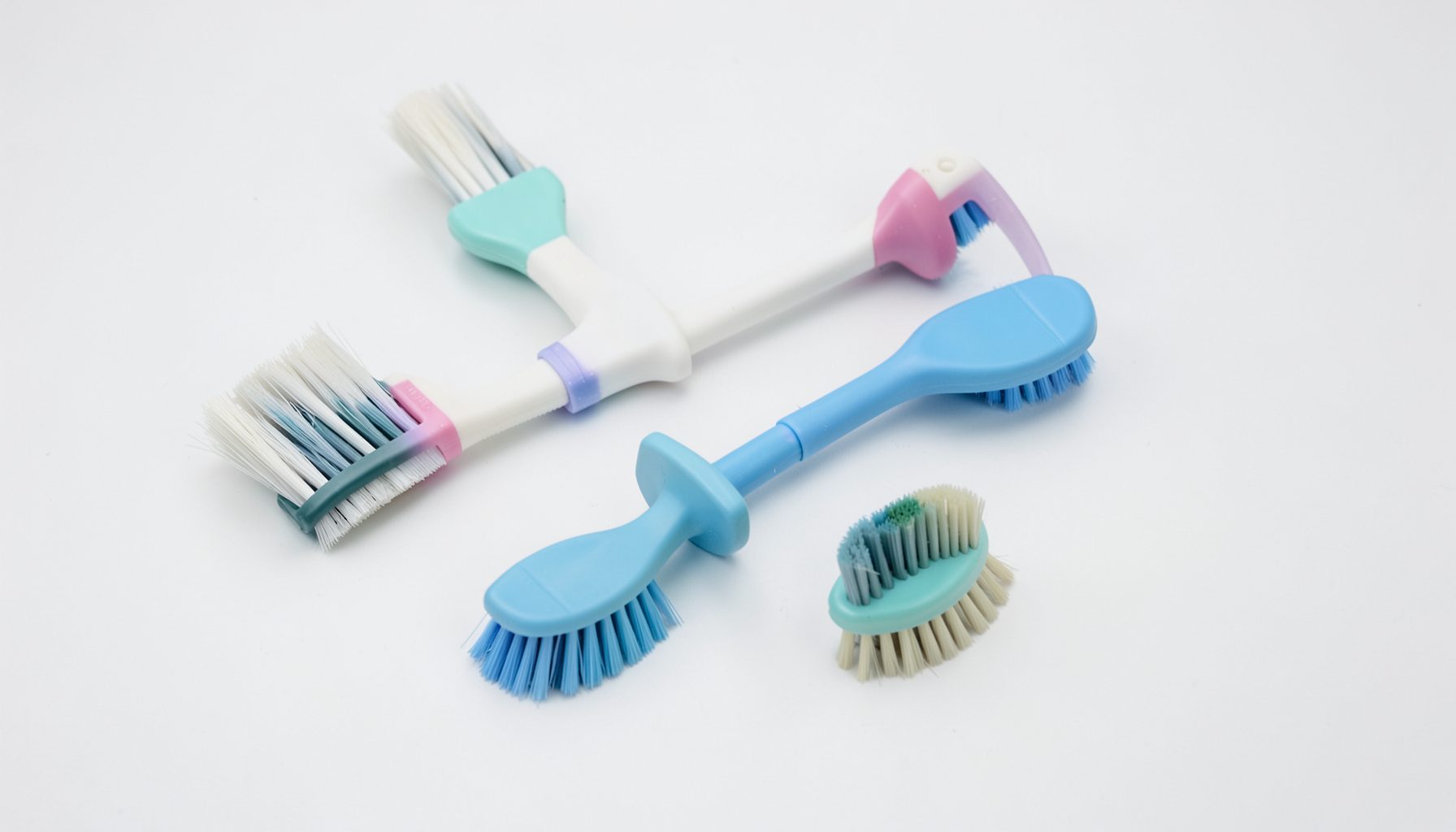
Switch nostrils and repeat. After use, rinse the bottle and let it air dry. Use ResQRinse Premium Cleaning Brushes for thorough cleaning.
How to Clean Saline Packet Openers to Prevent Clumping
A saline packet opener may seem like a minor accessory, but its cleanliness can affect how easily packets open and how well their contents stay dry. Powder residue, damp fingers, bathroom humidity, and poorly dried tools can combine to create sticky buildup around the cutting edge or gripping surface.
Clumped saline is inconvenient and may make it harder to measure the intended amount into a nasal rinse bottle. Regular cleaning helps protect the opener, keeps packet handling more hygienic, and reduces the chance that old mineral or salt residue will transfer to a fresh packet.
The safest routine is simple: remove residue after use, wash the tool with mild soap when needed, rinse it thoroughly, and dry it completely before storing it. A few additional habits can help prevent moisture from reaching unopened saline packets in the first place.
Why moisture causes saline clumping
Most saline rinse packets contain dry salts and, depending on the formula, additional buffering ingredients. These powders readily absorb moisture from wet hands, splashes, condensation, and humid air. Once a small amount of water reaches the powder, crystals begin to stick together and form hard lumps.
An opener can carry moisture without looking wet. A thin film left in a seam, hinge, groove, or textured grip may be enough to soften powder from the next packet. Residue can also accumulate along the cutting edge, where it is easy to overlook during a quick wipe.
Clumping does not always mean the packet has spoiled, but it can indicate that moisture entered the packaging. Do not use a packet with a damaged seal, unusual odor, discoloration, or visible contamination. When in doubt, discard it and use a fresh packet.
Identify the opener’s materials first
Before washing, check whether the opener is made from stainless steel, molded plastic, silicone, or a combination of materials. A simple stainless-steel snip tool usually tolerates careful hand washing, while a plastic opener may have narrow joints that retain water. If the tool includes a spring, hinge, magnet, or other mechanism, avoid assuming that every part should be soaked.
Follow any cleaning directions supplied with the opener or rinse system. If no instructions are available, use lukewarm water and a small amount of unscented dish soap. Avoid bleach, abrasive powders, strong solvents, and heavily fragranced cleaners, which may damage surfaces or leave residues that can transfer to packets.
Inspect the tool while it is dry. Look for salt crust, sticky film, rust, cracks, loose components, or a dull cutting edge. A damaged opener should be replaced rather than repeatedly scrubbed, especially if it can shed particles or fail to open a packet cleanly.
A practical cleaning routine
Start by removing loose powder with a clean, dry cloth or a soft brush. This prevents dry salt from turning into paste during washing. Pay attention to hinges, grooves, serrated edges, and the area where the packet is held.
Wash the opener by hand in lukewarm soapy water. Use a soft toothbrush or small cleaning brush for narrow areas, applying gentle pressure instead of scraping aggressively. If residue is hardened, let the tool sit briefly in the soapy water, provided the manufacturer allows immersion.
Rinse away all soap and loosened powder under clean running water. Soap left on the opener can affect the next packet, while mineral deposits from rinse water may build up over time. Hold the tool open or move its parts gently so water reaches hidden surfaces.
Dry every area thoroughly with a clean towel, then leave the opener open in a clean, well-ventilated place. Do not close or store it while damp. Air drying is especially important for hinges and seams, where towel fibers may not reach.
Cleaning methods at a glance
The best method depends on the opener’s construction and the type of residue present. A dry brush is useful for loose powder, while soap and water are better for sticky deposits. Heat is generally unnecessary and may warp plastic components.
| Cleaning situation | Recommended approach | Avoid |
|---|---|---|
| Loose dry saline powder | Brush or wipe with a dry, clean cloth | Blowing powder into the air or toward the face |
| Sticky or damp residue | Wash with mild soap and lukewarm water | Harsh chemicals and abrasive scrubbers |
| Salt inside a hinge | Use a soft brush, rinse carefully, and dry open | Forcing the hinge or leaving trapped water |
| Rust, cracks, or damaged edges | Replace the opener | Continuing to use a deteriorating tool |
| Opener used near a child’s supplies | Clean, dry, and store out of reach | Sharing an unwashed tool between users |
A dishwasher may be unsuitable unless the manufacturer specifically approves it. High temperatures can deform plastic, weaken adhesives, or leave the opener in contact with detergent residue. Boiling is also unnecessary for routine cleaning.
Keep packets and tools dry between uses
Cleaning the opener addresses residue, but storage habits prevent much of the problem. Open saline packets with dry hands and keep the packet away from the sink, shower, humidifier, and recently rinsed equipment. Tear or cut the packet immediately before preparing the solution rather than opening several packets in advance.
Store unopened packets in their original sealed packaging in a cool, dry cabinet. Avoid leaving them in a bathroom medicine cabinet if the room becomes steamy. Do not transfer loose packets into an unmarked container, since the original packaging provides useful information about the product and expiration date.
Keep the clean opener separate from used nasal rinse bottles, caps, brushes, and wet towels. A small ventilated container can protect it from dust while allowing residual moisture to evaporate. The container itself should also be washed and dried periodically.
If the opener is shared by family members, clean it between users or provide a separate tool for each person. Children’s nasal rinse products should be handled by an adult, with packets and openers stored safely away from young children.
When residue signals a bigger problem
A small amount of powder on the opener is normal after opening a packet. Repeated wet clumps, however, may point to a storage issue, a packet seal problem, or contact between the opener and a damp bottle. Check whether the rinse area is dry before opening the packet and whether the packet box has been exposed to humidity.
Use only the amount and type of saline specified for the rinse system. Increasing salt concentration without appropriate guidance can cause burning or irritation, while too little salt may make the solution uncomfortable. For context on choosing a stronger mixture when symptoms or comfort call for a change, review this guide to saline concentration.
Never place dry powder directly into a bottle containing old solution or tap water. Prepare each rinse with the recommended safe water source and a clean, dry container. Follow the system’s directions for water safety, mixing, use, and cleaning.
Discard a packet if it is torn, wet, swollen, past its expiration date, or visibly contaminated. Replace the opener if corrosion, cracks, or persistent residue remain after cleaning. These small precautions help maintain a cleaner preparation process without adding much time to the routine.
Build cleaning into the rinse routine
A consistent routine is easier than trying to remove several weeks of buildup. After preparing a rinse, wipe away visible powder, wash the opener when it has touched moisture, and leave it open to dry. Keep a soft brush nearby so cleaning narrow grooves does not become an afterthought.
Rinse equipment also needs attention. Wash the bottle, cap, nozzle, and any included brush according to the product instructions, then allow each part to dry fully before reassembly. A damp bottle and a damp packet opener stored together create an ideal environment for residue and unpleasant odors.
These habits can be used with a squeeze-bottle system, a children’s rinse setup, or another nasal irrigation device. If you are replacing an old tool or assembling a complete routine, explore the available ResQRinse products to find compatible saline packets, cleaning accessories, and rinse options.
Simple habits that prevent powder buildup
- Open packets only with clean, completely dry hands.
- Brush away loose salt before washing the opener.
- Use mild soap and lukewarm water for sticky residue.
- Rinse thoroughly and dry hinges, grooves, and edges before storage.
- Keep packets and the opener in a cool, dry place away from wet rinse equipment.
A clean saline packet opener supports a more reliable nasal irrigation routine and helps keep dry powder from turning into stubborn clumps. Inspect the tool regularly, replace it when damaged, and discard any packet that may have been compromised by moisture.
Make the opener’s quick cleaning and complete drying part of every rinse session. With the right storage and handling habits, saline packets stay easier to use and your preparation area remains cleaner.