ResQRinse is the nasal irrigation squeeze bottle that eliminates head-tilting and awkward neck positions. Using proprietary Nasal Lock™ technology, it delivers a comfortable, gag-free sinus cleanse — no more saline dripping down your throat.

Relief From Fall Sneezes
Now sold on Walmart.com. Free shipping on orders $30+. Try ResQRinse today with your everyday purchases.
Shop at WalmartWhy ResQRinse?
Nasal rinsing helps relieve congestion from colds, allergies, sinusitis, hay fever, and environmental pollutants. ResQRinse makes it comfortable enough to become a daily habit.
Nasal Lock™ Technology
Isolates sinuses from the throat using natural choanal occlusion — like inflating a balloon — so saline stays where it belongs.
Learn more →
Drug-Free Relief
Uses premixed saline packets with distilled water. No medications, no preservatives — just a natural cleanse for your nasal passages.
How to rinse →
For Kids Too
ResQRinse for Kids features a comfort nasal tip right-sized for smaller nostril openings, making rinsing gentle and easy for children.
Shop kids' version →
Breath-Controlled Flow
You control the saline flow with your own breath pressure — high volume, low pressure irrigation that's comfortable and effective.
Watch how-to videos →
Better Compliance
Designed to overcome the gagging and discomfort that cause people to abandon traditional neti pots and nasal rinse systems.
Our story →
Complete Kits Available
From the basic ResQRinse Nasal Rinse System ($19.99) to 90-day complete kits, saline packets, cleaning brushes, and Sinoptim Nasal Mist.
Browse all products →Get Started with ResQRinse
Ready to experience a better nasal rinse? Fill out the form below and we'll help you find the right product — or follow the simple steps to begin rinsing today.
Request More Information
How to Use ResQRinse
Fill the Bottle
Fill the ResQRinse squeeze bottle with distilled or previously boiled water and add one premixed saline packet.
Position the Tip
Place the comfort tip gently against one nostril. No head-tilting or awkward neck angles needed.
Squeeze & Breathe
Squeeze the bottle gently while breathing through your mouth. Nasal Lock™ keeps saline in your nasal passages and out of your throat.
Repeat & Clean
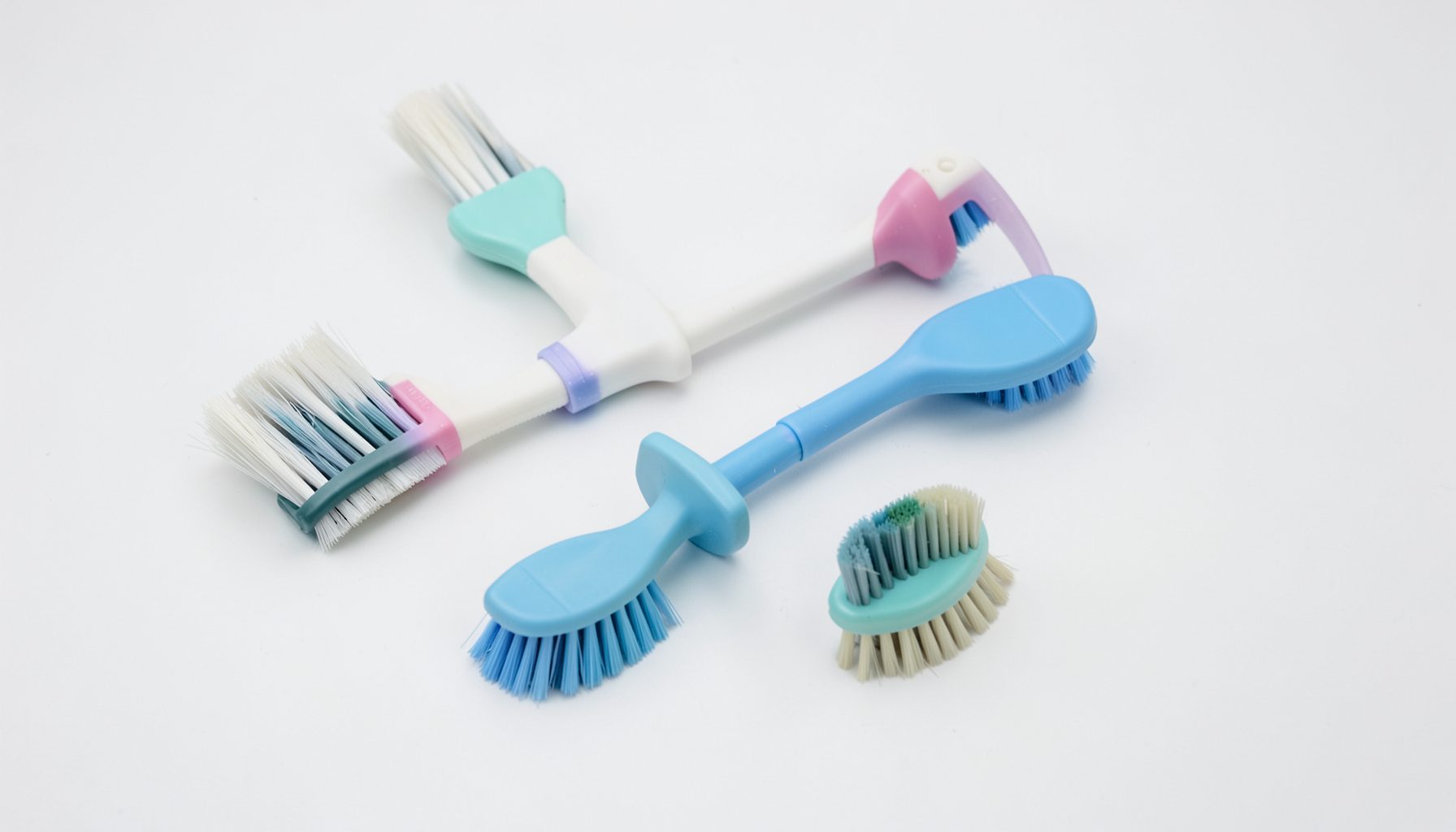
Switch nostrils and repeat. After use, rinse the bottle and let it air dry. Use ResQRinse Premium Cleaning Brushes for thorough cleaning.
How to Introduce Nasal Rinse to a Toddler
Nasal congestion can make eating, drinking, sleeping, and breathing through the nose difficult for a young child. A saline rinse may help loosen thick mucus, wash away allergens, and moisturize irritated nasal passages, but toddlers usually need more patience and supervision than older children.
The goal is not to force a full nasal irrigation session on the first attempt. Begin by helping your child become comfortable with saline, the bottle, and the sensation of liquid near the nose. A gentle, age-appropriate approach can make future use easier.
Before using any nasal irrigation system with a toddler, check the product’s age guidance and ask your pediatrician for personalized advice. Children with ear problems, frequent nosebleeds, facial injury, breathing difficulty, or a condition affecting swallowing may need a different approach.
Why Toddlers Need Extra Care
Toddlers may not understand why liquid is being placed in their nose. They can pull away suddenly, cry, hold their breath, or swallow the saline. These reactions are common, but they increase the importance of keeping the child calm, supported, and in control of short pauses.
Nasal rinsing should never be performed while a child is lying flat on their back. A seated or upright position, with the head tilted slightly forward, helps the solution flow out through the other nostril or mouth instead of toward the throat. Use only light pressure, and stop immediately if your toddler appears distressed.
A rinse can be especially useful when mucus is thick or exposure to dust and pollen causes irritation. It is not a cure for every cause of congestion, and it should not delay medical care when symptoms are severe or persistent.
Select A Toddler-Friendly Option
Different products create different experiences. A saline mist or a few saline drops may be the easiest starting point for a child who is frightened by bottles. A squeeze-bottle rinse can provide a more complete wash, but it requires cooperation and careful positioning. Traditional neti pots also require the child to remain still while liquid flows by gravity.
Look for a system designed with comfort and controlled flow in mind. Some squeeze bottles use a nasal seal or “Nasal Lock” style feature to help direct saline through the nasal passages rather than letting it spill around the nostril. Learn more about comfortable nasal rinsing and review the instructions before introducing the device to your child.
Do not assume that a product suitable for adults is appropriate for a toddler. Choose a children’s version when available, use the smallest recommended amount, and follow the manufacturer’s directions. An adult should hold and operate the device throughout the process.
Prepare The Saline Safely
Water safety is essential. Use distilled, sterile, or previously boiled water that has cooled to the recommended temperature. Do not use untreated tap water for nasal irrigation. Wash your hands before preparing the rinse, and mix the saline packet exactly as directed.
The solution should feel close to body temperature rather than hot or cold. Test a small amount on the inside of your wrist. A properly mixed isotonic saline solution is usually more comfortable than plain water, which can sting or irritate the nasal lining.
Check packets before use and store them in a dry place. If you are uncertain whether a packet is still suitable, review this guide to saline packet freshness. Never use a packet with damaged packaging, unusual color, clumping, or an unclear expiration date.
| Option | Best For | Benefits | Points To Remember |
|---|---|---|---|
| Saline mist | First exposure or mild dryness | Quick, gentle, and familiar | May not remove thick mucus |
| Saline drops | A cautious first step | Easy to control in small amounts | Requires time for mucus to loosen |
| Children’s squeeze rinse | Cooperative toddlers with significant mucus | Helps flush allergens and congestion | Needs careful positioning and light pressure |
| Neti pot | Older, calm children who can follow directions | Uses gravity instead of squeezing | Often difficult for toddlers to manage safely |
Make The First Attempt Calm
Introduce the equipment when your child is comfortable, not during a rushed bedtime or when congestion is causing intense distress. Let your toddler touch the clean bottle, see the saline being prepared, and watch a parent demonstrate the process on themselves. Simple language such as “This helps wash your nose” is easier to understand than a long explanation.
Play can reduce fear. Let a stuffed animal “try” first, or practice leaning forward over the sink without using liquid. Praise cooperation rather than demanding stillness. If your child says no, take a break and try again later instead of turning the rinse into a struggle.
A familiar routine can help. Some families use saline after a warm bath, when mucus may be softer, or before sleep when the child is relaxed. Keep towels, tissues, and clean clothing nearby so the experience ends quickly and comfortably.
Use A Gentle Step-By-Step Method
Start with handwashing and freshly prepared saline. Have your toddler sit upright on your lap or stand securely at a sink while you support their shoulders. Ask them to lean slightly forward and keep their mouth open so they can breathe comfortably.
Place the applicator gently against one nostril without pushing it deeply inside. Use a small amount of saline and very light pressure. The liquid may come out of the opposite nostril, drain into the mouth, or remain in the nose while it loosens mucus. Wipe the nose gently rather than asking your child to blow forcefully.
If your toddler tolerates the first side, pause and offer reassurance before deciding whether to repeat it on the other side. There is no requirement to complete both nostrils during the first session. Short, successful attempts are more valuable than a large rinse that leaves the child frightened.
Clean the device immediately after use according to the manufacturer’s instructions. Rinse removable parts with safe water, allow them to dry completely, and use a cleaning brush when recommended. Do not share nasal devices between family members.
Recognize When To Pause
Stop the rinse if your child coughs repeatedly, struggles to breathe, gags intensely, develops pain, or becomes highly upset. A little sneezing or brief saline drainage can occur, but persistent discomfort means the technique, amount, or timing may need to change.
Avoid irrigation during an active nosebleed, when the child cannot remain upright, or when the nostrils are completely blocked and pressure would be required. Never force the bottle, increase squeezing pressure, or continue while your toddler is fighting you.
Contact a healthcare professional if congestion lasts longer than expected, repeatedly interferes with sleep or eating, or is accompanied by fever, ear pain, facial swelling, wheezing, unusual lethargy, or breathing difficulty. Urgent care is needed for serious breathing problems, bluish lips, or a child who is difficult to wake.
Small Steps That Build Cooperation
- Let your toddler see and touch the clean equipment before the first use.
- Begin with saline mist or drops if a full rinse seems intimidating.
- Use a calm voice and keep the first attempt brief.
- Offer a choice between sitting on your lap or standing at the sink.
- Give praise for staying still, opening the mouth, or allowing the applicator near the nose.
Consistency matters more than intensity. If a child resists one day, return to practice without saline, a mist, or a single small drop at another time. Once the routine feels familiar, a children’s squeeze rinse may become easier to introduce when congestion or allergy symptoms call for more thorough cleansing.
Choose a properly sized system, prepare each saline solution safely, and keep your toddler upright and supervised from start to finish. Explore the ResQRinse range and follow its child-specific directions so nasal care can become a calm, practical part of your family’s routine.