ResQRinse is the nasal irrigation squeeze bottle that eliminates head-tilting and awkward neck positions. Using proprietary Nasal Lock™ technology, it delivers a comfortable, gag-free sinus cleanse — no more saline dripping down your throat.

Relief From Fall Sneezes
Now sold on Walmart.com. Free shipping on orders $30+. Try ResQRinse today with your everyday purchases.
Shop at WalmartWhy ResQRinse?
Nasal rinsing helps relieve congestion from colds, allergies, sinusitis, hay fever, and environmental pollutants. ResQRinse makes it comfortable enough to become a daily habit.
Nasal Lock™ Technology
Isolates sinuses from the throat using natural choanal occlusion — like inflating a balloon — so saline stays where it belongs.
Learn more →
Drug-Free Relief
Uses premixed saline packets with distilled water. No medications, no preservatives — just a natural cleanse for your nasal passages.
How to rinse →
For Kids Too
ResQRinse for Kids features a comfort nasal tip right-sized for smaller nostril openings, making rinsing gentle and easy for children.
Shop kids' version →
Breath-Controlled Flow
You control the saline flow with your own breath pressure — high volume, low pressure irrigation that's comfortable and effective.
Watch how-to videos →
Better Compliance
Designed to overcome the gagging and discomfort that cause people to abandon traditional neti pots and nasal rinse systems.
Our story →
Complete Kits Available
From the basic ResQRinse Nasal Rinse System ($19.99) to 90-day complete kits, saline packets, cleaning brushes, and Sinoptim Nasal Mist.
Browse all products →Get Started with ResQRinse
Ready to experience a better nasal rinse? Fill out the form below and we'll help you find the right product — or follow the simple steps to begin rinsing today.
Request More Information
How to Use ResQRinse
Fill the Bottle
Fill the ResQRinse squeeze bottle with distilled or previously boiled water and add one premixed saline packet.
Position the Tip
Place the comfort tip gently against one nostril. No head-tilting or awkward neck angles needed.
Squeeze & Breathe
Squeeze the bottle gently while breathing through your mouth. Nasal Lock™ keeps saline in your nasal passages and out of your throat.
Repeat & Clean
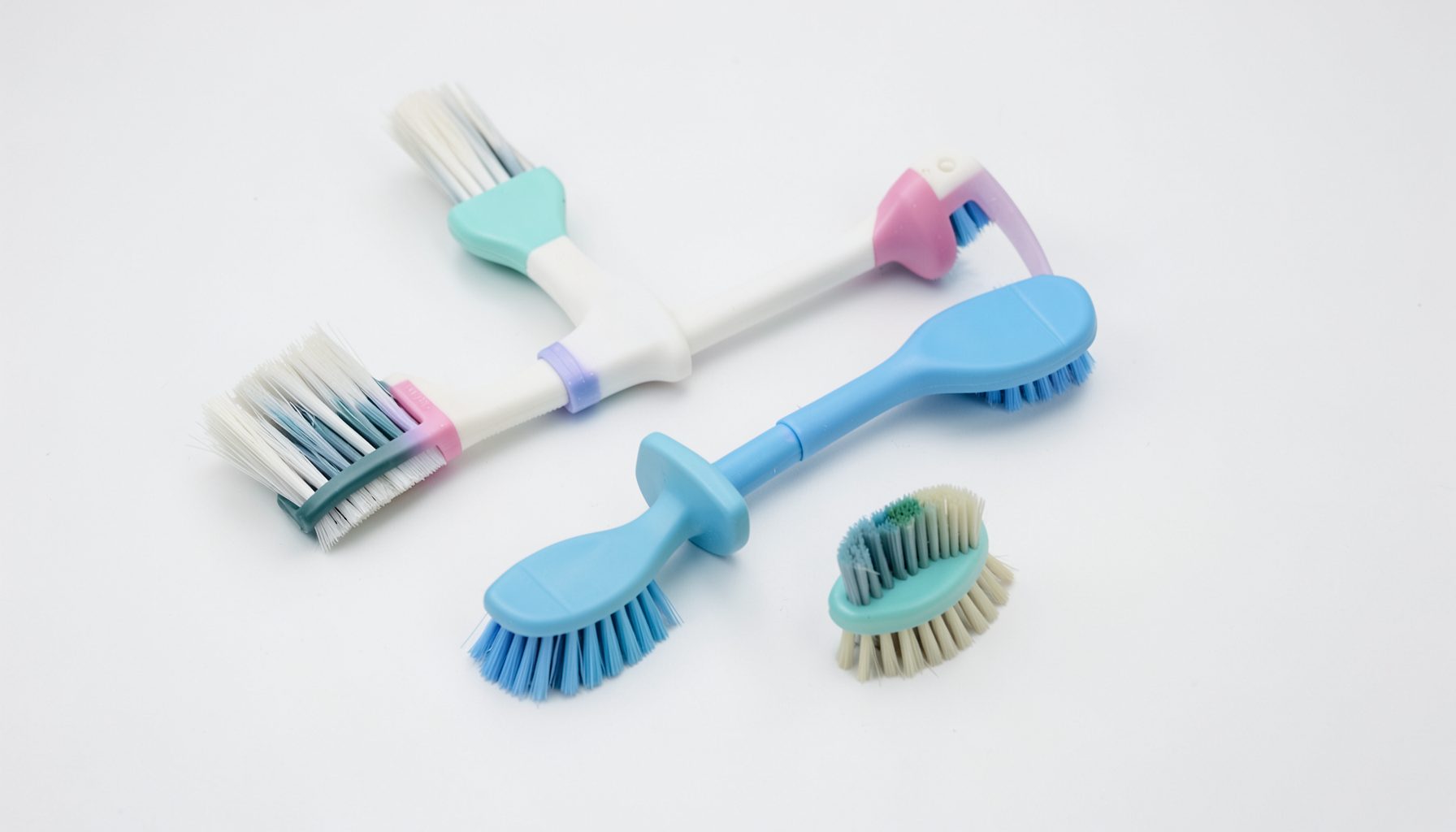
Switch nostrils and repeat. After use, rinse the bottle and let it air dry. Use ResQRinse Premium Cleaning Brushes for thorough cleaning.
Nasal Irrigation for Sinus Pressure During Airplane Descents
A blocked nose can become intensely uncomfortable as an aircraft descends. The cabin pressure changes faster than congested sinus passages can adjust, creating a feeling of fullness, aching around the cheeks or forehead, muffled hearing, and pressure behind the eyes. For Australians flying from Sydney to Perth, heading overseas from Melbourne, or taking a long Queensland holiday, this discomfort can make the final part of the journey especially unpleasant.
Nasal irrigation may help clear mucus and allergens before descent, allowing air to move more freely through the nasal passages. It does not force the sinuses open or replace medical treatment, but a gentle saline rinse can form part of a sensible in-flight comfort routine when used safely and at the right time.
Why Descent Can Trigger Sinus Pressure
The sinuses are air-filled spaces connected to the nasal passages through small openings. During take-off and landing, the air pressure outside the body changes. Healthy, open nasal passages usually allow pressure to equalise gradually, but swelling from a cold, hay fever, sinusitis, or dry cabin air can narrow those pathways.
Descent is often the most difficult stage because pressure increases as the aircraft moves lower. If mucus or swollen tissue blocks the sinus openings, the pressure inside and outside the sinus cavities may not balance quickly. This can cause barotrauma-like pain, particularly around the brow, nose, upper teeth, and cheekbones.
Congestion is common on flights because aircraft cabins have low humidity. Travellers may also be exposed to dust, fragrance, or airborne irritants while moving through busy terminals such as Brisbane Airport or Sydney Airport. A saline rinse can wash away some irritants and excess mucus before they contribute to blockage.
How Saline Rinsing May Help
Nasal irrigation uses a saline solution to flush the nasal passages. The fluid can loosen thick mucus, rinse away pollen and particles, and moisturise irritated tissue. A squeeze-bottle system gives you control over the flow, while a nasal mist can provide lighter moisture when a full rinse is not practical.
For flight-related sinus discomfort, timing matters. Rinsing several hours before leaving home may clear the nose, but congestion can return during a long journey. A gentle rinse before boarding or well before the descent may be more useful than waiting until pain has already developed. Avoid using a forceful stream when the nose is completely blocked, as pressure may increase discomfort.
Irrigation is supportive rather than curative. It cannot treat a severe infection, correct structural narrowing, or guarantee comfortable pressure equalisation. If you have intense facial pain, fever, bloody discharge, repeated problems when flying, or symptoms that continue after the trip, arrange an assessment with a GP or ENT specialist in Australia.
Building A Flight-Friendly Rinse Routine
Use the saline product according to its instructions and prepare it with sterile, distilled, or previously boiled and cooled water. Australian tap water is treated, but water safety can vary by location and circumstance, and ordinary bottled drinking water is not automatically sterile. Never use plain tap water straight into a nasal irrigation bottle.
A comfortable routine starts with clean hands, a relaxed posture, and a slightly open mouth. Lean over a basin, angle the head as directed, and squeeze gently so the solution flows through without force. Breathe through your mouth during the rinse, then allow the fluid to drain and blow your nose softly. Strong nose-blowing can aggravate pressure in the ears and sinuses.
Saline concentration also matters. A solution that is too weak may sting, while one that is too strong can feel drying or burning. If a standard mix no longer feels comfortable during repeated travel or persistent congestion, read this guide to stronger saline concentration before changing the formula.
Choosing The Right Time On Travel Day
For an early Qantas flight, you might rinse after waking, allow enough time for drainage, and carry a clean, dry system in your hand luggage if airport and airline rules permit. On a long-haul service from Perth or Melbourne, a pre-boarding rinse may be useful, followed by nasal mist later if the cabin air feels dry. Keep the routine calm rather than trying to rinse hurriedly in a crowded aircraft toilet.
Do not wait until the aircraft is already descending and facial pain is severe. A rinse needs time to clear mucus and settle, and using a bottle while seated in a cramped cabin can be awkward. Your personal routine may also include sipping water, swallowing, yawning, or chewing during descent. These actions support pressure changes in the ears, while the rinse focuses on the nasal passages.
Be cautious with medicated decongestant sprays. Some can cause rebound congestion when used too often, and they may not be suitable for people with certain health conditions or medicines. Ask a pharmacist or GP for advice, particularly if you have high blood pressure, are pregnant, or are managing ongoing sinus disease.
Helping Children Manage Landing Discomfort
Children can find both congestion and nasal rinsing unsettling, especially when they do not understand why their ears or face hurt. A child-sized system with a softer stream is usually more appropriate than an adult bottle. This explanation of why children use a softer stream can help parents understand the gentler design.
Practise at home well before a family holiday rather than introducing the rinse for the first time during descent. Let the child see the bottle, explain each step in simple language, and stop if they become distressed. The aim is a gentle, controlled experience, not a battle to clear every trace of mucus.
Parents travelling with toddlers may find it helpful to use a familiar phrase, cuddle the child, and offer a small reward after the routine. More practical ideas are available in this guide to calming a toddler. Never force a rinse, and seek professional advice if a child has severe pain, breathing difficulty, persistent nosebleeds, or suspected ear infection.
Packing A Practical Sinus Comfort Kit
A compact kit can make nasal care easier on a flight, during a stopover, or after arriving at a dry inland destination such as Alice Springs. Check the airline’s current liquid and medical-device rules before packing water or prepared saline. Carrying sealed saline packets and an empty, clean bottle can simplify security screening, although requirements differ between airports and airlines.
Keep the system clean after every use. Rinse and dry the bottle and nozzle as directed, and use a cleaning brush where appropriate. Do not share a nasal irrigation device, even between family members. Replace damaged parts and discard solution that has been stored beyond the manufacturer’s recommended time.
Useful items to pack include:
- A clean squeeze bottle or child-sized system
- Sealed saline packets or approved nasal mist
- A small towel or tissues for drainage
- A storage pouch that allows equipment to dry
A simple pre-landing routine can include:
- Check whether your nose feels blocked before descent begins
- Use only correctly prepared saline and a gentle flow
- Swallow, yawn, or chew during the pressure change
- Stop and seek help if sharp pain or bleeding develops
A calm routine is generally more useful than scrolling through unrelated airport content or reading about slot volatility while waiting for the aircraft to land. Focus on hydration, comfortable breathing, and having your nasal care products ready before the seat-belt sign comes on.
Nasal irrigation can be a practical part of preparing for airplane descents, especially when allergies, dry air, or a mild blocked nose make pressure changes harder to manage. Choose a suitable system, use safe water, keep the flow gentle, and give yourself enough time before landing. Explore the ResQRinse range of rinse systems, saline packets, cleaning accessories, and nasal mist through the brand’s available online retail channels, and make the next flight from Australia a little more comfortable.