ResQRinse is the nasal irrigation squeeze bottle that eliminates head-tilting and awkward neck positions. Using proprietary Nasal Lock™ technology, it delivers a comfortable, gag-free sinus cleanse — no more saline dripping down your throat.

Relief From Fall Sneezes
Now sold on Walmart.com. Free shipping on orders $30+. Try ResQRinse today with your everyday purchases.
Shop at WalmartWhy ResQRinse?
Nasal rinsing helps relieve congestion from colds, allergies, sinusitis, hay fever, and environmental pollutants. ResQRinse makes it comfortable enough to become a daily habit.
Nasal Lock™ Technology
Isolates sinuses from the throat using natural choanal occlusion — like inflating a balloon — so saline stays where it belongs.
Learn more →
Drug-Free Relief
Uses premixed saline packets with distilled water. No medications, no preservatives — just a natural cleanse for your nasal passages.
How to rinse →
For Kids Too
ResQRinse for Kids features a comfort nasal tip right-sized for smaller nostril openings, making rinsing gentle and easy for children.
Shop kids' version →
Breath-Controlled Flow
You control the saline flow with your own breath pressure — high volume, low pressure irrigation that's comfortable and effective.
Watch how-to videos →
Better Compliance
Designed to overcome the gagging and discomfort that cause people to abandon traditional neti pots and nasal rinse systems.
Our story →
Complete Kits Available
From the basic ResQRinse Nasal Rinse System ($19.99) to 90-day complete kits, saline packets, cleaning brushes, and Sinoptim Nasal Mist.
Browse all products →Get Started with ResQRinse
Ready to experience a better nasal rinse? Fill out the form below and we'll help you find the right product — or follow the simple steps to begin rinsing today.
Request More Information
How to Use ResQRinse
Fill the Bottle
Fill the ResQRinse squeeze bottle with distilled or previously boiled water and add one premixed saline packet.
Position the Tip
Place the comfort tip gently against one nostril. No head-tilting or awkward neck angles needed.
Squeeze & Breathe
Squeeze the bottle gently while breathing through your mouth. Nasal Lock™ keeps saline in your nasal passages and out of your throat.
Repeat & Clean
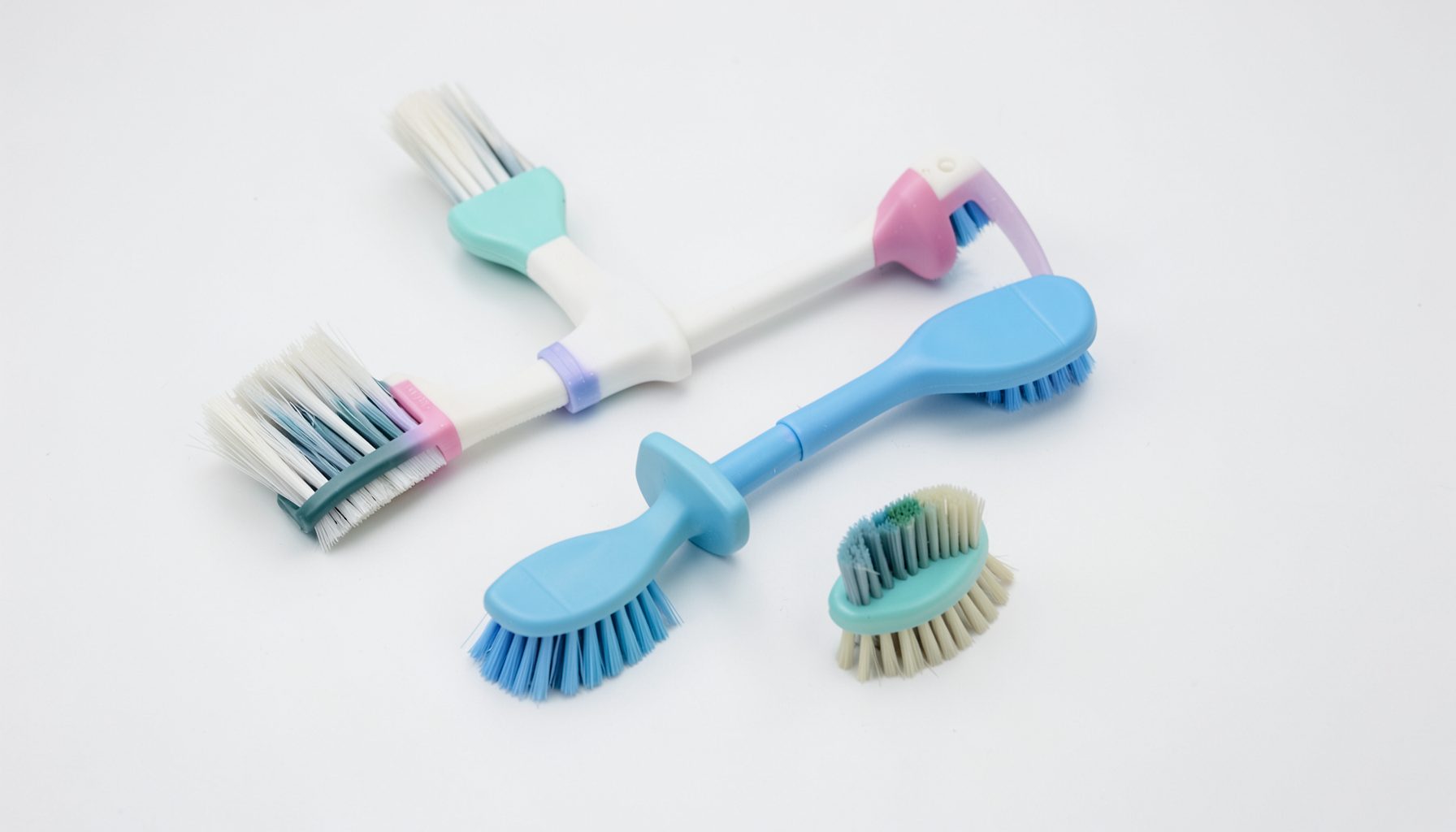
Switch nostrils and repeat. After use, rinse the bottle and let it air dry. Use ResQRinse Premium Cleaning Brushes for thorough cleaning.
Why a Child’s Nasal Rinse Uses a Softer Stream
Nasal irrigation can help wash away mucus, allergens, dust, and other irritants when a child has a stuffy nose. However, a child’s nasal passages are smaller and more sensitive than an adult’s. A rinse system designed for children therefore needs to deliver saline gently, steadily, and with an appropriate amount of pressure.
A softer stream is not simply a diluted version of an adult rinse. It reflects differences in anatomy, comfort, cooperation, and technique. When the flow feels manageable, children are more likely to relax, breathe normally, and accept nasal hygiene as part of their routine.
The goal is comfortable cleansing rather than force. With the right saline solution, suitable equipment, and careful supervision, a child-friendly nasal rinse can support relief during colds, seasonal allergies, sinus congestion, and dry indoor-air conditions.
Why Pressure Matters In Small Nasal Passages
A child’s nasal cavity has less space for fluid to move through than an adult’s. A strong or hurried stream may feel startling, create pressure in the ears or face, or cause a child to pull away before the rinse is complete. Discomfort can make future use more difficult, even when the process itself could be helpful.
A gentler flow gives saline time to travel through the nasal passage and exit through the other nostril or mouth. It can loosen thick mucus without making the child feel as though water is being forced into the nose. The child should never need to endure pain, sharp pressure, or a sensation of choking.
Children also tend to tense their facial muscles when they feel uncertain. That tension can narrow the nasal openings and make drainage less comfortable. A calm, controlled stream works with relaxed breathing instead of requiring the child to tolerate a sudden burst.
How A Softer Stream Supports Comfort
Nasal irrigation is most effective when a child can remain still and follow simple instructions. A slow squeeze allows the caregiver to control the volume and pressure, while the child keeps the mouth open and breathes through it. This approach can reduce splashing and help saline move predictably through the nose.
A softer stream may also support a better experience for children with sensitive nasal tissue. Frequent blowing, dry air, allergies, and viral congestion can leave the lining of the nose irritated. Gentle saline rinsing can remove unwanted material while limiting the added sensation caused by high pressure.
ResQRinse systems use features such as Nasal Lock technology to help position the nozzle and direct the flow more consistently. The aim is to create a secure seal without requiring an adult to push the applicator deeply into the nostril. The device should rest comfortably at the opening, never be forced inward.
Selecting The Right Child-Friendly System
A pediatric nasal rinse system should match the child’s age, size, and ability to cooperate. A smaller bottle, softer nozzle, and easy-to-control squeeze can make a meaningful difference. The equipment should be simple enough for an adult to operate while giving the child a predictable sensation.
Traditional neti pots rely on gravity and may release fluid at a pace that is harder for some children to control. A squeeze bottle provides more direct control, but it must be used with restraint. Squeezing harder does not make the rinse work better; it only increases the force of the stream.
| Feature | Child-Friendly Nasal Rinse | Adult-Oriented Rinse |
|---|---|---|
| Flow strength | Softer and easier to regulate | May deliver a stronger stream |
| Bottle size | Smaller and lighter for pediatric use | Often larger for higher volume |
| Nozzle design | Narrow, comfortable, and shallow | Sized for adult nasal anatomy |
| Pressure control | Gentle hand squeeze | May tolerate firmer compression |
| Main priority | Comfort, cooperation, and control | Efficient cleansing for larger passages |
The saline packet matters as much as the bottle. Use the recommended amount of prepared saline rather than plain tap water or an overly concentrated mixture. Correctly mixed saline is generally more comfortable because it is designed to be compatible with the nasal lining.
Parents and caregivers can find additional product information through the ResQRinse news resources, including updates related to nasal care and product use. A pediatrician or pharmacist can also help determine whether irrigation is suitable for a particular child.
Preparing For A Gentle Rinse
Only use distilled, sterile, or previously boiled and cooled water according to the product instructions. Water safety is essential because the liquid enters the nasal passages. Freshly prepare the saline solution and avoid saving leftover mixture for another day unless the manufacturer specifically provides a safe storage method.
Wash hands before preparing the rinse. Check that the bottle, cap, and nozzle are clean, and inspect the equipment for cracks or residue. Cleaning brushes can help reach internal areas after use, but every component should be rinsed and dried as directed.
The liquid should be comfortably lukewarm, never hot. Test a small amount on the inside of the wrist before use. Have tissues nearby and choose a location where the child can lean forward over a sink without rushing.
Making The Experience Easier
Explain the process in simple, reassuring language. A child may be more willing to try after watching a caregiver demonstrate the bottle or practicing the position without any saline. Avoid describing the rinse as something that might hurt. Instead, explain that it may feel unusual and that the child can signal if the flow feels uncomfortable.
The child should lean forward with the head slightly down, keep the mouth open, and breathe through the mouth. Place the nozzle gently against one nostril and use a light, even squeeze. Do not block the other nostril, insert the tip deeply, or squeeze rapidly. Stop if the child coughs repeatedly, experiences pain, or becomes distressed.
A familiar routine can reduce resistance. The following habits help keep the process calm and consistent:
- Use the child-sized bottle and nozzle recommended for pediatric use.
- Let the child choose a towel, tissue, or comfortable position before starting.
- Apply only light pressure and pause whenever the child needs to breathe or reset.
- Encourage gentle nose blowing afterward rather than forceful blowing.
- Wash, rinse, and air-dry the system after every use.
The first few attempts may be brief. It is often better to complete a small, comfortable rinse than to insist on a full bottle while the child is frightened. Never restrain a child to perform nasal irrigation, and do not turn the process into a punishment.
Knowing When To Pause Or Ask For Care
Nasal rinsing is not appropriate for every situation. Stop if the child reports ear pain, intense facial pressure, nosebleeding, severe burning, or trouble breathing. A blocked passage may make the rinse uncomfortable, and a child who cannot follow breathing instructions may need to wait until they are calmer or older.
Caregivers should seek medical advice for persistent congestion, recurring sinus symptoms, frequent nosebleeds, fever, facial swelling, or symptoms that are worsening. Medical guidance is especially important for infants, children with ear problems, children who have had nasal surgery, or those with conditions affecting their immune system or airway.
The ResQRinse FAQs can clarify common questions about preparation, cleaning, and usage, but general product information does not replace individualized medical advice. A healthcare professional can recommend whether saline irrigation belongs in the child’s care plan and how often it should be used.
Build A Calm, Consistent Routine
A child’s nasal rinse uses a softer stream because effective cleansing depends on more than moving saline through the nose. The flow must suit smaller passages, sensitive tissue, and a child’s need to feel safe and in control. Gentle pressure, an appropriate nozzle, and correct saline preparation help turn an unfamiliar treatment into a manageable hygiene habit.
Choose a pediatric-friendly system, follow its instructions carefully, and supervise every rinse. For congestion related to allergies or a cold, saline irrigation may provide temporary relief by moisturizing the nasal lining and clearing mucus and irritants. If symptoms persist or seem unusual, involve the child’s healthcare provider.
Explore a child-sized ResQRinse system and prepare a comfortable, carefully supervised nasal care routine for your family.