ResQRinse is the nasal irrigation squeeze bottle that eliminates head-tilting and awkward neck positions. Using proprietary Nasal Lock™ technology, it delivers a comfortable, gag-free sinus cleanse — no more saline dripping down your throat.

Relief From Fall Sneezes
Now sold on Walmart.com. Free shipping on orders $30+. Try ResQRinse today with your everyday purchases.
Shop at WalmartWhy ResQRinse?
Nasal rinsing helps relieve congestion from colds, allergies, sinusitis, hay fever, and environmental pollutants. ResQRinse makes it comfortable enough to become a daily habit.
Nasal Lock™ Technology
Isolates sinuses from the throat using natural choanal occlusion — like inflating a balloon — so saline stays where it belongs.
Learn more →
Drug-Free Relief
Uses premixed saline packets with distilled water. No medications, no preservatives — just a natural cleanse for your nasal passages.
How to rinse →
For Kids Too
ResQRinse for Kids features a comfort nasal tip right-sized for smaller nostril openings, making rinsing gentle and easy for children.
Shop kids' version →
Breath-Controlled Flow
You control the saline flow with your own breath pressure — high volume, low pressure irrigation that's comfortable and effective.
Watch how-to videos →
Better Compliance
Designed to overcome the gagging and discomfort that cause people to abandon traditional neti pots and nasal rinse systems.
Our story →
Complete Kits Available
From the basic ResQRinse Nasal Rinse System ($19.99) to 90-day complete kits, saline packets, cleaning brushes, and Sinoptim Nasal Mist.
Browse all products →Get Started with ResQRinse
Ready to experience a better nasal rinse? Fill out the form below and we'll help you find the right product — or follow the simple steps to begin rinsing today.
Request More Information
How to Use ResQRinse
Fill the Bottle
Fill the ResQRinse squeeze bottle with distilled or previously boiled water and add one premixed saline packet.
Position the Tip
Place the comfort tip gently against one nostril. No head-tilting or awkward neck angles needed.
Squeeze & Breathe
Squeeze the bottle gently while breathing through your mouth. Nasal Lock™ keeps saline in your nasal passages and out of your throat.
Repeat & Clean
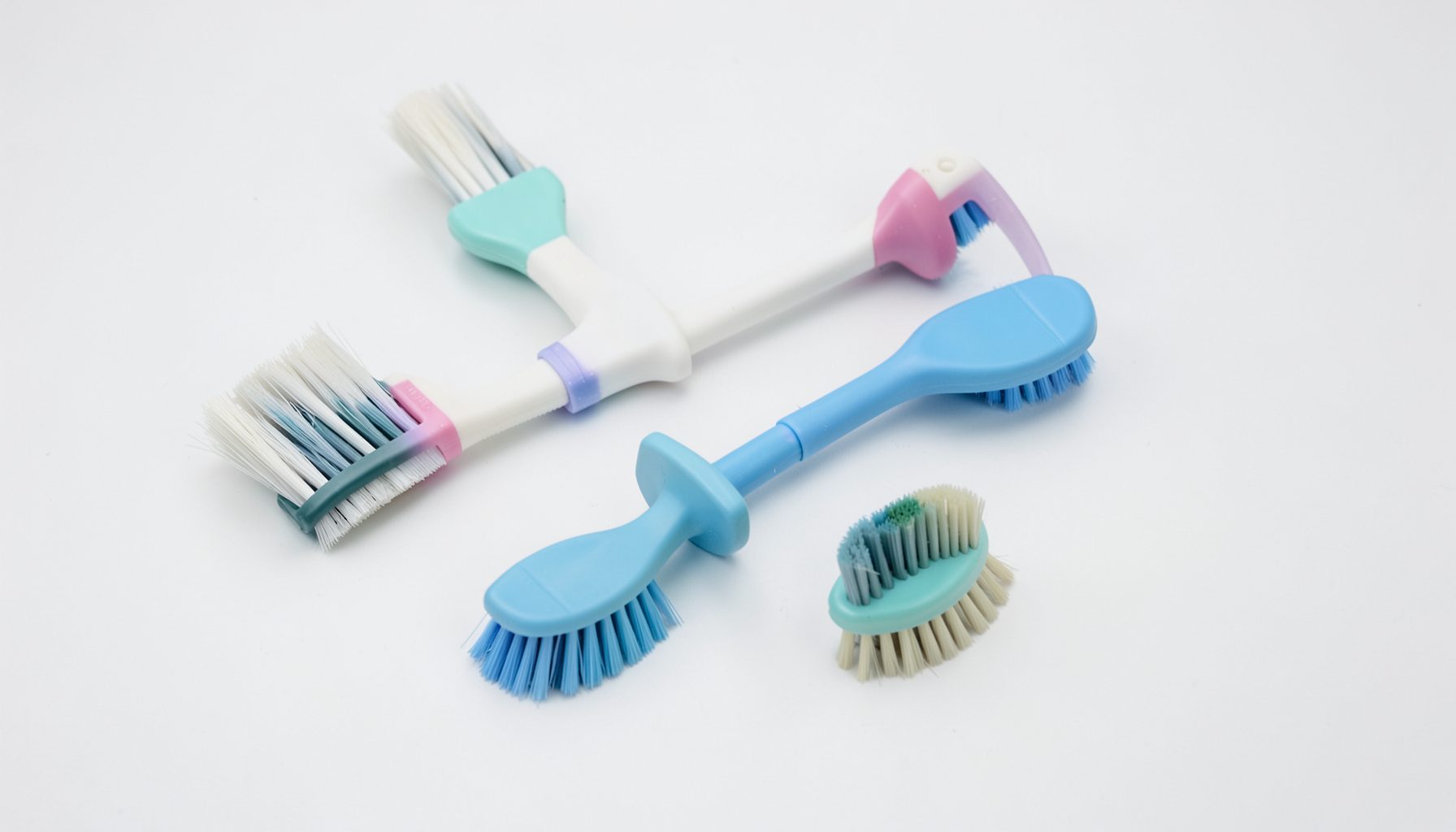
Switch nostrils and repeat. After use, rinse the bottle and let it air dry. Use ResQRinse Premium Cleaning Brushes for thorough cleaning.
How To Calm A Toddler During Their First Nasal Rinse
A toddler may resist nasal irrigation because the sensation is unfamiliar, the bottle looks intimidating, or they simply dislike having their face handled. A calm first experience depends less on perfect technique than on creating a sense of safety, control, and predictability.
Nasal rinsing can help wash away mucus, allergens, and irritants that contribute to a stuffy nose. For young children, however, the process should be gentle, age appropriate, and completed with close adult supervision. The goal is comfortable relief, not forcing a rinse through tears or panic.
Choose a child-sized system and read its instructions before beginning. Use only sterile, distilled, or previously boiled and cooled water with the correct saline mixture. If your toddler has frequent nosebleeds, ear pain, breathing difficulty, or a medical condition affecting the nose or immune system, ask a pediatrician for guidance first.
Start With The Right Moment
Avoid introducing nasal irrigation when your toddler is exhausted, hungry, hurried, or already upset. A relaxed time of day, such as after a snack and before the bedtime routine, often works better than trying to rinse during a frantic morning. Give yourself enough time so the process does not feel like a race.
Explain what will happen using short, reassuring language. You might say, “This is salty water that helps your nose feel clearer,” or “We will put it by your nose, and you can breathe through your mouth.” Avoid promising that it will feel like nothing; toddlers may lose trust if the sensation surprises them.
Let your child watch you prepare the saline and handle the bottle. Demonstrating on yourself, a stuffed animal, or a doll can make the nasal rinse seem like a familiar caregiving activity instead of a mysterious medical procedure. Keep your voice steady and your movements slow.
Give Your Toddler Small Choices
Toddlers often cooperate better when they have limited choices within a clear boundary. Let your child choose whether to stand on a step stool or sit on your lap, which towel to use, or whether to rinse the left or right nostril first. The adult still decides whether the rinse is appropriate and how it is performed.
Do not ask, “Do you want to rinse your nose?” if the rinse is necessary and you are prepared to proceed. A question invites an answer you may not be able to accept. Instead, offer a choice such as, “Would you like the blue towel or the green towel?” This gives your child control without turning the entire routine into a negotiation.
A simple countdown can also help. Tell your toddler that you will touch the nozzle to the nostril, squeeze gently for a short moment, and stop. Counting slowly to three gives the child a clear beginning and ending. Praise cooperation with specific words: “You kept your mouth open,” or “You held still while I helped your nose.”
Use A Gentle, Predictable Technique
Follow the instructions supplied with your nasal irrigation system, and use a device designed for children. A squeeze bottle should never be forced into the nostril. The nozzle should rest comfortably at the opening, creating a gentle seal without painful pressure. If your product includes Nasal Lock technology, learn how it is intended to support a controlled, comfortable flow before using it with your child.
Have your toddler lean slightly forward over a sink or basin, with the mouth open for breathing. Do not tilt the head far backward, since that can make the fluid run toward the throat. Encourage your child to breathe through the mouth while you administer the rinse slowly.
Keep tissues and a washcloth nearby. Some saline may come from the other nostril or mouth, and that can be normal. Wipe gently rather than rubbing the skin. If your toddler coughs, gags, experiences sharp pain, or becomes highly distressed, stop and allow them to recover. A first attempt does not need to be completed at all costs.
Select A Setup That Fits Your Child
The equipment can influence how safe and manageable the first experience feels. A child-friendly squeeze bottle may offer a shorter, more controlled rinse than a large device, while saline packets make it easier to prepare a consistent solution. Nasal mist can be a useful option when a full rinse is not suitable in the moment, though it does not provide the same flushing action.
Caregivers may also appreciate systems with cleaning tools and clear preparation instructions. Learning more about the company’s approach through the ResQRinse story can help you understand how its products are designed for everyday nasal care.
| Option | May Work Well For | Helpful Considerations |
|---|---|---|
| Children’s squeeze bottle | Toddlers who can follow simple directions | Use light pressure and keep the bottle upright as directed |
| Saline mist | Brief moisture or a hesitant child | Apply according to the product instructions |
| Saline packets | Caregivers who want consistent mixing | Use with the correct volume of safe water |
| Cleaning brush | Maintaining a reusable rinse system | Clean and dry the device after every use |
| Complete nasal rinse kit | Families beginning a routine | Check that the included size and instructions suit your child |
Regardless of the format, hygiene matters. Wash the device as directed, allow it to dry completely, and do not share a nasal applicator between family members. Prepare fresh saline rather than storing a mixed solution for later unless the manufacturer specifically provides storage instructions.
Respond To Fear Without Creating Pressure
Crying or pulling away does not mean your toddler is being difficult. It signals that the experience feels too intense, too unfamiliar, or poorly timed. Pause, lower your voice, and offer comfort before deciding whether to continue. Holding your child firmly enough to prevent sudden movement is different from restraining them through prolonged fear; if calm cooperation is not possible, stop the attempt.
You can separate the steps across several days. The first session might involve only looking at the bottle. The next could include touching the nozzle to the outside of the nose. Later, try one very brief rinse. This gradual exposure can make nasal care feel less threatening and gives your child time to build confidence.
Avoid using a rinse as a punishment or presenting it as something scary that must be endured. Do not tease, bargain with excessive rewards, or make exaggerated claims about how quickly congestion will disappear. A small, predictable reward after cooperation, such as choosing a book, may be appropriate, but reassurance and consistency are usually more valuable.
Build A Comfortable Nasal Care Routine
Once the first attempt is over, focus on recovery and positive closure. Offer a drink, wipe the face gently, and return to a familiar activity. Your toddler should associate nasal irrigation with being cared for, rather than with a prolonged struggle. If the nose feels dry afterward, ask a healthcare professional whether another form of saline care is appropriate.
These habits can make future sessions smoother:
- Practice the breathing pattern during play: mouth open, slow breaths, relaxed shoulders.
- Keep the child’s nasal rinse supplies together in one clean, easy-to-reach place.
- Use the same short explanation and sequence each time.
- Choose a consistent moment when congestion is bothersome but your toddler is not overtired.
- Record which position, product, and amount of pressure seemed most comfortable.
Nasal symptoms can become more noticeable during travel, dry weather, or changes in routine. Before planning care around a flight, review practical advice on sinus pressure relief, while remembering that a toddler’s needs may differ from an adult’s. A pediatrician can help determine whether nasal irrigation is suitable for your child and how often to use it.
Make The Next Rinse Easier
A successful first nasal rinse does not require a perfectly quiet child or a completely clear nose. Success may mean your toddler watched the process, allowed the nozzle near the nostril, or completed one gentle side before needing a break. Those small steps establish trust and make future nasal care more manageable.
Choose a child-appropriate ResQRinse system, prepare it with safe water and the proper saline, and keep the first session brief. Move slowly, explain each step, and stop when your toddler shows significant distress or pain. With patience and a predictable routine, families can make congestion and allergy care feel like a calm part of everyday health support.