ResQRinse is the nasal irrigation squeeze bottle that eliminates head-tilting and awkward neck positions. Using proprietary Nasal Lock™ technology, it delivers a comfortable, gag-free sinus cleanse — no more saline dripping down your throat.

Relief From Fall Sneezes
Now sold on Walmart.com. Free shipping on orders $30+. Try ResQRinse today with your everyday purchases.
Shop at WalmartWhy ResQRinse?
Nasal rinsing helps relieve congestion from colds, allergies, sinusitis, hay fever, and environmental pollutants. ResQRinse makes it comfortable enough to become a daily habit.
Nasal Lock™ Technology
Isolates sinuses from the throat using natural choanal occlusion — like inflating a balloon — so saline stays where it belongs.
Learn more →
Drug-Free Relief
Uses premixed saline packets with distilled water. No medications, no preservatives — just a natural cleanse for your nasal passages.
How to rinse →
For Kids Too
ResQRinse for Kids features a comfort nasal tip right-sized for smaller nostril openings, making rinsing gentle and easy for children.
Shop kids' version →
Breath-Controlled Flow
You control the saline flow with your own breath pressure — high volume, low pressure irrigation that's comfortable and effective.
Watch how-to videos →
Better Compliance
Designed to overcome the gagging and discomfort that cause people to abandon traditional neti pots and nasal rinse systems.
Our story →
Complete Kits Available
From the basic ResQRinse Nasal Rinse System ($19.99) to 90-day complete kits, saline packets, cleaning brushes, and Sinoptim Nasal Mist.
Browse all products →Get Started with ResQRinse
Ready to experience a better nasal rinse? Fill out the form below and we'll help you find the right product — or follow the simple steps to begin rinsing today.
Request More Information
How to Use ResQRinse
Fill the Bottle
Fill the ResQRinse squeeze bottle with distilled or previously boiled water and add one premixed saline packet.
Position the Tip
Place the comfort tip gently against one nostril. No head-tilting or awkward neck angles needed.
Squeeze & Breathe
Squeeze the bottle gently while breathing through your mouth. Nasal Lock™ keeps saline in your nasal passages and out of your throat.
Repeat & Clean
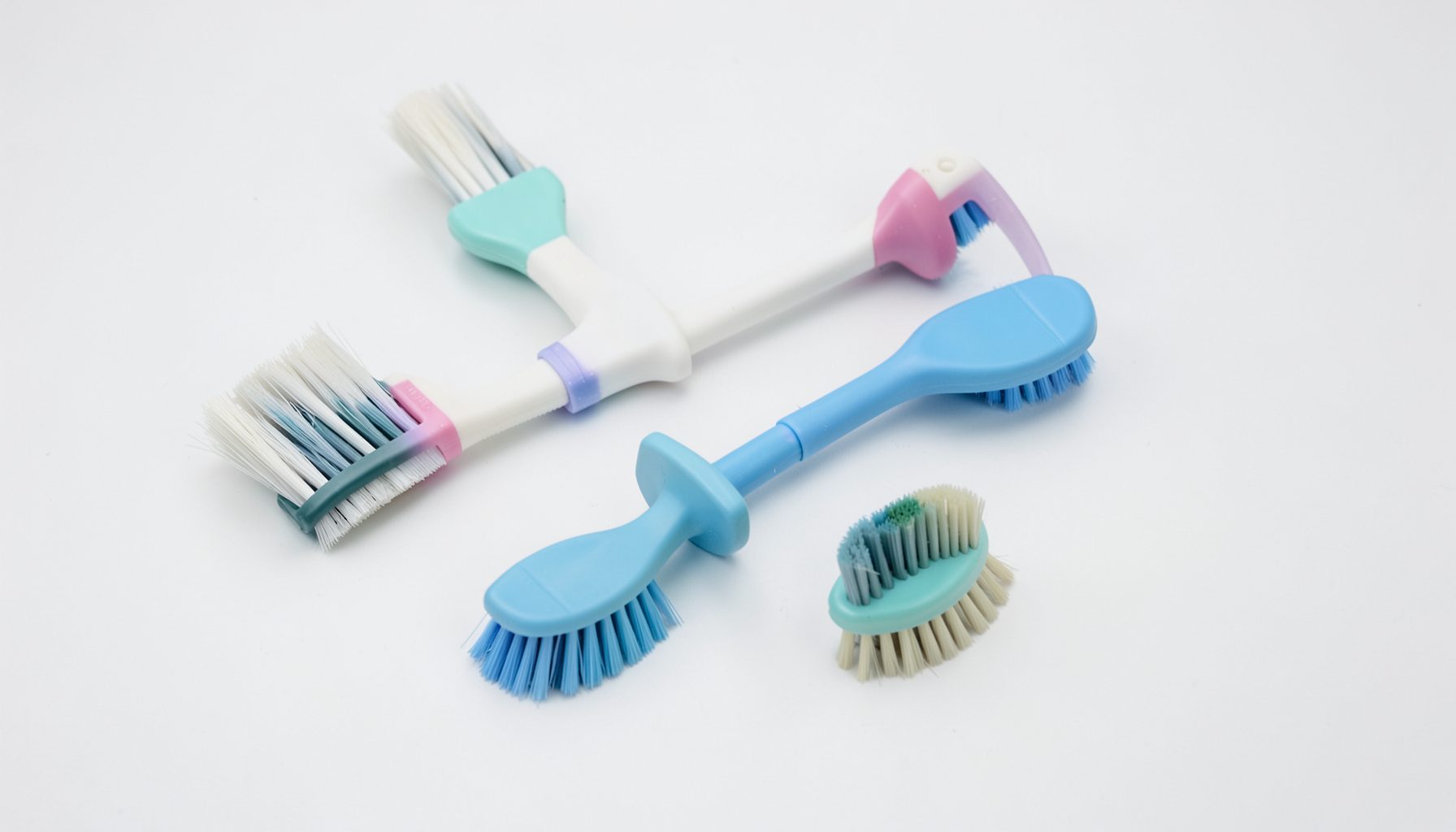
Switch nostrils and repeat. After use, rinse the bottle and let it air dry. Use ResQRinse Premium Cleaning Brushes for thorough cleaning.
How to Recognize When You Need a Stronger Saline Concentration
Nasal saline rinsing can loosen thick mucus, wash away allergens, and moisturize irritated nasal passages. Most people begin with an isotonic solution, which has a salt concentration close to that of body fluids and is generally comfortable for regular use.
Sometimes, however, a standard saline rinse does not provide enough relief. Persistent swelling, heavy congestion, or mucus that remains difficult to move may indicate that a hypertonic, or stronger, solution could be more suitable. The right choice depends on your symptoms, sensitivity, medical history, and how often you rinse.
A stronger concentration is not automatically better. Too much salt can cause stinging, dryness, or rebound irritation if used too frequently. Understanding the difference between normal discomfort and a sign to adjust your routine can help you rinse more effectively and safely.
Understanding saline strength
Saline concentration describes the amount of salt dissolved in water. Isotonic saline is typically around 0.9% sodium chloride, while hypertonic solutions contain more salt. Hypotonic solutions contain less salt, although they are less commonly used for routine nasal irrigation.
Hypertonic saline may help draw water out of swollen nasal tissue through osmosis. This can temporarily reduce nasal stuffiness and create more space for mucus to drain. It may be useful during allergy flares, colds, sinus pressure, or episodes involving thick secretions.
The effect is not identical for everyone. Some people notice easier breathing with a stronger rinse, while others experience burning or dryness even at a modest increase. A product’s prepared saline packets should be mixed according to the instructions rather than adjusted by guesswork.
Signs a standard rinse may be insufficient
One possible sign is congestion that remains substantial after a correctly performed isotonic rinse. If the solution flows through but your nasal passages still feel tightly blocked, swollen, or difficult to breathe through, a hypertonic rinse may offer additional short-term relief. This is especially common when seasonal allergies or an upper respiratory infection causes significant tissue inflammation.
Thick mucus is another clue. A standard saline wash can soften secretions, but mucus that remains sticky, dense, or difficult to clear may respond better to a slightly stronger solution. You may also notice that rinsing provides relief for only a short time before pressure and blockage return.
Pay attention to how your nose feels after several uses. If an isotonic rinse is comfortable but produces little benefit, and there are no warning signs such as severe pain or bleeding, discussing a stronger saline concentration with a pharmacist or healthcare professional may be reasonable. Read real customer experiences for examples of how comfort and results can vary between users, but treat personal testimonials as individual experiences rather than medical advice.
When a stronger rinse may be the wrong choice
Stinging, burning, cracking, or increasing dryness usually means the solution is too concentrated, the water temperature is uncomfortable, or the nasal lining is already irritated. These symptoms are a reason to pause, return to a gentler concentration, or seek professional guidance rather than continuing with more salt.
Frequent nosebleeds also call for caution. A dry nasal lining can become more fragile, and hypertonic saline may intensify that irritation. People with recent nasal surgery, structural blockage, recurring ear pressure, or a diagnosed sinus condition should ask their clinician which solution and device are appropriate.
A stronger rinse cannot treat every cause of congestion. Severe one-sided blockage, facial swelling, high fever, vision changes, intense headache, or symptoms lasting longer than expected should receive medical attention. Seek urgent care for trouble breathing, swelling around the eyes, confusion, or a stiff neck.
Comparing common saline options
The best concentration depends on the balance between symptom relief and comfort. The following guide describes common patterns, but packet strengths differ between brands, so always follow the product label.
| Saline type | Typical purpose | How it may feel | When to consider it |
|---|---|---|---|
| Hypotonic | Gentle moisture for selected situations | Very mild, though it may feel unusual to some users | When advised by a healthcare professional |
| Isotonic | Everyday cleansing and moisturizing | Usually comfortable and low in irritation | First choice for routine rinsing, allergies, and mild congestion |
| Mildly hypertonic | Additional support for swelling and mucus | May cause brief tingling or mild dryness | When isotonic saline is comfortable but not effective enough |
| More concentrated hypertonic | Short-term decongesting support | More likely to sting or dry the nose | Only when label directions or professional advice support its use |
A stronger saline solution should be mixed with the correct volume of safe water. Adding extra salt to a premixed packet changes the intended concentration and may damage the nasal lining. Likewise, using too little salt can make the rinse uncomfortable because the solution no longer matches the intended formulation.
Choosing and using a stronger solution safely
Use distilled, sterile, or previously boiled and cooled water for nasal irrigation. Tap water can contain organisms that are safe to swallow but unsafe inside the nasal passages. Keep the device clean and allow it to dry fully between uses. A rinse bottle with a secure seal and controlled flow can make the process easier to manage.
Follow the packet directions carefully, including the recommended water volume. Lukewarm water is usually more comfortable than very cold or hot water. Lean over a sink, breathe through your mouth, and apply gentle, steady pressure. Forcing the bottle can cause discomfort or pressure in the ears.
ResQRinse systems are designed to help control flow, and their Nasal Lock technology is intended to support a secure fit during use. The bottle still needs to be positioned correctly, and the rinse should never be forced through a completely blocked passage. Guidance on squeeze-bottle mistakes can help prevent problems such as excessive pressure, incorrect water preparation, or inadequate cleaning.
Adjusting frequency and monitoring your response
A hypertonic rinse is often best treated as a targeted option rather than an automatic replacement for everyday isotonic saline. If it causes dryness, reduce how often you use it or switch back to a gentler formula. Nasal tissues should feel cleaner and less congested after rinsing, not progressively raw or tender.
Keep track of your symptoms for several days. Note whether breathing improves, mucus becomes easier to clear, and relief lasts longer. Also record negative effects such as burning, crusting, ear fullness, or bleeding. This information can help a healthcare professional determine whether the issue is saline strength, technique, allergy control, infection, or another nasal condition.
Children need extra care because they may be more sensitive to discomfort and may not be able to describe pressure accurately. Use a child-appropriate system and follow age instructions. Do not share rinse devices, and replace components when the manufacturer recommends it.
Making saline rinsing part of a sensible routine
Start with the least concentrated solution that gives useful relief. For many people, isotonic saline is sufficient for daily nasal hygiene, pollen exposure, and mild congestion. A stronger formula becomes more reasonable when swelling or thick mucus continues despite correct technique and good device hygiene.
The company’s ResQRinse approach centers on comfortable nasal irrigation and practical options for different users, including children’s systems, saline packets, cleaning tools, and nasal mist. Product selection should still match your symptoms and comfort level rather than being based solely on the promise of a stronger effect.
- Begin with isotonic saline unless a healthcare professional recommends another concentration.
- Consider mildly hypertonic saline when swelling or thick mucus persists and regular saline is comfortable.
- Stop or reduce use if burning, dryness, crusting, or nosebleeds develop.
- Use only distilled, sterile, or boiled-and-cooled water, and clean the device after each use.
- Seek medical advice for severe, unusual, recurring, or long-lasting symptoms.
The goal is effective relief without over-irritating the nasal lining. Choose a properly measured saline packet, use a clean device, and adjust gradually based on comfort and results. ResQRinse kits, saline products, and nasal mist are available through the brand’s online retail partners, including Walmart and Amazon, so select the format that fits your routine and use it according to the included directions.