ResQRinse is the nasal irrigation squeeze bottle that eliminates head-tilting and awkward neck positions. Using proprietary Nasal Lock™ technology, it delivers a comfortable, gag-free sinus cleanse — no more saline dripping down your throat.

Relief From Fall Sneezes
Now sold on Walmart.com. Free shipping on orders $30+. Try ResQRinse today with your everyday purchases.
Shop at WalmartWhy ResQRinse?
Nasal rinsing helps relieve congestion from colds, allergies, sinusitis, hay fever, and environmental pollutants. ResQRinse makes it comfortable enough to become a daily habit.
Nasal Lock™ Technology
Isolates sinuses from the throat using natural choanal occlusion — like inflating a balloon — so saline stays where it belongs.
Learn more →
Drug-Free Relief
Uses premixed saline packets with distilled water. No medications, no preservatives — just a natural cleanse for your nasal passages.
How to rinse →
For Kids Too
ResQRinse for Kids features a comfort nasal tip right-sized for smaller nostril openings, making rinsing gentle and easy for children.
Shop kids' version →
Breath-Controlled Flow
You control the saline flow with your own breath pressure — high volume, low pressure irrigation that's comfortable and effective.
Watch how-to videos →
Better Compliance
Designed to overcome the gagging and discomfort that cause people to abandon traditional neti pots and nasal rinse systems.
Our story →
Complete Kits Available
From the basic ResQRinse Nasal Rinse System ($19.99) to 90-day complete kits, saline packets, cleaning brushes, and Sinoptim Nasal Mist.
Browse all products →Get Started with ResQRinse
Ready to experience a better nasal rinse? Fill out the form below and we'll help you find the right product — or follow the simple steps to begin rinsing today.
Request More Information
How to Use ResQRinse
Fill the Bottle
Fill the ResQRinse squeeze bottle with distilled or previously boiled water and add one premixed saline packet.
Position the Tip
Place the comfort tip gently against one nostril. No head-tilting or awkward neck angles needed.
Squeeze & Breathe
Squeeze the bottle gently while breathing through your mouth. Nasal Lock™ keeps saline in your nasal passages and out of your throat.
Repeat & Clean
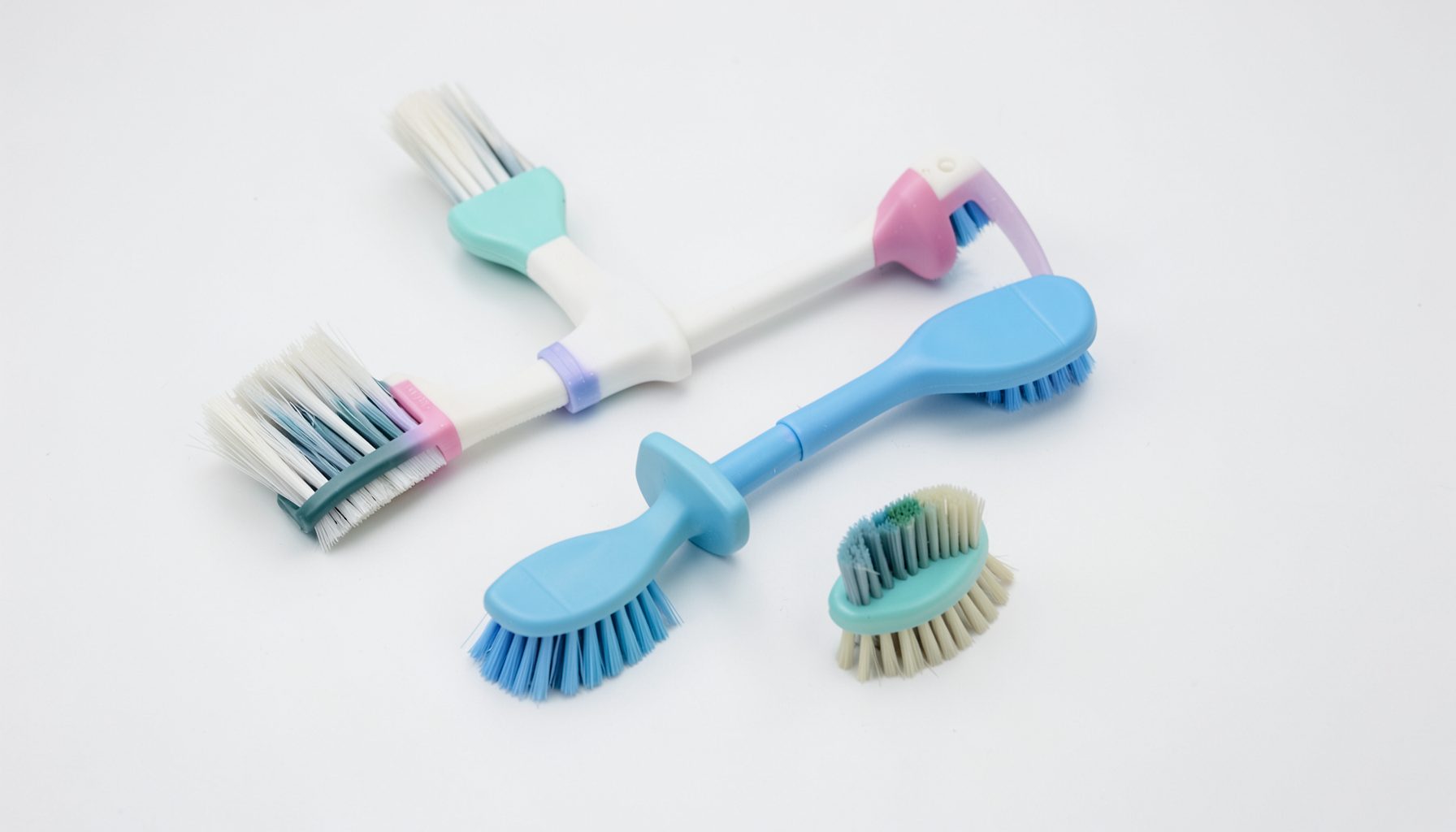
Switch nostrils and repeat. After use, rinse the bottle and let it air dry. Use ResQRinse Premium Cleaning Brushes for thorough cleaning.
Nasal Irrigation for Cat and Dog Dander Allergies
Cat and dog dander contains microscopic skin particles and proteins that can irritate sensitive airways. For an allergic person, contact with a pet may cause sneezing, a runny or blocked nose, itchy eyes, sinus pressure and postnasal drip. The reaction can begin minutes after exposure or appear hours later, especially when pet hair carries dander into bedding, carpets or car seats.
Nasal irrigation for cat or dog dander allergies uses a sterile saline solution to wash mucus and trapped allergen material from the nasal passages. It cannot remove dander already in the lungs or cure an allergy, but it can clear the nose, ease congestion and make daily management more comfortable. Used with sensible avoidance measures and prescribed treatment when needed, a rinse can form a practical part of an Australian household’s allergy routine.
Why Dander Triggers Nasal Symptoms
Some people react mainly to cats, others to dogs, and some to both. Dander is especially likely to reach the nose when a pet shares a bedroom, rides in the car or settles on cushions. It can also cling to clothing and be carried into workplaces, so symptoms may appear where no animal is present. Identifying this pattern helps separate a dander problem from a cold, sinus infection or another trigger.
Australian conditions add useful context. Sydney’s spring grass pollen can coincide with pet exposure, while Melbourne’s changeable, windy spring often drives material indoors and onto faces and bedding. Brisbane’s subtropical humidity supports persistent dust mites and mould, which may complicate an already inflamed nose. Bushfire smoke across New South Wales and Victoria can also leave airways sensitive, making a rinse supportive rather than a substitute for smoke-avoidance advice.
Dander can remain on jackets, beanies and shared blankets after an outdoor family outing. A family hike layering guide helps adults and children adjust to changing Australian conditions; choosing removable, washable layers gives allergen-laden fabric a practical way out of the home.
What Nasal Irrigation Can Do
A saline rinse loosens dried mucus and carries some airborne particles toward the nostrils. The immediate benefit is usually easier breathing and less pressure rather than a lasting reduction in allergic sensitivity. A squeeze bottle may also give some users more control over the stream than pouring from a traditional neti pot. ResQRinse’s Nasal Lock design is intended to make positioning and flow easier, provided the user follows the product instructions and stops if discomfort occurs.
Results vary with technique and the amount of allergen exposure. A rinse may help someone clear a blocked nose before sleep, after working outdoors or after close contact with an animal. Saline mist offers a gentler option between full rinses, although it does not wash out as much material. Neither product replaces antihistamines, corticosteroid sprays or other clinician-directed treatment, and many people benefit from using all suitable measures together.
Choosing a System for Your Household
ResQRinse sells squeeze-bottle systems, a children’s version, complete kits, single-use saline packets, cleaning brushes and nasal mist. Adults should select a bottle that feels comfortable against the face and can be squeezed without forcing liquid. A children’s system should be used only with close supervision and age-appropriate instructions. Buying a kit can simplify setup, while packet-based refills are convenient for travel and households that do not want to measure loose salt.
Check the ResQRinse purchase options for current Amazon and Walmart listings, and confirm delivery to your Australian address. Price, currency and shipping terms can change. Anyone comparing overseas health retailers, including a Canadian online pharmacy, should also check local import, labelling and product-handling requirements rather than assuming a foreign listing will arrive promptly or be suitable for Australian use.
The choice between a full kit and separate components depends on how often the family expects to rinse. A complete kit is useful for a first trial, while extra packets and a replacement brush make ongoing care easier. Nasal mist can be kept in a handbag or bedside drawer for milder symptoms between irrigations. Whichever setup is chosen, buy unopened saline packets rather than preparing a strong homemade mixture.
Preparing and Using Your Rinse Safely
Use only sterile or distilled water, or water that has been boiled and cooled according to current health guidance. Do not irrigate directly with untreated Australian tap water. If using homemade saline, measure accurately and avoid concentrated salt solutions, which can sting and may damage the nasal lining. Commercial packets reduce guesswork and are particularly useful for children, shared bottles or travel.
Lean forward, keep the mouth open and follow the bottle’s directions so liquid flows through rather than into the throat. Start gently, use only comfortable pressure and breathe through the mouth. Stop for sharp pain, substantial bleeding, severe headache or worsening ear symptoms. Do not share bottles or saline packets, and clean the device after every use with the supplied brush or the manufacturer’s recommended method; air-dry it fully before storage.
Anyone with a history of nosebleeds should read the nosebleed safety guidance before starting and discuss recurrent bleeding with a clinician. Minor spotting after a rinse can still require attention, particularly when it repeats or occurs with pain. Stop irrigating and seek medical advice if bleeding is heavy, does not settle or follows a recent injury.
Reducing Dander Around the Home
Keeping dander away from the nose lowers the amount of allergen available to trigger symptoms. Keep pets out of the bedroom where practical, wash hands and change clothing after handling them, and use a vacuum with a sealed HEPA filter. Wash bedding and washable soft furnishings at 60°C where the care label permits, then dry them fully. Vacuuming carpets and upholstery regularly matters because dander settles into fibres and can be aerosolised again.
Dry indoor air can make an irritated nose feel worse, especially in Australian homes using air-conditioning in summer and heaters in winter. The brand’s ResQRinse humidifier guidance explains how to combine its products with humidification while keeping the equipment clean. Aim for moderate room humidity rather than a visibly damp room, and empty and rinse the humidifier often to prevent mould and mineral dust. A rinse clears existing nasal material; environmental control helps prevent new exposure.
When Symptoms Need Medical Attention
Seek medical advice if symptoms are persistent, severe or disrupt sleep despite suitable treatment. Difficulty breathing, wheezing, facial swelling or a rapidly worsening reaction needs prompt assessment, and a known asthma plan should be followed. A clinician can check whether symptoms are truly dander-related and advise on nasal corticosteroid sprays, antihistamines, allergy testing or referral for immunotherapy.
Rinses are not appropriate for every nose. If fluid regularly causes ear discomfort, the article on ear pain guidance explains why pressure changes and existing ear problems may need professional review. Suspected sinus infection, persistent one-sided symptoms, severe facial pain or repeated nosebleeds also deserve assessment rather than repeated irrigation. A pharmacist can help match an over-the-counter option with any prescribed treatment and existing health conditions.
Build a Routine That Fits Your Home
A workable plan combines careful rinsing with trigger reduction and the treatment advised by a health professional.
- Track exposure and symptoms by noting when congestion appears after contact with pets, cleaning or outdoor time.
- Keep the bottle, packets and brush together so every rinse starts with clean, dry equipment.
- Rinse at a consistent time, such as after returning from outdoor activities or before bed, rather than repeatedly through the day.
- Use safe water and comfortable pressure, stopping immediately if pain, bleeding or ear pressure develops.
- Pair irrigation with medication and allergen controls recommended by your pharmacist or clinician.
- Check Australian delivery details for Amazon or Walmart listings before ordering, and confirm the kit contains everything needed.
Ready to make rinsing more comfortable? Choose the ResQRinse bottle or children’s kit that suits your household, add unopened saline packets and a cleaning brush, and place them near the routine that already helps you manage pet exposure. Consistent technique, clean equipment and sensible allergen control can make nasal care easier to maintain when a cat or dog lives at home.