ResQRinse is the nasal irrigation squeeze bottle that eliminates head-tilting and awkward neck positions. Using proprietary Nasal Lock™ technology, it delivers a comfortable, gag-free sinus cleanse — no more saline dripping down your throat.

Relief From Fall Sneezes
Now sold on Walmart.com. Free shipping on orders $30+. Try ResQRinse today with your everyday purchases.
Shop at WalmartWhy ResQRinse?
Nasal rinsing helps relieve congestion from colds, allergies, sinusitis, hay fever, and environmental pollutants. ResQRinse makes it comfortable enough to become a daily habit.
Nasal Lock™ Technology
Isolates sinuses from the throat using natural choanal occlusion — like inflating a balloon — so saline stays where it belongs.
Learn more →
Drug-Free Relief
Uses premixed saline packets with distilled water. No medications, no preservatives — just a natural cleanse for your nasal passages.
How to rinse →
For Kids Too
ResQRinse for Kids features a comfort nasal tip right-sized for smaller nostril openings, making rinsing gentle and easy for children.
Shop kids' version →
Breath-Controlled Flow
You control the saline flow with your own breath pressure — high volume, low pressure irrigation that's comfortable and effective.
Watch how-to videos →
Better Compliance
Designed to overcome the gagging and discomfort that cause people to abandon traditional neti pots and nasal rinse systems.
Our story →
Complete Kits Available
From the basic ResQRinse Nasal Rinse System ($19.99) to 90-day complete kits, saline packets, cleaning brushes, and Sinoptim Nasal Mist.
Browse all products →Get Started with ResQRinse
Ready to experience a better nasal rinse? Fill out the form below and we'll help you find the right product — or follow the simple steps to begin rinsing today.
Request More Information
How to Use ResQRinse
Fill the Bottle
Fill the ResQRinse squeeze bottle with distilled or previously boiled water and add one premixed saline packet.
Position the Tip
Place the comfort tip gently against one nostril. No head-tilting or awkward neck angles needed.
Squeeze & Breathe
Squeeze the bottle gently while breathing through your mouth. Nasal Lock™ keeps saline in your nasal passages and out of your throat.
Repeat & Clean
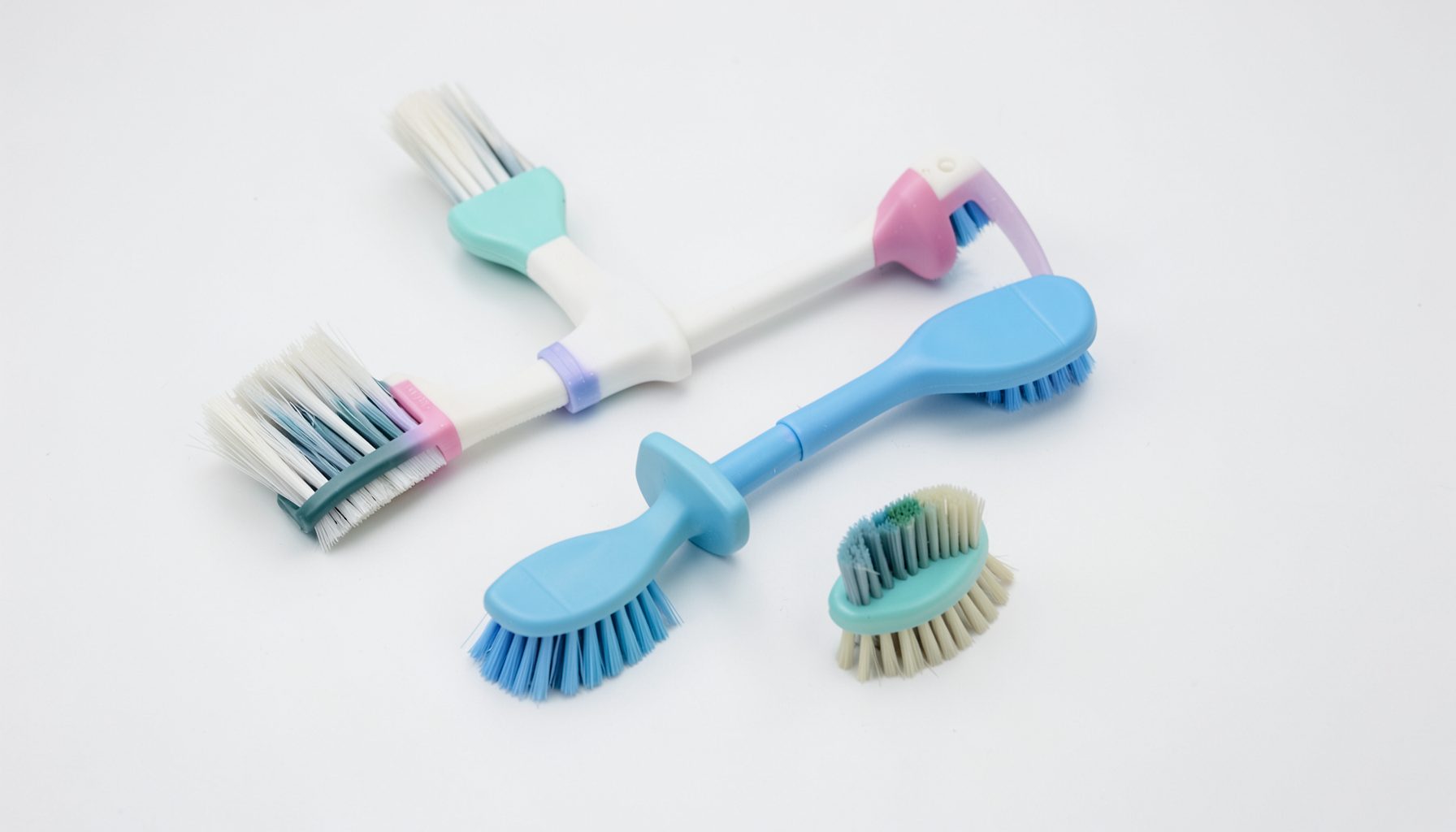
Switch nostrils and repeat. After use, rinse the bottle and let it air dry. Use ResQRinse Premium Cleaning Brushes for thorough cleaning.
How to Use ResQRinse With a Humidifier for Nasal Comfort
Dry indoor air can make congestion, allergy symptoms, crusting, and sinus discomfort feel worse, especially during winter or when heating systems run frequently. A humidifier adds moisture to the surrounding air, while a ResQRinse nasal irrigation system helps wash away mucus, allergens, and irritants inside the nasal passages.
These products serve different purposes, so they should be used as separate parts of a routine rather than mixed together. Never pour saline solution, medication, or essential oils into a humidifier, and never use humidifier water in a nasal rinse. Each device requires the right liquid and cleaning method.
With proper water safety, timing, and maintenance, nasal irrigation and room humidification can complement one another. The goal is comfortable moisture: enough to soothe dry nasal tissue without creating conditions that encourage mold, bacteria, or excessive dampness.
Why Combine Nasal Irrigation And Humidification
A ResQRinse rinse physically clears the nose. Saline solution can loosen thick mucus and help remove airborne particles, while the bottle’s controlled flow is designed to make nasal irrigation more approachable than traditional methods. The rinse acts directly inside the nasal passages for short-term cleansing and comfort.
A humidifier works throughout the room. By increasing ambient humidity, it may reduce the drying effect of indoor heating and support more comfortable breathing during sleep. It does not wash the nasal passages, remove allergens, or replace a saline rinse.
Using both can be useful when congestion and dryness occur together. For example, a person may rinse after returning home from a high-pollen environment and use a clean, properly adjusted humidifier overnight. More details about product features, saline options, and instructions are available in the ResQRinse product information.
Humidity is not automatically better at higher levels. Excess moisture can encourage dust mites and microbial growth, while a room that feels damp may aggravate some allergy symptoms. A humidity monitor can help keep indoor relative humidity near the commonly recommended range of 30% to 50%.
Prepare Water And Equipment Safely
Use only distilled, sterile, or previously boiled and cooled water for nasal irrigation. Tap water can contain microorganisms that are generally safe to swallow but unsafe when introduced into the nasal passages. Follow the directions included with your ResQRinse kit and prepare the saline packet with the specified amount of safe water.
Fill the humidifier according to its own instructions. Distilled water is often preferred because it leaves fewer mineral deposits and reduces the fine white dust that some ultrasonic models can disperse. If the manufacturer permits another water type, follow that guidance while considering your local water quality.
Keep the two water supplies separate. Do not transfer water from the humidifier reservoir into the ResQRinse bottle, even if the water appears clean. Likewise, do not use prepared nasal saline in the humidifier. Saline can damage equipment, alter the mist, and leave residue in the tank.
Before starting, inspect the squeeze bottle, cap, nozzle, and humidifier reservoir. Do not use a rinse bottle with cracks, a damaged seal, or a blocked opening. Set the humidifier on a stable, water-resistant surface away from electronics, bedding, and children’s reach.
Follow A Comfortable Sequence
For many people, nasal irrigation works best before bedtime or before using a room humidifier overnight. Begin by washing your hands and preparing fresh saline. Lean over a sink, keep your mouth open, and follow the bottle directions without forcing the liquid through the nose.
Allow the solution to drain fully, then gently blow your nose. Avoid forceful blowing, which can create pressure in the ears or irritate swollen tissue. Give yourself a few minutes before lying down so excess rinse can drain naturally.
After the rinse, turn on the clean humidifier if the room air is dry. Use a low or moderate setting first, and place the unit several feet from the bed rather than directing mist toward your face. The humidifier should add moisture to the room, not saturate a pillow, wall, or mattress.
| Device | Main purpose | Correct liquid | Useful timing | Important caution |
|---|---|---|---|---|
| ResQRinse rinse system | Cleanses and moisturizes nasal passages | Distilled, sterile, or boiled and cooled water mixed with the appropriate saline packet | Before sleep, after exposure to irritants, or as directed | Never use untreated tap water; do not force the flow |
| Humidifier | Adds moisture to room air | Water approved by the device instructions, preferably low-mineral water when suitable | During dry periods or overnight | Empty and clean regularly; avoid excessive humidity |
| Nasal mist | Provides a portable, gentle moisture boost | Use the product as labeled | During the day when a full rinse is inconvenient | Do not treat it as a substitute for prescribed medicine |
| Cleaning brush | Helps clean rinse-system components | Used with the recommended cleaning method | After use or during routine maintenance | Let parts dry completely before storage |
Match Moisture To Your Symptoms
Dryness often feels like burning, tightness, crusting, or minor irritation. In this situation, a gentle saline rinse and moderate room humidity may be more comfortable than repeated forceful rinsing. If the nose feels raw after irrigation, reduce pressure, check the saline concentration, and allow the tissue time to recover.
Thick mucus and congestion may respond better to a rinse when the saline is freshly prepared and the bottle is used according to its instructions. A humidifier can make the surrounding air less drying, but it cannot clear a blocked nasal passage by itself. The ResQRinse blog includes educational material about nasal care and common congestion concerns.
Allergy symptoms require a slightly different approach. Rinsing may help remove pollen and other particles after outdoor exposure, while humidity should remain controlled because overly damp conditions can support dust mites and mold. Clean the room, wash bedding regularly, and avoid assuming that a stronger humidifier setting will provide greater relief.
Seasonal heating can intensify nasal dryness. The guidance in this winter dryness guide can help explain why indoor air affects nasal comfort and how saline care fits into a cold-weather routine.
Keep Both Systems Clean
Rinse the ResQRinse bottle and its removable parts after each use according to the product directions. Use the supplied cleaning brush where appropriate, rinse components with safe water, and allow everything to air-dry fully before reassembly. A closed, damp bottle can become an environment for unwanted microbial growth.
Humidifier maintenance is equally important. Empty standing water after use, wipe the tank, and follow the manufacturer’s cleaning schedule. Many units need more thorough descaling or disinfecting at regular intervals. Always rinse the reservoir well after cleaning so chemical residue is not released into the air.
Replace filters, cartridges, or other parts at the intervals specified for the model. A humidifier that smells musty, leaves residue, or develops visible buildup should be stopped and cleaned before it is used again. A dirty humidifier may spread contaminants instead of providing clean moisture.
Check the room with a hygrometer if possible. Condensation on windows, damp furniture, peeling paint, or a musty smell indicates that the setting may be too high or the room may need better ventilation. Lower the output and address the underlying moisture problem.
Adjust The Routine For Children And Sensitive Users
Children should use a rinse system only with close adult supervision and according to the age guidance for that product. A child must be able to cooperate with the process and understand that the bottle should not be squeezed aggressively. ResQRinse children’s versions are designed for younger users, but instructions and fit still matter.
For a sensitive nose, start with a gentle flow and a comfortable saline temperature. Water that is too hot or too cold can feel unpleasant. Stop if there is sharp pain, significant ear pressure, dizziness, or persistent burning.
People with recurring nosebleeds, recent nasal surgery, severe blockage, immune-system conditions, or other medical concerns should ask a healthcare professional whether irrigation is appropriate. Seek medical advice for symptoms that are severe, worsening, or accompanied by high fever, facial swelling, vision changes, or unusual discharge.
Build A Simple, Consistent Care Routine
A practical schedule can prevent both devices from becoming difficult to manage:
- Prepare a fresh saline rinse each time instead of storing leftover solution.
- Use the ResQRinse system before humidifying the room, especially before sleep.
- Keep indoor humidity around 30% to 50% and adjust it with a hygrometer.
- Empty, dry, and clean the humidifier frequently, following its manual.
- Store the rinse bottle disassembled or open to the air once its parts are clean and dry.
The best routine is the one that supports comfortable breathing without adding unnecessary moisture or pressure. Nasal irrigation should feel controlled and gentle, while humidifier mist should remain a background adjustment to the room environment.
Choose the ResQRinse system that fits your household, prepare it with safe water, and pair it with a well-maintained humidifier when indoor air feels dry. With consistent cleaning and sensible humidity control, these two tools can become practical parts of everyday nasal care.