ResQRinse is the nasal irrigation squeeze bottle that eliminates head-tilting and awkward neck positions. Using proprietary Nasal Lock™ technology, it delivers a comfortable, gag-free sinus cleanse — no more saline dripping down your throat.

Relief From Fall Sneezes
Now sold on Walmart.com. Free shipping on orders $30+. Try ResQRinse today with your everyday purchases.
Shop at WalmartWhy ResQRinse?
Nasal rinsing helps relieve congestion from colds, allergies, sinusitis, hay fever, and environmental pollutants. ResQRinse makes it comfortable enough to become a daily habit.
Nasal Lock™ Technology
Isolates sinuses from the throat using natural choanal occlusion — like inflating a balloon — so saline stays where it belongs.
Learn more →
Drug-Free Relief
Uses premixed saline packets with distilled water. No medications, no preservatives — just a natural cleanse for your nasal passages.
How to rinse →
For Kids Too
ResQRinse for Kids features a comfort nasal tip right-sized for smaller nostril openings, making rinsing gentle and easy for children.
Shop kids' version →
Breath-Controlled Flow
You control the saline flow with your own breath pressure — high volume, low pressure irrigation that's comfortable and effective.
Watch how-to videos →
Better Compliance
Designed to overcome the gagging and discomfort that cause people to abandon traditional neti pots and nasal rinse systems.
Our story →
Complete Kits Available
From the basic ResQRinse Nasal Rinse System ($19.99) to 90-day complete kits, saline packets, cleaning brushes, and Sinoptim Nasal Mist.
Browse all products →Get Started with ResQRinse
Ready to experience a better nasal rinse? Fill out the form below and we'll help you find the right product — or follow the simple steps to begin rinsing today.
Request More Information
How to Use ResQRinse
Fill the Bottle
Fill the ResQRinse squeeze bottle with distilled or previously boiled water and add one premixed saline packet.
Position the Tip
Place the comfort tip gently against one nostril. No head-tilting or awkward neck angles needed.
Squeeze & Breathe
Squeeze the bottle gently while breathing through your mouth. Nasal Lock™ keeps saline in your nasal passages and out of your throat.
Repeat & Clean
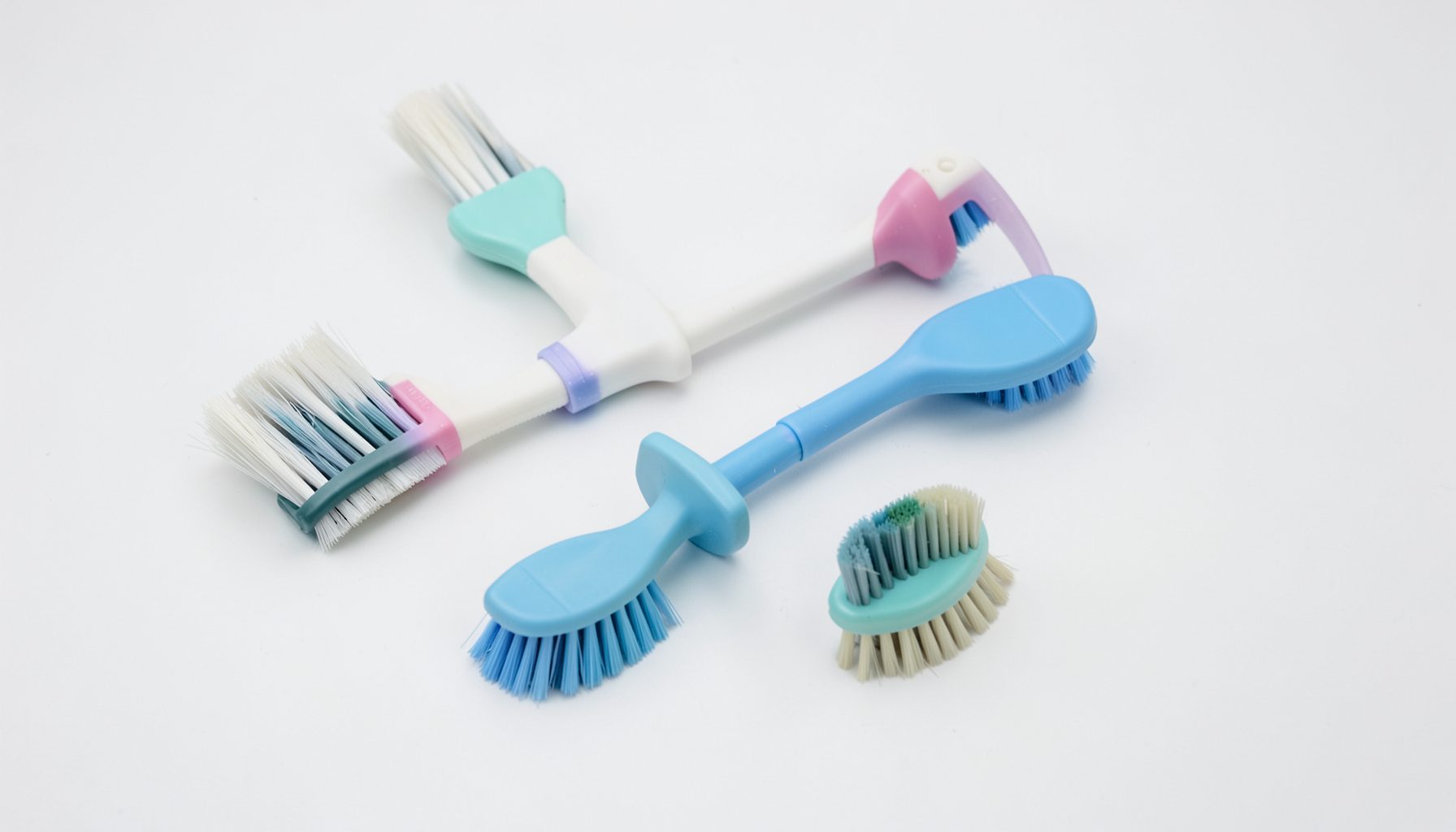
Switch nostrils and repeat. After use, rinse the bottle and let it air dry. Use ResQRinse Premium Cleaning Brushes for thorough cleaning.
How to Rinse Your Nose When You Have a Nosebleed History
Nasal irrigation can loosen mucus, wash away allergens, and moisturize dry nasal passages. However, people who frequently experience epistaxis, or nosebleeds, should use a more cautious routine than someone with no bleeding history. Water pressure, dry tissues, incorrect positioning, and poor device hygiene can all make rinsing uncomfortable or irritating.
A past nosebleed does not automatically mean you must avoid saline rinses. The safest approach is to wait until active bleeding has stopped, use an isotonic saline solution, and keep the flow gentle. If nosebleeds are frequent, heavy, or connected with surgery, medication, or a diagnosed nasal condition, speak with a healthcare professional before starting.
Why A Bleeding History Calls For Extra Care
The inside of the nose contains many small blood vessels close to the surface. Dry air, allergies, nose picking, forceful blowing, infections, and repeated irritation can make these vessels easier to disturb. A rinse may help hydrate the lining, but an overly forceful stream can aggravate sensitive tissue.
Avoid nasal irrigation during an active nosebleed. Instead, sit upright, lean slightly forward, and pinch the soft part of the nose continuously for about 10 to 15 minutes. Do not tilt your head backward, since blood can run into the throat. Seek urgent medical attention if bleeding is severe, follows an injury, causes dizziness, or does not stop with appropriate first aid.
People who take blood thinners, have a clotting disorder, or have recently had nasal surgery or cautery should receive individualized guidance. A clinician may recommend a particular saline strength, frequency, or waiting period before resuming nasal rinsing.
Prepare The Solution And Device Safely
Use distilled, sterile, or previously boiled and cooled water for a nasal rinse. Ordinary tap water can contain microorganisms that are generally safe to swallow but unsafe to introduce into the nasal passages. Follow the product directions carefully and use a commercially prepared saline packet rather than improvising with an inaccurate amount of salt.
Saline packets should stay dry and sealed until use. For practical storage guidance, see these tips for storing saline packets, especially if you keep them in a bathroom where heat and humidity can affect packaging.
Wash your hands before preparing the rinse. Inspect the bottle, cap, nasal tip, or Nasal Lock component for damage or residue. After use, rinse the device with safe water, wash it according to the manufacturer’s instructions, and allow every part to air-dry completely. A cleaning brush can help reach narrow areas, but it should also be cleaned and dried regularly.
Use A Gentle, Controlled Technique
Begin when your nose feels relatively calm, rather than immediately after blowing your nose or recovering from a bleed. Lean over a sink and keep your mouth open so you can breathe comfortably. Turn your head slightly to the side without tipping it far backward. This position allows the solution to travel through the nasal passage and drain from the opposite side or mouth.
Place the nasal tip securely but gently at the nostril. With a squeeze bottle, apply light, steady pressure instead of compressing it forcefully. A comfortable nasal irrigation system should allow you to control the flow. Nasal Lock technology, when used as directed, can help create a more stable seal and reduce messy leakage, but it does not mean the bottle should be squeezed hard.
Stop if you feel sharp pain, significant pressure in the ears, burning that does not quickly settle, or fresh blood in the solution. Let the remaining fluid drain naturally, then dab the nostrils with a soft tissue. Avoid vigorous nose blowing for several minutes. If your nose feels dry afterward, ask a healthcare professional whether a saline mist or another moisturizing product is appropriate.
Match The Rinse To Your Symptoms
A once-daily rinse may be sufficient for seasonal allergies or occasional congestion, while some people use irrigation more often during a cold. Frequency should be based on comfort and product directions. Repeated rinsing when the nose feels irritated or dry can worsen symptoms rather than provide additional relief.
Isotonic saline is usually the most comfortable starting point because its salt concentration is close to that of body fluids. Hypertonic saline may reduce swelling for some people, but it can sting or feel drying. If a specific saline strength causes burning or recurrent irritation, discontinue it and seek advice before switching.
The following comparison can help you think through common options, though personal medical advice should come from a qualified professional:
| Situation | Safer approach | What to avoid |
|---|---|---|
| History of occasional nosebleeds | Use gentle isotonic saline when there is no active bleeding | Forceful squeezing or daily rinsing through irritation |
| Recent nosebleed | Wait until bleeding has fully stopped and tissues feel settled | Rinsing immediately after bleeding |
| Frequent or unexplained bleeding | Ask a clinician about diagnosis, timing, and solution strength | Self-treating persistent bleeding with irrigation alone |
| Seasonal allergies | Rinse after exposure or according to product directions | Using unclean water or sharing a device |
| Child with congestion | Use a child-appropriate system with adult supervision and medical guidance | Forcing the rinse when the child resists |
| Recent nasal procedure | Follow the surgeon’s specific instructions | Assuming a standard home routine is safe |
Know When To Pause And Seek Care
A small pink tinge after irritation may be less concerning than ongoing bright-red bleeding, but any repeated blood during rinsing deserves attention. Pause nasal irrigation if bleeding returns, crusting increases, or the nasal lining becomes persistently sore. A healthcare professional can check for dryness, infection, structural problems, medication effects, or other causes.
Contact a clinician promptly for frequent nosebleeds, bleeding from both nostrils without an obvious trigger, easy bruising, or symptoms of anemia such as unusual fatigue and lightheadedness. Emergency care may be needed for heavy bleeding, trouble breathing, faintness, vomiting blood, or bleeding that continues after sustained pressure.
Nasal rinsing can support comfort during colds and congestion, but it is not a treatment for every cause of nasal symptoms. Evidence-informed hygiene and congestion guidance, including discussion of how rinsing may relate to cold duration, is available in this resource on nasal rinsing and colds.
Build A Safer Rinse Routine
Small adjustments can make nasal irrigation more comfortable for sensitive nasal passages:
- Wait until active bleeding has completely stopped before rinsing.
- Use sterile, distilled, or boiled-and-cooled water with the correct saline packet.
- Choose gentle pressure and stop immediately if pain, ear pressure, or fresh bleeding occurs.
- Clean, rinse, and air-dry the bottle and nasal tip after every use.
- Ask a healthcare professional about irrigation if nosebleeds are frequent, severe, medication-related, or connected with surgery.
A consistent routine should leave the nose feeling cleaner and more comfortable, not raw or pressured. Keep the device and saline supplies in a clean, dry place, replace components as directed, and avoid sharing the system with other household members.
When you are ready to add nasal irrigation to your congestion or allergy routine, choose a properly sized ResQRinse system, follow its instructions, and begin with a gentle rinse only when your nose is clear of active bleeding. If symptoms or bleeding continue, stop using the device and arrange professional medical advice.