ResQRinse is the nasal irrigation squeeze bottle that eliminates head-tilting and awkward neck positions. Using proprietary Nasal Lock™ technology, it delivers a comfortable, gag-free sinus cleanse — no more saline dripping down your throat.

Relief From Fall Sneezes
Now sold on Walmart.com. Free shipping on orders $30+. Try ResQRinse today with your everyday purchases.
Shop at WalmartWhy ResQRinse?
Nasal rinsing helps relieve congestion from colds, allergies, sinusitis, hay fever, and environmental pollutants. ResQRinse makes it comfortable enough to become a daily habit.
Nasal Lock™ Technology
Isolates sinuses from the throat using natural choanal occlusion — like inflating a balloon — so saline stays where it belongs.
Learn more →
Drug-Free Relief
Uses premixed saline packets with distilled water. No medications, no preservatives — just a natural cleanse for your nasal passages.
How to rinse →
For Kids Too
ResQRinse for Kids features a comfort nasal tip right-sized for smaller nostril openings, making rinsing gentle and easy for children.
Shop kids' version →
Breath-Controlled Flow
You control the saline flow with your own breath pressure — high volume, low pressure irrigation that's comfortable and effective.
Watch how-to videos →
Better Compliance
Designed to overcome the gagging and discomfort that cause people to abandon traditional neti pots and nasal rinse systems.
Our story →
Complete Kits Available
From the basic ResQRinse Nasal Rinse System ($19.99) to 90-day complete kits, saline packets, cleaning brushes, and Sinoptim Nasal Mist.
Browse all products →Get Started with ResQRinse
Ready to experience a better nasal rinse? Fill out the form below and we'll help you find the right product — or follow the simple steps to begin rinsing today.
Request More Information
How to Use ResQRinse
Fill the Bottle
Fill the ResQRinse squeeze bottle with distilled or previously boiled water and add one premixed saline packet.
Position the Tip
Place the comfort tip gently against one nostril. No head-tilting or awkward neck angles needed.
Squeeze & Breathe
Squeeze the bottle gently while breathing through your mouth. Nasal Lock™ keeps saline in your nasal passages and out of your throat.
Repeat & Clean
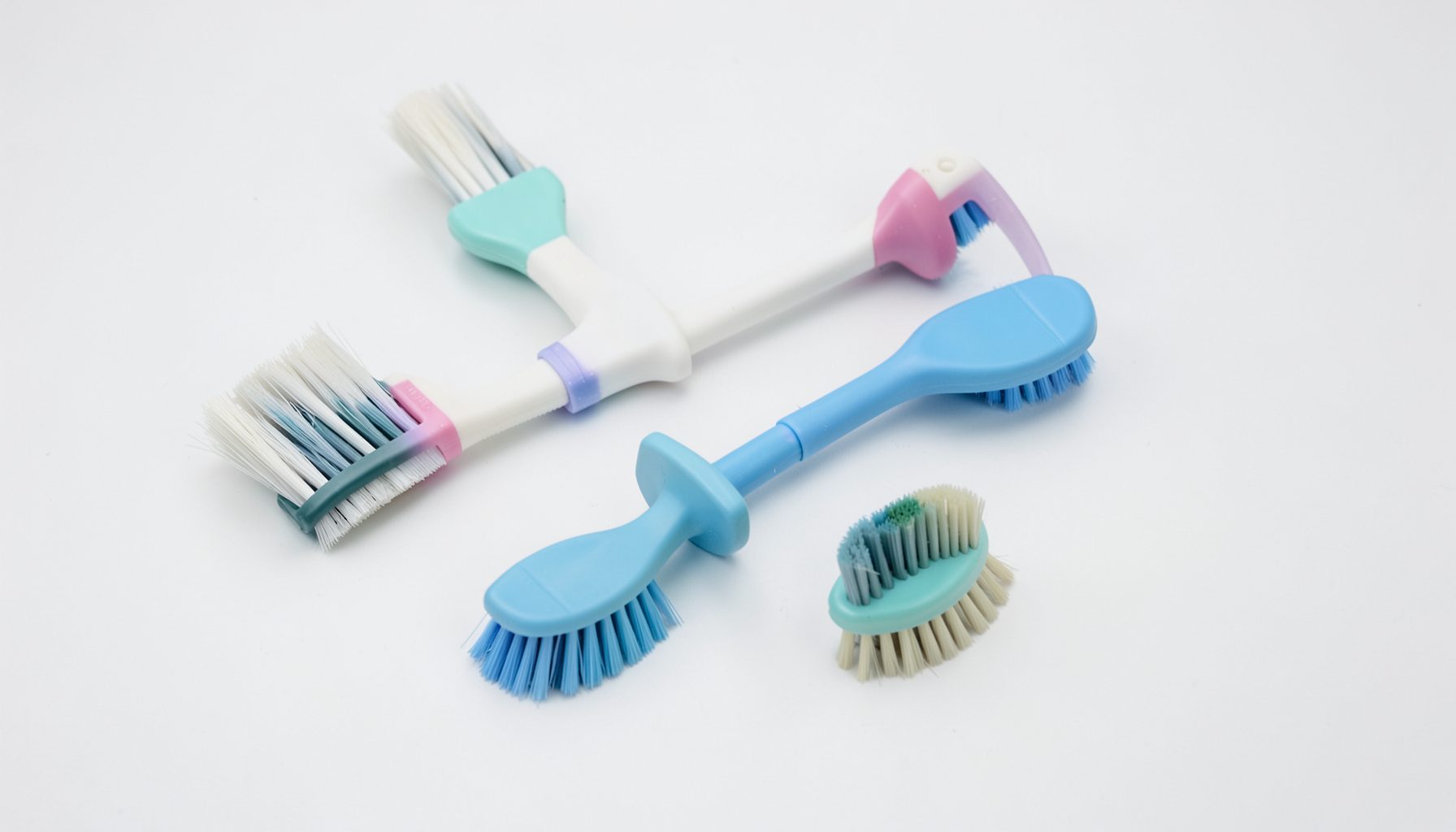
Switch nostrils and repeat. After use, rinse the bottle and let it air dry. Use ResQRinse Premium Cleaning Brushes for thorough cleaning.
Nasal Irrigation for People Living in Dry, High-Altitude Climates
Living in Australia's drier pockets often means coping with cracked lips, gritty eyes and a nose that feels permanently parched. From the red dust of Alice Springs to the alpine air of Thredbo, the combination of low humidity and thinner atmosphere can leave nasal passages inflamed, crusty and prone to bleeding. Add in the country's notorious dust storms, bushfire smoke and the spring pollen wave that sweeps across inland NSW, and it's no wonder so many Australians reach for tissues from sunup to sundown.
Nasal irrigation, sometimes called nasal rinsing or sinus washing, has long been used in yoga and Ayurvedic traditions to clear the airways. Modern squeeze-bottle systems like ResQRinse make the practice simple enough to weave into a daily routine, and the science supporting saline rinses for relief from congestion, allergies and sinusitis keeps growing. For residents of dry, high-altitude regions, a well-timed rinse can be the difference between a comfortable day and one spent breathing through your mouth.
Why Dry, High-Altitude Air Wreaks Havoc on Your Nose
The mucosal lining inside your nose acts like a built-in humidifier, filtering particles and warming incoming air before it reaches your lungs. At elevations above 1,000 metres — think the Snowy Mountains, the Flinders Ranges or the outskirts of Broken Hill — the air holds far less moisture than it does at sea level. Even moderate-altitude spots such as Canberra, sitting around 580 metres above the ocean, often record humidity readings well below what coastal cities like Sydney or Brisbane experience.
When the air you breathe is consistently dry, your nasal mucosa loses moisture faster than it can replace it. Tiny capillaries near the surface can rupture, leaving streaks of blood on your tissue. The cilia — microscopic hair-like structures that sweep debris toward your throat — slow down or stop working. Mucus thickens, sinuses struggle to drain, and you become more vulnerable to infection. It's a slow, daily kind of damage that many inland Australians don't connect to the climate until symptoms become unbearable.
Bushfire smoke compounds the problem, depositing fine particulate matter deep into the airways. Many long-term residents of places like Tumut or Mansfield, both close to fire-prone forest, keep saline spray or a rinse bottle on hand during summer for exactly this reason.
The Aussie Inland: Where Heat, Dust and Altitude Collide
The wide brown land isn't just a Dorothea Mackellar poem — it's the everyday reality for the millions of Australians living west of the Great Dividing Range. Alice Springs sits roughly 550 metres above sea level, but its desert climate produces humidity that can drop below 20 per cent on winter mornings. Kalgoorlie, deep in the WA Goldfields, sees similar extremes, with summer heat above 40°C and dust-laden winds off the surrounding salt lakes.
Coober Pedy is a fascinating case. Most of the opal-mining town lives underground, where temperatures stay a steady 23°C year-round. Underground humidity, however, can be surprisingly low, especially in poorly ventilated dugouts. Residents who suffer from dust exposure during the day often notice their nasal symptoms flare when they head below for the evening. For those curious about how irrigation fits into a wider allergy-management plan, can nasal rinse help with mold allergy symptoms is a useful companion read.
Out in the high country, the picture shifts again. Falls Creek and Mount Hotham, the country's two highest alpine resorts, sit above 1,600 metres. Skiers and snowboarders often arrive expecting only sunburn and a chill, but find that sub-zero mountain air dries out their airways within hours of stepping off the chairlift. Hut staff and instructors have been known to keep rinse bottles in the staff room as standard practice.
How Saline Rinses Work Differently in Thin, Dry Air
A saline rinse works on a simple principle: flowing an isotonic salt solution through the nasal cavity flushes out mucus, allergens and trapped particles while rehydrating the tissue. In humid coastal environments, the benefit is largely mechanical — you're clearing debris without changing the moisture balance much. In dry, high-altitude conditions, the rehydration component becomes the headline act.
The salt concentration matters here. Isotonic solutions, matching the body's natural salt levels, are gentle enough for daily use and are recommended for most people. Hypertonic solutions, which contain more salt, draw additional fluid out of swollen tissue and can provide stronger relief during a sinusitis flare, but they may sting if your passages are already raw from dry air. Starting with isotonic and adjusting based on comfort is a sensible approach for newcomers.
Water quality is non-negotiable. Australian tap water is generally safe, but anywhere with bore water or tank water — common in rural properties around Dubbo, Longreach or the WA wheatbelt — calls for boiled, filtered or distilled water in your rinse bottle. The last thing you want alongside dry nasal tissue is a microbial contaminant taking hold in damaged mucosa.
Timing Your Rinse Around Bushfire Season and Dust Storms
Australia's bushfire season stretches from October through March in the south and can hit year-round in the north. Smoke events can blanket cities hundreds of kilometres from the actual fire front, and even a few hours of exposure leaves soot and combustion particles lodged in the nasal lining. Rinsing shortly after coming indoors from smoky conditions helps your body clear those particles before they trigger deeper inflammation.
Dust storms are a different beast, most common across inland Queensland, northern South Australia and far western NSW. They arrive with little warning and coat everything in fine red silt. Anyone caught outside during a dust event usually feels the gritty aftermath in their sinuses for days afterwards. A rinse in the evening, followed by a gentle application of nasal moisturiser, can shorten that recovery window considerably.
For those who smoke or who are regularly exposed to secondhand smoke — including communities in mining towns where indoor gatherings still happen in smoking areas — a routine rinse does double duty. Exploring how rinsing clears smoke-related irritants reveals how the practice supports the natural cleaning work of your cilia.
Building a Routine That Actually Sticks
The biggest hurdle for most Australians isn't finding the right product — it's remembering to use it. Linking a rinse to an existing habit is the easiest path to consistency. Many inland residents find that rinsing after their morning shower, when the bathroom is already steamy, becomes second nature. Others prefer an evening rinse after brushing teeth, especially if they're using a medicated nasal spray for allergy management.
ResQRinse's Nasal Lock technology addresses one of the common complaints about squeeze bottles: the awkward angle that lets water drip down your throat mid-rinse. A proper seal lets you control pressure more precisely, which is particularly useful for children and for anyone with a sensitive gag reflex. Cleaning the bottle thoroughly after each use with warm water and the dedicated brush keeps biofilm from building up, an important step that Bunnings-savvy Aussies often handle with their standard kitchen cleaning supplies.
Travellers heading from a coastal city like Perth up to a high-country getaway in the Australian Alps should ideally begin a rinse routine a couple of days before departure. Pre-emptively hydrating the nasal lining helps it cope with the sudden drop in humidity rather than playing catch-up once symptoms arrive.
Pairing Rinses With Sprays and Other Care
Many Australians with hay fever already use a corticosteroid or antihistamine nasal spray prescribed through their GP or purchased over the counter at Chemist Warehouse. Sprays work best when they can reach the deeper sinus tissue, but a thick mucus layer or dried crusts can block the spray from doing its job. Rinsing first clears the runway. There's solid reasoning behind rinsing before applying nasal spray to maximise how much medication actually lands where it's needed.
Beyond sprays, simple lifestyle additions help inland Australians breathe easier. A humidifier in the bedroom during winter can take the edge off overnight dryness, especially in homes with reverse-cycle air conditioning running constantly. Staying well hydrated thins mucus naturally. Wearing a buff or scarf across the nose during cold mornings at Thredbo or Mount Buller warms incoming air before it hits the mucosa.
If symptoms persist despite a consistent rinse routine, a chat with a GP is worthwhile. Ongoing crusting, repeated nosebleeds or one-sided blockage can signal issues that need a closer look, particularly in older homes where dust mite or mould loads may be high.
Practical Tips for Inland and High-Country Residents
- Start with an isotonic saline solution if you're new to rinsing; switch to hypertonic only when sinuses feel congested.
- Always use freshly boiled, filtered or distilled water if your home relies on tank or bore water, common across rural Queensland and the WA wheatbelt.
- Rinse after returning from outdoor work in dusty conditions — farming, mining, four-wheel driving on dirt tracks — to prevent debris settling overnight.
- Schedule a rinse within an hour of bushfire smoke exposure or a dust storm, then again at bedtime.
- Replace your saline packets and rinse bottle every three to six months to keep things hygienic, particularly in shared households.
Whether you're stationed in Kalgoorlie, settled in Alice Springs, or simply chasing the snow at Perisher, your nose is doing more work than you probably realise. A small daily habit with a squeeze bottle can keep the airways calm, the sinuses draining and the spring pollen season from dictating your plans. Pop a ResQRinse kit in the online cart at Walmart or Amazon, and your future self — the one breathing easy at 1,700 metres — will thank you for it.