ResQRinse is the nasal irrigation squeeze bottle that eliminates head-tilting and awkward neck positions. Using proprietary Nasal Lock™ technology, it delivers a comfortable, gag-free sinus cleanse — no more saline dripping down your throat.

Relief From Fall Sneezes
Now sold on Walmart.com. Free shipping on orders $30+. Try ResQRinse today with your everyday purchases.
Shop at WalmartWhy ResQRinse?
Nasal rinsing helps relieve congestion from colds, allergies, sinusitis, hay fever, and environmental pollutants. ResQRinse makes it comfortable enough to become a daily habit.
Nasal Lock™ Technology
Isolates sinuses from the throat using natural choanal occlusion — like inflating a balloon — so saline stays where it belongs.
Learn more →
Drug-Free Relief
Uses premixed saline packets with distilled water. No medications, no preservatives — just a natural cleanse for your nasal passages.
How to rinse →
For Kids Too
ResQRinse for Kids features a comfort nasal tip right-sized for smaller nostril openings, making rinsing gentle and easy for children.
Shop kids' version →
Breath-Controlled Flow
You control the saline flow with your own breath pressure — high volume, low pressure irrigation that's comfortable and effective.
Watch how-to videos →
Better Compliance
Designed to overcome the gagging and discomfort that cause people to abandon traditional neti pots and nasal rinse systems.
Our story →
Complete Kits Available
From the basic ResQRinse Nasal Rinse System ($19.99) to 90-day complete kits, saline packets, cleaning brushes, and Sinoptim Nasal Mist.
Browse all products →Get Started with ResQRinse
Ready to experience a better nasal rinse? Fill out the form below and we'll help you find the right product — or follow the simple steps to begin rinsing today.
Request More Information
How to Use ResQRinse
Fill the Bottle
Fill the ResQRinse squeeze bottle with distilled or previously boiled water and add one premixed saline packet.
Position the Tip
Place the comfort tip gently against one nostril. No head-tilting or awkward neck angles needed.
Squeeze & Breathe
Squeeze the bottle gently while breathing through your mouth. Nasal Lock™ keeps saline in your nasal passages and out of your throat.
Repeat & Clean
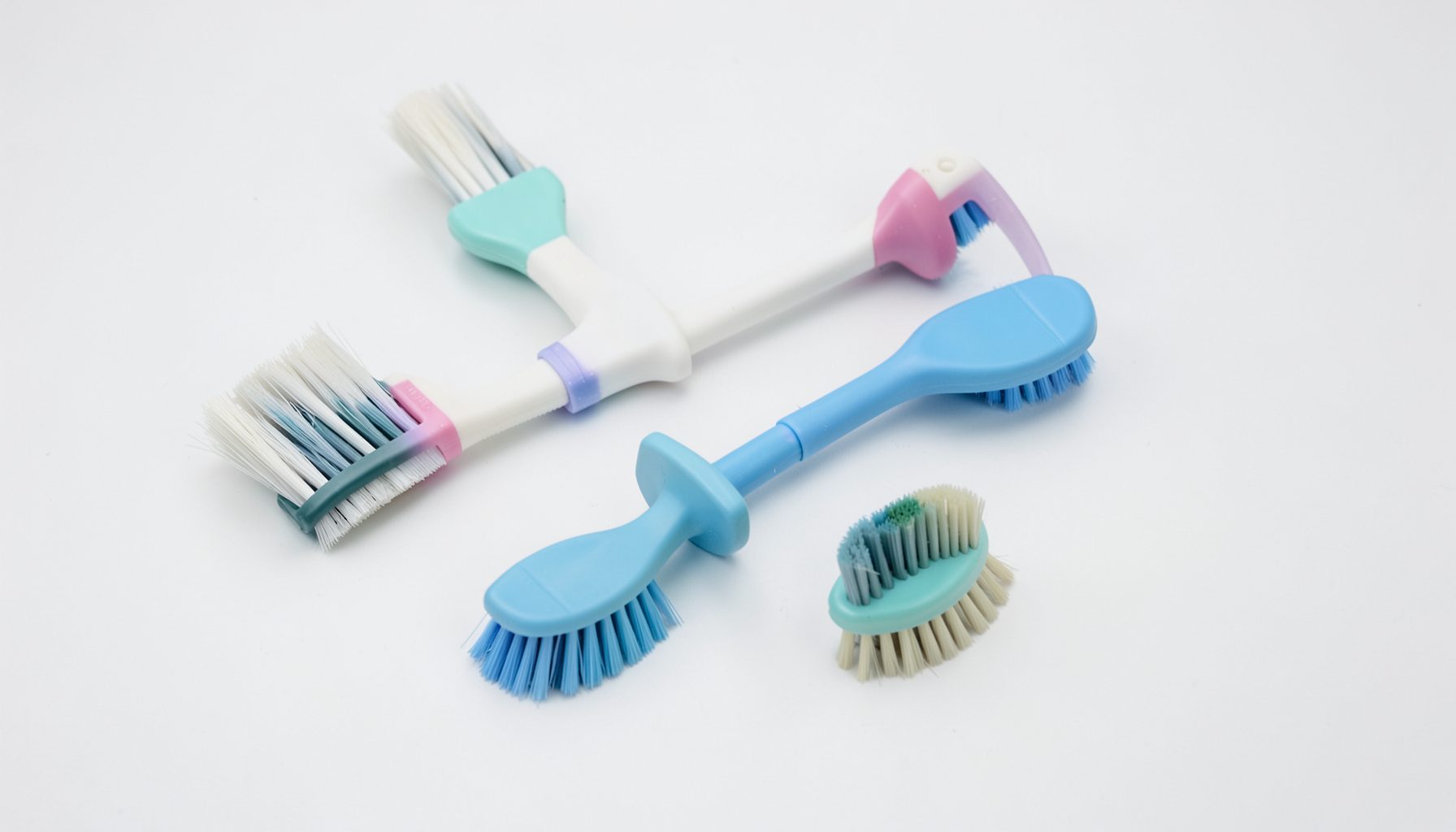
Switch nostrils and repeat. After use, rinse the bottle and let it air dry. Use ResQRinse Premium Cleaning Brushes for thorough cleaning.
Can nasal irrigation ease mold allergy symptoms?
Mold allergy symptoms can make ordinary days feel persistently uncomfortable. Exposure to mold spores may trigger sneezing, a blocked or runny nose, postnasal drip, facial pressure, and itching in the nose or throat. Symptoms may become more noticeable in damp rooms, basements, bathrooms, or buildings with water damage.
A saline nasal rinse can help wash allergens and thick mucus away from the nasal passages. It does not remove mold from a home or cure an allergy, but it may provide temporary relief by reducing the amount of irritating material left inside the nose.
The quality of the rinse, the water used, and the technique all matter. A comfortable squeeze-bottle system can make nasal irrigation easier to perform consistently, especially when congestion makes breathing through the nose difficult.
How mold triggers nasal symptoms
Mold reproduces by releasing microscopic spores into the air. When a person with mold sensitivity inhales these particles, the immune system may treat them as a threat. This can cause inflammation in the lining of the nasal passages, along with the release of chemicals that produce allergy symptoms.
The result may be seasonal or ongoing allergic rhinitis. Common signs include repeated sneezing, watery nasal discharge, nasal congestion, an itchy nose, and drainage down the throat. Some people also experience sinus pressure, headaches related to congestion, coughing, or reduced ability to smell.
A rinse works locally inside the nose, where many mold spores and airborne particles become trapped in mucus. It cannot prevent the immune response throughout the body, but clearing the nasal passages may reduce contact with irritants and help mucus move out more effectively.
What saline irrigation can remove
Nasal irrigation uses a saline solution to flush the inside of the nasal passages. The fluid can loosen thick mucus, rinse away pollen and mold spores, and remove dust or other particles that may worsen nasal irritation. It may also moisturize tissue that feels dry or raw after repeated nose blowing.
For mold-related congestion, this cleansing action can be especially useful after spending time in a damp or musty environment. Rinsing after exposure may help clear particles before they remain in contact with the nasal lining for an extended period. Many people use irrigation once daily during allergy flare-ups, while others prefer it after exposure or before bed.
Saline rinses are generally supportive care rather than a replacement for allergy treatment. If symptoms are frequent, a healthcare professional may recommend an antihistamine, a steroid nasal spray, or allergy evaluation. Rinsing before using a prescribed nasal spray may also help clear mucus, although medication instructions should always take priority.
Who may benefit and when
Adults with nasal congestion, postnasal drip, or irritation linked to indoor mold may find regular saline irrigation helpful. It can also support comfort when several triggers are present, such as dust mites, pollen, smoke, or household particles. The benefit is usually greatest when the rinse is used consistently and paired with reducing exposure.
People who are pregnant often want non-drug options for nasal symptoms. Saline irrigation may be a useful comfort measure during pregnancy when performed safely; guidance on nasal rinsing in pregnancy can help explain practical considerations. Anyone with a complicated medical history should discuss persistent symptoms with a healthcare professional.
Children require extra care. A child should use a nasal rinse only when able to cooperate with the process and under appropriate adult supervision. A child-sized system, gentle pressure, and clear instructions can make the experience less intimidating.
Choosing a comfortable rinse system
The container affects how easy it is to deliver saline through the nose. Traditional neti pots rely on gravity and require the user to lean and position the head carefully. Squeeze bottles offer more control over flow and may be easier for people who prefer a quicker, more directed rinse.
ResQRinse systems use Nasal Lock technology to help create a comfortable seal around the nostril during use. A well-designed seal can reduce leakage and help direct saline through the nasal passages rather than over the face. The pressure should remain gentle; forcing fluid can increase discomfort.
| Feature | Squeeze-bottle rinse | Neti pot | Nasal mist |
|---|---|---|---|
| Main purpose | Flushes mucus and airborne particles | Flushes the nasal passages | Adds light moisture |
| Flow control | User-controlled gentle pressure | Gravity-controlled | Limited volume |
| Helpful for heavy congestion | Often more suitable | May require careful positioning | Usually less effective |
| Portability | Easy to pack in a kit | Less convenient for travel | Very convenient |
| Cleaning needs | Bottle and parts need regular cleaning | Pot needs regular cleaning | Depends on the product |
A complete kit may include saline packets, a cleaning brush, and a bottle designed for repeated use. Premeasured packets can simplify preparation and help maintain an appropriate salt concentration, which is important because water that is too salty or too weak may sting.
Use nasal irrigation safely
Only use distilled, sterile, or previously boiled and cooled water for nasal irrigation. Tap water can contain organisms that are safe to drink but should not enter the nasal passages. Follow the product directions for mixing the saline packet, and prepare a fresh solution when recommended.
Water temperature also affects comfort. Water that is too cold may feel startling, while very hot water can injure sensitive tissue. This guide explains how to adjust water temperature so the rinse feels comfortably warm without becoming unsafe.
Wash your hands before preparing the solution. After use, empty the bottle, rinse its components as directed, and allow them to air-dry completely. Use the included cleaning brush when appropriate, and replace the system according to the manufacturer’s care instructions. Sharing a nasal rinse device can spread germs, so each person should have a separate system.
During a rinse, lean forward over a sink and breathe through the mouth. Keep the pressure slow and comfortable. A small amount of fluid may drain from the other nostril or into the mouth, which is normal. Stop if there is sharp pain, significant ear pressure, nosebleeding, or worsening symptoms.
Recognize the limits of a rinse
Nasal irrigation cannot make an indoor mold problem safe. If there is visible mold, a persistent musty odor, water damage, or ongoing moisture, the source needs to be addressed through proper cleaning, repair, ventilation, or professional remediation. People with asthma or significant respiratory sensitivity may need additional protection while mold is being removed.
A rinse also cannot confirm whether symptoms are caused by mold. Similar complaints may result from viral infections, bacterial sinusitis, nonallergic rhinitis, dust mites, or structural problems inside the nose. Symptoms that last for weeks, repeatedly return, or interfere with sleep deserve medical evaluation.
Seek prompt care for difficulty breathing, wheezing, swelling, severe facial pain, high fever, vision changes, or symptoms that rapidly worsen. Frequent nosebleeds, severe ear discomfort, or an inability to tolerate irrigation are also reasons to pause and speak with a healthcare professional.
Build a practical allergy-care routine
Saline irrigation is most useful as one part of a broader approach to reducing exposure and managing inflammation. A simple routine can help maintain comfort without turning each allergy flare-up into a complicated process.
- Rinse after likely mold exposure, such as cleaning a damp area, when the product directions support that frequency.
- Keep indoor humidity controlled and repair leaks or water damage promptly.
- Use a clean, separate rinse device and only safe water for every preparation.
- Combine irrigation with clinician-recommended allergy medication when symptoms persist.
- Track where and when symptoms occur to help identify mold or other environmental triggers.
Consistency matters more than using strong pressure or excessive amounts of saline. A gentle rinse that becomes part of a daily or exposure-based routine is generally more useful than an uncomfortable method that is quickly abandoned.
If mold exposure is affecting your breathing, sleep, or daily activities, arrange professional advice while working on the indoor environment. For convenient nasal cleansing at home or on the go, explore ResQRinse squeeze-bottle systems, saline packets, children’s options, cleaning brushes, complete kits, and nasal mist products available through Walmart and Amazon.