ResQRinse is the nasal irrigation squeeze bottle that eliminates head-tilting and awkward neck positions. Using proprietary Nasal Lock™ technology, it delivers a comfortable, gag-free sinus cleanse — no more saline dripping down your throat.

Relief From Fall Sneezes
Now sold on Walmart.com. Free shipping on orders $30+. Try ResQRinse today with your everyday purchases.
Shop at WalmartWhy ResQRinse?
Nasal rinsing helps relieve congestion from colds, allergies, sinusitis, hay fever, and environmental pollutants. ResQRinse makes it comfortable enough to become a daily habit.
Nasal Lock™ Technology
Isolates sinuses from the throat using natural choanal occlusion — like inflating a balloon — so saline stays where it belongs.
Learn more →
Drug-Free Relief
Uses premixed saline packets with distilled water. No medications, no preservatives — just a natural cleanse for your nasal passages.
How to rinse →
For Kids Too
ResQRinse for Kids features a comfort nasal tip right-sized for smaller nostril openings, making rinsing gentle and easy for children.
Shop kids' version →
Breath-Controlled Flow
You control the saline flow with your own breath pressure — high volume, low pressure irrigation that's comfortable and effective.
Watch how-to videos →
Better Compliance
Designed to overcome the gagging and discomfort that cause people to abandon traditional neti pots and nasal rinse systems.
Our story →
Complete Kits Available
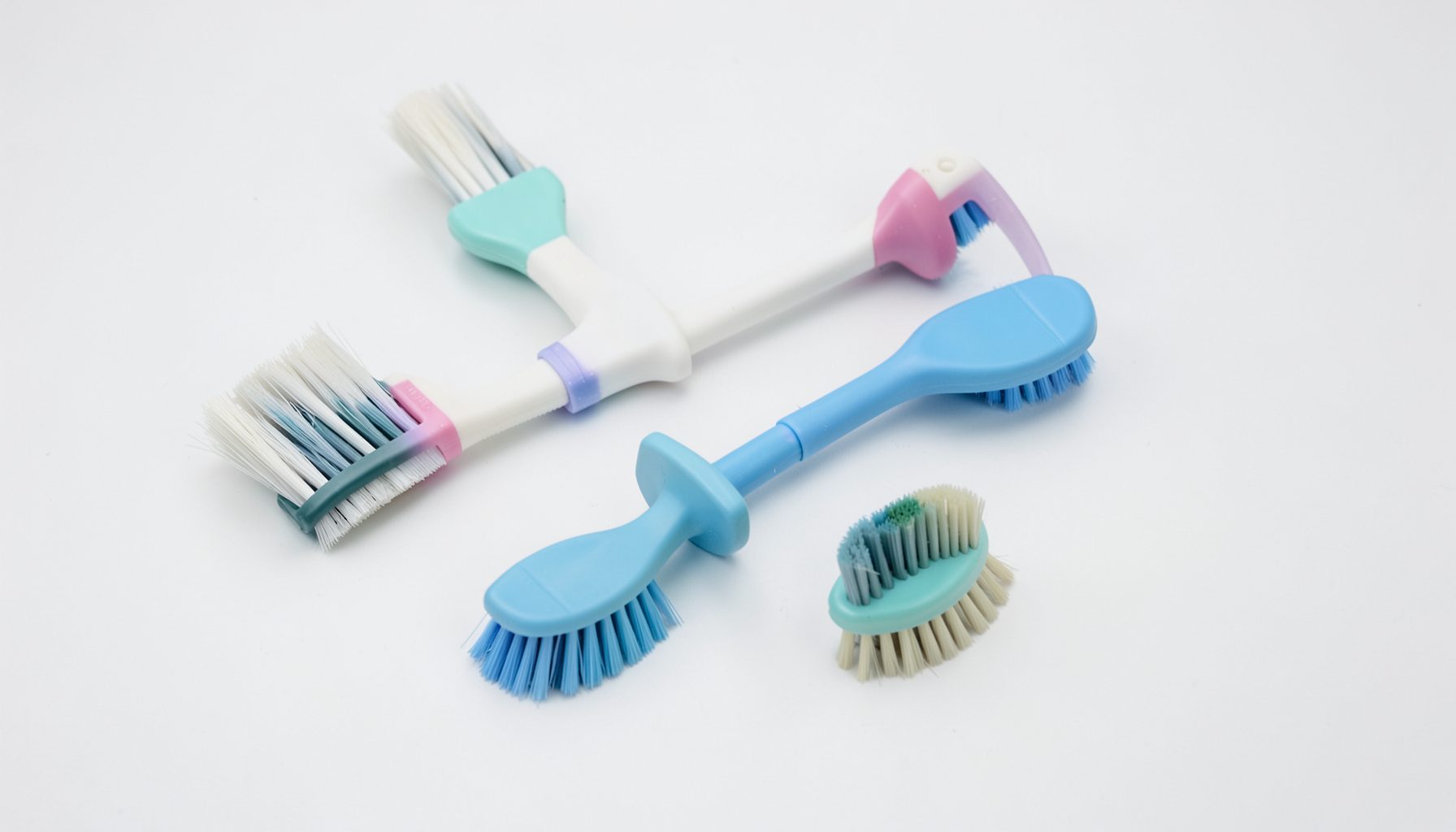
From the basic ResQRinse Nasal Rinse System ($19.99) to 90-day complete kits, saline packets, cleaning brushes, and Sinoptim Nasal Mist.
Browse all products →Get Started with ResQRinse
Ready to experience a better nasal rinse? Fill out the form below and we'll help you find the right product — or follow the simple steps to begin rinsing today.
Request More Information
How to Use ResQRinse
Fill the Bottle
Fill the ResQRinse squeeze bottle with distilled or previously boiled water and add one premixed saline packet.
Position the Tip
Place the comfort tip gently against one nostril. No head-tilting or awkward neck angles needed.
Squeeze & Breathe
Squeeze the bottle gently while breathing through your mouth. Nasal Lock™ keeps saline in your nasal passages and out of your throat.
Repeat & Clean
Switch nostrils and repeat. After use, rinse the bottle and let it air dry. Use ResQRinse Premium Cleaning Brushes for thorough cleaning.
Nasal Rinse for Smokers: Clearing Irritants
Smoke can leave the nose feeling dry, swollen, and congested. Tobacco smoke contains fine particles and chemical irritants that may settle on the nasal lining, while heat and repeated exposure can interfere with the nose’s natural moisture and mucus-clearing process. People exposed to secondhand smoke may notice similar symptoms, even if they do not smoke themselves.
A saline nasal rinse can help wash away mucus, dust, and some surface irritants from the nasal passages. It may be useful after exposure to smoke, during seasonal allergies, or when morning congestion makes breathing through the nose uncomfortable. Rinsing supports symptom relief, but it does not reverse the deeper effects of smoking or replace medical care.
Safe technique matters. The water, saline concentration, device, and cleaning routine all affect comfort and hygiene. A squeeze-bottle system can provide controlled flow, while features such as ResQRinse Nasal Lock technology are designed to help create a more comfortable seal during use.
How Smoke Affects The Nasal Passages
Smoke exposure can irritate the delicate tissue inside the nose. The body may respond by producing extra mucus and increasing blood flow to the nasal lining, which can cause stuffiness, drainage, sneezing, or a burning sensation. Frequent exposure may make these symptoms feel persistent rather than occasional.
Cigarette smoke can also dry the nasal passages, particularly in heated indoor environments. When mucus becomes thick or sticky, the nose may have more difficulty moving particles toward the throat for normal clearance. This can contribute to a cycle of congestion, repeated nose blowing, and further irritation.
A rinse gently flushes the nasal passages with saline solution. It can loosen thick mucus and remove some particles from the surfaces that the solution reaches. The effect is local and temporary, so continued smoking or exposure can bring symptoms back. Reducing smoke exposure remains the most important long-term step for protecting respiratory health.
Why Saline Rinsing May Help
Saline is formulated to be more comfortable than plain water and can help moisturize irritated nasal tissue. A properly mixed rinse may thin mucus, reduce the feeling of blockage, and clear allergens or airborne debris. Many people prefer using a rinse after waking, before bed, or after spending time in a smoky environment.
For those who experience congestion first thing in the morning, a morning rinse routine can offer a practical way to clear accumulated mucus before starting the day. The rinse should feel gentle rather than forceful. Pressure that causes pain, ear fullness, or sharp discomfort is a reason to stop and reassess the technique.
Nasal irrigation is different from a medicated decongestant spray. It does not work by shrinking blood vessels, and it is generally intended to physically cleanse and hydrate the nasal passages. This makes it useful as part of a broader comfort routine, although persistent symptoms may need evaluation by a healthcare professional.
Choosing A Comfortable Rinse System
A squeeze bottle gives the user control over the pace and pressure of the saline flow. This can be helpful for beginners who want to start slowly and adjust the amount of pressure according to their comfort. A bottle should be easy to hold, simple to fill, and straightforward to clean after each use.
Some people use traditional neti pots, which rely more on gravity and head positioning. A squeeze-bottle system may feel more intuitive for users who want a guided stream. ResQRinse kits are available in several formats, including complete systems, saline packets, cleaning brushes, children’s versions, and nasal mist for lighter moisture support.
The right option depends on the user’s symptoms and routine. Someone with thick mucus may prefer a full rinse, while a person dealing mainly with dryness may choose a mist. Anyone introducing a rinse to a child in a smoke-exposed household should use age-appropriate equipment and review practical guidance such as children’s nasal rinse guidance.
| Option | Best suited for | Main benefit | Important consideration |
|---|---|---|---|
| Squeeze-bottle rinse | Congestion and thick mucus | Controlled saline flow | Use gentle pressure |
| Neti pot | Gravity-based rinsing | Simple, low-pressure delivery | Requires comfortable positioning |
| Saline mist | Dryness and light irritation | Quick moisture support | Does not flush as thoroughly |
| Saline packets | Regular rinse preparation | Consistent salt balance | Mix with safe water |
| Cleaning brush | Device maintenance | Helps clean narrow areas | Follow the product’s cleaning instructions |
How To Rinse Safely
Always use distilled or sterile water, or tap water that has been boiled and cooled according to public health guidance. Do not use untreated tap water in a nasal irrigation device. Water safety is essential because the nasal passages provide a direct route into the upper respiratory system.
Prepare the saline solution according to the packet or product instructions. Too little salt can sting, while too much may feel harsh and dry. Lean over a sink, keep the mouth open, and allow the solution to flow through without forcing it. A small amount may drain into the mouth or throat; spit it out rather than swallowing large amounts.
After use, empty the bottle, rinse it as directed, and allow every part to air-dry completely. A cleaning brush can help reach interior surfaces, but it should also be kept clean and dry. Product-specific advice about water, preparation, storage, and cleaning is available in the ResQRinse FAQs.
When To Avoid Rinsing Or Seek Care
Do not rinse when the nasal passages are completely blocked and fluid cannot pass comfortably. Stop if the process causes significant ear pressure, worsening pain, nosebleeds, dizziness, or breathing difficulty. A mild unfamiliar sensation can occur when learning, but persistent discomfort should not be ignored.
People with recent nasal surgery, structural nasal problems, frequent severe nosebleeds, or immune system conditions should ask a clinician whether irrigation is appropriate. Children may need adult supervision and a device designed for their age. Never share a nasal rinse bottle, even within the same household.
Smoke-related congestion may be caused by irritation, allergies, infection, chronic sinus inflammation, or several factors at once. Seek medical advice for symptoms that last more than several weeks, repeatedly return, or interfere with sleep and normal activities. Prompt evaluation is important for facial swelling, high fever, severe headache, vision changes, or bloody discharge that does not resolve.
Build A Safer Rinsing Routine
A rinse works best when it fits into a consistent, sensible approach to smoke exposure. Use it for cleansing and comfort rather than as permission to remain in smoky environments. Keep the device in a clean location and prepare only the amount of saline needed for immediate use.
Useful habits include:
- Rinse after exposure when the nasal passages feel coated, dry, or congested.
- Use distilled, sterile, or properly boiled and cooled water every time.
- Follow the saline packet’s mixing instructions instead of estimating salt.
- Clean, dry, and store the device as directed after each use.
- Reduce indoor smoke exposure and seek support for quitting tobacco.
Avoid rinsing repeatedly throughout the day simply because congestion returns. Frequent exposure may require a broader plan involving smoke cessation, allergy management, ventilation, or clinical assessment. A saline rinse can be one helpful part of that plan, not its entire solution.
For smokers, the most meaningful respiratory benefit comes from stopping tobacco use. Even reducing exposure can help, and healthcare professionals, quitlines, and cessation treatments can provide practical support. A comfortable rinse may make irritated nasal symptoms easier to manage while those longer-term changes take place.
Choose a saline system that matches your symptoms, prepare it with safe water, and use gentle pressure. ResQRinse rinse kits, saline packets, cleaning accessories, and nasal mist are available online through Walmart and Amazon, giving you a convenient way to support cleaner, more comfortable breathing at home.