ResQRinse is the nasal irrigation squeeze bottle that eliminates head-tilting and awkward neck positions. Using proprietary Nasal Lock™ technology, it delivers a comfortable, gag-free sinus cleanse — no more saline dripping down your throat.

Relief From Fall Sneezes
Now sold on Walmart.com. Free shipping on orders $30+. Try ResQRinse today with your everyday purchases.
Shop at WalmartWhy ResQRinse?
Nasal rinsing helps relieve congestion from colds, allergies, sinusitis, hay fever, and environmental pollutants. ResQRinse makes it comfortable enough to become a daily habit.
Nasal Lock™ Technology
Isolates sinuses from the throat using natural choanal occlusion — like inflating a balloon — so saline stays where it belongs.
Learn more →
Drug-Free Relief
Uses premixed saline packets with distilled water. No medications, no preservatives — just a natural cleanse for your nasal passages.
How to rinse →
For Kids Too
ResQRinse for Kids features a comfort nasal tip right-sized for smaller nostril openings, making rinsing gentle and easy for children.
Shop kids' version →
Breath-Controlled Flow
You control the saline flow with your own breath pressure — high volume, low pressure irrigation that's comfortable and effective.
Watch how-to videos →
Better Compliance
Designed to overcome the gagging and discomfort that cause people to abandon traditional neti pots and nasal rinse systems.
Our story →
Complete Kits Available
From the basic ResQRinse Nasal Rinse System ($19.99) to 90-day complete kits, saline packets, cleaning brushes, and Sinoptim Nasal Mist.
Browse all products →Get Started with ResQRinse
Ready to experience a better nasal rinse? Fill out the form below and we'll help you find the right product — or follow the simple steps to begin rinsing today.
Request More Information
How to Use ResQRinse
Fill the Bottle
Fill the ResQRinse squeeze bottle with distilled or previously boiled water and add one premixed saline packet.
Position the Tip
Place the comfort tip gently against one nostril. No head-tilting or awkward neck angles needed.
Squeeze & Breathe
Squeeze the bottle gently while breathing through your mouth. Nasal Lock™ keeps saline in your nasal passages and out of your throat.
Repeat & Clean
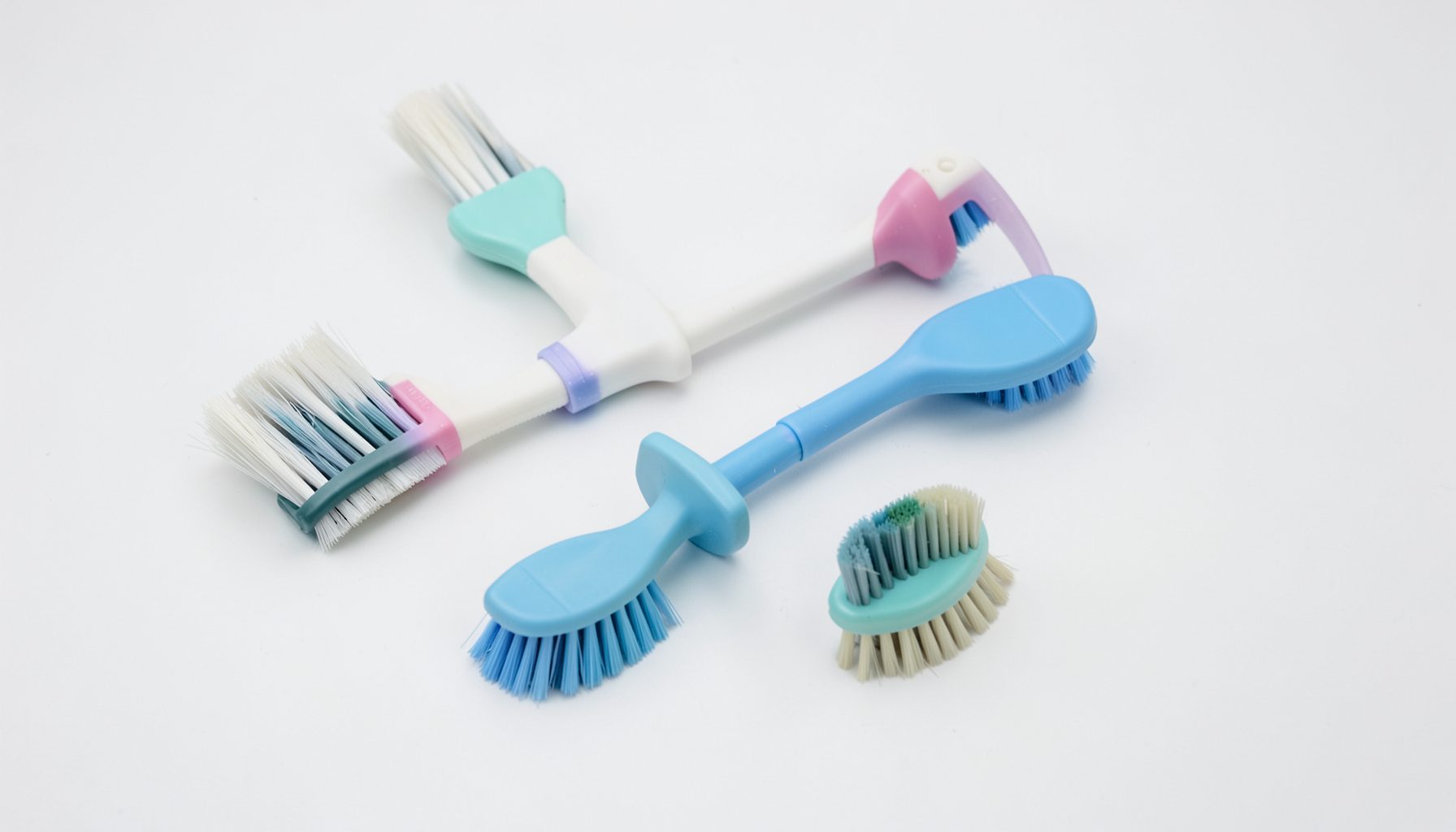
Switch nostrils and repeat. After use, rinse the bottle and let it air dry. Use ResQRinse Premium Cleaning Brushes for thorough cleaning.
How to Warm Saline Solution Safely and Quickly
A nasal rinse is most comfortable when the saline solution feels close to body temperature. Water that is too cold can trigger an unpleasant ache or make the nose feel more blocked, while water that is too hot may irritate delicate nasal tissue. A few simple steps can bring a prepared rinse to a comfortable temperature without damaging the bottle or creating a scalding hot spot.
For households in Australia, the easiest approach often involves a kettle, a clean cup and a little planning. Whether you are managing hay fever in Melbourne, dry weather in Perth or congestion during a humid Brisbane summer, warming the solution gently is safer than trying to speed things up with intense heat.
Why Temperature Matters During A Nasal Rinse
The nasal passages contain sensitive tissue and tiny blood vessels that respond quickly to temperature. Lukewarm saline tends to flow more comfortably and may reduce the shock associated with a cold rinse. A solution that feels neutral or mildly warm on the inside of your wrist is generally a better guide than a fixed temperature alone.
Very cold water is not usually dangerous, but it can cause temporary discomfort, forehead pressure or a reflexive urge to stop. Excessive heat presents a more serious risk because the inside of the nose can burn before the liquid feels dangerously hot in the bottle. The aim is gentle warmth, never heat.
Temperature also affects the user experience for children. A child may already be nervous about nasal irrigation, and an unexpectedly cold or hot rinse can make future use harder. Test the solution yourself before using a children’s nasal rinse system, and follow the age guidance and instructions supplied with the product.
Start With Suitable Water And Saline
Safe warming begins with safe water. Use sterile or distilled water, or tap water that has been boiled and allowed to cool, according to the instructions for your rinse system and current Australian health advice. Ordinary tap water is treated for drinking in most Australian urban areas, but drinking-water safety and water suitable for nasal irrigation are not exactly the same issue.
If you use a kettle, boil the required amount and leave it to cool in a clean, covered container. You do not need to keep reheating it. Once the water has cooled to lukewarm, mix in the correct saline packet. Using too little or too much salt can cause burning, stinging or an uncomfortable pulling sensation, so measure carefully rather than adjusting by eye.
Prepare only the amount you intend to use. A freshly mixed solution is easier to warm evenly and has less opportunity to become contaminated. Do not add extra salt to make a stronger rinse, and do not use homemade ingredients such as table salt containing additives unless the product instructions specifically approve them.
Quick Ways To Warm The Solution Evenly
The most reliable method is a warm-water bath. Place the closed, filled rinse bottle in a mug or bowl of warm water for a short period, then gently rotate the bottle. The surrounding water transfers heat gradually, reducing the chance of a hot spot. Check the solution every 30 seconds until it reaches a comfortable lukewarm temperature.
You can also combine cooled boiled water with a smaller amount of warmer boiled water when preparing the saline. Add the warmer portion gradually, mix the saline packet fully and test the final solution before use. This is often convenient on a busy morning, especially if you keep a clean covered container of cooled boiled water ready in the refrigerator or on the bench for a short, safe period.
A microwave may seem like the fastest option, but it is not ideal for nasal rinse solution. Microwaves can heat liquid unevenly, leaving hidden hot areas even when the bottle feels cool. If you have no alternative, never microwave a sealed rinse bottle; transfer the liquid to a microwave-safe open container, heat it briefly, stir thoroughly and test it in several places before filling the system.
Prevent Overheating And Uneven Heat
Never place a plastic squeeze bottle directly in boiling water, on a stovetop or in an electric kettle. High heat may soften, warp or damage the bottle, and a sealed container can build pressure. Nasal Lock components, caps and valves should be treated according to the manufacturer’s cleaning and care instructions rather than exposed to unnecessary heat.
Do not judge warmth by touching only the outside of the container. Shake or swirl the solution gently, allow it to stand for a moment, then place a drop on the inside of your wrist. It should feel comfortably warm or neutral, with no sharp heat. If it feels hot, add suitable cooled water or discard it and prepare a fresh batch rather than trying to rescue an overheated mixture.
Avoid repeatedly warming and cooling the same saline. Each handling step increases the opportunity for contamination, particularly if the cap, spout or measuring cup touches a bench or unwashed hands. For practical guidance on technique and hygiene, review these squeeze bottle mistakes before making the process part of your daily routine.
Build A Simple Australian Morning Routine
A predictable setup makes temperature control easier. Many Australians already use a kettle for tea or coffee, so you can boil water for the rinse at the same time, then let the measured amount cool while you get dressed. In winter, a warm-water bath may be useful in colder homes, while in summer the solution may need little warming at all.
Keep the saline packets, clean bottle and measuring instructions together, but store them away from steam and splashes. A bathroom shelf near a shower can be convenient but may expose the kit to humidity and microorganisms. This advice on the best storage spot can help you choose a cleaner, drier location.
Travellers should use the same care in hotel rooms and airport accommodation. Water quality, kettles and room-cleaning standards vary, so sterile or distilled water may be the simplest option. If you are flying from Sydney, Adelaide or another Australian city while congested, prepare a rinse before leaving rather than attempting to heat it hurriedly in a public bathroom.
Know When A Rinse Is Not Enough
A comfortably warm saline rinse can help clear mucus, allergens and irritants, but it does not diagnose or treat every cause of nasal blockage. Stop if you experience significant pain, repeated nosebleeds, ear pressure, dizziness or worsening symptoms. A mild temporary sensation is different from persistent burning or sharp discomfort.
Seek medical advice if congestion lasts longer than expected, keeps returning, is accompanied by a high fever or severe facial pain, or occurs mainly on one side. People with recent nasal surgery, a weakened immune system or complex sinus conditions should ask a GP or specialist about the safest irrigation method.
For occasional travel-related pressure, preparation can make a difference; these tips for reducing sinus pressure may be useful before a long flight. Always follow the rinse system’s directions, use the correct saline concentration and clean the equipment thoroughly after use.
Make lukewarm saline part of a calm routine: use suitable water, warm it gradually, mix accurately and test before rinsing. Explore ResQRinse squeeze-bottle systems, children’s options, saline packets and nasal mist through the brand’s online retail channels, and choose the setup that makes safe, comfortable nasal care easier to maintain.