ResQRinse is the nasal irrigation squeeze bottle that eliminates head-tilting and awkward neck positions. Using proprietary Nasal Lock™ technology, it delivers a comfortable, gag-free sinus cleanse — no more saline dripping down your throat.

Relief From Fall Sneezes
Now sold on Walmart.com. Free shipping on orders $30+. Try ResQRinse today with your everyday purchases.
Shop at WalmartWhy ResQRinse?
Nasal rinsing helps relieve congestion from colds, allergies, sinusitis, hay fever, and environmental pollutants. ResQRinse makes it comfortable enough to become a daily habit.
Nasal Lock™ Technology
Isolates sinuses from the throat using natural choanal occlusion — like inflating a balloon — so saline stays where it belongs.
Learn more →
Drug-Free Relief
Uses premixed saline packets with distilled water. No medications, no preservatives — just a natural cleanse for your nasal passages.
How to rinse →
For Kids Too
ResQRinse for Kids features a comfort nasal tip right-sized for smaller nostril openings, making rinsing gentle and easy for children.
Shop kids' version →
Breath-Controlled Flow
You control the saline flow with your own breath pressure — high volume, low pressure irrigation that's comfortable and effective.
Watch how-to videos →
Better Compliance
Designed to overcome the gagging and discomfort that cause people to abandon traditional neti pots and nasal rinse systems.
Our story →
Complete Kits Available
From the basic ResQRinse Nasal Rinse System ($19.99) to 90-day complete kits, saline packets, cleaning brushes, and Sinoptim Nasal Mist.
Browse all products →Get Started with ResQRinse
Ready to experience a better nasal rinse? Fill out the form below and we'll help you find the right product — or follow the simple steps to begin rinsing today.
Request More Information
How to Use ResQRinse
Fill the Bottle
Fill the ResQRinse squeeze bottle with distilled or previously boiled water and add one premixed saline packet.
Position the Tip
Place the comfort tip gently against one nostril. No head-tilting or awkward neck angles needed.
Squeeze & Breathe
Squeeze the bottle gently while breathing through your mouth. Nasal Lock™ keeps saline in your nasal passages and out of your throat.
Repeat & Clean
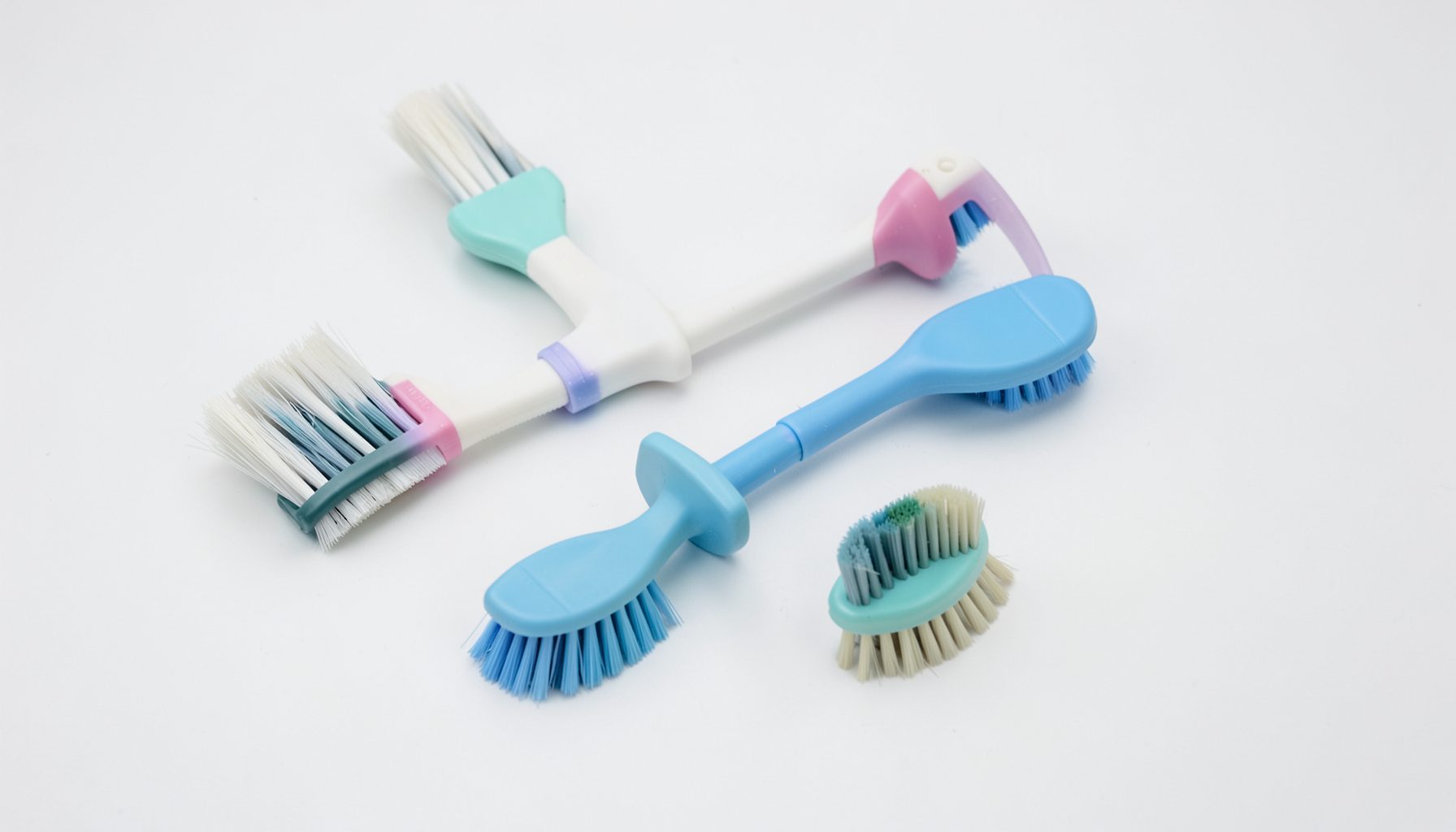
Switch nostrils and repeat. After use, rinse the bottle and let it air dry. Use ResQRinse Premium Cleaning Brushes for thorough cleaning.
Five Squeeze Bottle Rinse Mistakes To Avoid
A squeeze-bottle nasal rinse can make congestion feel easier to manage when mucus, pollen, dust, or seasonal allergies affect the nasal passages. The system delivers a saline solution through one nostril and allows it to flow out through the other, helping wash away irritants and loosen thick secretions.
The process is simple, but small errors can make a rinse uncomfortable or reduce its effectiveness. Water quality, solution strength, bottle pressure, cleaning habits, and timing all influence the experience. Using the right technique also matters for children and anyone with sensitive nasal tissue.
These five mistakes are common among first-time users and people who have relied on sinus irrigation for years. Correcting them can make nasal flushing more comfortable while supporting a cleaner, more consistent routine.
Why squeeze bottle technique matters
Some people expect a nasal rinse to work simply because liquid moves through the nose. In practice, the direction, speed, and pressure of that flow make a difference. A gentle, controlled stream can reach the nasal passages without creating unnecessary irritation, while forceful squeezing may cause discomfort or pressure around the ears.
A squeeze bottle gives users more control than a traditional neti pot because the bottle can be adjusted to match personal comfort. Features such as ResQRinse’s Nasal Lock technology are designed to help create a secure fit around the nostril, reducing leakage while supporting a steadier flow. Additional nasal rinse guidance can help users understand preparation, positioning, and general use.
The goal is not to empty the bottle as quickly as possible. A calm, repeatable technique usually works better than rushing through the process.
Using unsafe water
The most serious mistake is filling a rinse bottle with untreated tap water. Although tap water is safe to drink in many places, it may contain microorganisms that should not enter the nasal passages. The nose does not have the same protective digestive process as the stomach, so nasal irrigation requires water from a safe source.
Use distilled or sterile water, or use tap water that has been boiled and then cooled according to reliable public health guidance. Bottled drinking water is not automatically sterile, so check the label rather than assuming every sealed bottle is appropriate. A dedicated water safety guide explains why the water used for sinus rinsing deserves special attention.
Water safety applies every time, including when making a quick rinse during allergy season. Store distilled or sterile water as directed, and avoid using water that has been sitting in an open container for an extended period.
Getting saline and pressure wrong
Plain water can sting because it does not match the natural salt balance of nasal tissue. A properly mixed saline solution is generally more comfortable and can help the rinse move through the nose smoothly. Pre-measured saline packets simplify this step by providing the intended balance of salt and, in some formulas, buffering ingredients.
Adding extra salt does not make a rinse more powerful. A solution that is too concentrated may burn or dry the nasal lining, while one that is too weak can feel irritating for a different reason. Follow the packet directions and use the recommended volume of safe water rather than estimating ingredients by eye.
Pressure is equally important. Squeeze the bottle gently and steadily instead of forcing the liquid through a blocked passage. The following guide summarizes the most common setup errors and the practical adjustment for each one.
| Mistake | What can happen | Better approach |
|---|---|---|
| Using untreated tap water | Introduces avoidable waterborne risk | Choose distilled, sterile, or properly boiled and cooled water |
| Mixing saline by guesswork | Burning, stinging, or poor comfort | Use a measured saline packet and the stated water volume |
| Squeezing too forcefully | Ear pressure, discomfort, or leaking | Apply gentle, even pressure |
| Tilting the head incorrectly | Solution runs into the throat or spills | Lean forward and turn the head slightly |
| Leaving the bottle damp | Encourages residue and microbial growth | Rinse, wash, dry, and store it properly |
Skipping the fit and breathing steps
Body position affects where the solution travels. Lean over a sink, keep the mouth open, and breathe through the mouth while rinsing. Turning the head slightly to one side allows the solution to enter one nostril and exit through the other instead of immediately running toward the throat.
The bottle tip should rest comfortably against the nostril without being pushed aggressively inside. A poor seal can cause saline to leak around the opening, tempting users to squeeze harder. Repositioning the tip and adjusting the head angle is usually a better solution than increasing pressure.
Avoid rinsing when the nose is completely sealed and the liquid cannot pass comfortably. A brief pause, gentle nose blowing, or advice from a healthcare professional may be more appropriate. Children should use a version made for their age and receive close adult supervision, especially while learning how to position the bottle.
Neglecting cleaning and storage
A nasal rinse bottle contacts the nose and holds moisture, so it needs regular cleaning. After each use, empty leftover solution and rinse the bottle, cap, and nozzle with safe water. Follow the manufacturer’s cleaning instructions, including whether parts can be washed in a dishwasher or require hand cleaning.
A cleaning brush can help reach the inside of narrow components where saline residue may collect. After washing, allow every part to air-dry completely in a clean area before reassembling or storing it. Closing a damp bottle traps moisture and creates a less hygienic environment.
Do not share a personal nasal irrigation bottle, even within the same household. Replace components when they become cracked, cloudy, difficult to clean, or worn. A well-maintained kit is more comfortable to use and easier to incorporate into a regular hygiene routine.
Rinsing too often or ignoring warning signs
More frequent rinsing is not always better. Many people use saline irrigation once daily during periods of congestion or allergies, while others use it less often. The right schedule depends on symptoms, the product directions, and individual guidance from a medical professional. Excessive use may contribute to dryness or irritation.
Do not continue through sharp pain, persistent ear pressure, nosebleeds, or worsening symptoms. Mild, brief sensations can occur as the solution moves through congested passages, but significant discomfort is a reason to stop and reassess the technique.
Seek medical advice for severe or persistent sinus symptoms, repeated infections, facial swelling, high fever, or symptoms that do not improve. People with recent nasal surgery, frequent nosebleeds, structural nasal problems, or certain ear conditions should ask a healthcare professional whether irrigation is appropriate.
A simple routine for comfortable rinsing
A few consistent habits can prevent most squeeze-bottle problems:
- Wash your hands before preparing the saline solution and handling the bottle.
- Use only distilled, sterile, or properly boiled and cooled water.
- Mix the saline packet with the exact amount of water listed in the instructions.
- Lean forward, keep your mouth open, and squeeze gently rather than forcing the flow.
- Rinse, clean, air-dry, and inspect the bottle after every use.
Product instructions may vary by system, so review the product information before the first rinse. Keep saline packets and replacement accessories stored in a dry place, and use a child-sized system when appropriate instead of adapting an adult bottle for a young user.
Comfort is a useful guide, but it should not replace safe preparation. If a rinse repeatedly stings, leaks, or creates pressure, adjust the water temperature, head position, seal, and squeezing force one at a time. This makes it easier to identify the cause and develop a routine that feels natural.
With safe water, correctly mixed saline, gentle pressure, proper positioning, and thorough cleaning, nasal irrigation can become a practical part of congestion and allergy care. Choose a suitable ResQRinse system, follow its directions carefully, and keep the supplies ready for the next time nasal symptoms interfere with comfortable breathing.