ResQRinse is the nasal irrigation squeeze bottle that eliminates head-tilting and awkward neck positions. Using proprietary Nasal Lock™ technology, it delivers a comfortable, gag-free sinus cleanse — no more saline dripping down your throat.

Relief From Fall Sneezes
Now sold on Walmart.com. Free shipping on orders $30+. Try ResQRinse today with your everyday purchases.
Shop at WalmartWhy ResQRinse?
Nasal rinsing helps relieve congestion from colds, allergies, sinusitis, hay fever, and environmental pollutants. ResQRinse makes it comfortable enough to become a daily habit.
Nasal Lock™ Technology
Isolates sinuses from the throat using natural choanal occlusion — like inflating a balloon — so saline stays where it belongs.
Learn more →
Drug-Free Relief
Uses premixed saline packets with distilled water. No medications, no preservatives — just a natural cleanse for your nasal passages.
How to rinse →
For Kids Too
ResQRinse for Kids features a comfort nasal tip right-sized for smaller nostril openings, making rinsing gentle and easy for children.
Shop kids' version →
Breath-Controlled Flow
You control the saline flow with your own breath pressure — high volume, low pressure irrigation that's comfortable and effective.
Watch how-to videos →
Better Compliance
Designed to overcome the gagging and discomfort that cause people to abandon traditional neti pots and nasal rinse systems.
Our story →
Complete Kits Available
From the basic ResQRinse Nasal Rinse System ($19.99) to 90-day complete kits, saline packets, cleaning brushes, and Sinoptim Nasal Mist.
Browse all products →Get Started with ResQRinse
Ready to experience a better nasal rinse? Fill out the form below and we'll help you find the right product — or follow the simple steps to begin rinsing today.
Request More Information
How to Use ResQRinse
Fill the Bottle
Fill the ResQRinse squeeze bottle with distilled or previously boiled water and add one premixed saline packet.
Position the Tip
Place the comfort tip gently against one nostril. No head-tilting or awkward neck angles needed.
Squeeze & Breathe
Squeeze the bottle gently while breathing through your mouth. Nasal Lock™ keeps saline in your nasal passages and out of your throat.
Repeat & Clean
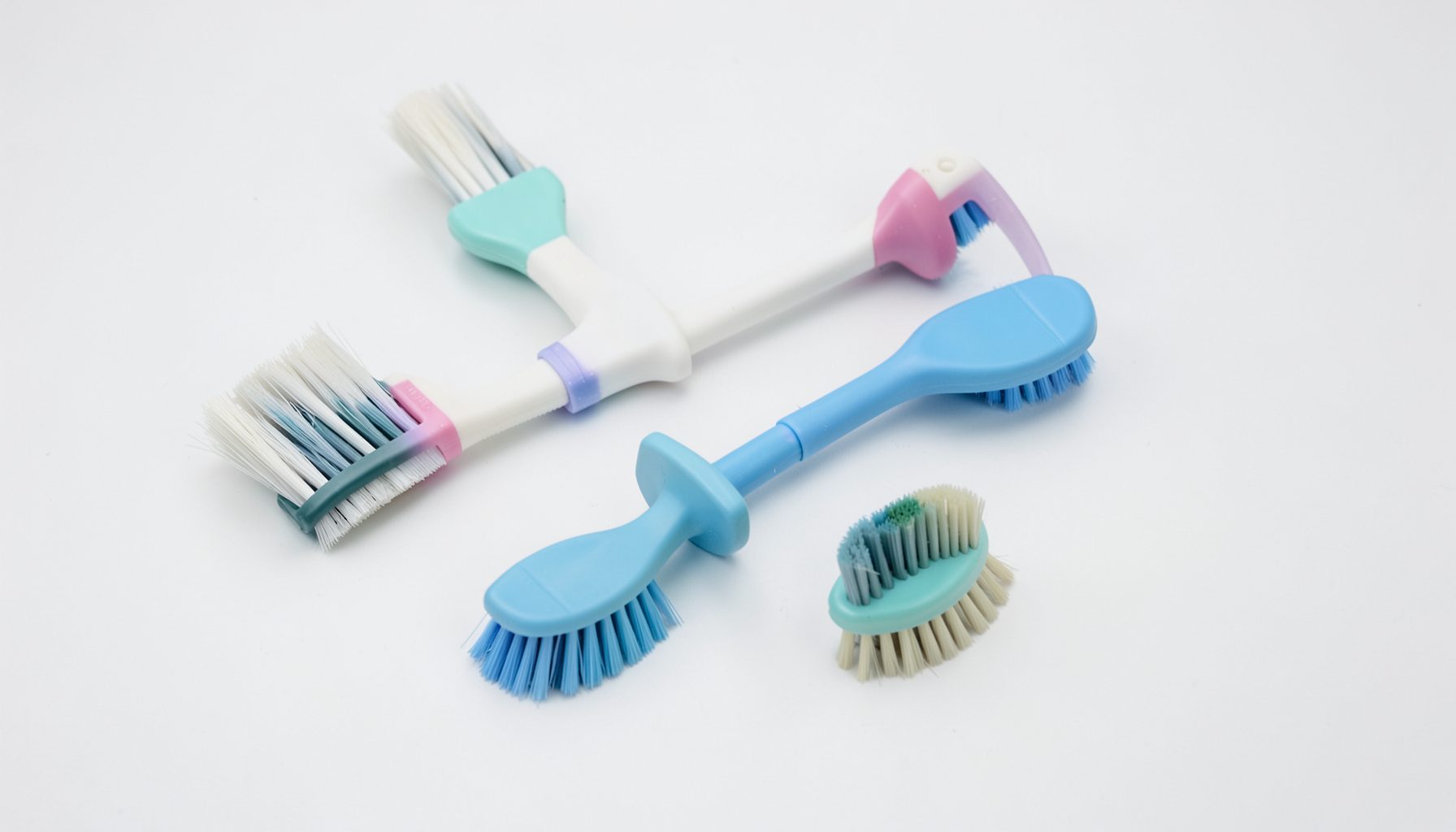
Switch nostrils and repeat. After use, rinse the bottle and let it air dry. Use ResQRinse Premium Cleaning Brushes for thorough cleaning.
How to Reduce Sinus Pressure Before a Flight
Sinus pressure can turn an ordinary flight into an uncomfortable experience. As the aircraft climbs and descends, air pressure changes inside the cabin. If congestion blocks the small openings that connect the sinuses to the nasal passages, trapped air may cause fullness, aching, popping, or pain around the cheeks, forehead, and eyes.
A little preparation can improve how well your nose and sinuses adjust. The most useful approach combines hydration, gentle nasal care, sensible medication choices, and simple pressure-equalizing habits during takeoff and landing.
People with frequent sinus infections, severe allergies, nasal polyps, a recent sinus procedure, or ongoing ear problems may need individualized advice from a healthcare professional before flying. A flight should be postponed when possible if you have a serious acute infection or significant facial pain.
Why Air Travel Triggers Sinus Pressure
The sinuses are air-filled spaces behind the forehead, cheekbones, nose, and eyes. They connect to the nasal cavity through narrow drainage pathways. During ascent, cabin pressure falls; during descent, it rises. When those pathways are open, air can move in and out more easily. Swollen tissue from a cold or allergy can make that adjustment difficult.
The descent is often the most uncomfortable part of a flight because pressure increases around the head and ears. A blocked nose may create a sensation of fullness, aching, reduced hearing, or pressure behind the eyes. Sinus pressure and ear pressure can occur together, although they are not exactly the same problem.
Dry cabin air may thicken mucus and make nasal irritation feel worse. Spending time in airports can also expose travelers to dust, fragrances, and respiratory irritants. Managing congestion before boarding gives the nasal passages a better chance to stay open throughout the trip.
Begin Preparing Before Leaving Home
Start with fluids and rest on the day before and the day of travel. Water will not instantly clear a blocked sinus, but staying hydrated can help keep mucus less sticky. Limit alcohol before and during the flight because it can contribute to dehydration and may make swelling or poor sleep more likely.
A warm shower or a few minutes in a comfortably steamy bathroom may temporarily loosen mucus. Avoid placing your face over boiling water, since burns can occur and steam does not provide a guaranteed treatment for sinus inflammation. A humidifier at home may also help if indoor air is very dry.
Saline spray or nasal irrigation can remove excess mucus, pollen, and other irritants without relying on medication. A rinse system such as ResQRinse’s nasal care approach may be useful before travel because its squeeze-bottle format can provide a controlled flow through the nasal passages. Follow the product directions and use safe water.
Use Nasal Irrigation Carefully
A saline rinse may be especially helpful when congestion is related to seasonal allergies, thick mucus, or mild nasal irritation. The solution can moisten the nasal lining and wash away particles that contribute to stuffiness. Use a prepared saline packet or the recommended salt mixture rather than plain water, which can sting and irritate the nose.
Water safety matters. Use distilled or sterile water, or tap water that has been boiled and cooled according to public health guidance. Do not use untreated tap water in a nasal irrigation device. Wash and dry the bottle and any removable parts after use, and replace components as directed.
Irrigating several hours before departure can give the nose time to settle. Some people prefer a rinse the evening before and another in the morning, but frequent use may cause irritation if the solution is too concentrated or the device is used too forcefully. Stop if you develop sharp pain, nosebleeding, worsening symptoms, or significant ear discomfort.
A squeeze bottle should be used gently. Lean over a sink, breathe through your mouth, and allow the saline to flow without creating excessive pressure. Children should use an age-appropriate system with adult supervision and should not be expected to manage a rinse independently.
Choose Medication With Care
An over-the-counter nasal steroid spray may help people whose congestion is driven by allergies, but it usually works best when used consistently over time rather than as a last-minute remedy. Follow the label and aim the spray slightly away from the nasal septum, the sensitive wall between the nostrils. Ask a pharmacist or clinician for guidance if you are unsure how to use it.
A topical decongestant spray may provide short-term relief, but using it for too many consecutive days can cause rebound congestion. Oral decongestants can raise blood pressure, increase heart rate, cause nervousness, or interfere with sleep. They may be unsuitable for people with hypertension, heart disease, glaucoma, prostate problems, pregnancy, or medication interactions.
The timing and safety of any medicine depend on your health history. Read the package directions, avoid combining products with overlapping ingredients, and consult a pharmacist if you take prescription medication. Do not use someone else’s nasal spray, and do not share a rinse bottle.
| Option | When It May Help | Important Consideration |
|---|---|---|
| Saline mist | Mild dryness or occasional stuffiness | Provides moisture but may not clear heavy congestion |
| Saline irrigation | Mucus, pollen, and allergy-related blockage | Use safe water and clean the device carefully |
| Nasal steroid spray | Ongoing allergy inflammation | Often requires regular use for full benefit |
| Topical decongestant spray | Short-term severe stuffiness | Prolonged use can cause rebound congestion |
| Oral decongestant | Some forms of nasal swelling | May affect blood pressure, heart rate, and sleep |
| Warm fluids and humidity | Dryness and thick mucus | Comfort measures, not a substitute for medical care |
Manage Pressure During Takeoff And Descent
Keep water, saline mist, tissues, and any permitted medication in your carry-on rather than checked luggage. During ascent and descent, swallow regularly, sip water, yawn, or chew gum. These actions can encourage the Eustachian tubes to open and may reduce pressure in the middle ears.
If your healthcare professional has said it is safe for you, the gentle Valsalva maneuver can help equalize ear pressure: close your mouth, pinch your nose, and blow very softly for a moment. Do not force it. Stop if you feel pain, dizziness, or worsening pressure. The Toynbee maneuver, which involves swallowing while the nose is pinched, is another gentler option for some travelers.
Try to stay awake during the final part of the descent so you can respond to changing pressure. Children may benefit from drinking from a bottle, breastfeeding, using a pacifier, or sipping through a straw, depending on age and usual feeding practices. Never force a child to perform a maneuver that causes distress.
Keeping the cabin air from feeling overly dry can also improve comfort. Sip water, avoid excessive caffeine or alcohol, and use a plain saline mist if needed. Saline mist is convenient in flight, while a full irrigation is usually better completed at home or in an appropriate private space before travel.
Build A Simple Preflight Routine
A practical routine should begin early enough to reveal whether a product or medication irritates your nose. Do not try an unfamiliar decongestant for the first time while rushing through an airport. Test your plan on a normal day, follow instructions, and keep the routine gentle.
Use this checklist as a starting point:
- Drink water regularly on the day before and the day of travel.
- Treat known allergies according to your usual healthcare plan.
- Perform a safe saline rinse several hours before departure if congestion or irritants are present.
- Pack saline mist, tissues, gum, and approved medicines in your carry-on.
- Stay awake during descent and swallow, yawn, or sip water frequently.
- Avoid forceful nose blowing, aggressive ear-popping, and untreated water in rinse devices.
A rinse may provide temporary comfort, but it cannot correct every cause of sinus pressure. Structural blockage, an infection, severe inflammation, or a problem involving the ear may require a different treatment plan. If symptoms repeatedly interfere with flights, schedule an evaluation rather than relying on increasingly strong self-care measures.
Know When To Seek Medical Advice
Contact a healthcare professional before flying if you have intense facial pain, fever, swelling around the eyes, thick discolored drainage with worsening symptoms, or a suspected bacterial infection. These signs can indicate a condition that needs assessment. Severe congestion after facial trauma or recent nasal surgery also deserves specific medical guidance.
Seek urgent care for vision changes, swelling around an eye, confusion, a severe unusual headache, stiff neck, chest symptoms, or trouble breathing. During or after a flight, severe ear pain, fluid or blood from the ear, sudden hearing loss, or persistent dizziness should be evaluated promptly.
For routine travel planning, ask a pharmacist about the safest options based on your blood pressure, pregnancy status, age, allergies, and current medicines. A clinician can also determine whether recurring flight-related discomfort is caused by allergic rhinitis, chronic sinusitis, a deviated septum, nasal polyps, or Eustachian tube dysfunction.
With a little preparation, many travelers can make cabin pressure changes easier to tolerate. Begin with hydration and gentle nasal care, use medicines thoughtfully, and focus on pressure-equalizing habits during the parts of the flight when symptoms are most likely. Explore an appropriate saline rinse or mist before your next trip, and keep your travel routine safe, simple, and consistent.