ResQRinse is the nasal irrigation squeeze bottle that eliminates head-tilting and awkward neck positions. Using proprietary Nasal Lock™ technology, it delivers a comfortable, gag-free sinus cleanse — no more saline dripping down your throat.

Relief From Fall Sneezes
Now sold on Walmart.com. Free shipping on orders $30+. Try ResQRinse today with your everyday purchases.
Shop at WalmartWhy ResQRinse?
Nasal rinsing helps relieve congestion from colds, allergies, sinusitis, hay fever, and environmental pollutants. ResQRinse makes it comfortable enough to become a daily habit.
Nasal Lock™ Technology
Isolates sinuses from the throat using natural choanal occlusion — like inflating a balloon — so saline stays where it belongs.
Learn more →
Drug-Free Relief
Uses premixed saline packets with distilled water. No medications, no preservatives — just a natural cleanse for your nasal passages.
How to rinse →
For Kids Too
ResQRinse for Kids features a comfort nasal tip right-sized for smaller nostril openings, making rinsing gentle and easy for children.
Shop kids' version →
Breath-Controlled Flow
You control the saline flow with your own breath pressure — high volume, low pressure irrigation that's comfortable and effective.
Watch how-to videos →
Better Compliance
Designed to overcome the gagging and discomfort that cause people to abandon traditional neti pots and nasal rinse systems.
Our story →
Complete Kits Available
From the basic ResQRinse Nasal Rinse System ($19.99) to 90-day complete kits, saline packets, cleaning brushes, and Sinoptim Nasal Mist.
Browse all products →Get Started with ResQRinse
Ready to experience a better nasal rinse? Fill out the form below and we'll help you find the right product — or follow the simple steps to begin rinsing today.
Request More Information
How to Use ResQRinse
Fill the Bottle
Fill the ResQRinse squeeze bottle with distilled or previously boiled water and add one premixed saline packet.
Position the Tip
Place the comfort tip gently against one nostril. No head-tilting or awkward neck angles needed.
Squeeze & Breathe
Squeeze the bottle gently while breathing through your mouth. Nasal Lock™ keeps saline in your nasal passages and out of your throat.
Repeat & Clean
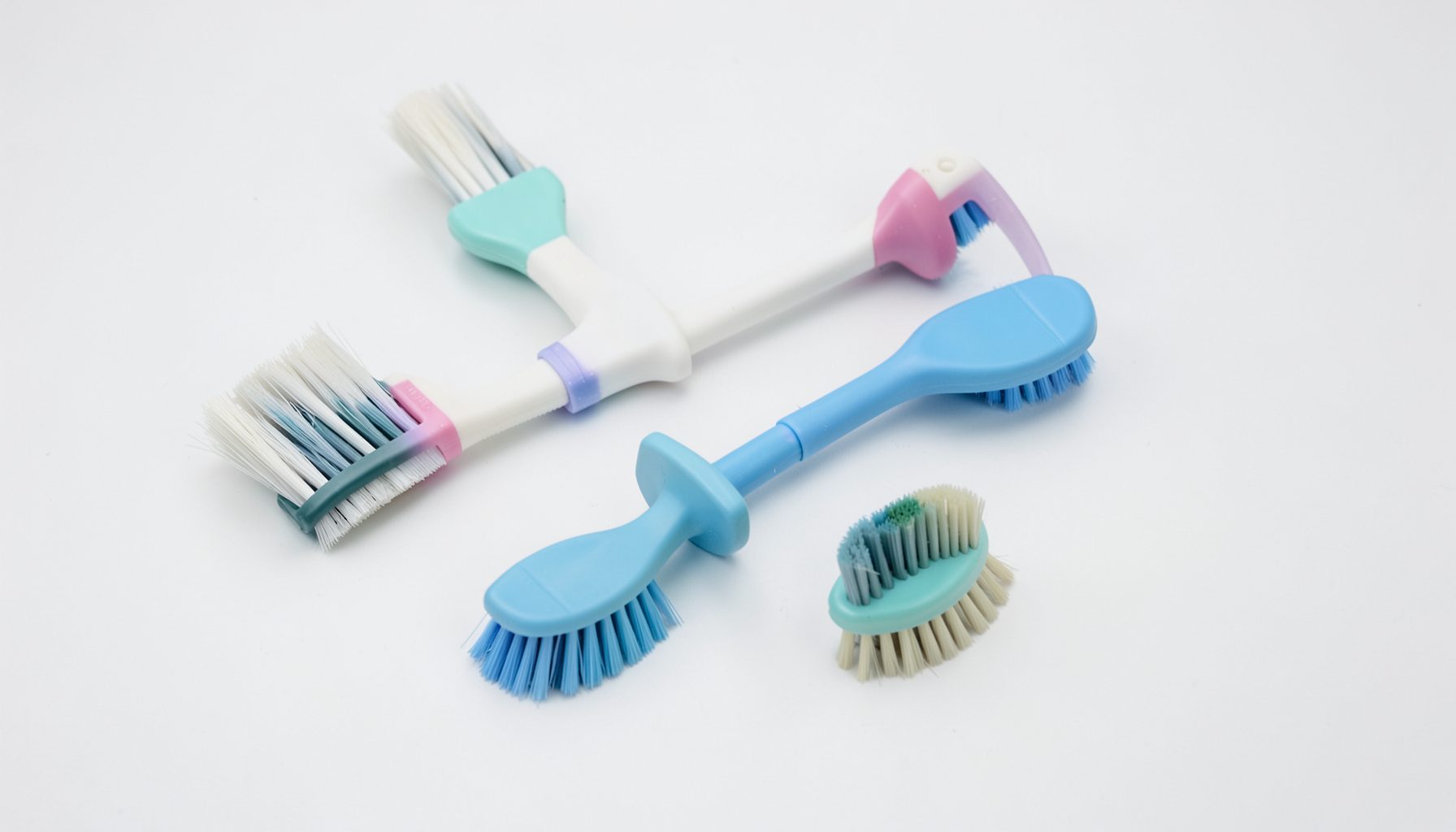
Switch nostrils and repeat. After use, rinse the bottle and let it air dry. Use ResQRinse Premium Cleaning Brushes for thorough cleaning.
How to store a nasal rinse bottle to prevent mold between uses
A nasal rinse bottle comes into contact with water, saline and mucus, creating a damp environment where mould can develop if it is put away wet. Good storage is therefore part of safe nasal hygiene, along with using the correct water and cleaning the bottle after every session.
The basic routine is simple: empty the bottle, wash each component, rinse away any residue and allow everything to dry fully in open air. A closed cupboard, shower caddy or travel bag should be the final storage place, not the drying area.
This matters in many Australian homes, particularly in humid coastal areas such as Brisbane, Cairns and Darwin. Warm bathrooms, limited ventilation and frequent family use can keep plastic parts damp for hours. A few consistent habits help your ResQRinse system stay fresher between uses.
Empty the bottle straight after rinsing
Begin by pouring out any remaining saline as soon as the rinse is finished. Do not leave liquid sitting in the bottle while you have breakfast, head to work or settle the children. A small amount of moisture can remain around the cap, nozzle and internal threads, even when the bottle appears empty.
Separate the bottle, cap, nasal tip and any valve or adapter included with your system. Removing the parts exposes the areas where saline crystals, mucus and water droplets collect. If you use a child-sized bottle, check its narrower openings carefully, as they may take longer to drain.
A rinse system should not be stored with leftover solution for the next session. Fresh saline should be prepared according to the packet directions each time, using sterile, distilled or previously boiled and cooled water as directed on the product packaging. Ordinary tap water may be treated for drinking, but it is not automatically sterile for nasal irrigation.
Wash away saline and residue
Rinse the bottle and removable parts with clean water after emptying them. Pay particular attention to the screw threads and the underside of the cap, where salt deposits can build up and interfere with a tight seal. A soft cleaning brush can help reach the base without scratching the plastic.
Use a mild dishwashing liquid when the manufacturer’s instructions permit it, then rinse thoroughly so no detergent remains. Avoid abrasive scourers, strong household disinfectants and very hot water unless the product instructions specifically approve them. These can damage the bottle surface, distort the nozzle or leave residues that may irritate the nose.
If you are using a rinse during a cold, blocked nose or allergy flare-up, the bottle may carry more mucus than usual. Practical cold relief guidance can help you understand when a rinse may be useful, while careful cleaning protects the equipment after use.
Let every part dry in open air
Air-drying is the most important step in preventing mould. Place the washed components on a clean, dry rack or fresh paper towel with openings facing down or sideways. This allows trapped water to escape instead of collecting inside the bottle.
Do not screw the cap on while the bottle is still damp. A sealed, wet container creates the dark, humid conditions mould prefers. Leave the parts separated until the bottle and accessories feel completely dry, which may take several hours in a cool Melbourne bathroom or much less in a dry, well-ventilated room.
Avoid drying the system on a windowsill in strong Australian sun for long periods unless the manufacturer permits it. Repeated ultraviolet exposure and high heat can make some plastics brittle over time. A shaded, airy bench is generally a better drying location.
Store the bottle open and separated
Once dry, keep the bottle uncapped or loosely assembled so air can circulate. Store the cap and nasal tip beside the bottle rather than forcing them together tightly. If the system has small valves, place them where they will not be lost but can still remain dry.
A ventilated bathroom shelf may work better than a closed vanity cupboard. Keep the bottle away from the shower spray, bath splash and toilet area, since these add moisture and can contaminate clean components. A dedicated container with ventilation holes is useful if several family members use separate rinse systems.
Never place a damp bottle in a sealed toiletry bag, plastic tub or bedside drawer. These locations trap condensation. If the bottle must be packed for travel, dry it first, carry the parts separately and leave the bag open when you arrive so any remaining moisture can evaporate.
Choose a suitable place in an Australian home
Storage conditions vary across Australia. In humid Queensland or the Northern Territory, use an air-conditioned or well-ventilated room where possible, and allow extra drying time. In Sydney or Perth, a bathroom can still remain humid after showers, even when the weather outside feels mild.
During winter in Canberra or Tasmania, indoor heating may dry the air while leaving cool surfaces prone to condensation. Avoid placing the bottle directly beside a heater, radiator or sunny window. Sudden heat can affect plastic components and does not replace proper washing.
Keep the bottle above floor level and away from household cleaning products, cosmetics and pets. If young children use the system, store saline packets and removable tips out of reach. Parents who are preparing a child for a first rinse may find these toddler calming steps useful alongside a consistent cleaning routine.
Check for mould, odour and damage
Inspect the bottle before each use, especially if it has been stored for several days. Look inside the base, around the neck and under the cap for dark specks, a cloudy film, unusual odour or sticky residue. A clean bottle should look and smell fresh, without visible growth.
If mould is present or the smell remains after thorough washing, stop using the bottle until it has been cleaned according to the manufacturer’s instructions. Some porous, scratched or permanently discoloured parts may need replacement rather than repeated cleaning. Do not try to conceal an odour with scented detergent or disinfectant.
Examine the plastic for cracks, deep scratches, warping and a loose seal. Damaged surfaces are harder to clean and may allow leakage during use. When choosing a replacement, review this guide to safe bottle material so the product is suitable for repeated contact with saline and regular washing.
Build a routine for the whole household
A simple household sequence makes correct storage easier: rinse, wash, separate, air-dry and store. Keep a small drying rack near the sink rather than putting the equipment away immediately. This is especially useful when several people use nasal irrigation during winter colds or spring allergy season.
Give each person their own bottle and nasal tip. Sharing a bottle can transfer germs, even when the components appear clean. Label children’s systems if necessary, and wash hands before handling a clean nozzle or preparing saline.
Check the product instructions for cleaning frequency, replacement advice and any restrictions on dishwashers or sterilising methods. Australian consumers can also check that health-related product information is clear and that claims match the manufacturer’s directions; products supplied in Australia may fall under requirements administered by the Therapeutic Goods Administration depending on their classification. Follow the packaging rather than applying heat or chemicals based on guesswork.
Make bottle care part of the rinse itself: empty the solution, wash every piece, leave it open to dry and store it only when fully dry. Keep your ResQRinse system ready for the next blocked-nose or allergy episode by purchasing compatible saline packets, replacement accessories or a complete kit through the available online retail channels, including Amazon and Walmart where offered.