ResQRinse is the nasal irrigation squeeze bottle that eliminates head-tilting and awkward neck positions. Using proprietary Nasal Lock™ technology, it delivers a comfortable, gag-free sinus cleanse — no more saline dripping down your throat.

Relief From Fall Sneezes
Now sold on Walmart.com. Free shipping on orders $30+. Try ResQRinse today with your everyday purchases.
Shop at WalmartWhy ResQRinse?
Nasal rinsing helps relieve congestion from colds, allergies, sinusitis, hay fever, and environmental pollutants. ResQRinse makes it comfortable enough to become a daily habit.
Nasal Lock™ Technology
Isolates sinuses from the throat using natural choanal occlusion — like inflating a balloon — so saline stays where it belongs.
Learn more →
Drug-Free Relief
Uses premixed saline packets with distilled water. No medications, no preservatives — just a natural cleanse for your nasal passages.
How to rinse →
For Kids Too
ResQRinse for Kids features a comfort nasal tip right-sized for smaller nostril openings, making rinsing gentle and easy for children.
Shop kids' version →
Breath-Controlled Flow
You control the saline flow with your own breath pressure — high volume, low pressure irrigation that's comfortable and effective.
Watch how-to videos →
Better Compliance
Designed to overcome the gagging and discomfort that cause people to abandon traditional neti pots and nasal rinse systems.
Our story →
Complete Kits Available
From the basic ResQRinse Nasal Rinse System ($19.99) to 90-day complete kits, saline packets, cleaning brushes, and Sinoptim Nasal Mist.
Browse all products →Get Started with ResQRinse
Ready to experience a better nasal rinse? Fill out the form below and we'll help you find the right product — or follow the simple steps to begin rinsing today.
Request More Information
How to Use ResQRinse
Fill the Bottle
Fill the ResQRinse squeeze bottle with distilled or previously boiled water and add one premixed saline packet.
Position the Tip
Place the comfort tip gently against one nostril. No head-tilting or awkward neck angles needed.
Squeeze & Breathe
Squeeze the bottle gently while breathing through your mouth. Nasal Lock™ keeps saline in your nasal passages and out of your throat.
Repeat & Clean
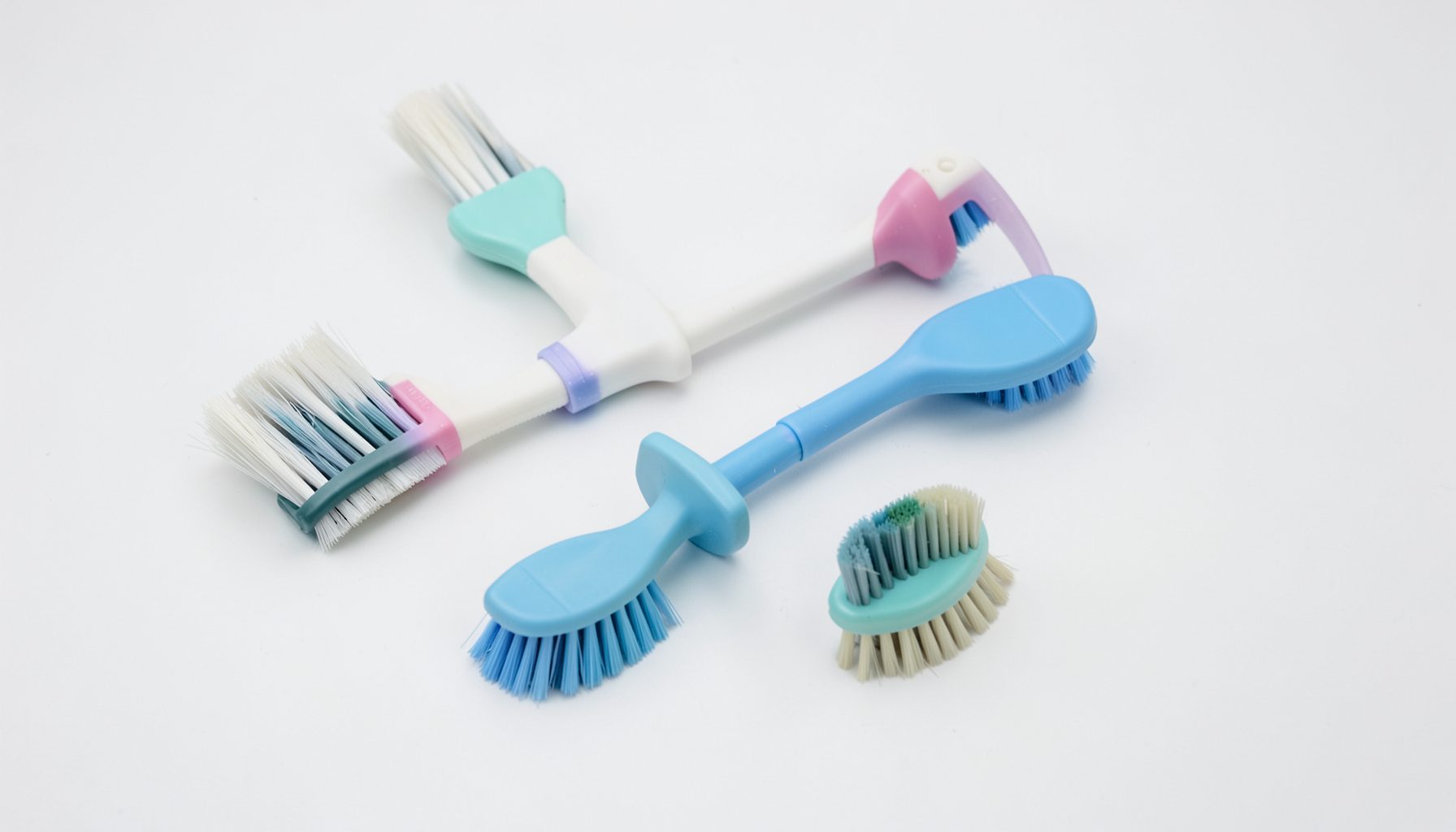
Switch nostrils and repeat. After use, rinse the bottle and let it air dry. Use ResQRinse Premium Cleaning Brushes for thorough cleaning.
How to identify a safe squeeze bottle material
A nasal rinse bottle comes into direct contact with saline solution and the inside of the nose, so its material deserves careful attention. The right bottle should be durable, easy to clean, resistant to cracking, and manufactured for contact with water or healthcare-related solutions.
Material safety is only one part of a comfortable nasal irrigation routine. Design, cleaning instructions, bottle age, saline preparation, and storage also affect whether a squeeze system remains hygienic and reliable. A well-made bottle should make gentle rinsing easier without adding unnecessary concerns about chemical exposure or contamination.
When comparing products, look beyond broad marketing terms such as “premium” or “medical grade.” Check the material information, care instructions, and intended use. These details help distinguish a purpose-built nasal irrigation system from a generic plastic container that was never designed for repeated contact with the nose.
Look for recognized plastic types
Most squeeze bottles are made from flexible or semi-flexible plastics, commonly low-density polyethylene (LDPE), high-density polyethylene (HDPE), or polypropylene (PP). These materials are widely used in food, laboratory, and healthcare applications because they can be lightweight, durable, and suitable for liquid storage when properly manufactured.
LDPE is often chosen for bottles that need to compress easily. Its flexibility supports controlled squeezing, which can help users deliver a steady stream without excessive pressure. HDPE is more rigid and resistant to impact, while PP generally offers good heat resistance and durability. The best option depends on the bottle’s construction and the manufacturer’s cleaning guidance.
A recycling symbol alone does not prove that a product is appropriate for nasal irrigation. The number inside the symbol identifies a resin category, not a complete safety certification. Look for clear information about intended use, regulatory compliance where applicable, and whether the bottle is designed for repeated saline rinsing.
Understand what BPA-free really means
BPA-free labeling can be useful because it indicates that bisphenol A was not intentionally used in the product’s identified plastic components. However, this phrase should not be treated as a complete safety assessment. It does not explain every material in the bottle, valve, cap, nozzle, or seal.
A reliable product description should identify the primary bottle material and provide practical care information. If the listing only says “non-toxic plastic” without naming the material or explaining its intended use, shoppers have less information to evaluate. Contact the manufacturer when material details are unclear, especially if the bottle will be used by a child or someone with sensitive nasal passages.
A safe squeeze bottle should also be free from strong chemical odors, sticky residue, discoloration, or surface damage when new. Odor alone does not establish toxicity, but an unusual smell that persists after washing is a sensible reason to stop using the product and seek clarification from the manufacturer.
Check the nozzle and flexible components
The bottle is not the only part that matters. Saline passes through the nozzle, cap, valve, and any internal tube, so these components should be made from materials intended for repeated liquid contact. Look for smooth surfaces and a design with few narrow spaces where moisture can remain trapped.
Soft silicone may be used in seals or comfort components because it is flexible and can maintain a close fit. The product information should still explain how these parts are cleaned and whether they can be removed. A comfortable material cannot compensate for a nozzle that is difficult to rinse or dry.
ResQRinse explains how its Nasal Lock technology supports a controlled nasal rinse experience. When evaluating any squeeze system, consider how the nozzle fits, how pressure is managed, and whether the design helps prevent leaks or uncomfortable backflow. Material quality and ergonomic design work together.
| Material or feature | Useful characteristics | What to verify |
|---|---|---|
| LDPE | Flexible and easy to squeeze | Whether it is intended for repeated liquid contact |
| HDPE | Durable and more rigid | Whether the bottle is comfortable to compress |
| PP | Strong and relatively heat resistant | Whether high-temperature cleaning is permitted |
| Silicone components | Flexible seals and soft fittings | Whether they can be removed and cleaned |
| BPA-free labeling | Indicates BPA was not intentionally used | The other materials and intended-use information |
| Smooth, molded nozzle | Easier to rinse and inspect | Whether narrow channels can dry completely |
Evaluate cleaning and sanitizing instructions
Even a suitable bottle can become unsafe if it is not cleaned correctly. After each use, empty leftover saline and rinse the bottle, cap, and nozzle according to the manufacturer’s directions. Allow every component to air-dry fully before reassembly or storage. Moisture left inside a closed bottle can encourage microbial growth.
Do not assume that boiling, microwaving, dishwashing, or chemical disinfectants are safe for every plastic. Heat can deform LDPE or soften seals, while harsh cleaners may damage surfaces or leave residues. Follow the product’s instructions rather than applying a general sterilization method.
Inspect the bottle regularly for cloudiness, cracks, scratches, weakened areas, or changes in flexibility. Damage can make the bottle harder to clean and may alter the pressure of the rinse. Replace it when the manufacturer recommends replacement or whenever its condition becomes questionable.
Water safety is equally important. Nasal irrigation should use distilled, sterile, or appropriately boiled and cooled water, combined with the correct saline packet or recipe. A clean bottle cannot make unsafe tap water suitable for nasal rinsing.
Choose age-appropriate materials and sizing
Children need a bottle that fits their hands, has a manageable squeeze force, and uses a nozzle designed for their age and anatomy. A smaller system may reduce spills and help an adult control the rinse, but children should not use a nasal irrigation device independently unless a healthcare professional and caregiver consider it appropriate.
Material details are especially important for children because they may chew on the nozzle, drop the bottle, or use more force than intended. Look for a sturdy construction without detachable pieces that could be swallowed, and inspect the nozzle before every use. A cracked or chewed component should be replaced immediately.
For practical guidance on timing and technique, read about children’s nasal rinse. A child-friendly product should combine suitable materials with simple instructions, gentle flow, and close adult supervision. Comfort can improve cooperation, but it should never replace safe handling.
Consider comfort, sensitivity, and clinical needs
A material that is safe for general use may still feel uncomfortable if the nozzle is rough, the stream is too forceful, or the bottle contains residual cleaning agents. Choose a system with smooth molded surfaces and clear instructions for rinsing away any cleanser. People with allergies or sensitivities may prefer products with fewer additives, fragrances, or unnecessary coatings.
Users with recurring sinus symptoms, recent nasal surgery, or other medical concerns should follow advice from a healthcare professional. Nasal irrigation may not be appropriate in every situation, and symptoms such as severe pain, bleeding, fever, or worsening pressure need medical attention rather than repeated rinsing.
Special care may be needed when someone has ear tubes or a history of ear problems. Before using a squeeze system in that situation, review guidance about nasal rinsing with ear tubes and speak with the child’s or adult’s clinician. Bottle material is important, but flow pressure and individual health circumstances matter too.
Use a simple safety checklist
When product information is incomplete, a short checklist can help you make a more informed choice:
- Confirm that the bottle material is named, such as LDPE, HDPE, or PP.
- Look for BPA-free information alongside clear intended-use and care instructions.
- Choose a smooth nozzle and components that can be rinsed and dried thoroughly.
- Verify whether the bottle tolerates the recommended cleaning method.
- Replace the system when it becomes cracked, cloudy, sticky, warped, or difficult to clean.
Also check whether replacement saline packets, cleaning brushes, or compatible parts are available. A bottle that is easy to maintain is more likely to remain hygienic over time. Keep it for one user, avoid sharing, and store it in a clean, dry location away from direct heat and sunlight.
The safest choice is a purpose-designed nasal irrigation system from a manufacturer that explains its materials, use instructions, and maintenance requirements. Compare those details before focusing on appearance, price, or squeeze capacity.
Review the material specifications and cleaning guidance for a ResQRinse system, then select the bottle and saline supplies that match your needs. Used with safe water, fresh saline, and proper care, a well-designed squeeze bottle can support a cleaner, more comfortable nasal rinse routine.