ResQRinse is the nasal irrigation squeeze bottle that eliminates head-tilting and awkward neck positions. Using proprietary Nasal Lock™ technology, it delivers a comfortable, gag-free sinus cleanse — no more saline dripping down your throat.

Relief From Fall Sneezes
Now sold on Walmart.com. Free shipping on orders $30+. Try ResQRinse today with your everyday purchases.
Shop at WalmartWhy ResQRinse?
Nasal rinsing helps relieve congestion from colds, allergies, sinusitis, hay fever, and environmental pollutants. ResQRinse makes it comfortable enough to become a daily habit.
Nasal Lock™ Technology
Isolates sinuses from the throat using natural choanal occlusion — like inflating a balloon — so saline stays where it belongs.
Learn more →
Drug-Free Relief
Uses premixed saline packets with distilled water. No medications, no preservatives — just a natural cleanse for your nasal passages.
How to rinse →
For Kids Too
ResQRinse for Kids features a comfort nasal tip right-sized for smaller nostril openings, making rinsing gentle and easy for children.
Shop kids' version →
Breath-Controlled Flow
You control the saline flow with your own breath pressure — high volume, low pressure irrigation that's comfortable and effective.
Watch how-to videos →
Better Compliance
Designed to overcome the gagging and discomfort that cause people to abandon traditional neti pots and nasal rinse systems.
Our story →
Complete Kits Available
From the basic ResQRinse Nasal Rinse System ($19.99) to 90-day complete kits, saline packets, cleaning brushes, and Sinoptim Nasal Mist.
Browse all products →Get Started with ResQRinse
Ready to experience a better nasal rinse? Fill out the form below and we'll help you find the right product — or follow the simple steps to begin rinsing today.
Request More Information
How to Use ResQRinse
Fill the Bottle
Fill the ResQRinse squeeze bottle with distilled or previously boiled water and add one premixed saline packet.
Position the Tip
Place the comfort tip gently against one nostril. No head-tilting or awkward neck angles needed.
Squeeze & Breathe
Squeeze the bottle gently while breathing through your mouth. Nasal Lock™ keeps saline in your nasal passages and out of your throat.
Repeat & Clean
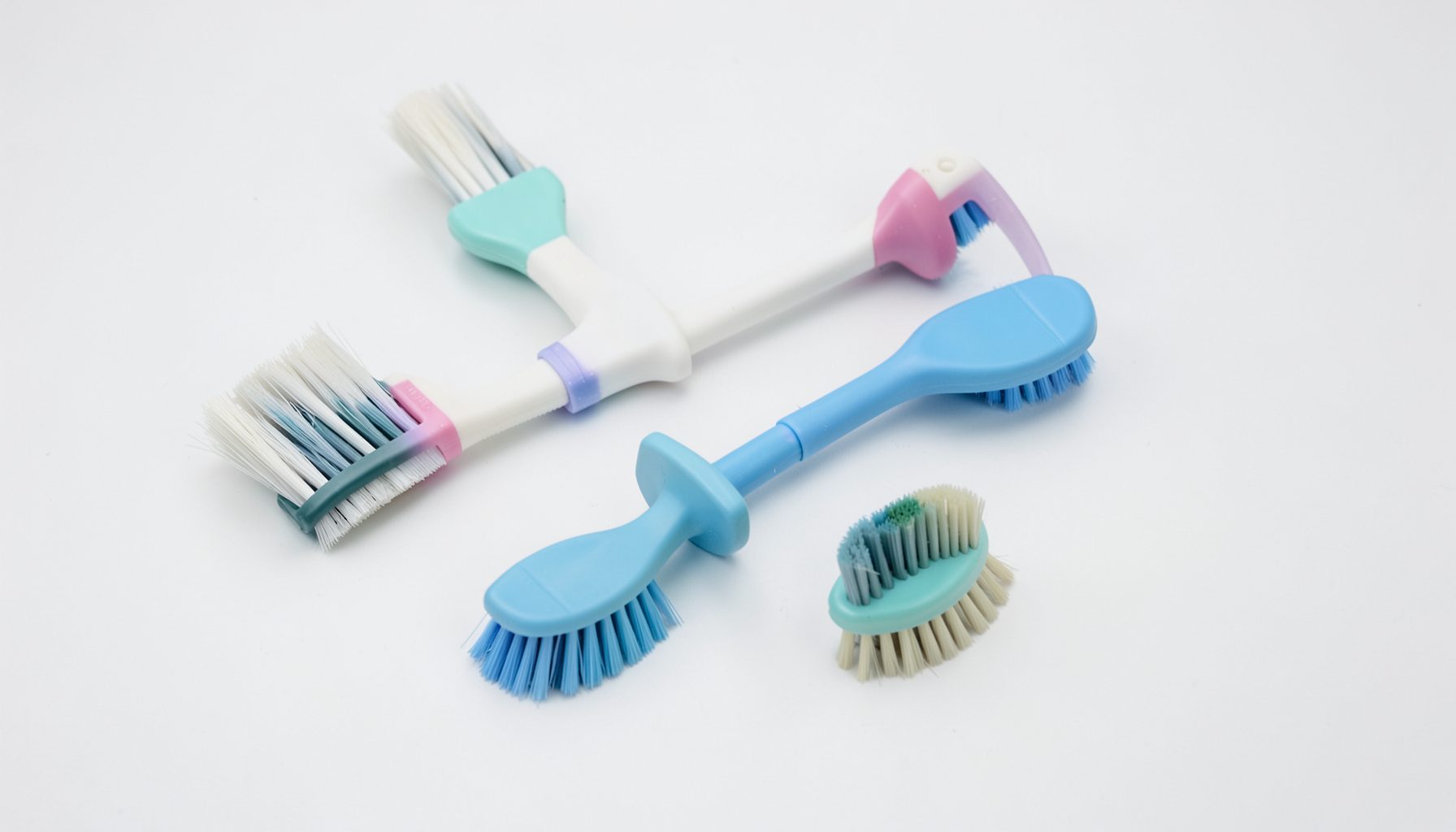
Switch nostrils and repeat. After use, rinse the bottle and let it air dry. Use ResQRinse Premium Cleaning Brushes for thorough cleaning.
Nasal Rinse Relief When a Cold Makes It Hard to Breathe
A cold can make every breath feel restricted. Swollen nasal tissues, thick mucus, postnasal drainage, and dry indoor air may combine to block both sides of the nose, especially at night. Mouth breathing then dries the throat and can make rest more difficult.
A nasal rinse for relief when you have a cold and cannot breathe can help wash away excess mucus and irritants while moisturizing the nasal passages. Saline does not cure the virus causing a cold, but it can make congestion feel less overwhelming and support more comfortable breathing while your body recovers.
Squeeze-bottle irrigation systems are designed to move saline through one nostril and out the other, carrying mucus and debris with it. A comfortable device, correct water preparation, and gentle technique are essential for getting useful relief without irritating sensitive nasal tissue.
Why Cold Congestion Feels So Severe
When a cold virus infects the upper respiratory tract, the nasal lining becomes inflamed. Blood flow increases in the tissues inside the nose, causing them to swell. At the same time, the body produces mucus to trap particles and help remove the virus. The combination can narrow the airway even when there is no large amount of discharge.
Lying down may make the sensation worse because mucus does not drain as easily. Heated rooms and low humidity can thicken secretions, while repeated nose blowing may leave the skin and nasal passages sore. A rinse can help clear the material that is contributing to blockage, giving air a more open path through the nose.
Congestion may also shift during the day. One nostril can feel more blocked than the other as part of the normal nasal cycle, then both sides may become restricted during a cold. Rinsing before sleep or after waking can be especially helpful when mucus has collected overnight.
How Saline Rinsing Opens Nasal Passages
A saline solution works through gentle flushing rather than medication. It loosens thick mucus, rinses away dust and other airborne particles, and adds moisture to irritated tissue. This can reduce the heavy, clogged feeling associated with a stuffy nose and sinus pressure.
Isotonic saline has a salt concentration close to that of body fluids and is generally comfortable for routine use. Some products use hypertonic saline, which contains more salt and may temporarily draw fluid from swollen tissue. Hypertonic formulas can feel stronger, so follow the product directions and stop if burning or persistent irritation develops.
Nasal irrigation may also help remove mucus that drains toward the throat. It is different from a nasal mist, which mainly moisturizes the front of the nasal passages. A rinse uses a larger volume of saline for cleansing, while a mist can be convenient for quick moisture during the day.
Choosing A System For Comfortable Relief
A squeeze bottle gives the user control over the pressure and volume of saline. ResQRinse systems include Nasal Lock technology intended to create a comfortable seal at the nostril and help direct the solution through the nasal passages. Compared with a traditional neti pot, a bottle can be easier to hold and may offer a more consistent flow when used according to instructions.
Look for a kit with premeasured saline packets, a clearly shaped nozzle, and cleaning tools such as a brush. Packets help maintain the intended salt balance, which is important because water that is too salty or too weak can sting. A child-sized option may be more suitable for older children who can follow directions, while younger children need guidance from a pediatrician.
Seasonal triggers can make cold symptoms feel more intense. If pollen is also contributing to sneezing or drainage, these climate-specific pollen tips can help explain why symptoms vary with location and weather.
| Option | Main purpose | Convenience | Important consideration |
|---|---|---|---|
| Squeeze-bottle rinse | Flushes mucus and irritants from the nasal passages | Portable and easy to control | Use safe water and gentle pressure |
| Neti pot | Delivers a gravity-based saline flow | Simple, low-tech design | Requires careful head positioning and cleaning |
| Nasal mist | Adds light moisture and may ease dryness | Fast and discreet | Does not provide the same deep cleansing |
| Saline spray | Moisturizes and loosens minor dryness | Ready to use | Usually moves less fluid through the nose |
| Medicated decongestant spray | Temporarily shrinks swollen tissue | Rapid short-term effect | Overuse can cause rebound congestion |
Use A Nasal Rinse Safely
Water safety is the most important part of home nasal irrigation. Use distilled or sterile water, or tap water that has been boiled and cooled according to public health guidance. Do not use untreated tap water in a nasal rinse. Prepare fresh saline as directed, and avoid sharing the bottle or nozzle with another person.
Wash the device after each use, rinse it thoroughly, and allow it to air-dry completely. Follow the manufacturer’s instructions for cleaning and replacement. A cleaning brush can help reach internal areas where moisture or residue may remain.
A simple routine can make cold-season use more comfortable:
- Wash your hands before preparing the saline.
- Lean over a sink, tilt your head slightly, and breathe through your mouth.
- Use gentle, steady pressure rather than forcing the solution.
- Stop if you feel sharp pain, significant ear pressure, or severe burning.
- Clean and dry the system immediately after use.
Do not rinse when the nose is completely sealed if pressure cannot pass comfortably. Waiting until a small amount of airflow returns, or asking a healthcare professional for advice, may be safer. People with frequent nosebleeds, recent nasal surgery, structural blockage, or significant ear problems should seek personalized guidance before irrigating.
Know When Congestion Needs Medical Care
Most common colds improve gradually, and nasal blockage often eases within several days. Contact a healthcare professional if symptoms are severe, last longer than expected, return after improving, or come with intense facial pain, swelling around the eyes, dehydration, confusion, or a high or persistent fever. Trouble breathing from the chest, blue lips, or sudden severe symptoms require urgent care rather than home nasal treatment.
A rinse may reduce mucus and nasal discomfort, but it cannot diagnose the cause of congestion. Allergies, influenza, sinus infections, asthma, structural blockage, and other conditions can produce similar symptoms. Infants and young children also need special care because they may not be able to use an irrigation device safely.
If congestion occurs with a suspected or confirmed coronavirus infection, nasal irrigation should remain a comfort measure rather than a replacement for testing, isolation guidance, or clinical care. Read this explanation of COVID congestion guidance for a clearer distinction between symptom relief and treatment claims.
Support Recovery Beyond The Rinse
A rinse works best as one part of a broader cold-care routine. Rest, adequate fluids, and humidified air may help keep mucus thinner. Sleeping with the head slightly elevated can reduce the feeling of drainage collecting in the throat. Avoid cigarette smoke, strong fragrances, and dusty air while the nasal lining is irritated.
Use saline according to the product directions rather than rinsing repeatedly whenever the nose feels blocked. More frequent irrigation is not always better; excessive use or overly forceful flow can increase dryness and irritation. If the nose feels raw, reduce frequency and discuss persistent symptoms with a clinician.
Environmental allergens can prolong congestion after the original cold begins to fade. Dust mites in bedding and bedrooms may contribute to year-round nasal symptoms, so learning about bedroom dust mites can be useful when morning stuffiness keeps returning.
A comfortable rinse system can provide practical support during a cold by clearing thick mucus and adding moisture to swollen nasal passages. Prepare it with safe water, use calm pressure, clean it carefully, and pay attention to warning signs. Choose a ResQRinse system, saline packets, or nasal mist that fits your routine through Walmart or Amazon, and make gentle nasal care part of your next cold-day recovery plan.