ResQRinse is the nasal irrigation squeeze bottle that eliminates head-tilting and awkward neck positions. Using proprietary Nasal Lock™ technology, it delivers a comfortable, gag-free sinus cleanse — no more saline dripping down your throat.

Relief From Fall Sneezes
Now sold on Walmart.com. Free shipping on orders $30+. Try ResQRinse today with your everyday purchases.
Shop at WalmartWhy ResQRinse?
Nasal rinsing helps relieve congestion from colds, allergies, sinusitis, hay fever, and environmental pollutants. ResQRinse makes it comfortable enough to become a daily habit.
Nasal Lock™ Technology
Isolates sinuses from the throat using natural choanal occlusion — like inflating a balloon — so saline stays where it belongs.
Learn more →
Drug-Free Relief
Uses premixed saline packets with distilled water. No medications, no preservatives — just a natural cleanse for your nasal passages.
How to rinse →
For Kids Too
ResQRinse for Kids features a comfort nasal tip right-sized for smaller nostril openings, making rinsing gentle and easy for children.
Shop kids' version →
Breath-Controlled Flow
You control the saline flow with your own breath pressure — high volume, low pressure irrigation that's comfortable and effective.
Watch how-to videos →
Better Compliance
Designed to overcome the gagging and discomfort that cause people to abandon traditional neti pots and nasal rinse systems.
Our story →
Complete Kits Available
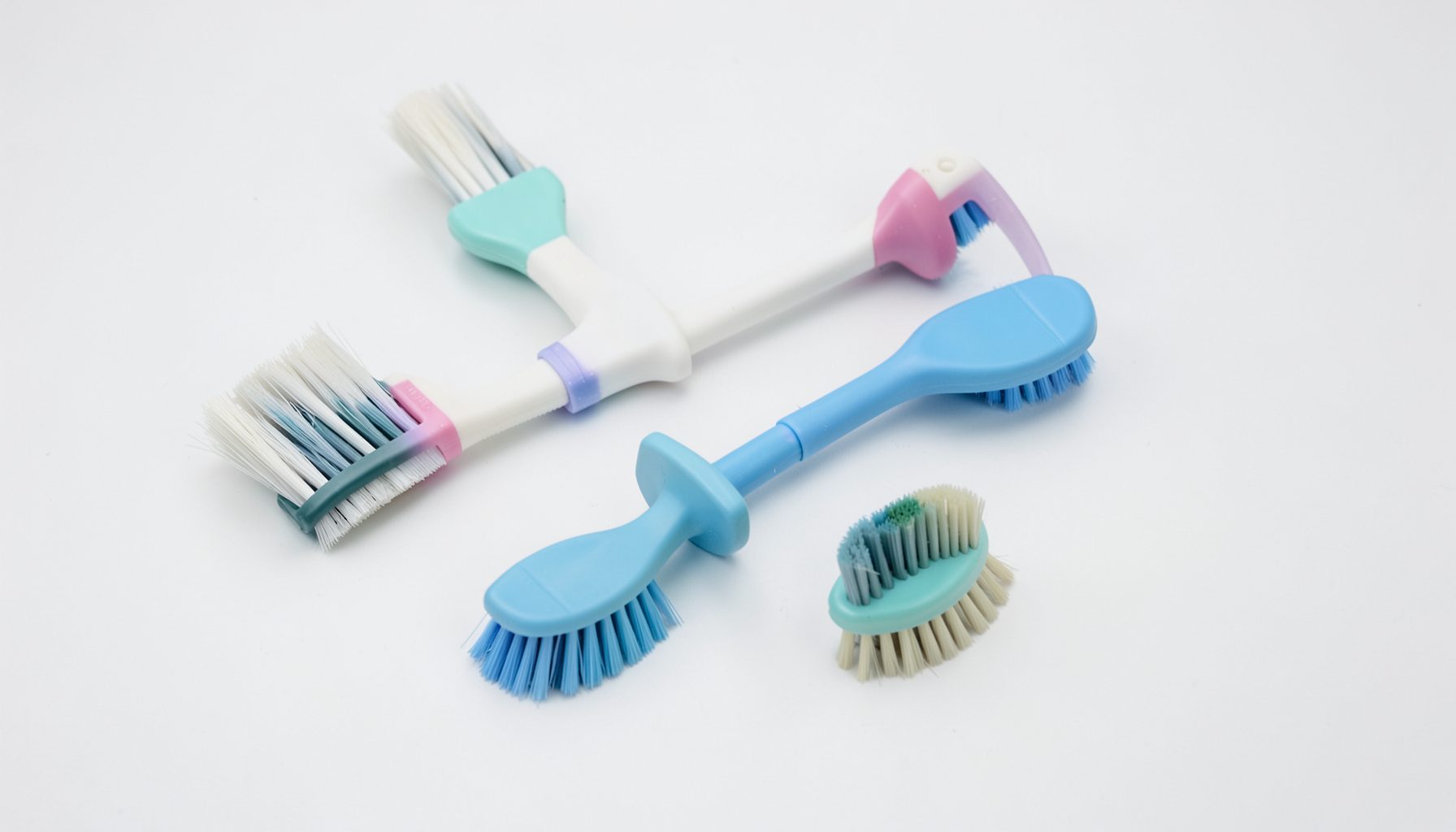
From the basic ResQRinse Nasal Rinse System ($19.99) to 90-day complete kits, saline packets, cleaning brushes, and Sinoptim Nasal Mist.
Browse all products →Get Started with ResQRinse
Ready to experience a better nasal rinse? Fill out the form below and we'll help you find the right product — or follow the simple steps to begin rinsing today.
Request More Information
How to Use ResQRinse
Fill the Bottle
Fill the ResQRinse squeeze bottle with distilled or previously boiled water and add one premixed saline packet.
Position the Tip
Place the comfort tip gently against one nostril. No head-tilting or awkward neck angles needed.
Squeeze & Breathe
Squeeze the bottle gently while breathing through your mouth. Nasal Lock™ keeps saline in your nasal passages and out of your throat.
Repeat & Clean
Switch nostrils and repeat. After use, rinse the bottle and let it air dry. Use ResQRinse Premium Cleaning Brushes for thorough cleaning.
Is Nasal Rinse Safe for People With Ear Tubes
Nasal irrigation can loosen mucus, wash away allergens, and ease nasal congestion. For many people, a saline rinse is a comfortable part of managing colds, seasonal allergies, or chronic sinus symptoms. Ear tubes, however, change the safety conversation because they create a small opening through the eardrum that can connect the middle ear with the outer ear canal.
A person with tympanostomy tubes may still be able to use nasal saline, but the decision depends on the tube type, the child’s or adult’s medical history, current symptoms, and the amount of pressure created during rinsing. A gentle, correctly prepared rinse is very different from forcefully flushing water through the nose.
The safest approach is to ask an otolaryngologist or other qualified healthcare professional before beginning nasal irrigation. A clinician can explain whether rinsing is appropriate, recommend a suitable device, and identify situations in which it should be paused.
Why Ear Tubes Change The Advice
Ear tubes are placed to ventilate the middle ear and help fluid drain. They are commonly used for recurring ear infections, persistent fluid behind the eardrum, hearing problems related to fluid, or repeated pressure issues. Because the tube provides an opening, fluid or bacteria from the nose and throat may have a pathway toward the middle ear under certain conditions.
The main concern with nasal irrigation is pressure. A strong squeeze, blocked nasal passage, incorrect head position, or vigorous nose blowing can drive saline toward the openings connected to the ears. This may cause discomfort, fullness, drainage, or an ear infection. The risk is especially important for young children, who may have difficulty controlling the force of the rinse.
Ear tubes do not automatically make every nasal rinse unsafe. Some clinicians may approve gentle saline irrigation when congestion is significant and the device is used carefully. Others may recommend a nasal mist or a different method, particularly soon after tube placement or when a child has active ear symptoms.
What Makes A Saline Rinse Safer
Use sterile, distilled, or previously boiled and cooled water when preparing homemade saline. Tap water can contain microorganisms that are safe to swallow but inappropriate for nasal use. Commercial saline packets can simplify the process because they provide measured ingredients intended to be mixed with the correct amount of water.
The solution should be comfortably lukewarm rather than hot or cold. A properly mixed isotonic saline solution usually feels less irritating than plain water. Do not add essential oils, medication, or extra salt unless a healthcare professional specifically instructs you to do so.
Device design also matters. A squeeze bottle can provide controlled flow, but pressing too firmly may create excessive pressure. Systems with features designed to help regulate flow, such as the ResQRinse Nasal Lock, may feel easier to control, though no device can remove the need for gentle technique and medical guidance.
Selecting The Right Method
People with ear tubes should generally avoid any method that requires forceful flushing. A nasal mist delivers a smaller amount of saline and may be preferred for mild dryness or light congestion. For thicker mucus, a clinician may approve a low-pressure rinse, provided the person can keep the mouth open, breathe calmly, and stop immediately if ear discomfort develops.
Neti pots and squeeze bottles work differently. A neti pot relies primarily on gravity, while a squeeze bottle uses hand pressure. Neither option should be considered universally safe for someone with ear tubes. The best choice depends on the user’s anatomy, age, symptoms, and the instructions from the treating clinician.
| Consideration | Why It Matters | Safer Practice |
|---|---|---|
| Water quality | Unclean water can introduce harmful microorganisms | Use distilled, sterile, or boiled and cooled water |
| Flow pressure | High pressure may move fluid toward the middle ear | Use a gentle flow and never force a blocked nostril |
| Device fit | Poorly fitting tips can leak or encourage extra squeezing | Choose a comfortable, age-appropriate tip |
| Current ear symptoms | Pain, drainage, or fever may signal an active problem | Pause rinsing and contact a healthcare professional |
| Cleaning | Residue and germs can contaminate the device | Rinse, dry, and clean components exactly as directed |
| User age | Children may squeeze too hard or resist positioning | Use pediatric guidance and supervise every rinse |
How To Use A Rinse With Care
If a clinician has approved nasal irrigation, begin by washing your hands and preparing fresh saline. Check that the device is clean and that the water is at a comfortable temperature. Lean over a sink, keep the mouth open, and tilt the head slightly forward rather than tipping it far backward.
Place the tip gently at the nostril without forcing it inside. Use the smallest amount of pressure needed for a slow flow. Do not seal the device tightly against the nose, and do not continue if the liquid will not move easily through the nasal passage. A completely blocked nose may require another treatment approach first.
Allow the saline to drain naturally, then gently blow the nose one side at a time. Avoid forceful nose blowing, sniffing hard, or repeatedly squeezing the bottle. Instructions for positioning and flow can vary by product, so reviewing nasal rinse videos before the first use may help a caregiver understand the intended technique.
Signs To Stop And Seek Medical Advice
Ear pain, pressure, sudden muffled hearing, dizziness, ringing, or fluid draining from the ear are reasons to stop the rinse. These symptoms may be temporary, but they can also indicate irritation, infection, or an issue involving the tube. A healthcare professional should determine whether further irrigation is appropriate.
Do not use nasal irrigation during an active ear infection unless the treating clinician specifically recommends it. Fever, worsening facial pain, swelling around the eye, severe headache, repeated vomiting, or symptoms that rapidly worsen also call for prompt medical attention. Nasal irrigation is supportive care, not a substitute for evaluation when symptoms are severe.
It is also sensible to pause if a rinse consistently causes ear fullness or discomfort, even when no drainage is visible. Keeping a brief record of the device, pressure, saline mixture, and symptoms may help an otolaryngologist identify what needs to change.
Special Considerations For Children
Children with ear tubes often need closer supervision because they may not recognize excessive pressure or describe ear symptoms clearly. An adult should prepare the solution, hold or guide the device, and make sure the child does not insert the tip deeply. A child who is crying, resisting, or unable to remain still may be at greater risk of an uncontrolled squeeze.
Pediatric tube placement can vary, and the tubes may remain in place for different lengths of time. The original reason for surgery also affects the recommendation. Before using a squeeze-bottle rinse for a child, ask the child’s ear, nose, and throat specialist whether a mist, spray, or low-pressure rinse is preferred.
Saline rinsing may be particularly useful during allergy season, but the routine should remain conservative. A practical allergy season rinse plan can help organize nasal care, yet children with ear tubes should adapt any general plan to their clinician’s instructions.
A Practical Safety Routine
A simple routine can reduce avoidable problems while keeping nasal care consistent:
- Confirm with an otolaryngologist that irrigation is appropriate for the specific tube and medical history.
- Use only sterile, distilled, or boiled and cooled water with the correct saline amount.
- Choose a low-pressure method and use the gentlest flow that clears the nose.
- Stop for ear pain, pressure, drainage, dizziness, hearing changes, or worsening symptoms.
- Clean and fully air-dry the device after every use, replacing worn or contaminated parts.
The device should never be shared, and prepared saline should not be stored longer than the product instructions allow. A clean nasal rinse system cannot prevent every complication, but careful preparation and restrained pressure can make the process more predictable.
For people with ear tubes, comfort is an important safety signal. A rinse that feels painful, causes ear pressure, or produces new drainage should not be treated as something to push through. With individualized medical advice and gentle technique, saline may be a useful option for selected patients managing nasal congestion and allergy symptoms.
Before adding irrigation to a child’s or adult’s routine, discuss the plan with the clinician who manages the ear tubes. When approval is given, follow the device instructions closely, begin gently, and use a trusted saline system consistently for comfortable nasal care.