ResQRinse is the nasal irrigation squeeze bottle that eliminates head-tilting and awkward neck positions. Using proprietary Nasal Lock™ technology, it delivers a comfortable, gag-free sinus cleanse — no more saline dripping down your throat.

Relief From Fall Sneezes
Now sold on Walmart.com. Free shipping on orders $30+. Try ResQRinse today with your everyday purchases.
Shop at WalmartWhy ResQRinse?
Nasal rinsing helps relieve congestion from colds, allergies, sinusitis, hay fever, and environmental pollutants. ResQRinse makes it comfortable enough to become a daily habit.
Nasal Lock™ Technology
Isolates sinuses from the throat using natural choanal occlusion — like inflating a balloon — so saline stays where it belongs.
Learn more →
Drug-Free Relief
Uses premixed saline packets with distilled water. No medications, no preservatives — just a natural cleanse for your nasal passages.
How to rinse →
For Kids Too
ResQRinse for Kids features a comfort nasal tip right-sized for smaller nostril openings, making rinsing gentle and easy for children.
Shop kids' version →
Breath-Controlled Flow
You control the saline flow with your own breath pressure — high volume, low pressure irrigation that's comfortable and effective.
Watch how-to videos →
Better Compliance
Designed to overcome the gagging and discomfort that cause people to abandon traditional neti pots and nasal rinse systems.
Our story →
Complete Kits Available
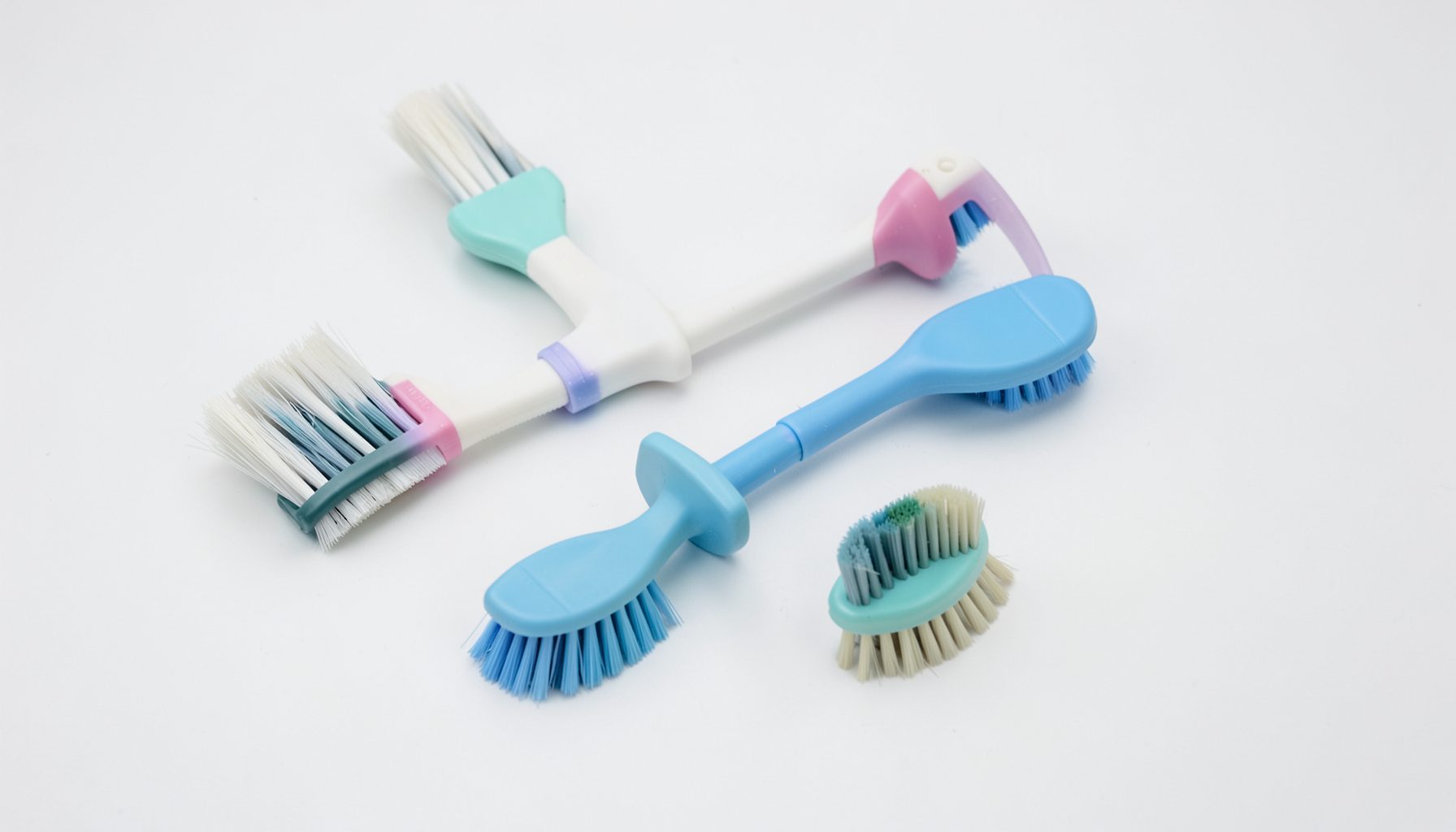
From the basic ResQRinse Nasal Rinse System ($19.99) to 90-day complete kits, saline packets, cleaning brushes, and Sinoptim Nasal Mist.
Browse all products →Get Started with ResQRinse
Ready to experience a better nasal rinse? Fill out the form below and we'll help you find the right product — or follow the simple steps to begin rinsing today.
Request More Information
How to Use ResQRinse
Fill the Bottle
Fill the ResQRinse squeeze bottle with distilled or previously boiled water and add one premixed saline packet.
Position the Tip
Place the comfort tip gently against one nostril. No head-tilting or awkward neck angles needed.
Squeeze & Breathe
Squeeze the bottle gently while breathing through your mouth. Nasal Lock™ keeps saline in your nasal passages and out of your throat.
Repeat & Clean
Switch nostrils and repeat. After use, rinse the bottle and let it air dry. Use ResQRinse Premium Cleaning Brushes for thorough cleaning.
Why Your Sinus Infection Keeps Coming Back
A sinus infection that improves and then returns can be frustrating, especially when congestion, facial pressure, thick mucus, and postnasal drainage begin disrupting sleep and daily routines. Repeated symptoms do not always mean that the original infection never cleared. Several underlying factors can keep the nasal passages inflamed or make it easier for symptoms to reappear.
Allergies, untreated nasal swelling, poor drainage, irritants, structural issues, and incorrect rinse habits may contribute to recurring sinus problems. Some episodes may also be viral inflammation rather than bacterial infection, which can make self-diagnosis difficult.
Understanding the pattern behind your symptoms can help you choose supportive care more wisely and recognize when professional evaluation is necessary. Nasal irrigation can be part of that approach when performed safely with sterile or distilled water and a clean device.
Why Symptoms Return After Treatment
Sinus symptoms can linger because the nasal passages remain swollen after the initial illness. Even when the infection has improved, inflammation may narrow the openings that allow mucus to drain from the sinuses. Trapped mucus creates pressure and can produce a cycle of congestion, discomfort, and continued irritation.
A cold or respiratory virus may also cause symptoms that last longer than expected. Coughing, fatigue, reduced smell, and nasal drainage can continue for days or weeks as the airways recover. This does not automatically indicate a new bacterial infection or a need for antibiotics.
In other cases, symptoms improve briefly because medication reduces inflammation without addressing the cause. Decongestant sprays, for example, may provide short-term relief but can worsen congestion when used too frequently or for too many consecutive days. A clinician can help distinguish recurring infection from persistent inflammation, allergic rhinitis, or another nasal condition.
Infection Or Ongoing Nasal Irritation
Allergies are a common reason congestion keeps returning. Exposure to pollen, dust mites, mold, pet dander, or seasonal changes can cause swollen nasal tissue and increased mucus production. If the trigger remains present, symptoms may return as soon as temporary relief wears off.
Environmental irritants can create a similar pattern. Smoke, strong fragrances, cleaning chemicals, dry indoor air, and air pollution may inflame the nasal lining without causing an infection. People sometimes interpret this irritation as repeated sinusitis because the symptoms—pressure, drainage, and stuffiness—can overlap.
The timing and character of symptoms offer useful clues. Itching, sneezing, watery discharge, and symptoms that appear around a specific exposure often suggest allergies. Fever, significant facial pain, worsening symptoms after initial improvement, or symptoms lasting longer than expected may deserve medical assessment. A healthcare professional can evaluate the full pattern rather than relying on mucus color alone.
Common Triggers That Keep The Cycle Going
Several everyday habits can make recovery harder. Spending time in dry air may thicken mucus, while inadequate hydration can make secretions more difficult to clear. Sleeping with the head completely flat may also increase the sensation of pressure and postnasal drainage for some people.
Nasal devices require careful hygiene because moisture and residue can support microbial growth. Rinse bottles, caps, and nozzles should be washed according to the manufacturer’s directions and allowed to dry completely. A worn or damaged bottle may be harder to clean effectively, which is why it helps to follow guidance on when to replace your rinse bottle.
Anatomical factors can contribute as well. A deviated septum, nasal polyps, enlarged turbinates, or other drainage problems may make congestion more persistent. Dental infections can sometimes affect the sinuses, particularly when symptoms are concentrated on one side. Recurrent episodes may require an ear, nose, and throat specialist to identify a structural or medical cause.
| Possible contributor | Typical pattern | Helpful next step |
|---|---|---|
| Seasonal allergies | Sneezing, itching, watery drainage, recurring exposure-related congestion | Reduce triggers and discuss allergy treatment with a clinician |
| Viral respiratory illness | Gradual improvement over several days, cough or fatigue may accompany congestion | Rest, hydrate, and monitor the course |
| Bacterial sinus infection | Persistent or worsening symptoms, fever, marked facial pain, or improvement followed by deterioration | Seek medical advice for appropriate evaluation |
| Poor nasal drainage | Repeated pressure, one-sided blockage, reduced smell, or frequent episodes | Ask about an ENT assessment |
| Irritant exposure | Symptoms after smoke, fragrance, dust, or chemical exposure | Limit exposure and improve indoor air quality |
| Device hygiene problems | Irritation or repeated symptoms associated with inconsistent cleaning | Clean, dry, and replace the rinse device as directed |
How Nasal Irrigation Can Support Recovery
Nasal irrigation helps flush mucus, allergens, and airborne particles from the nasal passages. It may make breathing more comfortable and support natural drainage when congestion is related to allergies, colds, or sinus irritation. A squeeze-bottle system can provide controlled flow and may feel easier to direct than a traditional neti pot.
Safe technique matters. Use distilled, sterile, or previously boiled and cooled water, combined with the recommended saline packet. Tap water should not be used unless it has been treated appropriately for nasal irrigation. Saline helps make the rinse more comfortable and reduces the stinging that plain water can cause.
Keep the bottle upright and use gentle pressure rather than forcing the solution through blocked passages. Stop if you experience severe pain, persistent ear pressure, nosebleeds, or significant worsening. A nasal rinse is supportive care, not a replacement for diagnosis or treatment when symptoms suggest a serious or persistent infection.
Building A Reliable Rinse Routine
Consistency may be more useful than performing an aggressive rinse only when symptoms become severe. During allergy season, some people benefit from rinsing after outdoor exposure or at a regular time that fits their daily routine. A step-by-step approach can make the process easier to repeat, and this allergy-season rinse plan explains how to organize that routine.
Choose a comfortable location near a sink, wash your hands, prepare fresh saline, and clean the device after use. Never share a nasal rinse bottle. If a child needs irrigation, use a product designed for children and follow age-appropriate instructions from a healthcare professional or the manufacturer.
A complete kit can be convenient for households that need the bottle, saline packets, and cleaning accessories together. Nasal mist may offer a separate option for moisturizing the nasal passages when a full rinse is not practical, though it does not provide the same flushing action.
When Recurrent Sinus Symptoms Need Medical Care
Professional evaluation is especially important when symptoms persist beyond the expected recovery period, occur repeatedly throughout the year, or interfere with sleep and normal activities. A clinician may review allergies, medications, immune health, dental concerns, and nasal anatomy. In some cases, imaging or specialist referral may be appropriate.
Seek prompt care for swelling around the eyes, vision changes, severe headache, stiff neck, confusion, high fever, or rapidly worsening symptoms. These signs can indicate complications that require urgent attention. People with weakened immune systems should also seek medical advice sooner when sinus symptoms develop.
Antibiotics are not useful for every episode because many sinus problems are caused by viruses or inflammation. Taking leftover medication or stopping a prescribed course early can create additional problems. The safest treatment plan depends on the cause, symptom duration, examination findings, and personal health history.
Practical Habits For Fewer Setbacks
Reducing recurrence usually involves several small measures rather than relying on one product or treatment. Use the following habits to support clearer nasal passages and safer symptom management:
- Wash hands regularly, especially after being outdoors or around people with respiratory illnesses.
- Keep nasal rinse equipment clean, dry, and reserved for personal use.
- Use distilled, sterile, or properly boiled water for every irrigation.
- Manage known allergy triggers with guidance from a healthcare professional.
- Arrange an evaluation for frequent, severe, one-sided, or unusually long-lasting symptoms.
Track when symptoms begin, possible exposures, fever, facial pain, drainage, and any treatments used. This record can help a clinician identify whether the pattern is seasonal, infection-related, medication-related, or connected to an underlying drainage issue.
A well-maintained nasal irrigation system may provide comfortable relief from congestion and help remove irritants before they remain in the nasal passages. Used with correct water safety, fresh saline, gentle pressure, and regular cleaning, it can fit into a broader plan for managing recurring nasal symptoms.
When sinus problems keep returning, treating the visible congestion is only part of the answer. Review your rinse habits, consider allergies and environmental triggers, and contact a healthcare professional when the pattern is persistent or severe. Choose a nasal care routine that is easy to maintain, and use a ResQRinse system according to its instructions to support clearer, more comfortable breathing.