ResQRinse is the nasal irrigation squeeze bottle that eliminates head-tilting and awkward neck positions. Using proprietary Nasal Lock™ technology, it delivers a comfortable, gag-free sinus cleanse — no more saline dripping down your throat.

Relief From Fall Sneezes
Now sold on Walmart.com. Free shipping on orders $30+. Try ResQRinse today with your everyday purchases.
Shop at WalmartWhy ResQRinse?
Nasal rinsing helps relieve congestion from colds, allergies, sinusitis, hay fever, and environmental pollutants. ResQRinse makes it comfortable enough to become a daily habit.
Nasal Lock™ Technology
Isolates sinuses from the throat using natural choanal occlusion — like inflating a balloon — so saline stays where it belongs.
Learn more →
Drug-Free Relief
Uses premixed saline packets with distilled water. No medications, no preservatives — just a natural cleanse for your nasal passages.
How to rinse →
For Kids Too
ResQRinse for Kids features a comfort nasal tip right-sized for smaller nostril openings, making rinsing gentle and easy for children.
Shop kids' version →
Breath-Controlled Flow
You control the saline flow with your own breath pressure — high volume, low pressure irrigation that's comfortable and effective.
Watch how-to videos →
Better Compliance
Designed to overcome the gagging and discomfort that cause people to abandon traditional neti pots and nasal rinse systems.
Our story →
Complete Kits Available
From the basic ResQRinse Nasal Rinse System ($19.99) to 90-day complete kits, saline packets, cleaning brushes, and Sinoptim Nasal Mist.
Browse all products →Get Started with ResQRinse
Ready to experience a better nasal rinse? Fill out the form below and we'll help you find the right product — or follow the simple steps to begin rinsing today.
Request More Information
How to Use ResQRinse
Fill the Bottle
Fill the ResQRinse squeeze bottle with distilled or previously boiled water and add one premixed saline packet.
Position the Tip
Place the comfort tip gently against one nostril. No head-tilting or awkward neck angles needed.
Squeeze & Breathe
Squeeze the bottle gently while breathing through your mouth. Nasal Lock™ keeps saline in your nasal passages and out of your throat.
Repeat & Clean
Switch nostrils and repeat. After use, rinse the bottle and let it air dry. Use ResQRinse Premium Cleaning Brushes for thorough cleaning.
How To Clean A Nasal Rinse Squeeze Bottle Properly
A nasal rinse squeeze bottle can provide comfortable relief from congestion, allergy symptoms, and sinus pressure, but its cleanliness matters every time you use it. Saline residue, moisture, and mucus can remain inside the bottle, cap, or nozzle if the parts are not washed and dried correctly.
A consistent cleaning routine helps keep the rinse system fresh and ready for the next use. It also protects the bottle from odors, buildup, and avoidable contamination. Always follow the instructions supplied with your specific product, since materials and removable components can vary.
Before cleaning, wash your hands and prepare a clean area near the sink. If you are replacing an older system or comparing available options, you can review the nasal rinse products available from ResQRinse, including squeeze-bottle kits, saline packets, children’s products, and nasal mist.
Why Regular Bottle Cleaning Matters
Every nasal rinse leaves behind a small amount of liquid. Saline crystals may collect around the opening, while moisture can remain in the bottle and cap. Over time, this residue may create an unpleasant smell or make the components feel sticky. Regular washing removes these deposits before they become difficult to clean.
The bottle should be cleaned after each use rather than left filled until the next rinse. Emptying it promptly limits the time that moisture and biological material remain inside. This simple habit is especially important when the bottle is used frequently during allergy season, a cold, or a sinus flare-up.
Cleaning is separate from safe water preparation. Use distilled, sterile, or previously boiled and cooled water for nasal irrigation according to medical and product guidance. Ordinary tap water should not be used for nasal rinsing unless it has been treated appropriately. Washing the bottle does not make unsafe water suitable for use.
Take The Bottle Apart Before Washing
Start by separating every removable part: the squeeze bottle, cap, nozzle, nasal tip, valve, and any sealing components included with the system. Do not force a part that does not seem designed to detach. If a small piece is difficult to identify, consult the manufacturer’s instructions before pulling it loose.
Rinse each component with clean, warm water to remove leftover saline. Pay close attention to threaded areas, the nozzle opening, and grooves around the cap. These narrow spaces can hold salt crystals even when the bottle looks clean from the outside.
Some systems use features designed to help direct the rinse and reduce leakage during use. ResQRinse explains how its Nasal Lock technology supports a more controlled nasal rinse experience. Whether or not your bottle has this design, the nozzle and seal should be handled gently so they remain properly fitted.
Follow A Simple Cleaning Routine
Use mild dish soap and warm water unless the product instructions specify another method. Add a small amount of soap to the bottle, fill it partly with warm water, and squeeze or shake it so the solution reaches the interior walls. Do not use boiling water, harsh disinfectants, abrasive cleaners, or scented chemicals unless the manufacturer specifically approves them.
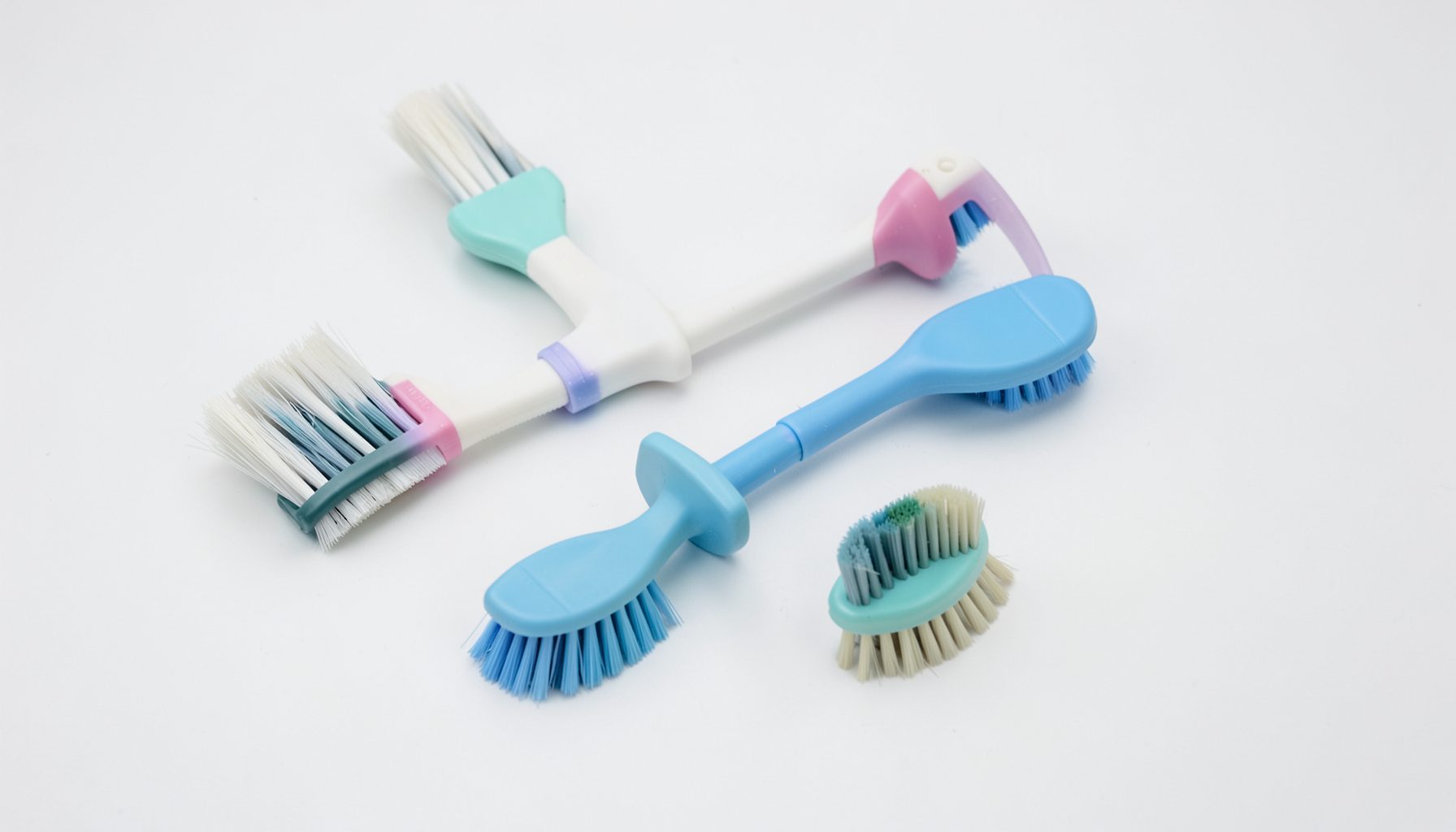
Wash the outside, cap, nozzle, and other components separately. A soft bottle brush or the cleaning brush supplied with a kit can help remove residue without scratching the plastic. Avoid sharp objects, stiff wire brushes, and rough scouring pads, which can damage the surface and create tiny areas where residue may collect.
| Cleaning approach | Best time to use it | Main purpose | Important caution |
|---|---|---|---|
| Warm-water rinse | Immediately after every use | Removes remaining saline and mucus | Does not replace a full wash |
| Mild soap wash | After each use or as directed | Cleans interior and exterior surfaces | Rinse thoroughly to remove soap |
| Brush cleaning | When residue collects in seams or threads | Reaches narrow areas | Use a soft, product-safe brush |
| Occasional deeper cleaning | When instructions recommend it | Addresses persistent film or odor | Use only approved cleaning methods |
| Air drying while separated | After every wash | Reduces trapped moisture | Do not store parts while damp |
After washing, rinse every component thoroughly with clean water. Soap left inside the bottle or nozzle can irritate the nasal passages during the next use. Hold small parts under running water and check that no foam, crystals, or visible debris remains.
Dry Every Component Completely
Drying is an essential part of nasal rinse bottle hygiene. Shake excess water from the bottle, then place the bottle, cap, nozzle, and seals on a clean, dry surface. Keep the parts separated and arrange them so air can circulate through openings and around threads.
Avoid reassembling the system while it is still wet. A closed bottle traps moisture, slowing evaporation and encouraging stale odors. A clean drying rack, fresh paper towel, or washable lint-free cloth can be used, provided the surface is clean and the components are protected from dust.
Do not dry the nozzle with a used kitchen towel or leave the parts beside a sink where splash water may reach them. When everything is fully dry, reassemble the bottle loosely or store the parts in a clean, ventilated location. Follow any storage instructions that came with your rinse system.
Habits That Keep The Bottle Fresh
A few small habits make cleaning easier and help preserve the squeeze bottle. Use the system only for nasal irrigation, and never share it with another person. Sharing can transfer germs even when the bottle appears clean. Wash your hands before preparing saline, filling the bottle, or touching the nozzle.
Build the following practices into every rinse session:
- Empty leftover solution immediately after use.
- Rinse the bottle and nozzle before soap washing.
- Clean narrow openings with an approved soft brush.
- Let every component air-dry completely before storage.
- Check the bottle and seals regularly for cracks, cloudiness, stiffness, or persistent odor.
Saline packets should be mixed according to their instructions rather than made stronger for an intense sensation. Extra salt can leave more residue and may feel irritating. If the solution burns, causes significant discomfort, or produces unusual symptoms, stop using it and seek appropriate medical guidance.
Know When To Replace The Bottle
Cleaning can remove residue, but it cannot repair damaged plastic or worn seals. Replace the squeeze bottle if it develops cracks, deep scratches, a warped opening, a loose cap, or a valve that no longer works correctly. A damaged container may leak or make it difficult to deliver the rinse as intended.
Persistent odor, discoloration, or film that remains after careful washing is another reason to replace the system. Do not try to mask an odor with perfume, bleach, or other household products unless the manufacturer specifically permits that cleaning method. Chemical traces may be difficult to remove and could irritate the nose.
Replacement timing depends on the product, frequency of use, cleaning method, and condition of the materials. For model-specific storage, care, and troubleshooting details, the ResQRinse FAQs provide additional guidance. When in doubt, the safest choice is to stop using a questionable component and obtain a clean replacement.
A clean nasal rinse bottle should look, feel, and smell clean, with no visible residue and no moisture trapped inside. By emptying it promptly, washing each part with mild soap, rinsing thoroughly, and allowing complete air drying, you can maintain a more hygienic routine and extend the useful life of the system. Make this care process part of every rinse, and replace any component that no longer looks or functions properly.