ResQRinse is the nasal irrigation squeeze bottle that eliminates head-tilting and awkward neck positions. Using proprietary Nasal Lock™ technology, it delivers a comfortable, gag-free sinus cleanse — no more saline dripping down your throat.

Relief From Fall Sneezes
Now sold on Walmart.com. Free shipping on orders $30+. Try ResQRinse today with your everyday purchases.
Shop at WalmartWhy ResQRinse?
Nasal rinsing helps relieve congestion from colds, allergies, sinusitis, hay fever, and environmental pollutants. ResQRinse makes it comfortable enough to become a daily habit.
Nasal Lock™ Technology
Isolates sinuses from the throat using natural choanal occlusion — like inflating a balloon — so saline stays where it belongs.
Learn more →
Drug-Free Relief
Uses premixed saline packets with distilled water. No medications, no preservatives — just a natural cleanse for your nasal passages.
How to rinse →
For Kids Too
ResQRinse for Kids features a comfort nasal tip right-sized for smaller nostril openings, making rinsing gentle and easy for children.
Shop kids' version →
Breath-Controlled Flow
You control the saline flow with your own breath pressure — high volume, low pressure irrigation that's comfortable and effective.
Watch how-to videos →
Better Compliance
Designed to overcome the gagging and discomfort that cause people to abandon traditional neti pots and nasal rinse systems.
Our story →
Complete Kits Available
From the basic ResQRinse Nasal Rinse System ($19.99) to 90-day complete kits, saline packets, cleaning brushes, and Sinoptim Nasal Mist.
Browse all products →Get Started with ResQRinse
Ready to experience a better nasal rinse? Fill out the form below and we'll help you find the right product — or follow the simple steps to begin rinsing today.
Request More Information
How to Use ResQRinse
Fill the Bottle
Fill the ResQRinse squeeze bottle with distilled or previously boiled water and add one premixed saline packet.
Position the Tip
Place the comfort tip gently against one nostril. No head-tilting or awkward neck angles needed.
Squeeze & Breathe
Squeeze the bottle gently while breathing through your mouth. Nasal Lock™ keeps saline in your nasal passages and out of your throat.
Repeat & Clean
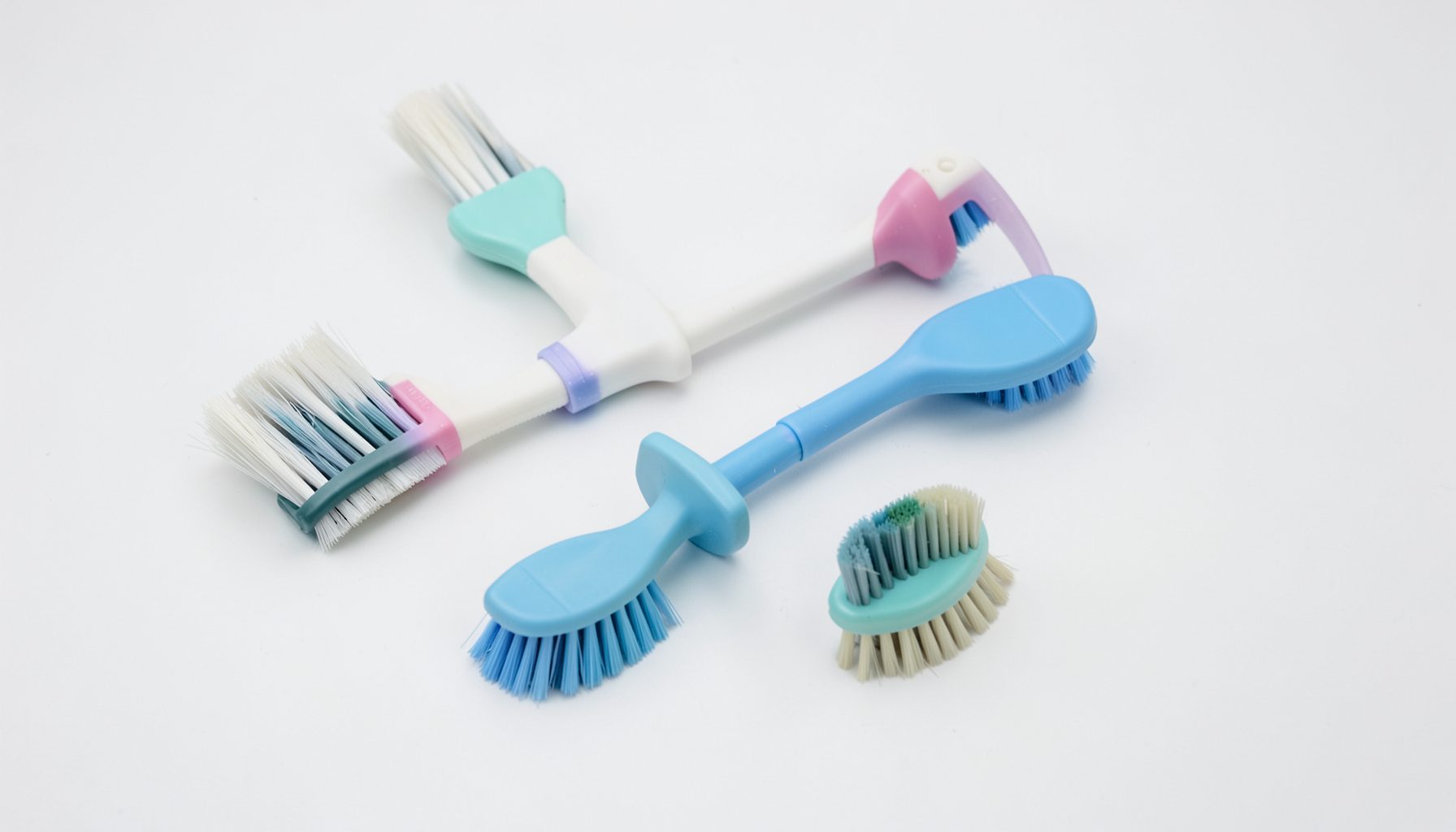
Switch nostrils and repeat. After use, rinse the bottle and let it air dry. Use ResQRinse Premium Cleaning Brushes for thorough cleaning.
Preparing Your Sinuses for a Post-Surgery Check with a Complete Rinse Kit
Walking into an ENT clinic a few weeks after sinus surgery can feel like a small test. The specialist will want to look at healing tissue, check that no adhesions are forming, and confirm your passages are open before clearing you for the next phase of recovery. A clear rinse before that appointment gives them an unobstructed view and gives you a head start on long-term nasal health.
Across Australia, post-op sinus care is usually handled by the surgeon who performed the procedure, often with a referral back through a GP under Medicare. Many patients find themselves travelling between a suburban clinic in Brisbane, Parramatta, or the inner suburbs of Melbourne and their local chemist for supplies, so having a self-contained kit at home cuts out a few extra stops during the recovery period.
A complete saline rinse kit is built for this kind of routine. Rather than juggling separate bottles, packets, and cleaning tools, everything sits in one box and can be kept on the bathroom bench within arm's reach of the shower. The consistency matters, especially when the surgeon has asked you to rinse daily in the lead-up to the next visit.
What Your Surgeon Will Look for During the Follow-Up
The actual review appointment is usually short, but the surgeon will move through a checklist that sets the pace for the rest of your recovery. Clear, well-moisturised mucosal tissue is at the top of the list. They will also want to confirm that the openings created during surgery are staying open and not clogging with crusting or dried blood.
A rinse performed the morning of the appointment, at least an hour before you head in, softens any overnight build-up and lets the saline flush it out. Some Australian specialists recommend a second rinse the night before, particularly if you are travelling from regional NSW or the Pilbara into a city clinic and want to start the journey with your nose as clear as possible.
Remember that the surgeon is also judging how well you have been managing your own care at home. A clean, consistent routine suggests healing is on track. A dry, crusted passage tells them that technique or frequency needs adjusting, which may delay clearance for air travel, swimming, or heavy exercise.
What Arrives in a Complete Kit
The ResQRinse complete kit contains everything needed for daily irrigation through the recovery phase and beyond. Most sets include the squeeze bottle itself, a tube of pre-measured saline sachets, a cleaning brush sized for the bottle, a soft tip for sensitive post-surgery tissue, and a small storage pouch.
Items you should expect inside the box:
- A 240 mL squeeze bottle with the Nasal Lock valve
- Buffered saline sachets in single-use packets
- A bottle brush with stiff but non-scratch bristles
- A soft nozzle tip for tender or healing tissue
- A mesh wash bag for air-drying
The bottle's Nasal Lock technology matters most after surgery, when the temptation is to squeeze harder to clear stubborn congestion. The valve prevents backflow into the squeeze chamber and keeps the pressure gentle, which protects newly opened sinus pathways while still doing the work of a proper flush. Compared with a traditional neti pot, the controlled pressure lets you set the pace and stop the moment discomfort appears.
Mixing the Saline with Water You Can Trust
Tap water across most of Australia is safe to drink, but it is not sterile. Boiling it for a full minute and letting it cool, or using distilled or filtered water from the supermarket, is the standard advice before any nasal rinse, particularly while surgical sites are still healing. Many chemists in Sydney and Perth now stock small bottles of distilled water specifically labelled for sinus irrigation, which saves a step on the way home from the follow-up visit.
Cut open one saline sachet, pour it into the bottle, and add the cooled water up to the fill line. Give the bottle a gentle shake so the powder fully dissolves. Lukewarm water feels far more comfortable against sensitive tissue than cold, and it helps the saline work more effectively on dried crusts.
After surgery, hold off on adding anything beyond the buffered sachet to the bottle. Some people like to mix in a splash of iodine or a homemade baking soda blend, but those add-ins can sting healing tissue and may interfere with the surgeon's view at the next review.
The Rinsing Routine in the Weeks Leading Up
Set a regular time for rinsing, ideally once in the morning and once in the evening, so the pattern becomes second nature. If you are desk-bound in a dry office with recycled air, you might find the office dryness guide from ResQRinse useful for working out why a midday rinse can keep post-surgery tissue from drying out by 3 pm.
Stand over the basin, tilt your head slightly forward, and breathe gently through your mouth. Insert the tip into one nostril with the bottle upright and squeeze with a slow, steady pressure. The solution should flow through one side of the nose and out the other, taking mucus and debris with it. Repeat on the other side, then finish with a few gentle huffs to clear the nasal cavity.
After each rinse, blow your nose very gently into a tissue. A hard blow can disturb clots that are still forming at the surgical site. Pat the outside of your nose dry and resist the urge to sniff hard, especially if you have been cleared to fly domestically out of a city like Adelaide in the days before the appointment.
Cleaning the Bottle and the Brush
A squeeze bottle used daily is a moist environment, which is exactly what bacteria look for. The brush that comes with the kit is designed to reach into the corners where saline residue and biofilm can settle, so use it after every rinse session to keep the equipment hygienic.
Disassemble the bottle, tip, and valve, then run warm water through each piece. Add a small drop of dishwashing liquid to the brush and work it through the inside of the bottle for at least thirty seconds. Rinse thoroughly, then stand the pieces on a clean tea towel to air dry before reassembling.
Timing matters here as well. The timing your nasal rinse resource from ResQRinse explains why rinsing just before bed can leave residual moisture sitting in a closed bathroom all night, which is not ideal for the bottle itself. Rinsing an hour before sleep, with time to dry everything, suits most people better. If the bottle develops a musty smell or the valve feels sticky, soak the parts in a white vinegar solution for fifteen minutes, then rinse well and air dry. Replace the bottle every three to six months if you rinse daily, as the plastic gradually loses its smooth finish.
Red Flags Worth Telling Your Surgeon About
Some discomfort between follow-ups is normal, but certain symptoms suggest the healing needs a closer look. Your surgeon would rather hear from you early than meet you in the clinic with a complication that has been brewing for a week. The managing nosebleed tendencies article from ResQRinse outlines the difference between a healing ooze and a bleed that should be flagged straight away.
Signs worth raising before your scheduled visit:
- Fresh red bleeding that lasts more than ten minutes
- A fever above 38°C, with or without facial pain
- Sudden loss of smell that does not return after rinsing
- Swelling or tenderness around the eyes or bridge of the nose
Phone the clinic or your GP if any of these appear. Many Australian ENT rooms have a nurse line for post-op patients, and the receptionist can usually arrange an earlier review if you describe your symptoms clearly. Keep the number saved in your phone from the day of discharge.
Getting the Most from Your Review Appointment
Bring the saline sachets and your bottle to the appointment, even if you rinsed that morning. The surgeon may want to demonstrate a small change in head position or pressure that is easier to copy in person than to explain over the phone. Ask about travel clearance, gym return, and whether you should keep the same rinse frequency or slowly taper it down over the following month.
Browse the complete kit and replacement sachets on the ResQRinse website, with stock available through major Australian retailers including Chemist Warehouse and selected Priceline stores, and shipping options that reach regional postcodes within a few business days. Restocking supplies before the appointment means you can keep the routine steady as soon as you walk out of the clinic and back into your usual week.